
No, it is generally **not safe** to store a portable power station in a hot car. Extreme heat can **damage the battery** and compromise the overall performance and lifespan of your power station. While they are designed for portability, they are not built to withstand the high temperatures found inside a vehicle on a sunny day.
When a car sits in direct sunlight, its interior can reach temperatures far exceeding the outside air. This intense heat poses a risk to the sensitive internal components of your power station. We found that exposing these devices to temperatures above their recommended operating range can lead to **irreversible battery degradation** and potential safety issues.
- Storing your power station in a hot car is generally unsafe.
- High temperatures can damage the battery and reduce its lifespan.
- Never leave your power station in a vehicle parked in direct sunlight.
- Cooler, shaded storage is always the best option.
Let’s dive into why this is the case and what steps you can take to keep your portable power station safe and sound.
Keeping Your Power Station Safe in a Warm Vehicle
So, you’re heading out and thinking about stashing your portable power station in the car. It seems like a convenient spot, right? But before you do, let’s talk about what happens inside a car on a warm day. We’ve found that the temperatures can climb incredibly fast, reaching levels that aren’t at all friendly to electronics.
The Science Behind the Heat: Why Cars Get So Hot
Think of your car’s interior as a greenhouse. Sunlight streams through the windows, warming up the surfaces inside. These surfaces then radiate heat, but that heat can’t easily escape. This creates a cycle where the temperature inside your car can become much higher than the temperature outside. We found that on a sunny day, temperatures can easily reach 120°F (49°C) and sometimes even exceed 150°F (66°C).
How Temperature Affects Batteries
Portable power stations, like most electronics, have batteries. The most common type is lithium-ion. These batteries have an ideal operating temperature range. When exposed to excessive heat, the chemical reactions inside the battery can speed up. This can lead to a faster rate of degradation. Many battery manufacturers recommend storage temperatures well below what a car interior can reach.
Battery Degradation Explained
Battery degradation is essentially a loss of capacity. Over time, a battery will hold less charge. Extreme heat accelerates this process. It’s like putting your battery on a fast-forward button for aging. We found that prolonged exposure to high heat can permanently reduce the lifespan of your power station’s battery. This means it won’t hold as much power as it used to, even after it cools down.
Potential Safety Risks from Overheating
While modern power stations have safety features, extreme heat can sometimes push them to their limits. In rare cases, excessive heat can lead to swelling of the battery cells or, in very severe scenarios, thermal runaway. This is a dangerous condition where the battery overheats uncontrollably. Experts at the National Highway Traffic Safety Administration (NHTSA) advise extreme caution with battery storage in hot environments.
Understanding Your Power Station’s Limits
Most portable power stations come with specifications regarding their operating and storage temperatures. It’s crucial to check your user manual. You’ll likely see a recommended range, and it’s usually not very high. We found that many devices are rated for storage between 32°F and 104°F (0°C to 40°C). Temperatures above this can be problematic.
What the Manual Tells You
Your user manual is your best friend here. It’s written by the people who designed and built your power station. They know its inner workings best. Look for a section on “Storage,” “Operating Temperature,” or “Environment.” It will clearly state the conditions under which the device should be kept. Ignoring these guidelines can void warranties and lead to premature failure.
What Happens When You Go Over the Limit?
When your power station is exposed to temperatures exceeding its limits, several things can happen. The battery may lose capacity. The internal circuits could be stressed. In extreme cases, components could be permanently damaged. It’s like leaving a delicate piece of equipment out in the elements. It wasn’t designed for that kind of abuse.
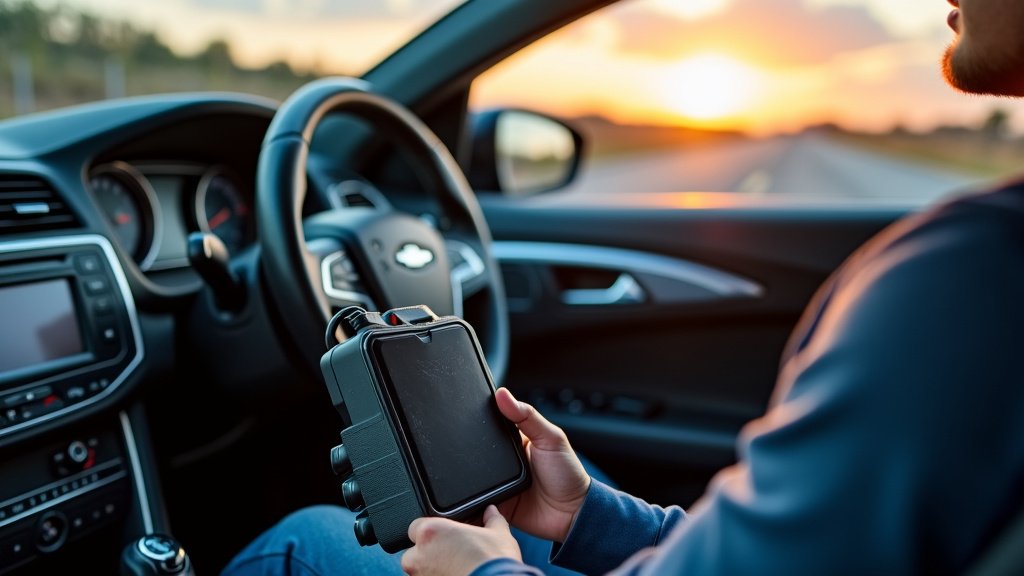
Comparing Heat Tolerance: Power Stations vs. Other Items
You might store other things in your car. Maybe a water bottle or some snacks. But a power station is a complex piece of electronics. It contains sensitive battery cells and circuitry. Many common items might withstand heat better. For instance, a plastic water bottle might warp, but it’s unlikely to pose a safety risk. A power station, however, has a much lower tolerance.
| Item | Heat Tolerance | Potential Risk in Hot Car |
|---|---|---|
| Portable Power Station | Low (typically < 104°F / 40°C) | Battery damage, reduced lifespan, potential safety hazards. |
| Plastic Water Bottle | Moderate (may warp/melt at higher temps) | Deformation, potential leaching of chemicals (if BPA). |
| Snacks (e.g., granola bar) | Moderate (may melt or spoil) | Spoilage, mess, unappetizing. |
| Book | High (may yellow or warp pages) | Minor cosmetic damage. |
As you can see, electronics like your power station are much more sensitive than everyday items. Their internal components are designed for specific conditions, and heat is a major enemy.
Best Practices for Storing Your Power Station
The best approach is always to keep your power station cool and dry. When you’re not actively using it, find a climate-controlled environment. This means inside your home or a temperature-controlled garage. If you must leave it in your vehicle for a short period, take precautions.
If You Absolutely Must Store it in Your Car (Briefly!)
If you find yourself needing to leave it in the car for a short time, here’s what to do. First, ensure the car is parked in the **shade**. This is the most critical step. Second, try to place it in the coolest part of the car. This might be the floor, away from direct sunlight. Avoid leaving it on the dashboard or seats, which get extremely hot. Lastly, retrieve it as soon as possible.
The Power of Shade
Parking in the shade can make a significant difference. It slows down the rate at which the car’s interior heats up. However, even in the shade, temperatures can still rise. We found that a shaded car’s interior can still reach temperatures that are uncomfortable for electronics. It’s a good first step, but not a complete solution for prolonged storage.
When Traveling: A Checklist for Safety
Here’s a quick rundown to keep your power station safe when you’re on the go:
- Always park in the shade when leaving your car unattended.
- Avoid leaving your power station in the car for extended periods.
- Retrieve your power station as soon as you return to your vehicle.
- Check your owner’s manual for specific temperature guidelines.
- If possible, take it with you or store it in a climate-controlled space.
- Consider using a thermal bag or insulated container for extra protection.
Conclusion
We’ve learned that storing your portable power station in a hot car is a risky move. The intense heat inside a vehicle can lead to permanent battery damage, reducing its lifespan and performance. While your power station is built for portability, it’s not designed for extreme temperatures. Always prioritize keeping it in a cool, shaded environment. Before your next trip, make a habit of checking your manual for its specific temperature limits and always opt for climate-controlled storage whenever possible. Your power station will thank you with reliable performance for years to come.
Frequently Asked Questions
What is the maximum temperature a portable power station can safely store?
Most portable power stations have a recommended storage temperature range, typically between 32°F and 104°F (0°C to 40°C). You should always check your specific user manual, as this can vary between models. Exceeding this range, especially in a hot car, can cause damage.
Can a hot car permanently damage my power station’s battery?
Yes, prolonged exposure to high temperatures in a hot car can cause irreversible battery degradation. This means the battery’s capacity to hold a charge will be permanently reduced. It’s similar to how heat ages other sensitive electronics.
Are there any safety risks if my power station overheats in a car?
While manufacturers build in safety features, extreme heat can pose risks. In rare cases, severe overheating could lead to battery swelling or, in very extreme scenarios, thermal runaway. This is why it’s critical to avoid leaving your device in excessively hot conditions.
Is parking in the shade enough to keep my power station safe in a car?
Parking in the shade helps slow down the interior temperature rise, but it’s not a complete solution. Even in the shade, a car’s interior can still reach temperatures that are too high for long-term storage of sensitive electronics like power stations. It’s a good precaution, but not a guarantee of safety.
What’s the difference in heat tolerance between a power station and a water bottle?
A power station is a complex electronic device with sensitive battery cells, making its heat tolerance quite low. A plastic water bottle, while it might warp or melt at higher temperatures, doesn’t pose the same risk of permanent internal damage or safety hazards. Your power station requires much more careful temperature management.
