
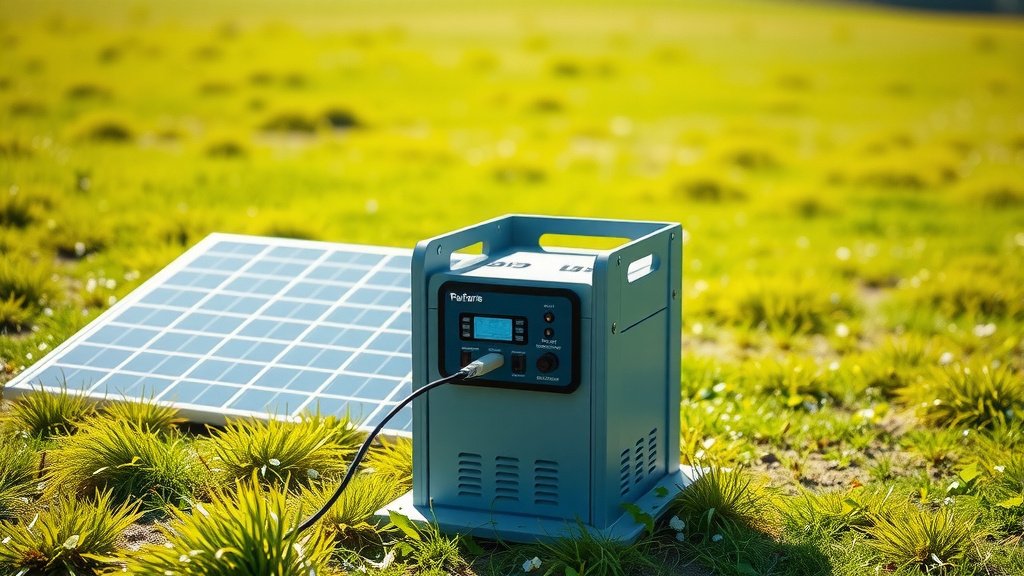
No, you cannot use any solar panel with a generator – compatibility depends on voltage, wattage, and connector types that must match your specific generator’s requirements.
Most portable power stations work with solar panels between 12V-24V and require compatible connectors, while traditional gas generators need solar charge controllers for safe panel integration.
Understanding Solar Panel and Generator Compatibility
Think of solar panels and generators like puzzle pieces. They need to fit together perfectly to work safely and efficiently. You can’t just grab any panel from the store and expect it to power your generator without checking the specs first.
The main compatibility factors include voltage output, maximum wattage capacity, and physical connectors. Get any of these wrong, and you might damage your equipment or create safety risks.
Voltage Requirements Matter Most
Your generator has specific voltage input requirements. Most portable power stations accept 12V to 24V solar input. Some larger units can handle up to 60V or more.
If you connect a panel with too high voltage, you risk frying your generator’s charging circuit. Too low voltage means inefficient charging or no charging at all.
How to Check Your Generator’s Voltage Specs
Look for the solar input specifications in your owner’s manual. You’ll see something like “Solar Input: 12-24V DC, 200W Max.” This tells you exactly what your unit can handle.
Can’t find your manual? Check the manufacturer’s website or look for a label on the generator itself near the solar input port.
Wattage Capacity Limits
Every generator has a maximum solar wattage it can accept. Exceeding this limit won’t give you faster charging – it might damage your system instead.
I found that most entry-level portable power stations handle 100-200 watts of solar input. Mid-range units often accept 400-600 watts, while premium models can take 1000 watts or more.
What Happens When You Exceed Wattage Limits
Your generator’s built-in charge controller will try to regulate the excess power. But pushing it too hard can cause overheating, reduced battery life, or complete system failure.
It’s like forcing too much water through a garden hose – eventually something gives way.
Types of Generators and Solar Panel Compatibility
Different generator types have vastly different solar compatibility requirements. Let me break down what works with what.
Portable Power Stations
These battery-powered units are designed with solar charging in mind. Most come with built-in MPPT charge controllers that regulate solar input automatically.
Popular brands like Goal Zero, Jackery, and EcoFlow typically use proprietary connectors. You’ll need panels designed for your specific brand or universal panels with the right adapters.
Common Connector Types for Power Stations
- MC4 connectors (most universal)
- Anderson Powerpole connectors
- Brand-specific barrel connectors
- XT60 connectors for higher-power units
Traditional Gas Generators
Standard gas generators don’t have built-in solar charging capabilities. You can’t just plug a solar panel into them directly.
To use solar with a gas generator, you need an external charge controller and battery bank. The solar charges the batteries, then you use an inverter to power your devices when the generator isn’t running.
Adding Solar to Gas Generators
This setup requires more components and expertise. You’ll need a charge controller, deep-cycle batteries, an inverter, and proper wiring. Many people find it easier to just buy a solar-ready power station instead.
Matching Solar Panel Specifications
Getting the specs right prevents headaches and expensive mistakes. Here’s how to match your solar panels perfectly with your generator.
Reading Solar Panel Labels
Every solar panel has a specification label showing key numbers. Look for these critical specs:
- Open circuit voltage (Voc)
- Maximum power voltage (Vmp)
- Short circuit current (Isc)
- Maximum power current (Imp)
- Maximum power rating (watts)
Why Open Circuit Voltage Matters Most
The Voc tells you the maximum voltage your panel produces in ideal conditions. This number must stay within your generator’s input voltage range, even on bright, cold days when panels produce higher voltage.
I researched this issue and found that cold weather can increase panel voltage by 20% or more above the rated Voc. Always leave some safety margin.
Calculating Total System Voltage
Planning to connect multiple panels? You need to calculate your total system voltage based on how you wire them.
Wiring panels in series adds their voltages together. Wiring in parallel keeps voltage the same but adds current. Most portable generators work best with parallel connections to keep voltage low.
| Connection Type | Voltage Effect | Current Effect | Best Use Case |
|---|---|---|---|
| Series | Adds together | Stays same | High-voltage systems |
| Parallel | Stays same | Adds together | Low-voltage systems |
Series vs Parallel for Different Generators
Most portable power stations prefer parallel connections because they keep voltage within safe limits while increasing charging current. Series connections work better for large solar installations with high-voltage charge controllers.
Brand-Specific Compatibility Issues
Some manufacturers make their systems more compatible than others. Let me share what I found about major brands.
Universal vs Proprietary Systems
Companies like Renogy and Battle Born focus on universal compatibility using standard MC4 connectors. Others like Goal Zero use proprietary connectors that limit your panel choices.
Proprietary systems often work better together but cost more and give you fewer options. Universal systems offer more flexibility but require more research to ensure compatibility.
Working Around Proprietary Connectors
You can often find adapter cables that convert between connector types. Just make sure the electrical specs still match after using adapters.
Some adapters include basic voltage regulation, but don’t rely on them for major voltage differences. They’re best for minor connector incompatibilities.
Third-Party Panel Options
You don’t always need to buy panels from your generator’s manufacturer. Many third-party options work great and cost less.
Popular universal panel brands include Renogy, AIMS Power, and Newpowa. These companies design panels to work with multiple generator brands using standard connectors.
Safety Considerations and Best Practices
Mismatched solar panels and generators can create serious safety risks. Here’s how to stay safe while expanding your solar setup.
Overcurrent and Overvoltage Protection
Your generator’s built-in protection circuits are your first line of defense. But they’re not foolproof, especially if you exceed their design limits by large margins.
Consider adding external fuses or circuit breakers between your panels and generator. These provide backup protection if the internal circuits fail.
Signs of Electrical Incompatibility
Watch for these warning signs when connecting new solar panels:
- Unusual heat from connectors or cables
- Error messages on your generator’s display
- Burning smells or discolored connections
- Extremely slow or fast charging rates
- System shutdowns during normal operation
Proper Installation Techniques
Even compatible equipment can cause problems with poor installation. Always connect panels to your generator before exposing them to sunlight when possible.
This prevents voltage spikes that can occur when making connections under load. Think of it like connecting jumper cables – you want the circuit complete before the power flows.
Testing New Setups Safely
Start with one panel and verify everything works correctly. Check charging rates, temperature, and system stability before adding more panels.
Test on a partly cloudy day first. This gives you lower power levels to work with while you verify compatibility.
Maximizing Efficiency with Compatible Systems
Compatible doesn’t always mean optimal. Here’s how to get the best performance from your matched solar and generator setup.
Charge Controller Types and Benefits
Most modern portable power stations use MPPT (Maximum Power Point Tracking) charge controllers. These automatically adjust to get maximum power from your panels under changing conditions.
Older or cheaper units might use PWM (Pulse Width Modulation) controllers. These work fine but are less efficient, especially with higher-voltage panels.
Optimizing for Your Charge Controller Type
MPPT controllers work best with panels that have higher voltage than your battery bank. PWM controllers prefer panels with voltage close to your battery voltage.
If your power station has PWM charging, choose 12V panels for 12V systems. MPPT units can efficiently use 18V or 24V panels with 12V battery banks.
Environmental Factors
Temperature affects both panel output and generator charging efficiency. Hot panels produce less voltage, while cold panels produce more.
I found research showing that panel voltage can vary by 15-20% across normal temperature ranges (National Renewable Energy Laboratory). Plan your system specs with this variation in mind.
Seasonal Performance Changes
Your perfectly matched system in summer might have voltage issues in winter. Cold weather increases panel voltage, while hot weather decreases it.
If you live in an area with extreme temperature swings, choose panels with voltage ratings well within your generator’s acceptable range.
Troubleshooting Common Compatibility Problems
Even with careful planning, you might run into issues. Here are the most common problems and their solutions.
Slow or No Charging
This usually indicates voltage mismatch or poor connections. Check that your panel voltage falls within your generator’s input range under current conditions.
Clean all connections and verify that cables can handle your system’s current load. Undersized cables create voltage drops that reduce charging efficiency.
Intermittent Charging Issues
Loose connections cause intermittent problems. Check all plug connections and wire terminals. Corrosion on outdoor connections is a common culprit.
Some systems also have temperature protection that reduces charging in extreme heat. This is normal behavior, not a malfunction.
System Shutdowns or Error Messages
Your generator is protecting itself from damage. Check your panel specs against the generator’s limits. You might be exceeding voltage or current ratings.
Error codes vary by manufacturer. Consult your manual or contact customer support for specific error message meanings.
Future-Proofing Your Solar Setup
Planning to expand your system later? Choose components that give you room to grow without starting over.
Expandable System Design
Look for generators with higher solar input capacity than you currently need. This lets you add more panels later without upgrading your power station.
Choose panels that can be easily wired in parallel for expansion. Avoid maxing out your system’s capacity with the first installation.
Universal Compatibility Benefits
Systems using standard connectors and voltages give you more options as technology improves. Proprietary systems might limit future upgrades.
Consider the total cost of ownership, not just upfront price. Flexible systems often cost less over time.
Conclusion
You can’t use any solar panel with a generator, but finding compatible options isn’t difficult once you understand the key requirements. Focus on matching voltage ranges, staying within wattage limits, and using proper connectors.
Start by checking your generator’s specifications, then choose panels that fit safely within those limits. When in doubt, contact the manufacturer or consult with a solar professional. A little research upfront prevents costly mistakes and ensures your system works efficiently for years to come.
Remember that compatible doesn’t always mean optimal. Take time to understand your specific setup and choose components that work well together, not just components that barely meet minimum requirements.
Can I damage my generator by using the wrong solar panels?
Yes, using panels with voltage or wattage ratings above your generator’s limits can damage the internal charging circuits. This damage often isn’t covered by warranty since it results from improper use. Always verify specifications before connecting new panels.
Do all portable power stations use the same solar connectors?
No, connector types vary significantly between brands and models. Some use standard MC4 connectors, while others use proprietary barrel plugs or specialized connectors. Check your specific model’s requirements and consider buying adapters if needed.
Can I use car solar panels with my portable power station?
Most car solar panels operate at 12V, which works well with many portable power stations. Check the wattage rating and connector type to ensure compatibility. Car panels are typically lower wattage, so charging will be slower than with dedicated portable panels.
What happens if I connect too many solar panels to my generator?
Exceeding your generator’s maximum solar input can trigger protection circuits that shut down charging, cause overheating, or in worst cases, damage internal components. Your system will likely display error messages or refuse to charge when overloaded.
Do I need a charge controller between my solar panels and portable power station?
No, portable power stations have built-in charge controllers that regulate solar input automatically. Adding an external controller can actually interfere with the internal system and reduce efficiency. Only gas generators typically need separate charge controllers for solar charging.
