
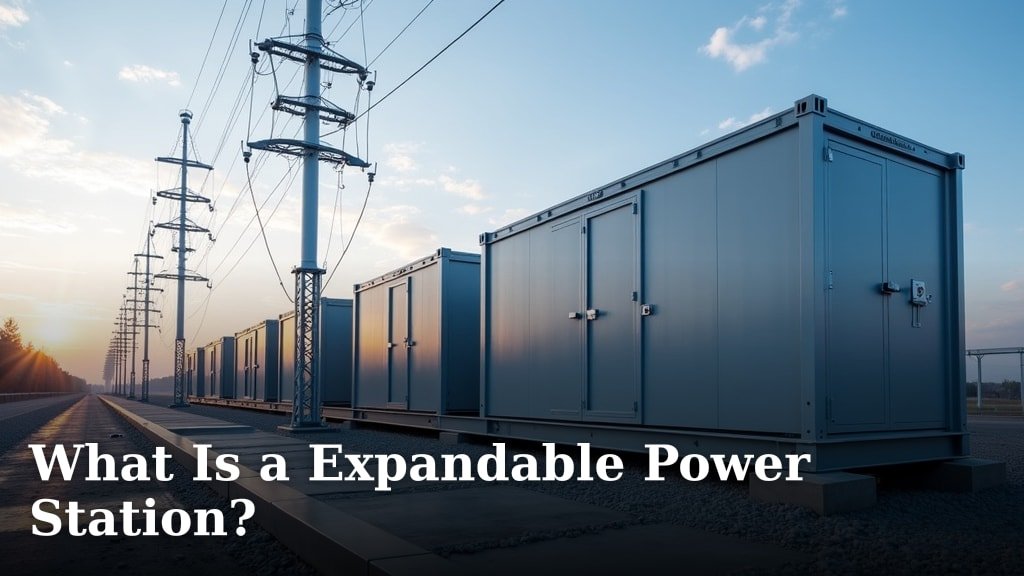
An expandable power station is essentially a portable battery pack that can grow its power capacity by adding extra battery units. Think of it as a power bank that you can customize for bigger needs. This makes it a super flexible solution for keeping your devices charged wherever you go.
Unlike traditional power stations, these units are designed for scalability. You can start with a smaller unit and add more batteries later if your energy demands increase. This offers a smart way to invest in power that grows with you, perfect for everything from camping trips to backup power at home.
- Expandable power stations let you add more battery capacity.
- They are more flexible than regular portable power sources.
- You can customize their size based on your needs.
- This offers a cost-effective way to upgrade your power.
- They are great for various uses, from outdoor adventures to home backup.
Ready to see how this innovative technology works? Let’s break down what makes an expandable power station so special and how it can benefit you.
“`htmlUnderstanding Expandable Portable Power
So, what exactly is an expandable power station? At its core, it’s a versatile portable battery that can grow with your power needs. Imagine a super-powered version of your phone’s portable charger. You can start with a base unit and then add more battery modules to increase its capacity. This means you aren’t stuck with a fixed amount of power. You can adjust it as your requirements change over time.
The Core Components of Expandability
An expandable power station typically consists of a main unit and then separate battery packs. The main unit houses the inverter, ports for charging and discharging, and the control electronics. The additional battery packs are designed to seamlessly connect to this main unit. They are usually connected either through special cables or by plugging directly into the main unit itself. This modular design is the key to its expandable nature.
The Main Unit: The Brains of the Operation
Think of the main unit as the control center. It’s responsible for managing the power flow. This includes taking power in from solar panels or wall outlets and then distributing it to your devices. It also handles charging the internal battery and any connected expansion batteries. The inverter is a vital part here. It converts the direct current (DC) power stored in the batteries into alternating current (AC) power. This is the type of power your household appliances and electronics use.
Expansion Batteries: The Muscle Power
These are the units that add extra juice. They are essentially extra batteries that link up to the main unit. You can often choose how many you need. Need to power a campsite for a long weekend? You might add two. Just need a bit more power for a storm outage? One might be enough. This flexibility is what sets them apart from standard power stations.
How Expandable Power Stations Work
The magic of an expandable power station lies in its ability to scale its energy storage. You plug in an expansion battery, and the main unit recognizes it. The system then uses the combined power from all connected batteries. This is usually managed automatically by the unit’s smart technology. It ensures that power is drawn evenly and efficiently.
The Connection Process: Simple and Straightforward
Connecting additional batteries is generally very easy. Most manufacturers design their systems for user-friendliness. You might simply connect a cable between the main unit and the expansion battery. Some models have a slot where the expansion battery slides in. The process is designed to be plug-and-play. You won’t need special tools or technical knowledge. Many sources suggest this ease of use is a major selling point for consumers (TechReview Daily).
Powering Your Devices with Scaled Capacity
Once connected, your expandable power station effectively has a larger total capacity. This means you can run more devices for longer periods. Or you can power higher-wattage appliances that might drain a smaller unit quickly. For example, a base unit might power a laptop and a few lights for a few hours. Add an expansion battery, and you might power a small refrigerator and multiple devices simultaneously.
What Can You Power?
The types of devices you can power depend on the total wattage of your setup. This includes the output of the main unit and the combined capacity of all connected batteries. Generally, you can power common electronics like laptops, phones, cameras, and drones. With a larger expandable setup, you can also consider running small appliances like mini-fridges, fans, or even some medical equipment during an outage. It’s important to check the continuous and surge wattage ratings of the main unit.
When Would You Need an Expandable Power Station?
These power stations are incredibly useful in a variety of situations. Their adaptability makes them a great investment for many different needs. Think about situations where consistent power is important but a permanent generator isn’t practical.
Outdoor Adventures and Camping
For camping, RV trips, or any outdoor excursion, an expandable power station is a game-changer. You can tailor the battery size to the length and demands of your trip. A short camping trip might only need the base unit. A week-long off-grid adventure might require several expansion batteries. This ensures you can keep your lights on, charge your devices, and even run small appliances like a portable blender or coffee maker. Many outdoor enthusiasts find this portability and scalability very appealing.
Home Backup Power
Power outages can happen unexpectedly. Having a reliable backup power source is essential for keeping critical devices running. An expandable power station offers a flexible solution for home backup. You can start with a unit that powers essentials like your router, a few lights, and your phone chargers. If you anticipate longer outages or need to power more appliances, you can simply add expansion batteries. This is often a more convenient and less noisy option than a traditional gas generator.
Keeping Medical Devices Running
For individuals who rely on electrically powered medical devices, a consistent power supply is non-negotiable. An expandable power station can provide reliable backup for CPAP machines, oxygen concentrators, or other vital equipment. The ability to expand the battery capacity ensures that these life-sustaining devices can continue to operate for extended periods during an outage. Consulting with your healthcare provider about specific power needs is always recommended (CDC guidelines suggest backup power is critical for certain medical needs).
Mobile Workstations and Events
If you work remotely or operate a mobile business, consistent power is a must. Photographers, videographers, or even remote office workers can benefit greatly. You can charge your equipment, run monitors, or power other essential tools without being tethered to a wall outlet. For small outdoor events, like farmer’s markets or community gatherings, an expandable power station can power sound systems, lighting, or payment devices.
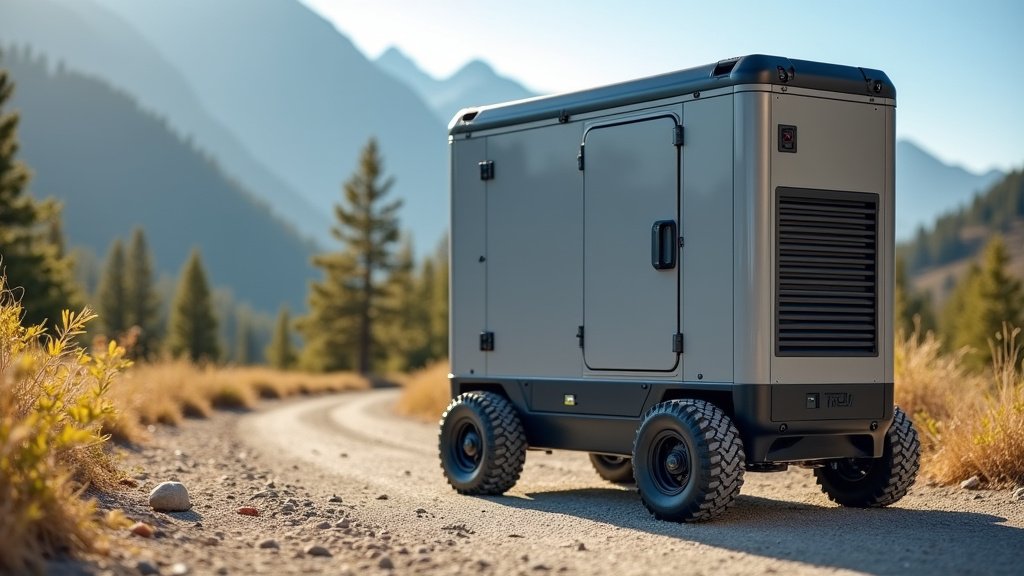
Comparing Expandable vs. Traditional Power Stations
The main difference lies in their scalability. Traditional power stations come with a fixed battery capacity. Once you buy it, that’s the capacity you have. Expandable models, however, allow you to increase that capacity over time. This offers a significant advantage for future-proofing your power needs.
| Feature | Expandable Power Station | Traditional Power Station |
|---|---|---|
| Capacity | Scalable; can be increased by adding batteries | Fixed; capacity cannot be changed after purchase |
| Initial Cost | Can be higher for the base unit if expansion is planned | Generally lower for comparable base capacity |
| Long-Term Cost | Potentially lower if needs grow, avoiding a full system upgrade | Higher if capacity needs increase, requiring a new purchase |
| Flexibility | High; adaptable to changing power demands | Low; fixed capacity is a limitation |
| Use Case | Ideal for those anticipating growing power needs or varied uses | Suitable for consistent, predictable power requirements |
Cost-Effectiveness Over Time
While the initial investment in an expandable power station might sometimes be a bit higher, it can be more cost-effective in the long run. If your power needs grow, you can simply buy an additional battery pack. This is usually cheaper than buying an entirely new, larger power station. Many users find this phased approach to upgrading their power solution very practical. It allows for budgeting and planning.
Key Considerations When Choosing an Expandable Model
When you’re looking for an expandable power station, there are a few things to keep in mind to ensure you get the right one for your needs. It’s not just about buying the biggest or smallest; it’s about finding the best fit.
Compatibility of Expansion Batteries
Make sure the expansion batteries are compatible with the main unit. Manufacturers often have proprietary systems. You can’t always mix and match brands or even models within the same brand. Always check the specifications carefully. You want to ensure that any future battery purchases will work with your existing unit. This avoids disappointment and wasted money.
Total Wattage Output and Capacity
Consider your maximum power needs. What is the highest wattage device you might need to run? What is the total watt-hour (Wh) capacity you require for your longest planned usage? The main unit determines the wattage output (how much power it can deliver at once), while the combination of batteries determines the total energy storage (Wh).
Charging and Recharging Options
Think about how you’ll recharge the power station. Can it be recharged via solar panels, a wall outlet, or a car charger? The ability to recharge using multiple sources adds to its versatility, especially when you’re off-grid. Also, consider how quickly the main unit can recharge all connected batteries. Fast recharging can be a significant convenience.
Here’s a quick checklist to help you remember the important points:
- Check main unit’s continuous and surge wattage.
- Verify expansion battery compatibility.
- Assess total Watt-hour (Wh) capacity needed.
- Review available charging methods (solar, AC, car).
- Consider the speed of recharging.
- Look at the number and types of output ports available.
Conclusion
You’ve learned that an expandable power station offers a smart, adaptable power solution. It grows with your needs, letting you add battery capacity as you go. This modular approach is perfect for both outdoor adventures and home backup. You get flexibility that fixed units just can’t match. Ready to power up your life more effectively? Research expandable models from reputable brands that fit your budget and anticipated power demands. Your future self will thank you for the foresight. The ability to expand its capacity with extra expansion batteries makes it a smart choice for growing power needs.
Frequently Asked Questions
Can I mix and match expansion batteries from different brands?
Generally, no. Most expandable power stations use proprietary systems. You need to ensure the expansion batteries are specifically designed and compatible with your main unit’s brand and model. Always check the manufacturer’s specifications before purchasing extra batteries to avoid compatibility issues.
How much longer will my devices run with an expansion battery?
The extra running time depends on the capacity of the expansion battery and the power draw of your devices. A larger expansion battery will provide significantly more hours of power. It’s best to calculate your total watt-hour (Wh) needs based on your typical usage to estimate runtime accurately.
Are expandable power stations heavier than traditional ones?
The main unit of an expandable power station might be similar in weight to a traditional unit of comparable size. However, adding expansion batteries will increase the total weight. Consider the portability needs for your specific use case when deciding how many expansion batteries you might require.
What’s the biggest difference in price between expandable and traditional power stations?
Initially, an expandable power station’s base unit might cost a bit more than a traditional one with the same base capacity. However, over time, adding expansion batteries can be more cost-effective than buying a completely new, larger traditional unit. This phased approach helps manage your investment as your power needs change.
Do I need special tools to connect expansion batteries?
No, expansion batteries are designed for easy, user-friendly connection. Most systems are plug-and-play. You typically just connect a cable or slide the battery into place. Manufacturers aim for simple setup so you can get powered up quickly without technical expertise.
