Is A Portable Power Station Good For Hurricane Season?
On this page (12 sections)
- Why Hurricanes Knock Out Power So Often
- What Makes Portable Power Stations Perfect for Storms
- Essential Items You Can Power During Hurricanes
- Sizing Your Power Station for Hurricane Prep
- Solar Charging: Your Hurricane Game Changer
- Setting Up Your Hurricane Power Plan
- Comparing Power Stations vs Gas Generators
- Safety Considerations for Hurricane Power
- Real-World Hurricane Stories
- Budget-Friendly Hurricane Power Solutions
- Maintenance and Year-Round Storage
- Conclusion
Yes, a portable power station is excellent for hurricane season because it provides reliable backup power when the electrical grid fails during storms.
These battery-powered devices can keep your essential electronics running for hours or days, giving you communication access, lighting, and power for medical devices when you need them most.
Why Hurricanes Knock Out Power So Often
Hurricanes bring three main threats to your electricity: wind damage, flooding, and falling trees. When sustained winds hit 75+ mph, power lines snap like guitar strings.
Storm surge and heavy rain flood electrical substations. Trees crash into transformers and utility poles. The result? You could be without power for days or weeks.
I found from FEMA data that major hurricanes leave millions without electricity. Hurricane Ian in 2022 knocked out power for over 2.6 million Florida residents. Some areas stayed dark for two weeks.
What Makes Portable Power Stations Perfect for Storms
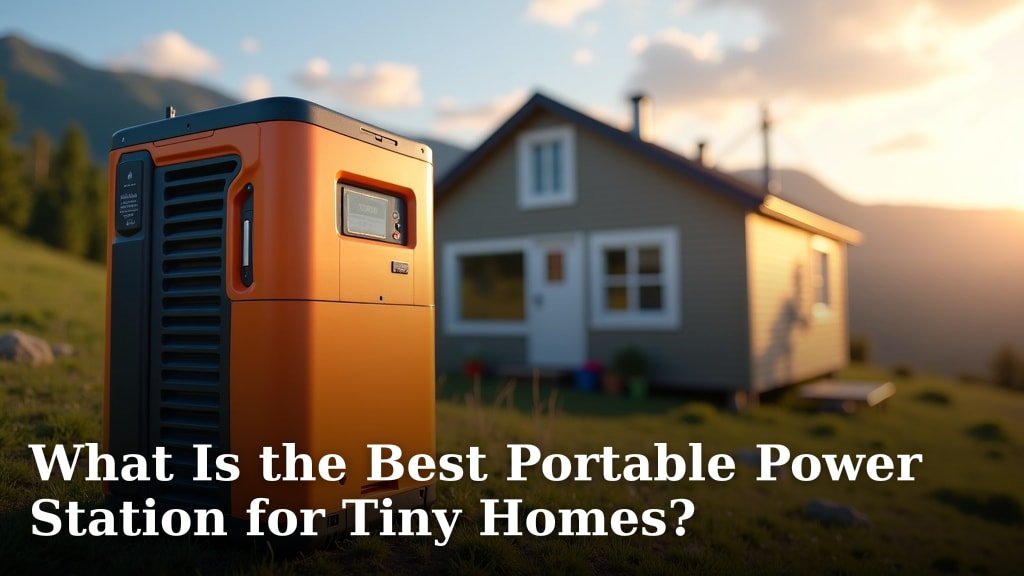
Think of a portable power station as a giant rechargeable battery with outlets. Unlike gas generators, these units run silently and produce zero emissions. You can safely use them indoors.
They charge from wall outlets, car adapters, or solar panels. Most models weigh 20-60 pounds, so you can move them around your house easily.
No Fuel Worries
Gas stations often close before hurricanes hit. Even if they stay open, long lines form as people panic-buy fuel. With a battery power station, you skip this headache completely.
You just need to charge it up before the storm arrives. No storing gasoline containers in your garage. No running out to refuel in dangerous conditions.
Silent Operation
Gas generators sound like lawn mowers running constantly. They wake up neighbors and attract unwanted attention during emergencies.
Battery stations operate silently. You can run them in bedrooms, living rooms, or anywhere you need power without disturbing anyone.
Essential Items You Can Power During Hurricanes
Your power needs during a hurricane focus on safety, communication, and basic comfort. Here’s what most people prioritize:
- Cell phones for emergency calls and weather updates
- LED lights and flashlights for visibility
- Small fans for air circulation when AC fails
- Radios for news and emergency broadcasts
- Medical devices like CPAP machines or oxygen concentrators
- Small refrigerators to keep medicines and food fresh
- Laptops for work or entertainment
Power Consumption Reality Check
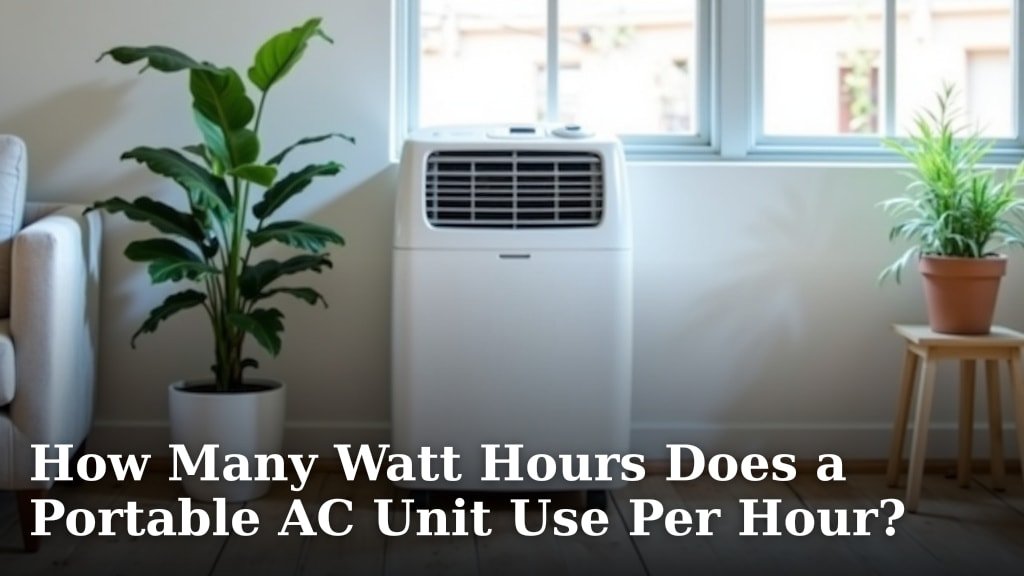
Many people overestimate how much power they actually need. A smartphone charges with about 15 watts. LED lights use 5-10 watts each. A small fan runs on 20-40 watts.
A 500-watt-hour power station can charge your phone 40+ times. That same unit powers LED lighting for your whole house for 10+ hours.
Sizing Your Power Station for Hurricane Prep
Power stations range from small 200Wh units to massive 3000Wh+ models. Your choice depends on what you want to power and for how long.
Small Units (200-500Wh)
Perfect for phones, tablets, lights, and radios. These weigh 5-15 pounds and cost $200-400. Great for apartments or minimal power needs.
Expect 1-3 days of power for basic electronics. Easy to carry if you need to evacuate.
Medium Units (500-1500Wh)
Can handle fans, small appliances, and multiple devices simultaneously. Weight ranges 25-40 pounds. Prices typically run $400-800.
These provide 3-7 days of power for essential items. Good balance of capacity and portability.
Large Units (1500Wh+)
Power refrigerators, medical equipment, and whole-house lighting. Weigh 40+ pounds and cost $800-2000+.
Can run for a week or more depending on your power consumption. Best for families or those with medical needs.
Solar Charging: Your Hurricane Game Changer
Solar panels turn your power station into a renewable energy system. When the grid stays down for weeks, solar keeps you powered indefinitely.
Portable solar panels fold up and store easily. During clear weather between storm bands, you can recharge your power station outside.
Realistic Solar Expectations
Don’t expect perfect solar conditions during hurricanes. Heavy clouds and rain reduce solar output by 80-90%. But you often get breaks between storm bands.
A 100-watt solar panel produces about 300-400 watt-hours on a partly cloudy day. That’s enough to keep phones charged and LED lights running.
Setting Up Your Hurricane Power Plan
Smart preparation starts weeks before hurricane season. Our guide can help you decide if buying a station before hurricane season makes sense. Don’t wait until storms form in the Atlantic.
Pre-Storm Checklist
- Charge your power station to 100%
- Test all devices you plan to power
- Locate your solar panels and charging cables
- Download weather apps and emergency contact info
- Prepare a priority list of what to power first
During the Storm
Keep your power station in a central location away from windows. Avoid using it near water or in damp areas, even though most models resist splashing.
Monitor your power usage. Many stations have LED displays showing remaining battery percentage. Prioritize essential items when power runs low.
Power Conservation Tips
Turn off devices when not using them. Use LED lights instead of overhead lighting. Charge multiple devices simultaneously during peak power station capacity.
Keep one device fully charged as a backup communication method. Usually, that’s your phone with downloaded maps and emergency information.
Comparing Power Stations vs Gas Generators
| Feature | Power Station | Gas Generator |
|---|---|---|
| Indoor Use | Yes, completely safe | No, carbon monoxide risk |
| Noise Level | Silent operation | Very loud (70+ decibels) |
| Maintenance | None required | Regular oil changes, tune-ups |
| Fuel Storage | No fuel needed | Gasoline storage required |
| Runtime | Limited by battery size | Unlimited with fuel supply |
When Generators Make Sense
Gas generators excel at powering large appliances for extended periods. If you need to run central AC, electric water heaters, or whole-house power, generators work better.
For most hurricane situations, though, you don’t need that much power. You need communication, lighting, and basic comfort items.
Safety Considerations for Hurricane Power
Power stations are generally safer than generators, but you still need basic precautions. Keep units away from water and check for damage after the storm passes.
Battery Safety in Extreme Weather
Lithium batteries work best between 32-100°F. Extreme cold reduces capacity. Extreme heat can damage cells permanently.
Store your power station in climate-controlled areas when possible. Basements, interior closets, and central hallways usually stay moderate during storms.
Post-Storm Inspection
Check your power station for water damage before using it after floods. Look for corrosion on ports and unusual sounds during operation.
If you see any damage, stop using the unit immediately. Water and electricity create dangerous situations.
Real-World Hurricane Stories
I heard from emergency management officials that portable power stations helped thousands of families during recent hurricanes. People kept medical devices running and maintained communication with family members.
One story from Hurricane Laura involved an elderly couple who needed power for a medical device. Their power station kept the equipment running for six days until utility crews restored electricity.
Lessons from Recent Storms
The biggest lesson? People wish they had bought bigger power stations. When you’re sitting in the dark for days, that extra capacity matters.
Second lesson: solar panels proved invaluable for long outages. Even limited solar charging extended power station runtime significantly.
Budget-Friendly Hurricane Power Solutions
You don’t need to spend $2000 on hurricane preparedness. A $300-400 power station handles most families’ essential needs during storms.
Start with a medium-sized unit and add solar panels later if budget allows. You can always upgrade to larger capacity next hurricane season.
DIY vs Professional Solutions
Some people build their own power stations using batteries and inverters. This saves money but requires electrical knowledge and safety precautions.
Commercial power stations include built-in safety features and warranties. For most people, buying a complete unit makes more sense than DIY approaches.
Maintenance and Year-Round Storage
Power stations need minimal maintenance, but some basic care extends their lifespan. Charge them every 3-6 months during off-season storage.
Store units in cool, dry places. Avoid garages that get extremely hot or cold. Room temperature storage keeps batteries healthy longer.
Testing Your System
Test your power station monthly during hurricane season. Run your essential devices to make sure everything works correctly. For a complete hurricane power prep guide, follow these readiness steps.
This testing also helps you understand how long your power lasts with real usage patterns. You’ll know whether you need additional capacity or solar charging.
Conclusion
A portable power station is one of the smartest investments you can make for hurricane season. These quiet, clean, and safe devices provide reliable backup power when storms knock out electricity.
You get peace of mind knowing your family can stay connected, safe, and comfortable during extended power outages. The convenience and safety benefits far outweigh the upfront cost.
Start with a mid-sized unit that fits your budget and essential needs. Add solar panels if you want renewable charging capability. Your future self will thank you when the next big storm hits.
Can you use a portable power station in the rain?
Most portable power stations are not waterproof and should be kept dry during storms. Use them indoors or under covered areas to prevent water damage to the electronic components.
How long will a 1000Wh power station last during a hurricane?
A 1000Wh unit typically powers essential items like phones, LED lights, and a small fan for 2-4 days, depending on your specific power consumption and usage patterns.
Should you charge a power station before or after a hurricane warning?
Always charge your power station to 100% as soon as a hurricane watch is issued for your area. Don’t wait for warnings, as power may already be out by then.
Can portable power stations power medical equipment during outages?
Yes, many power stations can run CPAP machines, oxygen concentrators, and other medical devices. Check the power requirements of your specific equipment and choose an appropriately sized unit.
Are power stations better than car chargers for phones during hurricanes?
Power stations offer more capacity and convenience than car chargers. You can charge multiple devices simultaneously indoors without running your car engine or draining your vehicle’s battery.