For road trips, the best portable power station is typically one with 500-1000Wh capacity, multiple charging options, and compact size that fits your vehicle and power needs.
You’ll want to match your portable power station to your specific trip length, device requirements, and available charging methods like solar panels or car adapters.
Quick Answer: Top Power Station Features for Road Trips
Your road trip power station needs three things to work well. First, enough battery capacity for your devices. Second, the right outlets for what you want to plug in. Third, ways to recharge while you travel.
Most road trippers find that 500-1000Wh works for weekend trips. Longer adventures need 1000Wh or more. Think about it like packing clothes – you bring what matches your trip length.
How Much Power Do You Actually Need?
Let me break this down simply. Your phone uses about 15Wh per charge. A laptop needs 50-70Wh. A small cooler might use 50Wh per hour.
For a weekend trip, you might need:
- Phone charging (2-3 times): 45Wh
- Laptop use (3 hours): 200Wh
- LED lights (4 hours): 40Wh
- Small fan (2 hours): 30Wh
That’s about 315Wh total. I always recommend getting double what you calculate. Power stations lose efficiency, and you’ll use more than expected.
Weekend Trips (1-3 Days)
A 500Wh station works great for short trips. You can charge phones, run small devices, and power LED lighting. It’s like having a really big power bank.
These stations weigh 12-15 pounds typically. Easy to move around your car or campsite.
Week-Long Adventures
Step up to 1000Wh or more for longer trips. You’ll want to run more devices and have backup power. Research shows most people underestimate their power needs by 30-40%.
Consider getting solar panels too. You can recharge during the day while hiking or exploring.
Extended Travel (2+ Weeks)
Go big with 1500Wh+ capacity. You’ll essentially live off this power. Add multiple solar panels and maybe a car charging cable.
These larger units cost more but give you real freedom. No more searching for outlets at gas stations.
Essential Features to Look For
Battery Type Matters
LiFePO4 batteries last much longer than regular lithium-ion. They handle 3000+ charge cycles versus 500-800 for standard batteries.
Yes, LiFePO4 costs more upfront. But you’ll use this for years of road trips. It’s like buying good tires – worth the investment.
Output Options You Need
Make sure you get the right outlets. Most road trippers need:
- AC outlets (regular wall plugs)
- USB-A and USB-C ports
- 12V car outlets
- Maybe wireless charging pads
Count your devices first. Nothing worse than running out of charging ports on day two.
Weight and Size Considerations
A 1000Wh station typically weighs 20-25 pounds. Can you lift that easily? Will it fit in your car with all your other gear?
Measure your space first. Some units are tall and narrow. Others are wide and flat. Pick what works with your packing style.
Charging Your Station While Traveling
Solar Panel Charging
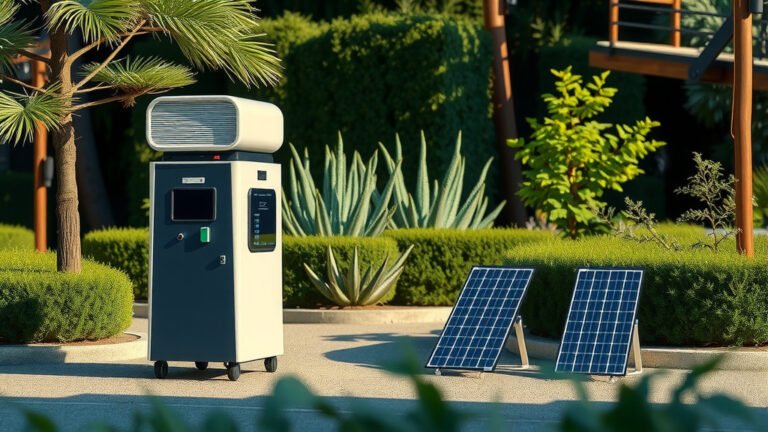
Solar panels give you unlimited power from the sun. A 100W panel can fully charge a 500Wh station in about 6-8 hours of good sunlight.
Portable panels fold up like a briefcase. Set them out while you eat lunch or explore. Free power that never runs out.
Solar Panel Size Guide
Match panel size to your power station. Too small and charging takes forever. Too big and you waste money.
- 500Wh station: 100W panel works well
- 1000Wh station: 200W panel for faster charging
- 1500Wh+ station: 300W+ panel for daily use
Car Charging While Driving
Most stations charge from your car’s 12V outlet. This happens while you drive to the next spot. Smart planning means you arrive with full power.
Car charging is slower than wall outlets. Plan for 4-6 hours of driving to fully charge a 1000Wh station.
Wall Outlet Charging
When you find AC power, use it. Campgrounds, visitor centers, and restaurants often have outlets available.
Wall charging is fastest. Most stations fully charge in 2-4 hours from regular outlets.
Top Power Station Categories for Road Trips
Compact Weekend Warriors (400-600Wh)
These handle basic needs without taking up much space. Perfect for car camping or short adventures.
Look for units with pure sine wave inverters. Your electronics will thank you. Cheap power stations can damage sensitive devices.
What You Can Run
Phone charging for days, laptop work, small LED lights, portable fans, and camera battery charging. Think of it as essential power only.
Mid-Range Travelers (800-1200Wh)
This sweet spot works for most road trippers. Enough power for comfort without breaking your budget or back.
You can run small appliances, multiple devices, and have power left over. Many experts recommend this size for first-time buyers.
Extended Device Use
Run a small cooler for hours, charge multiple laptops, power work setups, and keep phones topped off. You’ll feel less worried about running out of juice.
High-Capacity Explorers (1500Wh+)
These powerhouses handle serious power needs. Think small appliances, medical devices, or working remotely for weeks.
Weight becomes an issue here. Some units hit 35+ pounds. Make sure you can handle moving them around.
Near Home-Level Power
Run coffee makers, small microwaves, power tools, and multiple devices simultaneously. You’ll barely notice you’re off-grid.
Special Road Trip Considerations
Temperature Effects
Extreme heat or cold hurts battery performance. Store your power station in moderate temperatures when possible.
Hot car trunks can damage batteries. Cold weather reduces capacity by 10-20%. Plan accordingly for your climate.
Vibration and Movement
Road vibrations don’t typically hurt modern power stations. But secure them well so they don’t slide around and damage other gear.
Some people use foam padding or cargo nets. Treat it like expensive camera equipment.
Altitude and Environment
High altitude reduces air cooling efficiency. If you’re mountain camping, give your power station extra ventilation space.
Dust and moisture are bigger concerns. Keep intake vents clean and avoid wet conditions.
Budget Planning for Your Setup
Entry Level ($300-600)
Gets you 400-600Wh capacity with basic features. Good for testing if you like portable power before investing more.
Add a small solar panel for another $100-200. Total setup under $800.
Mid-Range Sweet Spot ($600-1200)
Best value zone for most people. You get 800-1200Wh, better build quality, and more features.
Include solar panels and accessories, budget $1000-1500 total. This setup handles years of road trips.
Premium Power ($1200+)
High capacity, fast charging, premium features, and longer warranties. Built for heavy use and harsh conditions.
With solar and accessories, expect $2000-3000+. Only worth it if you travel frequently or need maximum power.
Making Your Final Decision
Start with your power needs, not the coolest features. Calculate what you actually use, then add 50% buffer.
Consider your vehicle space and lifting ability. A perfect power station that doesn’t fit helps nobody.
Think about your charging options. Solar panels extend your freedom but add cost and complexity.
From what I found online, most road trippers end up wishing they’d bought slightly more capacity than they first calculated. It’s easier to have extra power than to manage constantly running low.
Conclusion
The best portable power station for your road trips matches your actual needs, fits your budget, and works with your travel style. Most people find success with 800-1200Wh capacity, LiFePO4 batteries, and solar charging capability.
Start by calculating your real power needs, then choose a station with 50% extra capacity. Add solar panels if you’ll be away from charging sources for days. Remember that a good power station investment pays off trip after trip, giving you freedom to explore without worrying about dead devices.
Your perfect setup might take some trial and adjustment. But having reliable portable power transforms road trips from device-management stress into true adventure freedom.
What size solar panel do I need for my portable power station?
Match your solar panel to about 10-20% of your power station’s capacity. A 1000Wh station works well with a 100-200W panel. Larger panels charge faster but cost more and take up more space in your vehicle.
Can I charge my power station while driving?
Yes, most power stations charge from your car’s 12V outlet while driving. Expect 4-6 hours of driving to fully charge a 1000Wh unit. This keeps your power station topped off as you travel between destinations.
How long do portable power station batteries last?
LiFePO4 batteries typically last 3000+ charge cycles, which equals 8-10 years of regular use. Standard lithium batteries last 500-800 cycles or about 2-3 years. The extra cost of LiFePO4 pays off for frequent travelers.
What appliances can I NOT run with a portable power station?
Avoid high-wattage heating devices like hair dryers, electric heaters, or large microwaves. Most portable stations max out at 1000-2000W output. Stick to phones, laptops, small coolers, LED lights, and similar low-power devices.
Should I leave my power station plugged in all the time when not traveling?
No, store your power station at 50-80% charge for long periods. Fully charged batteries sitting unused can degrade faster. Charge to 100% right before your trip and recharge every 3-6 months during storage.