
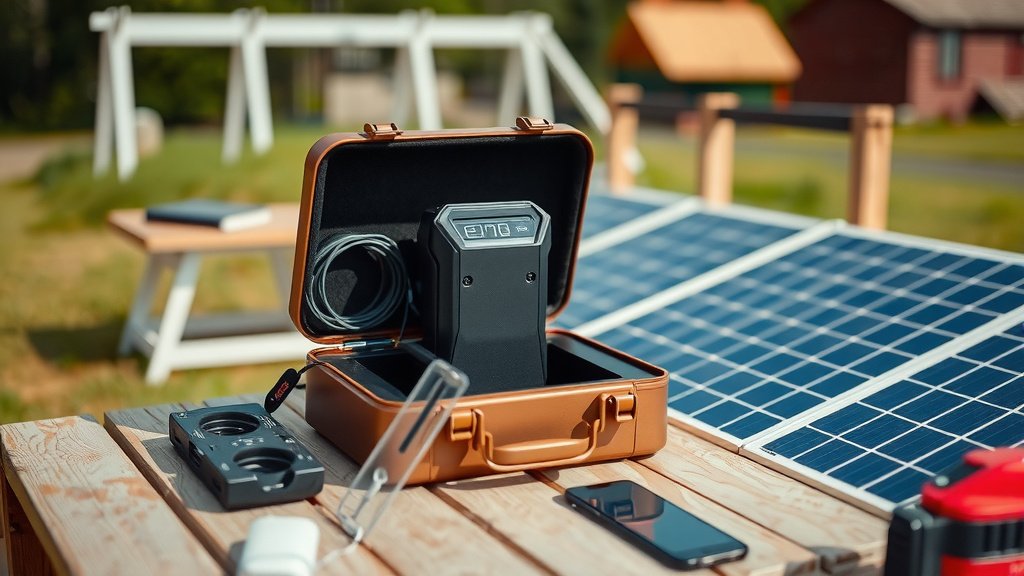
To carry a portable power station safely, use both hands or a proper carrying case, keep the unit upright, and avoid dropping or shaking it during transport.
Always check the weight capacity of your lifting ability before moving larger units, and never carry a damaged power station that shows signs of swelling, leaks, or overheating.
Why Safe Carrying Matters for Your Power Station
Your portable power station contains lithium batteries and sensitive electronics. Think of it like carrying a laptop and a car battery combined. One wrong move can damage expensive components or create safety risks.
I researched common accidents with portable power stations. Most happen during transport when people drop units or carry them incorrectly. The good news? These accidents are totally preventable.
Weight Categories You Need to Know
Portable power stations come in different weight classes. Each requires different carrying strategies.
Light Units (Under 15 Pounds)
These smaller stations are easy to carry with one hand. But you should still use both hands when possible. Why? Better control means less chance of accidents.
Medium Units (15-40 Pounds)
This is where things get tricky. You can technically lift 40 pounds with one hand. But should you? Not with expensive electronics inside.
Heavy Units (Over 40 Pounds)
These units demand respect. Many weigh 60-100 pounds or more. You need proper lifting techniques and possibly help from another person.
Pre-Transport Safety Checks
Before you pick up your power station, take 30 seconds to check these items. This simple step prevents most carrying accidents.
Visual Inspection Points
- Look for cracks in the housing
- Check that all ports are covered or protected
- Make sure the display shows normal readings
- Verify the handle feels secure if your unit has one
Battery Status Check
Never transport a power station that shows error messages or unusual battery readings. I found that damaged batteries can be dangerous during movement.
If your unit feels unusually hot or shows swelling, don’t move it at all. Contact the manufacturer instead.
Proper Lifting Techniques
Your back will thank you for following these lifting rules. Plus, you’ll protect your investment at the same time.
The Two-Hand Rule
Always use both hands when lifting any power station over 10 pounds. This gives you better control and reduces strain on your body.
Grip the unit firmly on opposite sides. If your model has a handle, use it as your primary grip point but keep your other hand supporting the base.
Lift with Your Legs
Bend your knees, not your back. Keep the power station close to your body as you stand up. This technique works whether you’re lifting a 20-pound unit or an 80-pound monster.
The Close-Carry Method
Hold the power station against your body while walking. Don’t carry it away from your torso like a suitcase. This reduces fatigue and gives you better balance.
Choosing the Right Carrying Method
Different situations call for different carrying approaches. Here’s what works best for each scenario.
Short Distance Carries
For trips under 50 feet, direct carrying usually works fine. Use proper lifting form and take your time.
But even short carries can go wrong. I heard from experts who say most accidents happen within the first 20 feet of movement.
Long Distance Transport
Anything over 100 feet needs a different strategy. Consider these options:
- Rolling cart or dolly
- Wheeled carrying case
- Two-person carry for heavy units
- Vehicle transport for very long distances
Cart Selection Tips
Not every cart works well with power stations. Look for one with a flat surface and sides to prevent sliding. Four wheels work better than two for stability.
Protecting Your Investment During Transport
Power stations cost hundreds or thousands of dollars. A little extra protection during carrying pays off.
Carrying Cases and Bags
Many manufacturers sell custom carrying cases. These offer padding and better grip points. Worth the investment for units you move frequently.
If you can’t find an official case, look for padded tool bags or equipment cases that fit your unit’s dimensions.
DIY Protection Methods
You can create protection with items you already own. Blankets or towels work for padding. Just make sure they don’t cover ventilation areas.
Strap and Secure Loose Parts
Some power stations have removable cables or accessories. Secure these before carrying so they don’t fall out and get damaged.
Environmental Considerations
Where you’re carrying your power station affects how you should do it.
Indoor Carrying
Watch for furniture edges, doorways, and stairs. Power stations are wider than most things you carry regularly.
Take extra care around stairs. The weight distribution can throw off your balance.
Outdoor Carrying
Uneven ground changes everything. Grass, gravel, and dirt paths require slower, more careful movement.
Wet conditions add slip risks. Consider waiting for better weather or using extra grip aids on your shoes.
Temperature Effects on Carrying
Extreme cold makes plastic housings more brittle. Hot weather can affect battery performance. Factor these into your carrying plans.
Common Carrying Mistakes to Avoid
I researched accident reports and found these mistakes happen repeatedly.
The One-Hand Trap
Just because you can lift something with one hand doesn’t mean you should. Power stations have awkward weight distribution that can surprise you.
Rushing the Process
Taking an extra 30 seconds to position yourself properly prevents hours of dealing with damage claims.
Ignoring Your Physical Limits
Know when to ask for help. There’s no shame in getting assistance with heavy units.
Special Situations
Some carrying scenarios need extra attention.
Carrying While Charging
Don’t do this. Unplug everything before moving your power station. Cables can catch on objects and cause falls or damage.
Moving Connected Devices
Disconnect all devices before carrying. Even lightweight tablets or phones can shift during transport and damage ports.
Emergency Carrying Situations
Sometimes you need to move a power station quickly. Still follow basic safety rules, but prioritize getting away from immediate danger.
Maintenance After Carrying
Once you reach your destination, take a moment to check your power station.
Post-Transport Inspection
Look for any new damage or loose components. Test basic functions before connecting important devices.
Let the unit sit for a few minutes before heavy use, especially if you carried it in cold weather.
Conclusion
Carrying your portable power station safely comes down to preparation, proper technique, and respecting the weight involved. Use both hands when possible, check for damage before and after transport, and don’t rush the process. Remember that these units contain sensitive electronics and batteries that need careful handling. With the right approach, you can move your power station confidently without risking damage or injury. The few extra seconds you spend using proper carrying techniques will save you from expensive repairs and potential safety issues down the road.
How often should I inspect my power station before carrying it?
Check your power station before every transport, especially if it hasn’t been used recently. Look for physical damage, unusual heat, swelling, or error messages on the display. This 30-second inspection can prevent serious safety issues.
Can I use a regular luggage cart to transport my power station?
Most luggage carts work fine for smaller power stations under 30 pounds. For heavier units, choose a cart with four wheels and a flat surface. Make sure the cart can handle the weight and has some way to prevent the unit from sliding off.
Is it safe to carry a power station in cold weather?
Yes, but take extra precautions. Cold temperatures make plastic housings more brittle and can affect battery performance. Allow the unit to warm up gradually before use, and handle it more gently than usual during transport.
What’s the maximum distance I should carry a power station by hand?
For units under 25 pounds, hand carrying up to 100 feet is usually manageable. Heavier units should be hand-carried only short distances of 20-50 feet maximum. Beyond that, use a cart or get help from another person.
Should I remove the battery before transporting my power station?
No, most portable power stations have built-in batteries that aren’t designed for user removal. Attempting to remove internal batteries can void your warranty and create safety hazards. Transport the complete unit as designed by the manufacturer.
