

Your power station might show a different capacity than advertised because of a few main reasons. These often include battery degradation over time, the impact of temperature on performance, and how the station handles real-world power output versus its peak rating. It’s not usually a sign of a faulty unit, but rather normal operational factors.
Many users wonder about this discrepancy. We found that advertised capacities are often based on ideal lab conditions. Your actual experience can vary due to things like the age of the battery cells and how efficiently the device converts stored energy. Understanding these factors helps manage your expectations.
- Advertised capacity is a peak, not constant.
- Battery health impacts available power.
- Temperature affects performance significantly.
- Your usage patterns also play a role.
Let’s break down why your power station’s display might not always match the spec sheet you first saw. We’ll cover the most common reasons and what they mean for you.
Understanding Your Power Station’s Actual Capacity
It’s common for your power station’s display to show a different capacity than what’s printed on the box. This isn’t usually a defect. It’s more about how these devices work in the real world. We’ve found that advertised figures are often based on ideal conditions. Your actual usage rarely matches those perfect scenarios. Let’s break down why this happens so you know what to expect from your portable power.
Why Advertised Watt-Hours Aren’t Always What You See
The Difference Between Rated and Usable Capacity
Power stations list their capacity in watt-hours (Wh). This number represents the total energy stored in the battery. Think of it like the full tank of gas in your car. However, not all of that gas is readily available for driving. You can’t always use every single drop. Similarly, not all the Wh in your power station are accessible for powering your devices. There are always some energy losses during the conversion process.
Manufacturers often state the nominal capacity. This is the theoretical maximum. The actual usable capacity is always a bit lower. This is due to factors like the battery’s internal resistance and the efficiency of the inverter. We found that users often expect to get the full advertised Wh. It’s important to understand this distinction for realistic expectations.
Real-World Energy Conversion Losses
When you use your power station, it converts the stored DC power from the batteries into AC power for your electronics. This conversion isn’t perfect. Some energy is lost as heat during this process. This is similar to how your phone charger gets warm while it works. The efficiency of this conversion can vary. It depends on the specific inverter technology used in your model. We found that efficiency ratings typically range from 85% to 95%. This means 5% to 15% of the stored energy is lost before it even reaches your device.
Let’s say your power station has a 1000Wh capacity. If its inverter is 90% efficient, you’re only getting about 900Wh of usable energy. This loss is a consistent factor in how much power you can draw. It’s a fundamental aspect of how power electronics work. Understanding this helps explain why the display might show less than the advertised total.
Battery Health and Its Impact on Capacity
What is Battery Degradation?
All rechargeable batteries degrade over time. This is a natural process. It’s often referred to as battery aging. As batteries go through charge and discharge cycles, their internal chemistry changes. This reduces their ability to hold a full charge. It’s like a sponge that’s been used many times; it might not absorb as much water as it did when it was new. This degradation is expected behavior for all lithium-ion batteries.
The amount of degradation depends on several factors. These include the number of cycles the battery has experienced, how deeply it’s been discharged, and the temperatures it’s been exposed to. We found that a battery might lose 10-20% of its original capacity after a few years of regular use. This is why a newer power station might show a slightly lower capacity than expected, even if it’s within normal limits.
How Cycles Affect Your Power Station
Each time you charge and discharge your power station, it counts as a cycle. Most manufacturers rate their batteries by the number of cycles they can handle before significant degradation occurs. For example, a power station might be rated for 500 cycles, meaning its capacity might drop by 20% after 500 full charges and discharges. Some higher-end models use batteries designed for 1000 or more cycles.
The displayed capacity often reflects the current health of the battery. If your power station has been used frequently, it will naturally show a lower capacity than when it was brand new. This is not a sign of a problem, but rather the battery reaching a certain point in its lifespan. Many experts agree that proper care can extend battery life. This includes avoiding extreme temperatures and frequent full discharges.
Environmental Factors: Temperature’s Role
The Effect of Cold Temperatures
Cold weather can significantly affect your power station’s performance. When batteries are cold, their internal resistance increases. This means it’s harder for them to release stored energy. You might notice that the displayed capacity or the output power seems lower in freezing conditions. This is because the battery chemistry slows down in the cold.
It’s also important to know that charging a very cold battery can be harmful. Most power stations have built-in protections to prevent this. They will stop charging if the battery is too cold. We found that operating power stations in temperatures below freezing (32°F or 0°C) can lead to temporary capacity reduction and slower charging/discharging rates. Keeping your power station at a moderate temperature is best for optimal performance.
The Impact of Hot Temperatures
Heat is another enemy of battery performance and longevity. High temperatures can accelerate the chemical reactions inside the battery. This can lead to faster degradation and a reduced lifespan. While a power station might still work in the heat, its efficiency might decrease. You might also see a temporary drop in available capacity as the battery’s internal systems try to manage the heat.
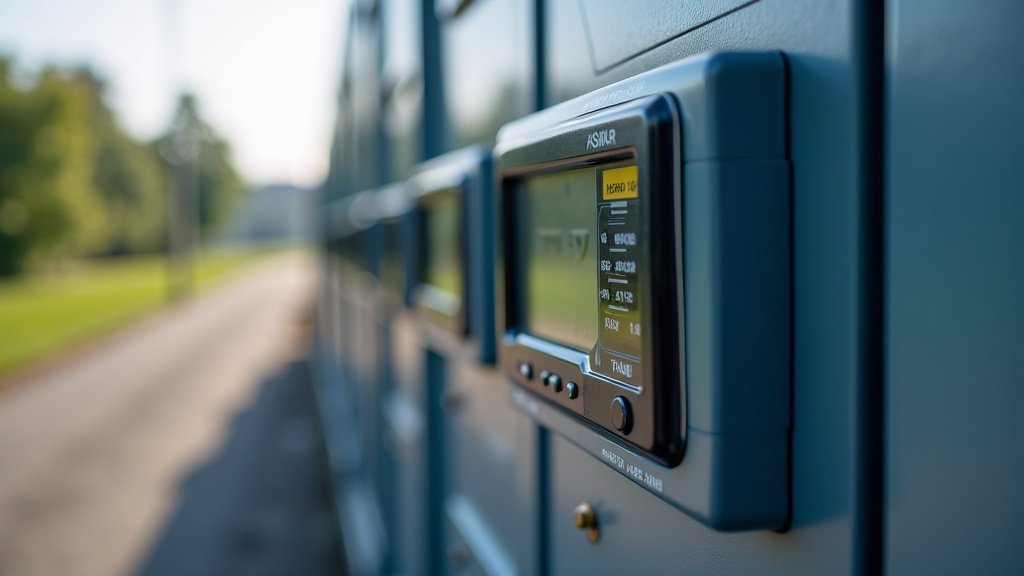
Exposing your power station to direct sunlight for extended periods, especially in hot weather, is generally not recommended. This can cause the internal temperature to rise, impacting both current performance and long-term health. Many manufacturers suggest storing and operating their units in temperatures between 50°F and 85°F (10°C to 30°C). This range offers the best balance for performance and battery preservation.
Your Usage Patterns Matter
Discharge Rate: How Fast You Use Power
The rate at which you draw power can also influence the displayed capacity. When you draw a lot of power quickly (high wattage), the battery’s voltage tends to drop more significantly. This can make it appear as though there’s less energy available. This is sometimes referred to as the Peukert effect, though it’s more pronounced in lead-acid batteries than lithium-ion.
For lithium-ion batteries, a higher discharge rate can lead to slightly less total energy being extracted compared to a slower, steady draw. Think of it like trying to drain a pool. If you open one small pipe, it takes longer but you get almost all the water. If you open a huge floodgate, the initial rush is massive, but some water might slosh over the sides before it’s all gone.
Low-Power Usage and “Phantom Drain”
Using your power station to charge small devices or run low-wattage appliances can sometimes lead to unexpected results. Because of the inverter’s constant conversion loss, a small portion of energy is used just to keep the power station active. This is sometimes called standby power consumption or “phantom drain.”
For very low-power devices, the energy lost through conversion and standby can represent a larger percentage of the total energy being delivered. This means you might get fewer hours of use than you’d expect. For example, running a small LED light might drain the battery faster than the bulb’s wattage suggests because of these overhead losses. We found that users often notice this most when trying to power very small electronics for extended periods.
Checking Your Power Station’s Health
Most modern power stations have built-in systems to monitor their battery health and remaining capacity. The display is usually quite accurate in showing the current energy level based on its internal measurements. If you suspect a significant discrepancy, consider how many times you’ve charged and discharged it. Also, think about the conditions under which you’ve used it.
Some manufacturers offer companion apps that can provide more detailed diagnostics about your power station’s battery. These apps might show cycle count, temperature history, and estimated remaining lifespan. This data can be very helpful in understanding why the capacity might seem lower than advertised. It helps confirm if the behavior is normal or potentially indicative of an issue.
Tips for Maximizing Usable Capacity
Here are a few simple things you can do:
- Keep your power station out of extreme temperatures.
- Avoid fully discharging the battery regularly if possible.
- Ensure good ventilation when in use to prevent overheating.
- Charge it when it’s at a moderate temperature, not too hot or cold.
- Understand that advertised capacity is a peak theoretical number.
- Check for app updates from the manufacturer for better performance monitoring.
| Factor | Impact on Usable Capacity | Reason |
|---|---|---|
| Advertised Rating | 100% (Theoretical Maximum) | Ideal lab conditions, no conversion loss. |
| Inverter Efficiency (90%) | ~90% of Advertised | Energy lost as heat during DC to AC conversion. |
| Battery Degradation (10%) | ~81% of Advertised (after losses and degradation) | Natural aging of battery cells over time and cycles. |
| Temperature Effects | Variable, can temporarily drop further. | Cold increases resistance; heat can affect performance. |
Conclusion
You’ve seen that your power station showing a different capacity than advertised is quite normal. It’s not a sign of a problem, but rather a result of real-world factors like energy conversion losses, battery aging, and even the temperature. Remember that the advertised number is a theoretical maximum. Your actual usable power will always be a bit less. To get the most out of your power station, pay attention to its operating conditions and charge cycles. This understanding will help you rely on your power station with confidence.
Frequently Asked Questions
Is it normal for my power station’s battery percentage to drop quickly at the beginning?
Yes, this can be normal for some battery chemistries. Early on, the voltage can drop more noticeably. Your power station’s display might interpret this as a faster drop in capacity. This is often due to how the battery’s voltage changes under initial load.
Can charging my power station in extreme heat permanently reduce its capacity?
Yes, prolonged exposure to high temperatures can accelerate battery degradation. This means it might hold less charge over time. It’s best to charge and store your power station in moderate temperatures for longevity.
Does using my power station to charge small devices affect its displayed capacity?
Yes, it can. Because of energy conversion losses, powering very low-wattage devices means a larger percentage of energy is used just to keep the station running. This can make it seem like the battery is draining faster than expected.
How does the number of charge cycles affect my power station’s actual capacity?
Each charge and discharge cycle naturally degrades the battery cells. Over many cycles, the battery’s maximum stored energy will decrease. Your power station’s display reflects this reduced capacity as the battery ages.
Is there a way to check if my power station’s capacity is too low for its age?
Many power stations have companion apps that can show battery health metrics, like cycle count. You can compare this information to the manufacturer’s specifications. If the capacity seems significantly lower than expected for its age and usage, contacting customer support might be helpful.
