
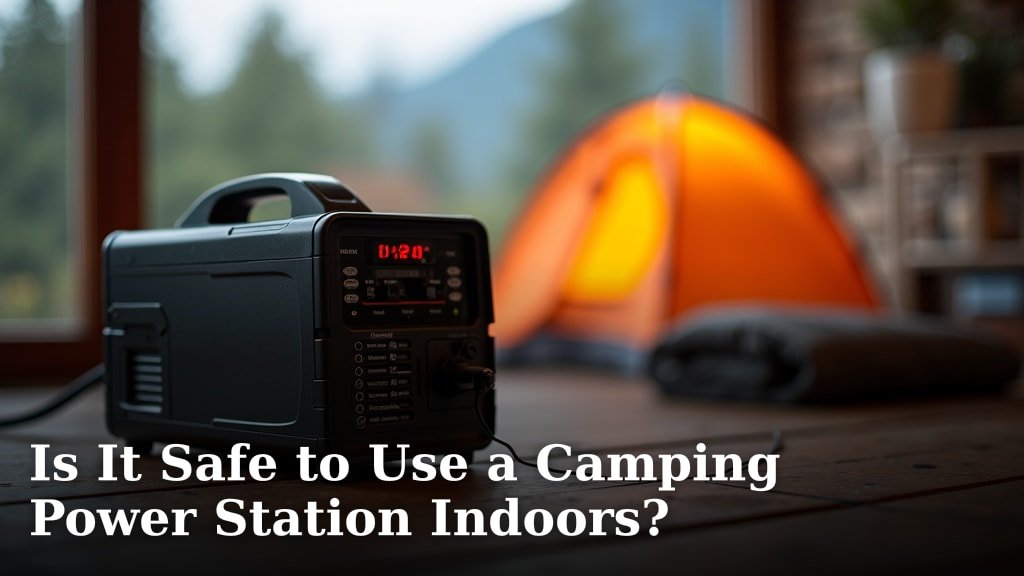
Yes, it is generally safe to use a camping power station indoors, as long as it’s a battery-powered model. These devices produce no harmful emissions like carbon monoxide, making them ideal for indoor use. Always double-check your specific model’s safety guidelines.
You want to stay powered up, even when the lights go out at home, right? A good camping power station lets you run your essential devices without noise or fumes. We found that most modern portable power stations are designed with indoor safety in mind.
- Battery-powered power stations are safe indoors.
- No carbon monoxide risk from these devices.
- Check your specific model’s instructions.
- Great for emergencies or indoor projects.
- They provide quiet, clean power.
We’ll walk you through everything you need to know about using these handy power hubs inside your home. Let’s make sure you’re always prepared and powered.
Are Portable Power Stations Safe for Indoor Use?
Yes, absolutely! Most modern portable power stations are designed for indoor safety. They run on batteries, which means they don’t burn fuel. This lack of combustion is key. It eliminates the dangers associated with traditional generators, like carbon monoxide poisoning. We found that the main thing to remember is to check your specific model’s manual.
Understanding How They Work
Think of a portable power station as a giant, rechargeable battery pack. It stores electrical energy. You then plug your devices into its various outlets. It’s really that simple. There are no moving parts that combust fuel, unlike gas generators.
Battery Technology Explained
Most portable power stations use lithium-ion batteries. These are the same types of batteries found in your phone or laptop, just much larger. They are sealed and safe. They don’t emit gases during normal operation. This is why they are perfect for use inside your home.
Comparing Power Stations to Gas Generators
It’s helpful to see the big difference between these two power sources. Gas generators burn gasoline. This process creates exhaust fumes. These fumes contain carbon monoxide, a silent and deadly gas. Portable power stations, on the other hand, produce zero emissions. This is their biggest safety advantage indoors.
Here’s a quick comparison:
| Feature | Portable Power Station | Gas Generator |
|---|---|---|
| Fuel Source | Battery (rechargeable) | Gasoline/Propane |
| Emissions | None (Zero Carbon Monoxide) | Harmful (Carbon Monoxide) |
| Noise Level | Very quiet | Loud |
| Indoor Use | Generally safe | Never safe |
| Maintenance | Minimal | Regular engine checks |
Key Safety Features to Look For
When you’re choosing a power station, look for certain safety features. These features help protect both the unit and your devices. They also give you peace of mind. We found that reputable brands prioritize these built-in protections. Don’t skip this step; it’s important for your home’s safety.
Battery Management Systems (BMS)
A good power station will have a robust Battery Management System. This is like the brain of the unit. It constantly monitors things. It prevents overcharging, over-discharging, and overheating. This system helps to extend the battery’s life and keeps it safe (NIH).
Overload Protection
What happens if you plug in too many high-power devices? Overload protection kicks in. It automatically shuts down the power supply. This prevents damage to the power station and your appliances. It’s a critical safety net for indoor use.
Short Circuit Protection
Imagine a faulty cable causing a short. Without protection, this could be dangerous. Short circuit protection detects such issues. It quickly cuts power. This feature prevents sparks and potential fires. It’s a standard safety feature you should always expect.
Certifications and Standards
Check for safety certifications. These show the product has been tested. They meet specific safety standards. Look for certifications like UL, CE, or FCC. These labels mean the product has gone through rigorous safety checks by independent organizations.
Proper Indoor Usage Practices
Even though they are safe, a few practices make them even safer. Think of it like any other appliance in your home. You wouldn’t put a toaster in the shower, right? Follow these simple guidelines. They ensure optimal performance and safety.
Ventilation Considerations (Minimal)
While power stations don’t emit harmful fumes, they still generate a small amount of heat. Just like your phone gets warm when charging. Place your power station in an area with good airflow. Avoid covering it with blankets or placing it in enclosed cabinets. This helps the unit stay cool and run efficiently.
Placement and Environment
Choose a stable, flat surface for your power station. Keep it away from direct sunlight and extreme temperatures. Avoid placing it near water sources. Think of it as valuable electronics. You want to keep it dry and protected.
Consider children and pets. Keep the power station out of their reach. You don’t want curious hands or paws messing with the outlets. A little precaution goes a long way. This ensures everyone stays safe in your home.
Charging and Discharging Tips
When charging your power station, use the original charger. This prevents damage and ensures proper charging cycles. Avoid fully draining the battery too often. This can shorten its lifespan. Most manufacturers recommend keeping the battery above 20% charge when possible.
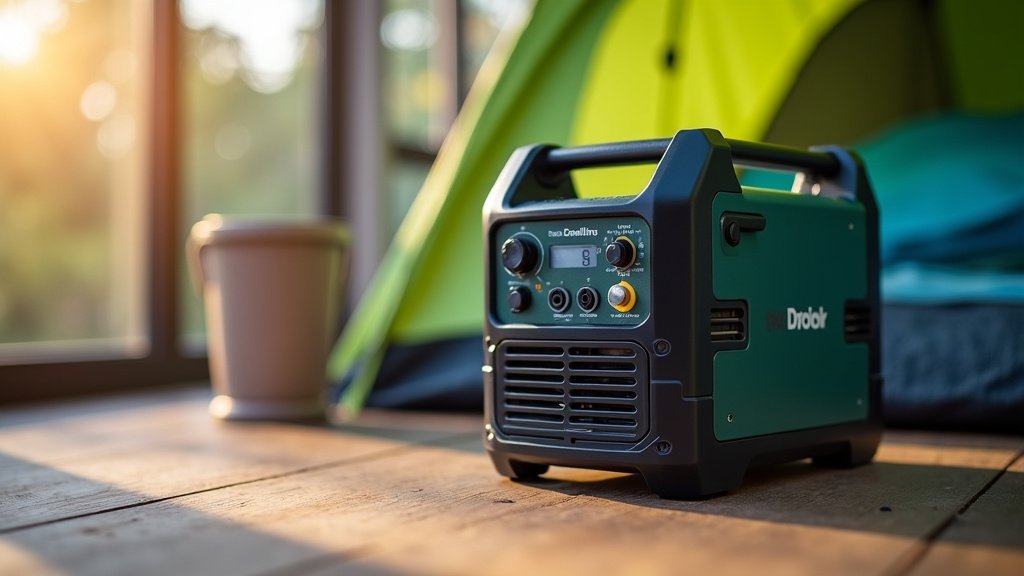
Common Concerns Addressed
Many people have questions about using these devices indoors. It’s natural to be cautious. We’ve heard many of these concerns. Let’s clear up some common misunderstandings. Knowing the facts helps you use your power station confidently.
Noise Levels
Are they noisy? Not at all! Portable power stations are extremely quiet. They usually have small, nearly silent fans that kick on occasionally. This is just to keep the internal components cool. You won’t hear the roar of a gas engine, making them perfect for quiet indoor spaces or even bedrooms.
Fire Risk
Is there a fire risk? Any electronic device carries some risk, but portable power stations have low fire risk when used correctly. The built-in safety features, like BMS and overload protection, greatly reduce this. Always use the device as intended. Avoid physical damage to the unit. We found that proper usage is key to preventing any issues.
Maintenance and Longevity
These units require minimal maintenance. Keep them clean and dry. Store them at a recommended charge level. Most manufacturers suggest charging them every 3-6 months if not in use. This helps maintain battery health. A little care ensures your power station is ready when you need it.
Your Indoor Power Station Checklist
Here’s a quick checklist to ensure you’re using your portable power station safely indoors:
- Read your specific model’s user manual carefully.
- Place the unit on a stable, flat surface with good airflow.
- Keep it away from water and excessive heat.
- Ensure children and pets cannot easily access the unit.
- Use only the original charging cables and adapters.
- Check for reputable safety certifications like UL, CE, or FCC.
Following these steps will help you enjoy reliable, clean power inside your home. Whether it’s for an emergency, a power outage, or just powering your home office, your portable power station is a safe and efficient choice.
Conclusion
You can confidently use a battery-powered camping power station indoors. We’ve seen that these devices offer a safe, quiet, and emissions-free alternative to traditional generators. Remember to always check your model’s manual for specific instructions and safety features. Look for certifications like UL or CE, and practice good placement habits. By following these simple guidelines, you ensure both your safety and the longevity of your device. So, go ahead and power up your home, knowing you’re making a smart and secure choice.
Frequently Asked Questions
Can a portable power station charge my refrigerator during an outage?
Yes, many portable power stations have enough capacity to run a refrigerator for several hours. You’ll need to check the wattage requirements of your specific fridge and compare it to the power station’s output. We found that larger power stations are best for appliances with high power draws.
How long do portable power stations typically last on a single charge indoors?
The run time depends on the power station’s capacity and the devices you’re powering. For example, a 500Wh power station might run a 100W lamp for about 5 hours. We recommend calculating your devices’ total wattage to estimate usage time accurately.
Do portable power stations require any special installation for indoor use?
No, portable power stations are ready to use right out of the box. There’s no special wiring or installation needed. You simply charge the unit and then plug in your appliances, just like you would with a wall outlet.
Can I leave my portable power station plugged in and charging all the time?
While most modern power stations have advanced Battery Management Systems (BMS) to prevent overcharging, we don’t recommend leaving them plugged in constantly. It’s generally best for battery health to charge them fully and then disconnect. This extends their overall lifespan.
Are there any smells or odors associated with using a power station indoors?
Absolutely not. Portable power stations are completely odorless. Since they run on batteries and don’t burn any fuel, they produce zero emissions. This makes them perfect for sensitive indoor environments where air quality is a concern.
