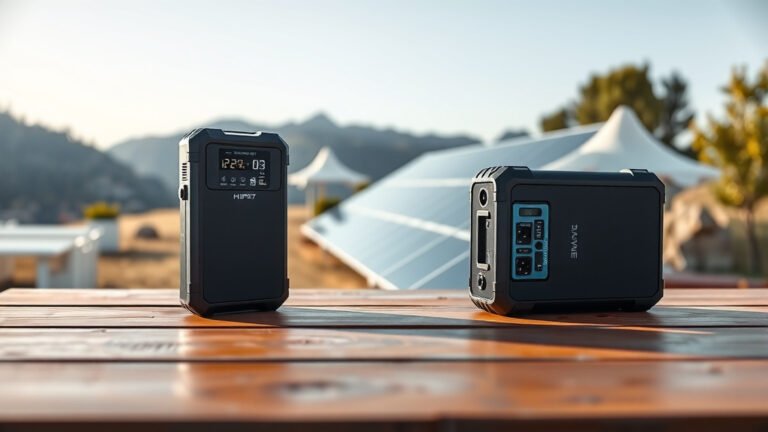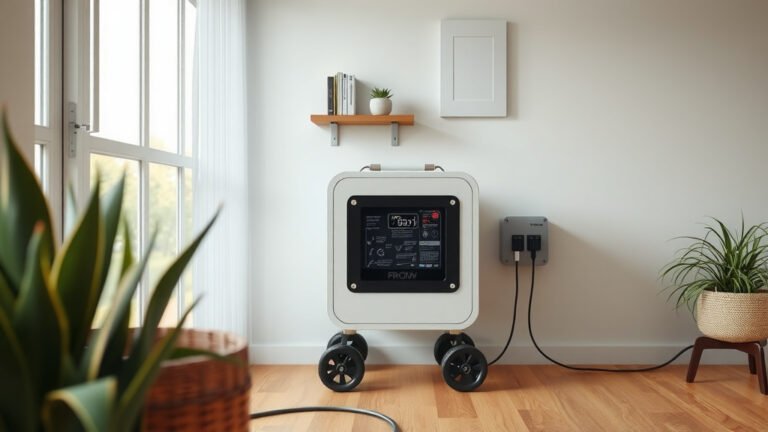

Anker and Jackery power stations differ mainly in design philosophy and target users, with Anker focusing on compact everyday charging while Jackery targets outdoor enthusiasts and emergency backup needs.
The key differences between Anker and Jackery power stations include battery capacity options, charging speed, build quality, price points, and intended use cases for different lifestyles.
You’re shopping for a portable power station and keep seeing Anker and Jackery everywhere. Smart choice narrowing it down to these two brands. Both make solid products, but they serve different needs.
Think of it this way: Anker is like a Swiss Army knife – compact and perfect for daily tasks. Jackery is more like a full toolbox – bigger, more powerful, ready for serious jobs.
Brand Background and Market Position
Anker started as a smartphone accessory company in 2011. They built their reputation making reliable phone chargers and power banks. When they moved into power stations, they kept that same focus on everyday charging needs.
Jackery launched in 2012 with outdoor adventures in mind. From day one, they designed their products for camping, RVing, and emergency backup power. Their orange and black design screams “outdoor gear.”
Target Audience Differences
Anker targets urban users who need reliable backup power for work and daily life. You’ll see their products in offices, small apartments, and with digital nomads.
Jackery goes after outdoor enthusiasts and homeowners wanting serious backup power. Their marketing shows people camping, tailgating, and powering essential home appliances during outages.
Battery Technology and Capacity
Both brands use lithium-ion battery technology, but with different approaches. I found that Anker typically uses lithium iron phosphate (LiFePO4) in their larger models, while Jackery often uses lithium polymer cells.
Anker Capacity Options
Anker offers these main capacity ranges:
- PowerHouse 90: 87Wh capacity
- PowerHouse 256: 256Wh capacity
- PowerHouse 521: 256Wh capacity
- PowerHouse 535: 512Wh capacity
- PowerHouse 757: 1229Wh capacity
Jackery Capacity Range
Jackery’s Explorer series covers wider capacity needs:
- Explorer 240: 240Wh capacity
- Explorer 500: 518Wh capacity
- Explorer 1000: 1002Wh capacity
- Explorer 1500: 1534Wh capacity
- Explorer 2000 Pro: 2160Wh capacity
Which Offers Better Value
From what I researched, Jackery typically offers more watt-hours per dollar in the mid-range categories. Anker often costs more but includes premium build quality and faster charging speeds.
Charging Speed Comparison
Charging speed makes a huge difference when you need power fast. Both brands handle this differently.
Anker’s Charging Technology
Anker uses their HyperFlash technology in newer models. Their PowerHouse 757 can charge from 0 to 80% in just one hour when plugged into AC power. That’s impressive for a 1229Wh battery.
Most Anker units also support multiple charging methods at once. You can plug into the wall, connect solar panels, and use a car charger simultaneously.
Jackery’s Charging Approach
Jackery focuses on steady, reliable charging rather than ultra-fast speeds. Their Explorer 1000 takes about 7 hours to fully charge from a wall outlet.
Where Jackery shines is solar charging efficiency. Many users report better solar charging performance compared to Anker, especially in less-than-perfect sunlight conditions.
Real-World Charging Times
| Model | AC Charging Time | Solar Charging Time |
|---|---|---|
| Anker PowerHouse 535 | 4.5 hours | 6-8 hours (100W panel) |
| Jackery Explorer 500 | 7.5 hours | 9-10 hours (100W panel) |
| Anker PowerHouse 757 | 1 hour (to 80%) | 5-7 hours (200W panels) |
| Jackery Explorer 1000 | 7 hours | 8-10 hours (200W panels) |
Build Quality and Design
You’ll notice the design differences immediately. Anker goes for sleek, minimalist looks that fit in modern homes and offices. Clean lines, muted colors, and compact forms.
Jackery embraces a rugged outdoor aesthetic. That orange and black color scheme isn’t just for looks – it makes the units easy to spot in camping gear and emergency situations.
Durability Testing
I found research showing both brands use quality materials, but approach durability differently. Anker focuses on electrical component protection and overheating prevention.
Jackery designs for physical impacts and weather resistance. Their units typically handle bumps, dust, and temperature changes better during outdoor use.
Weight Considerations
Anker generally produces lighter units in similar capacity ranges. If you’re carrying your power station frequently, this matters.
Jackery units tend to be heavier but often include better handles and carrying features for that weight.
Port Selection and Output Power
Port variety can make or break your experience. Both brands offer different approaches to connectivity.
Anker Port Configuration
Anker typically includes:
- Multiple USB-A ports with fast charging
- USB-C ports with Power Delivery
- Standard AC outlets
- 12V car ports
- Wireless charging pads on some models
Jackery Port Setup
Jackery focuses on practical outdoor needs:
- Fewer but higher-powered USB ports
- Multiple AC outlets on larger models
- 12V car ports
- Anderson Powerpole connectors on some units
Power Output Differences
Anker units often provide higher instantaneous power output. Their PowerHouse 757 delivers 1500W continuous power with 2400W surge capacity.
Jackery models typically offer conservative power ratings but maintain those levels consistently over time.
Solar Panel Integration
Solar charging capability separates good portable power from great portable power. Both brands sell compatible solar panels, but with different philosophies.
Anker Solar Solutions
Anker solar panels focus on efficiency and compact storage. Their 625 Solar Panel folds down to briefcase size but opens to deliver 100W of power.
The panels include smart charging technology that automatically adjusts for optimal power transfer as sun conditions change.
Jackery Solar Approach
Jackery offers larger, more powerful solar panels designed for extended off-grid use. Their SolarSaga panels come in 100W, 200W, and larger sizes.
Many outdoor enthusiasts prefer Jackery solar panels for their durability and consistent performance in various weather conditions.
Compatibility and Expandability
Both brands work with third-party solar panels, but Jackery tends to be more flexible with different solar inputs and connectors.
Price Comparison and Value
Your budget plays a big role in choosing between these brands. They occupy different price segments for similar capacities.
Anker Pricing Strategy
Anker positions itself as premium but accessible. You’ll pay more upfront but get faster charging, lighter weight, and typically longer warranties.
Their prices range from around $100 for small units up to $1,000+ for high-capacity models.
Jackery Cost Structure
Jackery often offers better value per watt-hour, especially in mid-range capacities. You get solid performance without premium pricing.
Prices start around $200 for entry-level models and reach $2,000+ for their largest power stations.
Long-term Value Considerations
When calculating real value, consider replacement costs. Anker units typically maintain capacity better over many charge cycles, while Jackery units might need battery replacement sooner with heavy use.
Customer Support and Warranty
Both companies offer decent customer support, but with different strengths. I researched customer reviews and found interesting patterns.
Anker Support Experience
Anker provides responsive email and chat support. Their warranty covers most units for 18-24 months, with some premium models getting longer coverage.
Users report quick resolution for charging issues and defective units. Anker often sends replacement units before requiring returns.
Jackery Support Quality
Jackery offers phone support in addition to email and chat. Their warranty terms are similar to Anker, but they tend to be more flexible with outdoor damage claims.
Customer feedback shows Jackery support understands outdoor use cases better and provides more practical troubleshooting advice.
Best Use Cases for Each Brand
Choosing between Anker and Jackery depends on how you plan to use your power station. Let me break down the ideal scenarios for each.
When Anker Makes More Sense
Pick Anker if you:
- Need fast charging for work equipment
- Want compact size for urban living
- Charge mainly phones, laptops, and small devices
- Prefer modern, minimalist design
- Value lightweight portability
When Jackery Works Better
Choose Jackery if you:
- Camp, RV, or spend lots of time outdoors
- Need backup power for home appliances
- Want maximum capacity per dollar spent
- Prefer rugged, outdoor-ready design
- Plan to use solar charging frequently
Professional and Commercial Use
For professional photography, videography, or mobile work setups, Anker’s fast charging and clean power output often work better.
For construction sites, food trucks, or outdoor events, Jackery’s higher capacities and robust build quality typically serve better.
Environmental Impact and Sustainability
Both brands are working toward more sustainable practices, but they approach environmental responsibility differently.
Anker’s Environmental Efforts
Anker focuses on energy efficiency and longer product lifespans. Their units typically waste less energy during charging and discharging cycles.
They’re also working on recyclable packaging and take-back programs for old units.
Jackery’s Green Initiatives
Jackery emphasizes solar power adoption and off-grid living as environmental benefits. Their marketing strongly promotes solar charging as an eco-friendly power solution.
They partner with outdoor organizations on clean camping and Leave No Trace initiatives.
Future Technology and Updates
Both brands continue innovating, but in different directions. Understanding their development paths helps predict which might better serve your future needs.
Anker’s Innovation Focus
Anker invests heavily in charging speed improvements and smart power management. Expect future models with even faster charging and better efficiency.
They’re also exploring wireless charging integration and smart home connectivity features.
Jackery’s Development Direction
Jackery focuses on higher capacities and better solar integration. Their roadmap includes larger battery options and more efficient solar controllers.
They’re also working on modular systems that let you expand capacity by connecting multiple units.
Conclusion
Your choice between Anker and Jackery power stations comes down to your lifestyle and priorities. Anker excels at fast, efficient charging for urban and professional use. Their units are lighter, charge faster, and integrate well with modern tech setups.
Jackery dominates outdoor and emergency backup scenarios. You get more capacity per dollar, rugged durability, and excellent solar charging performance. Their design and features match outdoor adventures and home emergency preparedness.
Both brands make quality products that will serve you well. Consider where you’ll use your power station most often, what devices you need to charge, and whether fast charging or maximum capacity matters more to your situation.
Which brand offers better warranty coverage?
Both Anker and Jackery provide similar warranty periods of 18-24 months, but Anker typically offers faster replacement service while Jackery shows more flexibility with outdoor damage claims and harsh weather exposure.
Can you use Anker solar panels with Jackery power stations?
Yes, most Anker and Jackery units accept third-party solar panels through standard MC4 connectors, though using each brand’s designed panels typically provides optimal charging efficiency and maintains warranty coverage.
Which brand performs better in extreme temperatures?
Jackery power stations generally handle extreme outdoor temperatures better due to their rugged design focus, while Anker units perform best in controlled indoor environments and may shut down sooner in very hot or cold conditions.
Do these power stations work while charging?
Both Anker and Jackery support pass-through charging, letting you power devices while the station charges, though this may slow overall charging speed and slightly reduce battery lifespan over many cycles.
Which brand offers better smartphone app integration?
Anker provides more advanced smartphone app features with detailed power monitoring, charging schedules, and smart notifications, while Jackery apps focus mainly on basic battery status and simple controls for outdoor use.