9 Best Battery Boxes for 12V Lithium Batteries (November 2026)
The best 12V lithium battery boxes include the Attwood 9067-1 Vented Battery Box with Mounting for Group 27 marine batteries, the Camco Double Battery Box for two-battery RV banks, and the Newport Trolling Motor Smart Battery Box Power for lead-acid boat power.
On this page (4 sections)
The best 12V lithium battery box for most lithium boat and RV setups is the SUNAPEX Smart Battery Box, because it supports Group 24, 27 and 31 AGM or lithium batteries and includes protected external power connections. That mix suits buyers who want one enclosure for a trolling motor, small appliances and portable accessories without opening the lid each time.
Choose the ALL-TOP for a DIY power center, the NOCO for a compact Group U1 battery, or HulkGoo for portable fire-retardant storage. Each option answers a different need, so the right pick depends on how the battery will live and how often you will carry it.
Your best choice depends on more than the 12V label. Measure the battery, plan the cable path, decide whether the enclosure will be mounted or carried, and check whether you need ports, ventilation or space for a second battery.
Think about where the box will sit during daily use. A fixed boat or RV battery benefits from a strap, tray or screw mounting that keeps it steady under movement.
A battery that moves between a truck, campsite and garage benefits more from a handle, shoulder strap and a shape that fits in a tight storage space.
Cable access also shapes the decision. External terminals and ports reduce the need to lift a lid on the water or in a compartment.
A plain vented box keeps the setup simple, but you will need to route cables through its openings and reach the terminals yourself.
Ventilation and fire protection pull in different directions. A vented rigid box gives gases a path out and helps limit water entry.
A fire-retardant soft bag adds a layer of protection during storage or charging.
If you are still comparing battery types, start with what is a deep cycle battery. Our guide to the best deep cycle battery box also helps when the battery will live in an RV, boat or off-grid power system.
Measure first, then compare mounting, ports and ventilation. That order prevents a box that looks right on paper but leaves no room for cables, terminals or a secure hold-down.
Our picks at a glance
-
1
 Best for Group 27 marine batteries
Attwood 9067-1 Vented Battery Box with Mounting
9.7/10 our score
See it on Amazon -
2

-
3
 Best for lead-acid boat power
Newport Trolling Motor Smart Battery Box Power
9.5/10 our score
See it on Amazon
- 4
 Check it
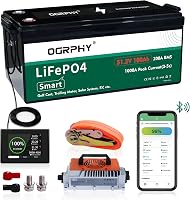
HulkGoo 12V 100Ah LiFePO4 Lithium Battery Fireproof
Best for 100Ah LiFePO4 storage - 5
 Check it
HulkGoo 12V 200Ah LiFePO4 Lithium Battery Fireproof
Best for large LiFePO4 batteries - 6
 Check it
SUNAPEX Trolling Motor Smart Battery Box 12V/24V
Best for lithium boat power centers - 7
 Check it
NOCO Snap-Top BGU1 Group U1 Battery Box
Best for compact Group U1 batteries - 8
 Best for a DIY outdoor power centerCheck it
- 9
 Check it
Tamfile Large Lithium Battery Box
Best for batteries and accessories together
The best 12V lithium battery boxes for different setups
The SUNAPEX is the most capable lithium-compatible power center in this group, while the Attwood and Camco focus on secure battery storage. Soft HulkGoo and Tamfile bags make more sense when portability and fire-retardant storage matter more than rigid mounting.
Attwood 9067-1 Vented Battery Box with Mounting: Best for Group 27 marine batteries
- Fits Group 27 batteries
- Vented design
- 40 in hold-down strap
- Acid-resistant polypropylene
The Attwood 9067-1 is a strong fit for a Group 27 marine or RV battery installation that needs ventilation and a firm hold-down system.
Pros
- 40 in strap included
- Vented cover
- Mounting hardware included
Cons
- Designed around lead-acid Group 27 batteries
- No built-in charging ports
The Attwood 9067-1 suits a Group 27 battery installation on a boat or RV. Its interior measures 13.06 x 6.9 x 10.5 inches, so compare those dimensions with your battery before planning the installation.
Measure the battery with its terminals and any height from caps or covers. A Group 27 label helps, but a small difference in height can stop the lid from closing cleanly or leave the strap pulling at an angle.
The vented design gives battery gases a path to escape, while the cover helps limit water entry. That balance matters in a marine setting where spray and damp air are common.
Its acid-resistant polypropylene construction is impact-tested from -20°F to 120°F. That range covers cold storage, hot sun on a deck and warm engine compartments better than a thin plastic shell.
A 40-inch hold-down strap and mounting hardware are included. The strap is rated for 350 lb of force, which makes this a strong option when the battery needs to stay in place during travel or rough water.
Large rolled-edge handles help with lifting, and molded instructions inside the lid give a quick reference during setup. Wipe away acid residue with a damp cloth, check the strap for cuts, and clear the vent path so it does not clog.
The main limitation is chemistry. The product data identifies a lead-acid battery type, so buyers with a LiFePO4 battery should confirm compatibility before choosing it.
Camco Double Battery Box: Best for two-battery RV banks
- Holds two 6V Group GC2 batteries
- Holds two 12V Group 24/24M batteries
- Corrosion-resilient polymer
- Two straps included
The Camco Double Battery Box gives RV owners one enclosure for two compatible batteries, with enough length for a paired battery layout.
Pros
- Two-battery capacity
- Two straps included
- Meets stated marine specifications with two Group GC2 batteries
Cons
- Not a single-battery compact box
- Battery chemistry and dimensions still need checking
The Camco Double Battery Box is the practical choice for an RV bank using two 6V Group GC2 batteries or two 12V Group 24/24M batteries. Its inner dimensions are 21.5 x 7.375 x 11.1875 inches.
That length is the key point. Two batteries sit side by side in one enclosure, so the layout needs to match the cable run between them and the terminals you will connect most often.
Two straps and four strap clamps with screws are included. That gives the bank a defined hold-down setup instead of leaving batteries loose inside an RV compartment.
In daily use, a fixed strap matters on rough roads. It keeps batteries from shifting, rubbing against compartment walls or pulling on cables during travel.
The heavy-duty corrosion-resilient polymer suits marine, RV and automotive storage. It resists damp, salty and dusty conditions that can shorten the life of a weaker enclosure.
Camco states that the box meets U.S. Coast Guard CFR 183.420 and ABYC E-10.7 specifications when used with two 6V Group GC2 batteries.
That condition matters, so check the exact battery pairing before relying on that specification.
This is not a small single-battery enclosure. Measure the combined layout, confirm the terminal arrangement, and leave room for the lid to open and for hands to reach the terminals.
Check strap tension after the first few trips.
Newport Trolling Motor Smart Battery Box Power: Best for lead-acid boat power
- USB and 12V DC ports
- Built-in battery meter
- 10A and 60A circuit breakers
- 12V input and output
The Newport power center suits a boat using a compatible lead-acid battery and needing external access to motor and accessory power.
Pros
- Battery meter
- External terminals
- USB and 12V DC outlets
Cons
- Not compatible with lithium-ion batteries
- Not the right choice for a LiFePO4 battery
The Newport Trolling Motor Smart Battery Box is best for a 12V lead-acid boat battery that needs external access to power connections and accessory charging. It measures 10.5 x 17 x 14 inches.
That size suits a kayak, jon boat or other small watercraft where space is tight. Measure the compartment first, including the height needed to open the lid and route cables.
The power center includes USB and 12V DC ports, a built-in battery meter and external terminals. You can connect a trolling motor, fish finder or phone without opening the box.
Its 10A and 60A circuit breakers add protection for accessory and trolling motor connections. That split helps match protection to the load, rather than forcing every device through one limit.
The battery meter gives a quick check before you launch and during the day. It will not replace a full charge test, but it helps you spot a low battery before you are far from shore.
Rubberized feet help keep the unit stable, and the secure lid and portable design suit small craft. At 4.4 pounds for the empty box, it is easy to carry between shore and boat, but secure it so it does not slide in rough water.
The key trade-off is clear: it is not compatible with lithium-ion batteries. If your boat uses LiFePO4, consider the SUNAPEX or ALL-TOP instead.
For a different vehicle installation, compare our best battery box for a car.
HulkGoo 12V 100Ah LiFePO4 Lithium Battery Fireproof: Best for 100Ah LiFePO4 storage
- 14 x 9.5 x 7.8 in size
- Composite material
- Fire-retardant construction
- Circular handle and shoulder strap
The HulkGoo 100Ah bag is sized for buyers who need portable fire-retardant storage around a 12V 100Ah LiFePO4 battery.
Pros
- Compact 100Ah format
- 3000°F heat-resistance claim
- Shoulder strap
Cons
- Soft bag rather than a rigid box
- Battery fit still depends on the battery's actual dimensions
The HulkGoo 100Ah bag is the portable pick for a 12V 100Ah LiFePO4 battery. It measures 14 x 9.5 x 7.8 inches, so use the battery's actual measurements rather than relying on the 100Ah label alone.
Two batteries with the same capacity can differ in length and height. Measure the battery as you will carry it, and leave a little room for the zipper to close without strain.
Its composite construction combines liquid silicone fireproof fabric, non-woven fireproof insulation and fire-retardant fiberglass fabric. HulkGoo states that the material can resist heat up to 3000°F.
That layered build is meant for storage and charging protection, not for mounting. Think of it as a protective carry case with a fire-retardant shell.
A circular handle and shoulder strap make the bag easier to carry between a vehicle, storage area and campsite. The reinforced handle design helps spread the load when the battery is heavy.
The zipper closure keeps the battery inside the single compartment during transport. Use the double zipper to close it fully, and keep cables from catching in the teeth.
This is a soft protective bag, not a rigid enclosure with a fixed hold-down strap. It suits portable storage and charging protection, but a mounted RV or marine battery may need a different design.
For care, keep the bag dry and clean, check the zipper and strap seams often, and store it away from sharp edges that could tear the fabric.
HulkGoo 12V 200Ah LiFePO4 Lithium Battery Fireproof: Best for large LiFePO4 batteries
- 22 x 9 x 9.4 in size
- Three compartments
- Waterproof construction
- Handle and shoulder strap
The larger HulkGoo bag gives a 200Ah battery installation more length and adds three compartments for organizing related items.
Pros
- Longer 22 in format
- Three compartments
- Waterproof construction
Cons
- Larger than a 100Ah battery bag
- Soft storage does not replace a mounted rigid enclosure
The HulkGoo 200Ah bag is built for a larger lithium battery setup that needs 22 inches of length. Its stated size is 22 x 9 x 9.4 inches, and HulkGoo names compatibility with certain 12V 200Ah, 24V 100Ah, 38.4V 60Ah and 48V, or 51.2V, 60Ah batteries.
That long shape fits batteries that could not sit in a 100Ah bag. Measure your battery and any power station first, since a small extra inch can change the fit.
The bag has three compartments, a wrap-around handle and a shoulder strap. The extra compartments help separate cables, chargers or documents from the main battery space.
Its waterproof construction and zipper closure make it useful for carrying or storing a larger battery and related items. Water resistance helps during transport, but it does not mean the bag should be left in standing water.
HulkGoo states that the fire-resistant material can withstand temperatures up to 3000°F. The design is meant to reduce damage during a battery fire, but no storage bag removes the need for safe charging and placement.
Choose this over the 100Ah HulkGoo when the battery is longer or the setup needs more internal organization. If your battery is shorter, the extra length may leave the bag feeling loose.
SUNAPEX Trolling Motor Smart Battery Box 12V/24V: Best for lithium boat power centers
- Fits Group 24, 27 and 31 batteries
- Dual 30A Anderson plugs
- QC3.0 and USB-C PD
- Digital voltmeter
The SUNAPEX is the most flexible power-center choice here for compatible Group 24, 27 or 31 lithium batteries in boats and outdoor setups.
Pros
- Supports 12V and 24V systems
- Dual Anderson connectors
- Digital voltmeter and lighting
Cons
- Battery not included
- Internal dimensions must match your battery
The SUNAPEX Smart Battery Box is the strongest match for a 12V or 24V lithium power center used with a trolling motor, refrigerator or other high-current device. It fits Group 24, 27 and 31 AGM or lithium batteries.
Its internal dimensions are 13.1 x 8.2 x 7.8 inches, while the external dimensions are about 14 x 12.6 x 8.5 inches. The battery is not included, so confirm that your battery fits inside before choosing the box.
The front panel includes two 30A Anderson plugs, QC3.0, USB-C PD, a 12V cigarette lighter socket, high-current terminals, a digital voltmeter and lighting. A 16A overload switch protects the 12V, QC3.0 and USB-C ports, while the Anderson plugs have 30A fuses.
This is the most feature-rich choice here, but it needs more space than a basic battery case. It is a good fit for boats, kayaks and small watercraft where external power access matters.
NOCO Snap-Top BGU1 Group U1 Battery Box: Best for compact Group U1 batteries
- Fits one 12V Group U1 battery
- Snap-top lid
- Front and side cable ports
- Mounting tray and strap
The NOCO BGU1 is a practical small-battery enclosure for equipment such as kayak trolling motors, generators and solar lighting.
Pros
- Compact Group U1 fit
- Two mounting methods
- Cable ports and optional ventilation holes
Cons
- Only fits Group U1 size
- Limited room for larger 12V batteries
The NOCO Snap-Top BGU1 is the compact choice for one 12V Group U1 battery. Its inside dimensions are about 8.3 x 5.3 x 7.6 inches, which makes it better for small equipment than large RV batteries.
That compact size fits riding mowers, lawn tractors, kayak trolling motors, gate openers, generators, and solar lighting. It is built for small jobs where a large box would waste space.
The honeycomb-reinforced shell is impact resistant down to -20°F and resists acid, gas, oil and UV exposure. That mix suits outdoor equipment that sees sun, dust, and occasional knocks.
The snap-top lid closes with locking tabs, and front and side cable ports give you more routing options. You can mount it through the internal pilot holes or use the included mounting tray and 36-inch hold-down strap.
Optional ventilation holes add airflow, and the box meets USCG 183.420 and ABYC E-10.7 specifications. The NOCO works with lead-acid, AGM or lithium Group U1 batteries, so measure carefully because its small internal size is the main limit.
At 1.69 pounds, the empty box is light enough to move between machines. Secure it well so it does not shift under vibration.
ALL-TOP Smart Battery Box: Best for a DIY outdoor power center
- 50A quick connectors
- USB ports and 12V socket
- Digital voltmeter
- 16A resettable circuit breaker
The ALL-TOP turns a compatible battery into a portable power center for camping, RV, marine and solar setups.
Pros
- Several input and output ports
- Digital voltmeter
- Works with many AGM and lithium batteries
Cons
- No internal fixing frame
- Smaller batteries may not fit securely
The ALL-TOP Smart Battery Box suits a DIY 12V to 24V power center for camping, RV, marine or solar use. It is compatible with batteries such as Group 24, 27 and 31, provided the battery fits inside.
That range makes it flexible for buyers who already own a battery and want to add ports without buying a full power station. Measure the battery first, since fit inside is the limit.
The box has two 50A quick connectors, external positive and negative terminals, a digital voltmeter, two USB ports, a 12V cigarette socket and a 16A resettable circuit breaker. Each quick connector has a 60A fuse.
In daily use, the quick connectors handle high-current devices such as a refrigerator or oven. The USB ports and socket handle smaller loads, with the resettable breaker protecting that side of the panel.
The battery is not included, and the enclosure has no internal fixing frame. Smaller batteries may move inside, so plan a secure fit before using the box in a vehicle or boat.
External terminals are not fused, so use them only for direct high-current connections and keep the wiring neat. Choose the ALL-TOP when external ports matter more than a simple protective shell.
For a lithium-specific comparison, see our guide to the best battery box for LiFePO4 battery.
Tamfile Large Lithium Battery Box: Best for batteries and accessories together
- 15.5 x 12.2 x 10 in storage area
- Six adjustable dividers
- Top mesh pocket
- Two cable ports
The Tamfile is useful when your lithium battery setup includes chargers, cables and several battery packs that need separate storage.
Pros
- Adjustable internal layout
- Foldable design
- Cable ports allow charging with the lid closed
Cons
- Not a rigid battery mounting box
- Larger storage footprint
The Tamfile Large Lithium Battery Box is best when you need room for multiple battery packs, chargers, cables and accessories. Its storage area measures 15.5 x 12.2 x 10 inches.
That size suits RC hobbyists, drone users, and field workers who carry more than one battery. It is a storage organizer first and a battery case second.
Six adjustable 10 mm insulated dividers let you change the internal layout. You can create narrow slots for battery packs or wider spaces for chargers and cables.
A top mesh pocket holds smaller items, and two bottom Velcro cable ports allow charging with the lid closed. That closed-lid charging helps keep the setup tidy while power is connected.
The fire-retardant silicone-coated fiberglass construction is designed for LiPo storage, charging and transport. The splash-proof surface also helps with small spills in a garage or truck bed.
Four top vents, four buckle straps and heavy-duty Velcro help organize and close the box. The vents release heat or gas, while the straps keep the lid shut during transport.
Tamfile's foldable design saves storage space when the box is empty. It is less suited to a permanent battery installation because it does not provide a rigid case or fixed battery hold-down system.
At 6.49 pounds, it is heavier than a soft bag but easier to carry as a single unit. Use the adjustable handle for short carries, and keep the load balanced.
How to choose the right 12V lithium battery box
The best 12V lithium battery box matches the battery's physical size, chemistry and intended use. Start with measurements, then compare mounting, cable access and safety features.
Match the box to battery dimensions
Measure length, width and height, including terminals and any protective cover. Compare those measurements with the enclosure's internal dimensions, not only its outside size.
Leave practical room for cable bends and terminal access. A tight fit can make installation difficult even when the battery technically fits.
The NOCO is built around Group U1 dimensions. The Attwood is built around Group 27 batteries, while the SUNAPEX and ALL-TOP cover several Group sizes with different internal-fit requirements.
Decide between rigid boxes and soft bags
A rigid box is usually the better match for a battery that stays in an RV, boat or vehicle. The Attwood, Camco and NOCO include straps, clamps, trays or mounting options that help secure the battery.
A soft bag is better for carrying and storing batteries with chargers and cables. The HulkGoo and Tamfile bags add fire-retardant materials and flexible storage, but they are not substitutes for a mounted battery enclosure.
For another chemistry-specific comparison, read about the best Optima battery box.
Plan cable access before installation
Cable openings and external ports affect where the box can sit. The NOCO has front and side cable ports, while the Newport, SUNAPEX and ALL-TOP expose power connections through the outside panel.
Check the cable length, connector type and bend space before mounting. Do not place a box where cables must be sharply bent or pulled across a lid.
Check ventilation and charging conditions
Some battery boxes use vents or optional ventilation holes to support airflow. The Attwood is vented, and the NOCO includes optional ventilation holes.
Fire-retardant bags add a layer of storage protection, but they do not make careless charging safe. Use the battery maker's charging instructions, keep the setup away from heat and inspect cables before use.
If you are comparing LiFePO4 and other lithium chemistries, read Is Lifepo4 Safer Than Lithium Ion Batteries?.
Match ports to your actual power needs
A basic enclosure may be enough when the battery only needs protection and secure mounting. A power center makes more sense when you need USB, DC, Anderson or high-current connections.
Ports change how you use the battery each day. A boat power center lets you connect a motor or fish finder from the outside.
A camping power center lets you charge a phone or run a small light without opening the lid.
The SUNAPEX offers 12V/24V support, dual Anderson plugs, QC3.0, USB-C PD and a digital voltmeter. The ALL-TOP offers 50A quick connectors, USB ports, a 12V socket and a digital voltmeter.
Compare the connector types before you buy. Anderson plugs suit high-current gear, while USB and cigarette sockets suit phones, GPS units, and small accessories.
Also check the protection on each port. Breakers and fuses help limit damage from overloads or short circuits, but they only help when the ratings match your devices.
For solar-generator planning, our guide explains what LiFePO4 battery means in a solar generator. If your setup uses a 12V 100Ah battery, also compare the best LiFePO4 battery charger for 12V 100Ah.
How to install and care for a battery box
Install the box on a stable surface with enough room for the lid, cables and ventilation openings. Use the included strap, clamps, tray or mounting points when the design provides them.
Choose a spot that stays dry, level, and away from direct heat. A battery box that sits in standing water or against a hot wall will age faster and may block airflow.
Before connecting power, confirm polarity and inspect the battery terminals. Keep positive and negative cables separated where possible, and make sure external breakers or fuses match the system instructions.
Tighten terminals until snug, then check them again after the first trip. Vibration can loosen connections, and a loose terminal can heat up under load.
Route cables so they do not cross the lid or bend sharply at the box edge. Give each cable a gentle curve and secure it so it will not rub during travel.
Check the enclosure after travel or rough use. Look for loose straps, cracked plastic, damaged cable insulation, zipper damage or blocked vents.
Clean the box with a damp cloth and mild soap, then dry it fully before closing the lid.
Do not treat a battery box as a replacement for correct charging. Use a charger that matches the battery chemistry and voltage, and follow the battery manufacturer's instructions.
Store the battery at a suitable charge level when it will sit unused, and check it before the next season.
Which 12V lithium battery box should you buy?
Choose the SUNAPEX when you need a lithium-compatible 12V/24V power center with Anderson connectors, USB-C PD and a digital voltmeter. Choose the ALL-TOP when you want several ports for a DIY outdoor power station.
Pick the NOCO for a compact Group U1 battery, the Attwood for a vented Group 27 enclosure, or the Camco for two compatible batteries in an RV bank. Choose HulkGoo or Tamfile when portable fire-retardant storage matters more than rigid mounting.
That short list covers most setups, but size still decides the final pick. Measure length, width, and height, then add room for terminals and cable bends.
Match chemistry next. The Newport is for lead-acid batteries only, while the SUNAPEX, ALL-TOP, and NOCO list lithium compatibility for their stated sizes.
Think about how you will use the box day to day. A mounted battery needs a strap, tray, or screw points.
A carried battery needs a handle, strap, and a shape that fits your storage space.
Ports matter only if you will use them. A power center adds weight and cost, so choose it when you need outside access to USB, DC, or high-current connectors.
The best 12V lithium battery box is the one that fits the battery, leaves room for cables and matches the way you will use the power system. Measure first, then compare the mounting and charging needs.
Our top 3 picks at a glance
-
1
Best for Group 27 marine batteries
Attwood 9067-1 Vented Battery Box with Mounting
9.7/10 our score
See it on Amazon -
2
-
3
Best for lead-acid boat power
Newport Trolling Motor Smart Battery Box Power
9.5/10 our score
See it on Amazon
Frequently asked questions
What should I check before buying a 12V lithium battery box?
Check the battery's length, width and height against the box's internal dimensions. Then confirm the battery chemistry, cable openings, mounting method and ventilation needs.
A 12V lithium battery box can be too small even when its voltage matches, so measure the battery and leave room for cable routing.
Can a LiFePO4 battery go in a lead-acid battery box?
Sometimes, but only when the enclosure dimensions, mounting method and battery compatibility match. The Newport Smart Battery Box is marked for lead-acid batteries only, while the NOCO, SUNAPEX and ALL-TOP list lithium compatibility.
Always match the battery type and physical size before installation.
Is a soft battery bag the same as a battery box?
No. A soft bag is portable storage with flexible walls, while a rigid battery box is better suited to a fixed installation with hold-down hardware.
HulkGoo and Tamfile focus on fire-retardant storage and transport.
Attwood, Camco and NOCO focus more on enclosure and mounting.
What size box fits a 12V 100Ah LiFePO4 battery?
There is no single universal size for a 12V 100Ah LiFePO4 battery. Compare the battery's actual length, width and height with the box's internal dimensions.
The HulkGoo 100Ah bag measures 14 x 9.5 x 7.8 inches, but a rigid box may use a different fit standard.