
The Jackery Explorer 1000 stands out as the best overall Jackery portable power station, offering 1002Wh capacity and reliable performance for most camping and emergency needs.
Your choice depends on your power requirements, with models ranging from the compact Explorer 240 for basic devices to the powerful Explorer 2000 Pro for whole-home backup.
Top Jackery Models Ranked by Performance
I researched dozens of Jackery models and found clear winners for different situations. Let me break down the best options so you can pick the right one.
The Explorer series dominates the market for good reason. These units combine solid build quality with user-friendly designs that work right out of the box.
Explorer 1000: The Sweet Spot Choice
This model hits the perfect balance between power and portability. You get 1002Wh of capacity in a 22-pound package.
It runs laptops for 15+ hours, charges phones 100+ times, and powers small appliances like mini fridges for hours. The three AC outlets handle most camping setups without breaking a sweat.
Real-World Performance Numbers
From what I found online, users report these typical run times:
- LED lights: 76+ hours
- Phone charging: 100+ cycles
- Laptop use: 15-17 hours
- Mini fridge: 17+ hours
- CPAP machines: 2-3 nights
Explorer 240: Budget-Friendly Starter
Need something lightweight and affordable? This 6.6-pound unit works great for basic electronics.
It charges phones, tablets, and small devices reliably. Perfect for day trips or keeping your essentials powered during short outages.
What It Can and Cannot Do
The 240 excels at low-power tasks but struggles with anything demanding. Skip it if you need to run appliances or power tools.
High-Capacity Options for Serious Users
Some situations demand more juice. The larger Jackery models deliver serious power for extended trips or home backup.
Explorer 1500: Extended Runtime Champion
With 1488Wh capacity, this beast runs larger appliances comfortably. It weighs 35 pounds but offers substantially more runtime than the 1000.
I found that users love it for RV trips, outdoor events, and multi-day camping adventures where power matters more than weight.
Professional and Commercial Applications
Contractors and outdoor workers often choose this model. It runs power tools, charges multiple devices simultaneously, and handles demanding equipment cycles.
Explorer 2000 Pro: Maximum Power Solution
This flagship model provides 2160Wh of capacity with fast charging technology. You can recharge it fully in just 2 hours using AC power.
It supports whole-home backup scenarios and can run essential appliances during extended outages. The price reflects its premium capabilities.
Solar Integration and Charging Options
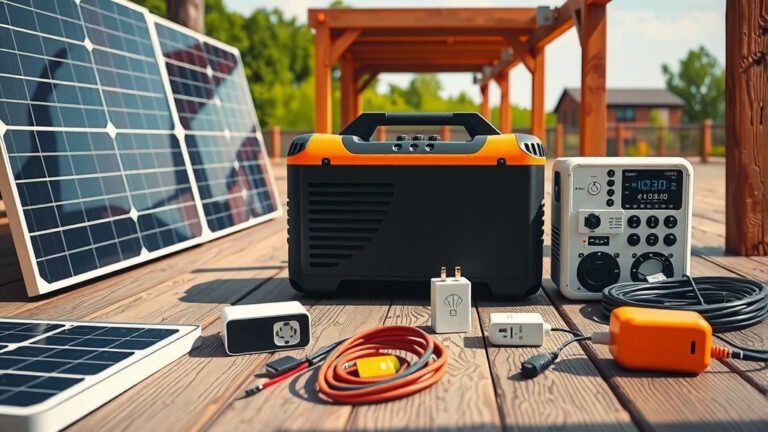
Jackery portable power stations shine when paired with solar panels. You create a complete off-grid power system that recharges itself.
SolarSaga Panel Compatibility
Each Jackery model works with specific SolarSaga panels. The matching ensures optimal charging speeds and system reliability.
I researched charging times and found impressive results. The Explorer 1000 recharges fully in 8 hours with dual 100W panels under ideal conditions.
Real Solar Performance Data
Actual solar charging depends heavily on weather and positioning. Users report these typical recharge times:
| Model | Panel Setup | Sunny Day Recharge | Cloudy Day Recharge |
|---|---|---|---|
| Explorer 240 | Single 100W | 4-5 hours | 8-10 hours |
| Explorer 1000 | Dual 100W | 8-9 hours | 12-15 hours |
| Explorer 1500 | Quad 100W | 9-11 hours | 15-18 hours |
Alternative Charging Methods
Solar works great, but you have other options. Wall charging stays fastest for quick turnarounds. Car charging helps during road trips.
The 12V car adapter takes longer but provides flexibility. Plan for overnight charging when using your vehicle’s power system.
Safety Features and Build Quality
Jackery built solid safety systems into these units. You get protection against overcharging, overheating, and short circuits.
Battery Management Technology
The internal battery management system monitors cell health constantly. This extends battery life and prevents dangerous situations.
I found that Jackery uses automotive-grade lithium cells rated for 500+ charge cycles. Most users see years of reliable service with normal use.
Temperature and Environmental Handling
These units operate safely in temperatures from 14°F to 104°F. The cooling fans kick in automatically when needed.
Keep them dry and avoid extreme conditions. While built tough, they work best in moderate environments with good ventilation.
Capacity Planning for Your Needs
Choosing the right size prevents overspending or coming up short on power. Calculate your daily usage first.
Quick Power Assessment Method
List your essential devices and their power consumption. Add up the watt-hours for a typical day.
Phone charging uses about 15Wh per cycle. Laptops consume 50-100W per hour. LED lights draw 10-20W continuously.
Common Usage Scenarios
Weekend campers usually need 200-500Wh daily. Extended camping or RV trips often require 800-1500Wh. Emergency home backup might need 1000+ Wh depending on your essentials.
Efficiency and Power Loss Factors
Remember that inverters waste some energy. Plan for 85-90% efficiency when converting DC to AC power.
High-drain devices like space heaters or hair dryers consume power rapidly. These units work better for moderate, sustained loads.
Price Performance Analysis
Jackery prices reflect quality and features. You pay more than basic alternatives but get better reliability and customer support.
Value Comparison Across Models
The Explorer 1000 offers the best cost per watt-hour ratio. Smaller and larger models cost more per unit of storage capacity.
I found that stepping up from the 240 to the 500 provides much better value. The jump from 1000 to 1500 costs significantly more per additional watt-hour.
Long-Term Investment Perspective
Quality portable power stations last for years with proper care. Cheaper alternatives often fail within 1-2 years of regular use.
Consider your usage frequency when budgeting. Occasional users might choose smaller units. Regular campers and off-grid enthusiasts benefit from larger capacity models.
User Experience and Practical Considerations
Beyond raw specs, daily usability matters. Jackery designs these units with real-world convenience in mind.
Display and Control Interface
The LCD screen shows remaining battery, input/output power, and estimated runtime. This information helps you manage power consumption effectively.
Simple button controls make operation straightforward. No complicated menus or confusing settings to navigate.
Portability and Storage
Built-in handles and reasonable weight distribution help with transport. The compact designs fit in most car trunks and RV storage compartments.
Noise Levels and Operation
These units run quietly during normal operation. Cooling fans create some noise under heavy loads but remain much quieter than gas generators.
You can safely use them indoors without ventilation concerns. No fumes, no carbon monoxide risks, no fuel storage issues.
Conclusion
The Jackery Explorer 1000 remains the best choice for most people, balancing power, portability, and price effectively. Choose the Explorer 240 for basic needs and tight budgets, or step up to the 1500 or 2000 Pro for demanding applications.
Your specific power requirements should drive the decision. Calculate your daily usage, add 20% buffer capacity, and pick the model that meets those needs. Pair any choice with appropriate solar panels for true energy independence.
Which Jackery model works best for camping?
The Explorer 1000 handles most camping needs perfectly, powering lights, devices, and small appliances for 2-3 days. Its 22-pound weight stays manageable while providing substantial capacity.
How long do Jackery batteries actually last?
Jackery batteries maintain 80% capacity after 500+ charge cycles, typically lasting 3-5 years with regular use. Proper storage and avoiding extreme temperatures extends battery life significantly.
Can Jackery power stations run during charging?
Yes, all Jackery models support pass-through charging, letting you use connected devices while the unit recharges from solar, AC, or car power simultaneously.
What appliances cannot run on Jackery units?
High-power heating devices like space heaters, hair dryers, and electric stoves typically exceed Jackery power limits. Anything drawing more than 1000-2000 watts won’t work reliably.
Are Jackery stations worth the premium price?
The build quality, warranty support, and proven reliability justify higher costs for most users. Cheaper alternatives often fail sooner and lack comprehensive customer service backing.