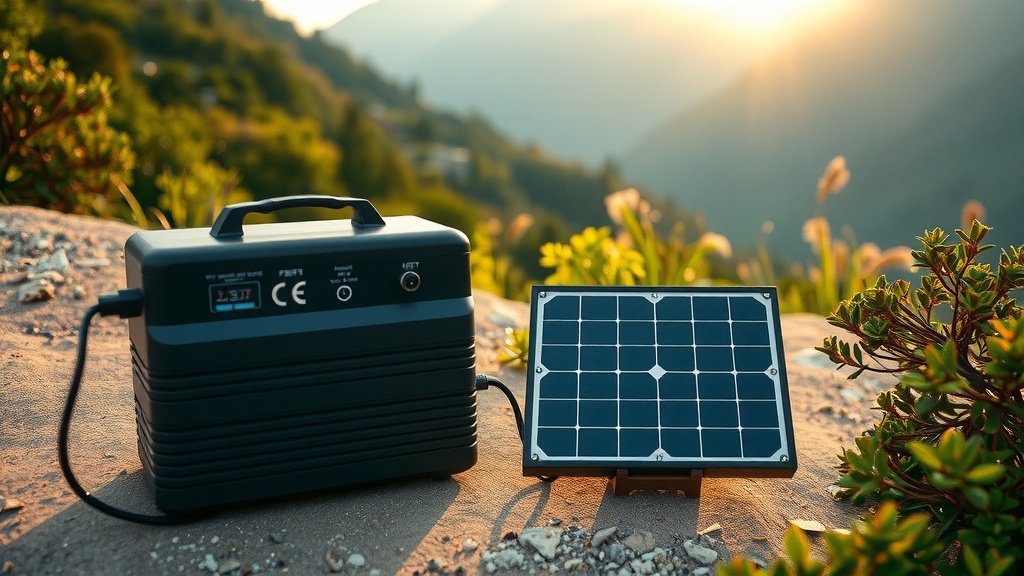
You can charge your portable power station in the wilderness primarily using portable solar panels or by connecting it to your vehicle’s 12V car charger. These methods offer reliable power when you are far from traditional outlets.
Solar charging relies on sunlight, while a car charger uses your vehicle’s alternator, ensuring your essential devices stay powered during your outdoor adventures.
TL;DR: Charging Your Power Station in the Wild
- Solar panels are the most popular and eco-friendly choice for wilderness charging, using the sun’s energy.
- Your car’s 12V outlet can recharge smaller power stations quickly while driving.
- Small, quiet gas generators offer a powerful backup, especially in low-light conditions.
- Consider hand-crank or pedal generators for emergency top-offs, though they require effort.
- Always plan your charging strategy based on trip length, weather, and power needs.
Heading into the wilderness is an amazing experience, isn’t it? You get to disconnect from the world. But let’s be real, you still need to keep your phone charged, maybe run a mini-fridge, or power some lights. That’s where your portable power station becomes your best friend. But how do you keep that friend fueled up when there are no wall outlets for miles? Don’t worry, we’ve got you covered.
How To Charge Portable Power Station In Wilderness?
Keeping your portable power station charged far from home requires smart planning and the right gear. Solar panels are a top choice, using sunlight to refill your battery bank efficiently.
Another excellent option is leveraging your vehicle’s 12V outlet, which can quickly top off your power station as you drive to your next adventure spot.
The Power of the Sun: Solar Charging
When you think about wilderness power, solar panels probably come to mind first. And for good reason! They’re quiet, clean, and use an abundant resource: sunlight. Imagine setting up camp, unfolding your panels, and letting the sun do the work while you relax.
Choosing Your Solar Panels
Not all solar panels are the same. For wilderness use, you want portable, foldable, or flexible panels. These are light and easy to pack. The wattage matters too. A higher wattage panel will charge your power station faster. Many experts suggest starting with a 100W panel for general use (Outdoor Life).
Optimizing Solar Efficiency
Getting the most out of your solar panels is key. Aim them directly at the sun. Think about the sun’s path during the day. Angle your panels to follow it, just like a sunflower. Keep them free of dirt and debris. Even a little dust can cut down on charging speed, we found.
Your Car as a Charging Hub: 12V DC Input
If you’re adventuring with a vehicle, your car can be a surprisingly good charging source. Most portable power stations come with a 12V car charger cable. This connects directly to your car’s cigarette lighter outlet.
When to Use Car Charging
This method is fantastic while you’re driving between locations. It’s a quick way to add juice without thinking about it. However, avoid charging from your car when the engine is off for long periods. You don’t want a dead car battery, right? Many experts advise against prolonged engine-off charging to protect your vehicle’s battery (AAA).
Beyond Solar and Car: Other Wilderness Charging Methods
Sometimes the sun isn’t shining, or your car isn’t running. What then? Having backup options is always a smart move. Let’s look at some alternatives that can keep your power station alive.
The Small But Mighty: Portable Gas Generators
For serious power needs or extended trips, a small, quiet gas generator can be a lifesaver. They can recharge even large power stations fairly quickly. They’re especially useful when solar conditions are poor, like during cloudy weather or at night. We found that smaller inverter generators are much quieter and more fuel-efficient than older models.
Remember to consider fuel needs and noise regulations if you’re in a specific campsite. Always operate them in a well-ventilated area for safety.
Human-Powered Chargers: Hand Crank & Pedal Generators
Feeling energetic? Hand-crank or pedal generators are the ultimate emergency backup. They require significant effort for minimal output, but they can provide enough power for a quick phone charge or to slowly top off a small power station. Think of them as a last resort, not your primary charging solution.
Comparing Wilderness Charging Methods
Let’s look at how these methods stack up. Each has its pros and cons, which helps you choose the best fit for your adventure.
| Charging Method | Pros | Cons |
|---|---|---|
| Portable Solar Panels | Eco-friendly, silent, renewable, lightweight. | Relies on sun, slower charge, initial cost. |
| Car 12V Charger | Fast while driving, uses existing resource, no extra fuel. | Requires running car, drains car battery if engine off. |
| Small Gas Generator | Fast, reliable in any weather, high output. | Noisy, requires fuel, emissions, heavier. |
| Hand-Crank/Pedal | Ultimate emergency backup, no external fuel. | Very slow, requires significant physical effort. |
Making Your Charging Plan Foolproof
A little planning goes a long way. Before you even leave home, think about your power needs. How long will you be out? What devices are you bringing? Knowing this helps you choose the right power station and charging accessories.
Power Station Capacity Matters
A bigger power station means more energy, but also more weight. Match the capacity to your trip length and device requirements. For a weekend, a smaller 500Wh unit might be fine. For a week or more, you might need something closer to 1000-2000Wh, many camping enthusiasts recommend.
Essential Charging Checklist
Here’s a quick list to help you prepare your wilderness charging setup:
- Fully charge your power station before you go.
- Pack your chosen solar panels and all necessary cables.
- Bring a car charger cable if you have a vehicle.
- Include any specific charging adapters for your devices.
- Consider a small backup power bank for critical items like phones.
- Check the weather forecast for solar opportunities.
Maintaining Your Gear in the Wild
Taking care of your power station and charging accessories ensures they last. Keep everything dry and protected from extreme temperatures. Store cables neatly to prevent damage. A well-maintained kit is a reliable kit.
Conclusion
Charging your portable power station in the wilderness doesn’t have to be a mystery. With portable solar panels, your vehicle’s 12V charger, or even a small gas generator, you have excellent options. By choosing the right tools and planning your power needs, you can enjoy all the comforts of home, no matter how far off the grid you venture. Stay powered, stay safe, and enjoy the wild!
FAQs About Wilderness Charging
How long does it take to charge a portable power station with solar panels?
The charging time varies greatly depending on the size of your power station’s battery, the wattage of your solar panels, and the intensity of sunlight. For example, a 100W solar panel might take 8-10 hours of peak sunlight to fully charge a 500Wh power station from empty. Cloudy conditions will significantly increase this time.
Can I charge my power station in the wilderness with a campfire?
No, you cannot directly charge a portable power station with a campfire. Campfires produce heat and light, but not electricity in a usable form for modern electronics. You would need specialized thermoelectric generators that convert heat into a small amount of electricity, which are usually not efficient enough for large power stations.
Is it safe to leave solar panels out overnight?
Leaving solar panels out overnight is generally safe for the panels themselves, as they are designed for outdoor exposure. However, they won’t produce power without sunlight. It’s often a good practice to secure them or bring them in to protect them from wildlife, theft, or unexpected weather changes like strong winds or heavy dew.
What’s the best charging method for an extended wilderness trip?
For extended wilderness trips, a combination of charging methods is often best. Portable solar panels are ideal for continuous, silent charging during the day. Supplementing this with a small, efficient gas generator can provide reliable power during cloudy days or for faster recharges of larger power stations. Always pack extra fuel for the generator.
Can extreme cold or heat affect my power station’s charging efficiency?
Yes, extreme temperatures can significantly impact both the charging and discharging efficiency of portable power stations. Batteries perform optimally within a specific temperature range, typically between 32°F and 104°F (0°C to 40°C). Very cold temperatures can slow charging and reduce battery capacity, while extreme heat can potentially damage the battery over time. Always try to keep your power station within its recommended operating temperature range.