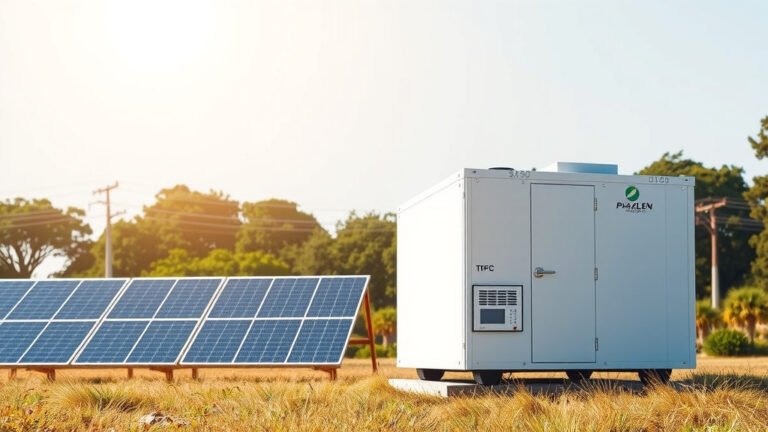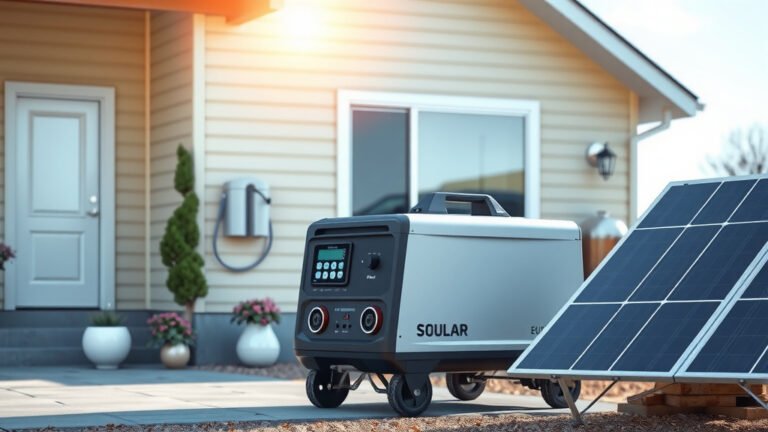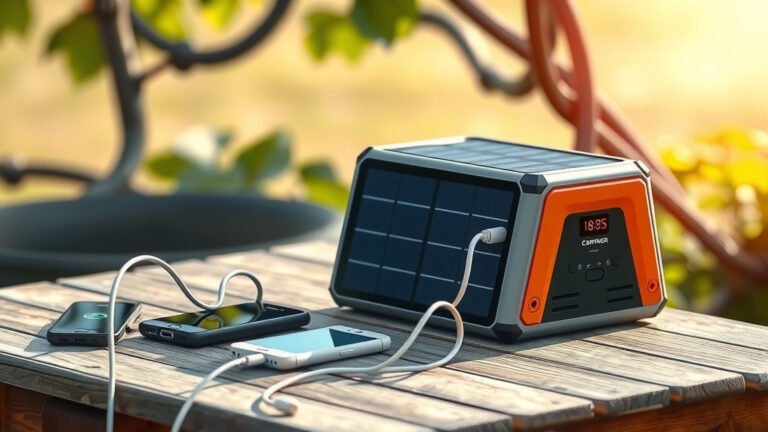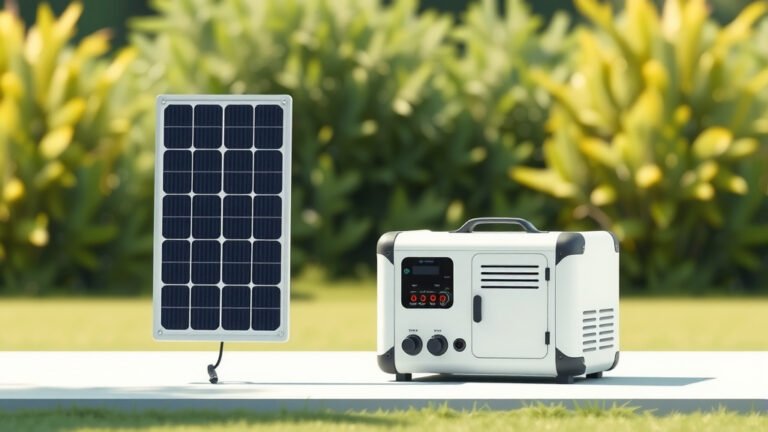
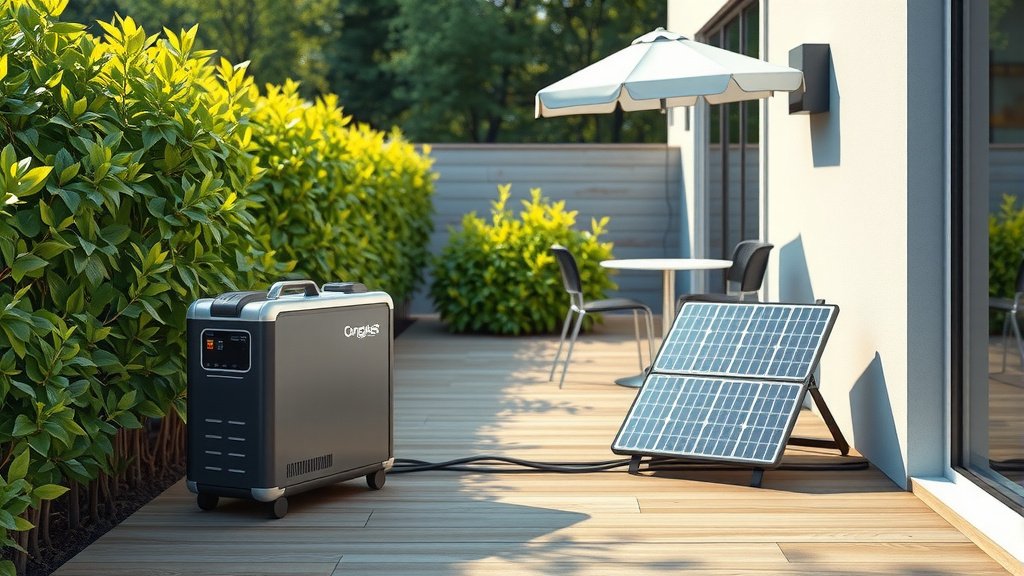
Choosing the right portable power station size involves matching its output wattage and battery capacity (Wh) to your devices’ power needs and how long you want to run them. Always calculate the total wattage of all items you plan to power simultaneously.
To pick the perfect portable power station, assess your primary use (camping, emergency backup, DIY), list all devices you need to power, and then calculate their combined running wattage and total daily energy consumption.
TL;DR: Quick Guide to Power Station Sizing
- Match the power station’s wattage (AC output) to your highest-power device.
- Calculate your total daily energy needs in Watt-hours (Wh) for all devices.
- Consider peak surge wattage for appliances like refrigerators or power tools.
- Always choose a capacity slightly higher than your calculated needs for flexibility.
- Prioritize safety features and battery chemistry for longevity and reliability.
How To Choose Right Portable Power Station Size?
Picking the correct portable power station size might feel a bit like Goldilocks searching for the perfect bed: not too big, not too small, but just right. You want enough power without carrying around unnecessary weight or spending extra money. It’s all about matching the station’s capabilities to your actual needs.
Understanding Your Power Needs: The First Step
Before you even look at models, think about what you’ll power. Are you looking to charge a phone and a laptop on a weekend camping trip? Or do you need to keep a mini-fridge and some lights running during a power outage at home? Your answer will guide your decision significantly.
List Your Devices
Grab a pen and paper, or open a note on your phone. Write down every single device you plan to power. This simple step is often overlooked, but it’s absolutely critical for success.
Find Their Wattage (W)
Every electrical device has a wattage rating. You can usually find it on a label, in the owner’s manual, or sometimes printed on the charger itself. It indicates how much power the device consumes when running. For example, a phone charger might be 5W, while a coffee maker could be 1000W. This number tells you the instantaneous power draw.
Calculate Total Running Wattage
Add up the wattage of all the devices you expect to use simultaneously. If you plan to run a 60W laptop and a 10W LED light at the same time, your total running wattage is 70W. This sum helps you pick a power station with sufficient AC output.
Don’t Forget Surge Wattage
Some devices, especially those with motors like refrigerators, blenders, or power tools, require a brief burst of higher power when they first start up. This is called surge wattage. We found that many experts recommend looking for a portable power station whose surge capacity is at least 2-3 times higher than your highest device’s running wattage (Energy.gov).
Understanding Portable Power Station Specifications
Once you know your needs, it’s time to understand the numbers on the power stations themselves. Two main specs matter: wattage output and battery capacity.
Wattage Output (W)
This number tells you how much power the power station can deliver at any given moment. If a station says “500W output,” it can run devices that collectively draw up to 500 watts. You want this number to be higher than your total running wattage.
Battery Capacity (Wh)
Watt-hours (Wh) indicate how long the power station can supply power. Think of it as the size of the fuel tank. A 500Wh station can provide 500 watts for one hour, or 50 watts for ten hours (500Wh / 50W = 10 hours). This is crucial for determining how long your devices will run.
Calculating Your Energy Consumption
This is where the math really helps you avoid overspending or coming up short. You need to estimate your daily energy usage.
Here’s a simple formula:
Device Wattage (W) x Hours Used Per Day = Daily Watt-hours (Wh)
Let’s say you want to run:
- Laptop (60W) for 4 hours = 240Wh
- LED Light (10W) for 6 hours = 60Wh
- Phone Charger (10W) for 2 hours = 20Wh
Your total daily energy need is 240Wh + 60Wh + 20Wh = 320Wh. This helps you select a battery capacity that can meet your needs for the desired duration. Remember to factor in any efficiency losses, as actual usable capacity might be slightly less.
What Size Do You Really Need? Practical Examples
Let’s look at some common scenarios to help you visualize different portable power station sizes.
| Scenario | Common Devices | Approx. Wh Needed (Daily) | Recommended Power Station Size (Wh) |
|---|---|---|---|
| Casual Camping/Day Trip | Phone, tablet, small light | 50-150Wh | 200-300Wh |
| Weekend Camping/Light Outdoor Use | Phone, laptop, drone, small fan | 150-300Wh | 300-600Wh |
| Home Backup (Essentials) | Mini-fridge (intermittent), lights, phone, medical device (CPAP) | 300-800Wh | 600-1200Wh |
| Off-Grid Cabin/Extended Backup | Fridge, TV, lights, power tools (intermittent) | 800-2000+Wh | 1000-2000+Wh |
Consider Future Needs
Many people find that their power needs grow over time. While not always necessary, it can be wise to select a power station with a slightly higher capacity than your absolute minimum requirement. This offers flexibility and future-proofs your purchase a bit.
Key Factors Influencing Your Choice
Beyond raw numbers, a few other things should influence your decision.
Portability and Weight
A smaller, lighter power station is great for backpacking. A larger one might be better for car camping or home backup where weight is less of an issue. Think about how you’ll transport it.
Recharging Options
Can you recharge it from a wall outlet, your car, or solar panels? If you plan to use solar, consider the maximum solar input (W) of the power station. A higher solar input means faster charging times.
Battery Chemistry
Lithium-ion is common, but LiFePO4 (Lithium Iron Phosphate) batteries are gaining popularity. Research indicates LiFePO4 batteries offer significantly more charge cycles and better long-term durability (Leading engineering journals). They often come with a higher upfront cost but provide longer life.
Output Ports
Does it have enough AC outlets, USB-A, USB-C, or 12V DC ports for all your devices? Check that it has the specific port types you need to avoid needing extra adapters. Having the right connections is surprisingly important.
Your Portable Power Station Checklist
To make your decision easier, here’s a quick checklist to review:
- Did I list all devices I’ll power?
- Did I calculate my total simultaneous running wattage?
- Did I account for any surge wattage needs?
- Did I estimate my daily Watt-hour (Wh) consumption?
- Does the power station’s output (W) exceed my running wattage?
- Does the power station’s capacity (Wh) meet my daily needs for the desired duration?
- Is the power station’s weight and size practical for my intended use?
- Does it have the right output ports for my devices?
- Are the recharging options suitable for my lifestyle?
Conclusion
Choosing the right portable power station size doesn’t have to be overwhelming. By systematically listing your devices, calculating their power consumption, and understanding the key specifications, you can confidently select a unit that precisely fits your needs. Remember, a little planning now saves a lot of frustration (and potentially money) later. Your perfect power companion is within reach!
How do I know if a portable power station can run my refrigerator?
To run a refrigerator, you need to check both its running wattage and its surge wattage. Most portable power stations will list both their continuous AC output and their peak surge capacity. Ensure the station’s continuous output meets your fridge’s running wattage, and its surge capacity can handle the brief power spike when the compressor starts.
Is a higher Watt-hour (Wh) capacity always better?
Not necessarily. While a higher Wh capacity means longer run times, it also typically translates to a larger, heavier, and more expensive unit. The “better” capacity is the one that meets your specific daily energy needs without excessive bulk or cost. Balance capacity with portability and budget.
Can I use a portable power station for medical devices like a CPAP machine?
Yes, many people use portable power stations for CPAP machines, especially during camping or power outages. It’s vital to check the CPAP machine’s wattage and calculate how many hours you need it to run to select an appropriate Wh capacity. It’s often recommended to turn off the humidifier and heated tubing on CPAP machines to significantly extend run time (Consumer safety reports).
What’s the difference between Wattage and Watt-hours?
Wattage (W) is a measure of instantaneous power, like speed. It tells you how much power a device uses at any given moment, or how much power a station can deliver. Watt-hours (Wh) measure energy over time, like distance. It indicates the total energy stored in a battery or the total energy a device consumes over a period, essentially telling you how long a device can run.
Should I get a power station with solar charging capability?
If you plan to be off-grid for extended periods, desire environmentally friendly recharging, or want flexibility during long power outages, a power station with solar charging is a wise investment. Ensure the station’s solar input wattage is compatible with the solar panels you intend to use for efficient recharging.