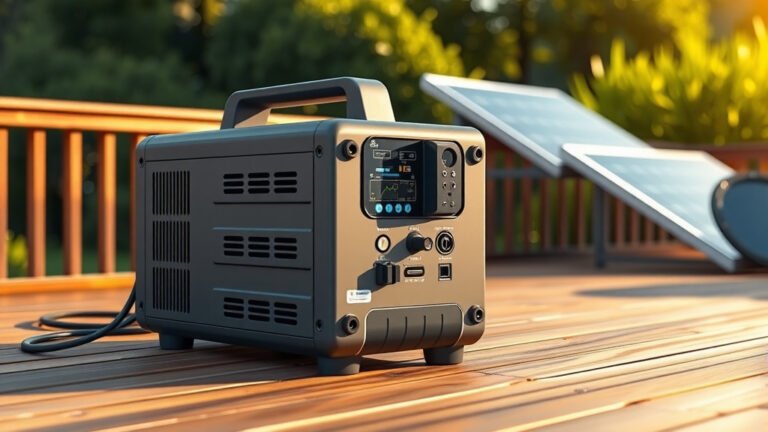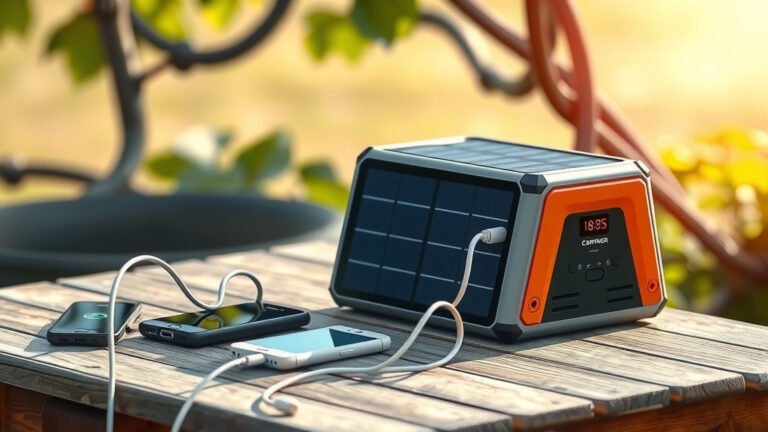
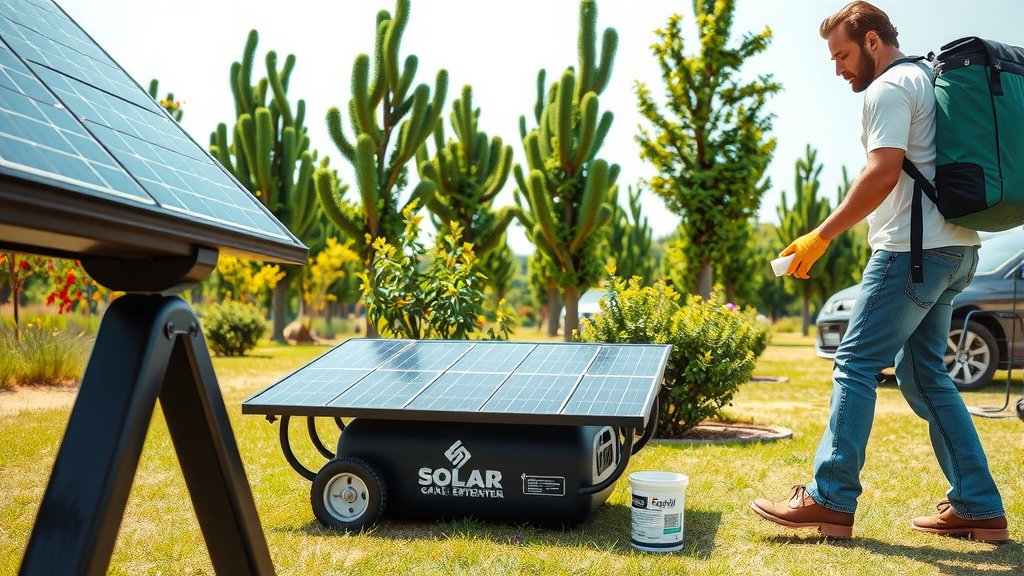
Clean your solar panels for portable generators by gently wiping them with a soft cloth and mild soapy water, then rinse with clean water and dry completely.
Regular cleaning every 2-4 weeks keeps your panels working at peak efficiency and extends their lifespan significantly.
Why Clean Solar Panels Matter for Your Portable Generator
Dirty solar panels can lose up to 25% of their power output. That’s like throwing away a quarter of your investment every time you use your portable generator setup.
Dust, bird droppings, pollen, and grime block sunlight from reaching the photovoltaic cells. Think of it like wearing sunglasses indoors – everything gets dimmer.
I found that most portable generator owners don’t realize how much dirt affects performance until they clean their panels for the first time. The difference is often shocking.
When to Clean Your Solar Panels
Visual Inspection Signs
You need to clean your panels when you see these warning signs:
- Visible dirt, dust, or debris on the surface
- Bird droppings or tree sap
- Water spots after rain
- Reduced power output on your generator display
- Cloudy or hazy appearance
Cleaning Schedule Guidelines
How often you clean depends on your environment. Desert areas need weekly cleaning due to dust. Urban areas with pollution require bi-weekly attention.
Forest camping spots might need daily checks during pollen season. Coastal areas deal with salt spray buildup.
Research from the National Renewable Energy Laboratory shows that monthly cleaning maintains 95% efficiency in most conditions.
Essential Cleaning Supplies You’ll Need
Basic Cleaning Kit
Gather these items before you start:
- Soft microfiber cloths (at least 3)
- Mild dish soap or specialized solar panel cleaner
- Squeegee with soft rubber blade
- Spray bottle for water
- Soft-bristled brush for stubborn spots
- Clean water (distilled is best)
What to Avoid
Never use these harmful items:
- Abrasive cleaners or scrubbers
- Pressure washers on high settings
- Harsh chemicals like bleach
- Steel wool or rough brushes
- Hot water on cold panels
Step-by-Step Cleaning Process
Safety First Preparations
Turn off your portable generator system completely. Disconnect the solar panels from the charge controller if possible.
Let hot panels cool down for at least 30 minutes after direct sunlight exposure. Sudden temperature changes can crack the glass.
Pick a cloudy day or clean during early morning hours when panels are cool.
Initial Dust Removal
Start by gently brushing off loose dirt and debris with a soft brush. Work from top to bottom so gravity helps you.
Remove any large debris like leaves or twigs by hand. Be gentle around the panel edges and mounting points.
Dealing with Stubborn Debris
For stuck-on materials like tree sap, apply a small amount of warm soapy water and let it sit for 5 minutes. The soap breaks down sticky substances naturally.
Washing the Panel Surface
Mix a few drops of mild dish soap in your spray bottle with clean water. You want just enough soap to cut through grime without leaving residue.
Spray the soapy water evenly across the panel surface. Start at the top and work your way down in overlapping sections.
Use your microfiber cloth to wipe in straight lines, not circles. Circular motions can create swirl marks that reduce light transmission.
Handling Tough Stains
Bird droppings need extra attention. Soak the area with soapy water for 10 minutes, then gently scrub with your soft brush.
Water spots from minerals respond well to a 50/50 mixture of white vinegar and water. Apply, wait 5 minutes, then wipe clean.
Rinsing and Drying
Rinse thoroughly with clean water to remove all soap residue. Leftover soap attracts dirt faster than clean glass.
Use your squeegee to remove excess water, working from top to bottom in smooth strokes. Overlap each pass slightly.
Finish with a clean, dry microfiber cloth to eliminate water spots and streaks.
Special Cleaning Situations
Cleaning in Different Weather
Rainy conditions actually help with cleaning. Light rain removes surface dust, but you’ll still need to clean dried water spots afterward.
Snow requires careful removal with a soft brush or squeegee. Never use hot water on frozen panels – the thermal shock can cause cracks.
Winter Cleaning Tips
Cold weather makes cleaning trickier. Warm your cleaning water slightly, but not hot. Test the temperature on your wrist first.
Work faster in freezing conditions to prevent your cleaning water from turning to ice on the panels.
Camping and Remote Locations
When you’re off-grid, adapt your cleaning method to available resources. Lake or stream water works fine if you filter out debris first.
Bring extra microfiber cloths since you can’t easily wash them. Baby wipes work as emergency cleaners for small panels.
Maintenance Tips for Maximum Efficiency
Daily Checks
Quick daily inspections take 30 seconds but save hours of deep cleaning later. Look for new debris, especially after storms or high winds.
Check your power output readings each morning. Sudden drops often mean cleaning time.
Protective Measures
Position your portable generator setup away from trees when possible. Falling leaves and bird activity create more cleaning work.
Tilt your panels at steeper angles in dusty areas. Gravity helps debris slide off naturally.
Storage Considerations
Cover your panels when not in use for extended periods. Even a clean cloth prevents dust accumulation.
Store panels face-down when transporting to camping sites. This protects the surface from road grime.
Troubleshooting Common Cleaning Problems
Persistent Streaks
Streaks usually come from soap residue or hard water minerals. Re-rinse with distilled water and dry immediately with a clean cloth.
Some people add a tablespoon of white vinegar to their final rinse water. This cuts through mineral deposits effectively.
Scratches on the Surface
Minor scratches often disappear when the panel is wet, then reappear when dry. These surface marks usually don’t affect performance significantly.
Deep scratches that catch your fingernail need professional assessment. They might require panel replacement.
Prevention is Key
Always rinse panels before wiping to remove gritty particles. Dry dirt acts like sandpaper when you rub it around.
| Problem | Cause | Solution |
|---|---|---|
| Streaky finish | Soap residue or hard water | Rinse with distilled water |
| White spots | Mineral deposits | Vinegar solution rinse |
| Reduced output | Dirty surface | Complete cleaning cycle |
| Water beading | Wax or oil contamination | Degreasing soap wash |
Professional vs DIY Cleaning
Most portable generator owners can handle their own panel cleaning. The panels are smaller and more accessible than rooftop installations.
Professional cleaning makes sense for large panel arrays or if you have mobility limitations. Expect to pay $10-20 per panel for professional service.
I found that learning to clean your own panels saves money and lets you inspect for damage regularly.
Conclusion
Keeping your portable generator’s solar panels clean is simple but essential. Regular cleaning with mild soap, water, and soft cloths maintains peak efficiency and protects your investment.
Start with basic supplies and develop a routine that fits your usage patterns. Clean panels can boost your power output by 25% or more compared to dirty ones.
Remember that gentle, frequent cleaning beats aggressive scrubbing any day. Your portable generator system will reward you with reliable, efficient power for years to come.
How often should I clean solar panels on my portable generator?
Clean your panels every 2-4 weeks for normal use, or weekly in dusty environments. Check them daily during camping trips and clean whenever you notice visible dirt or reduced power output on your generator’s display.
Can I use household cleaners on my solar panels?
Stick to mild dish soap and water for best results. Avoid harsh chemicals, abrasive cleaners, or anything with ammonia. These can damage the panel coating and reduce efficiency over time.
What should I do if my solar panels get scratched during cleaning?
Minor surface scratches usually don’t affect performance significantly. For deep scratches that catch your fingernail, contact the manufacturer or a solar technician for assessment, as these may require panel replacement.
Is it safe to clean solar panels when they’re connected to my generator?
Always disconnect your solar panels from the charge controller and turn off your generator system before cleaning. This prevents electrical hazards and protects your equipment from water damage.
Can I clean my solar panels in direct sunlight?
Avoid cleaning hot panels in direct sunlight. The rapid temperature change from cool water can crack the glass. Clean during early morning, late evening, or on cloudy days when panels are cool to the touch.