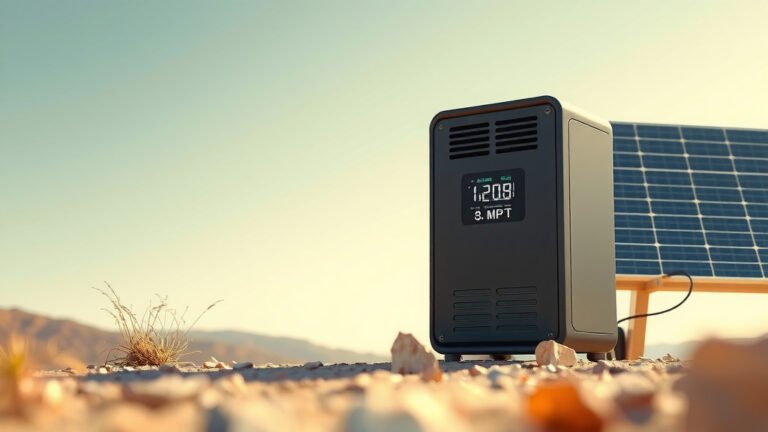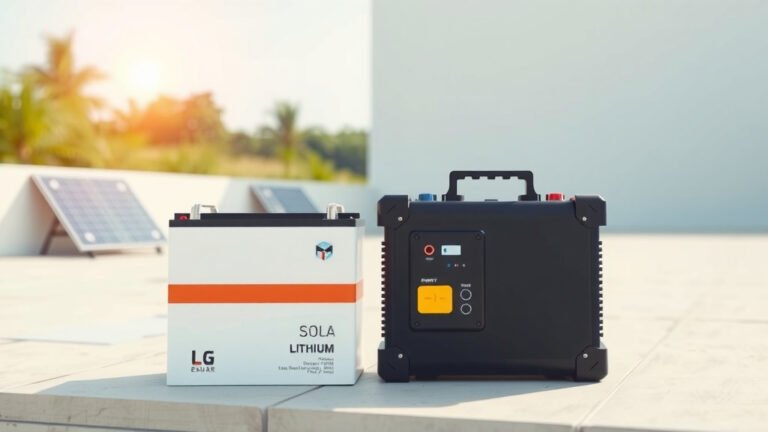
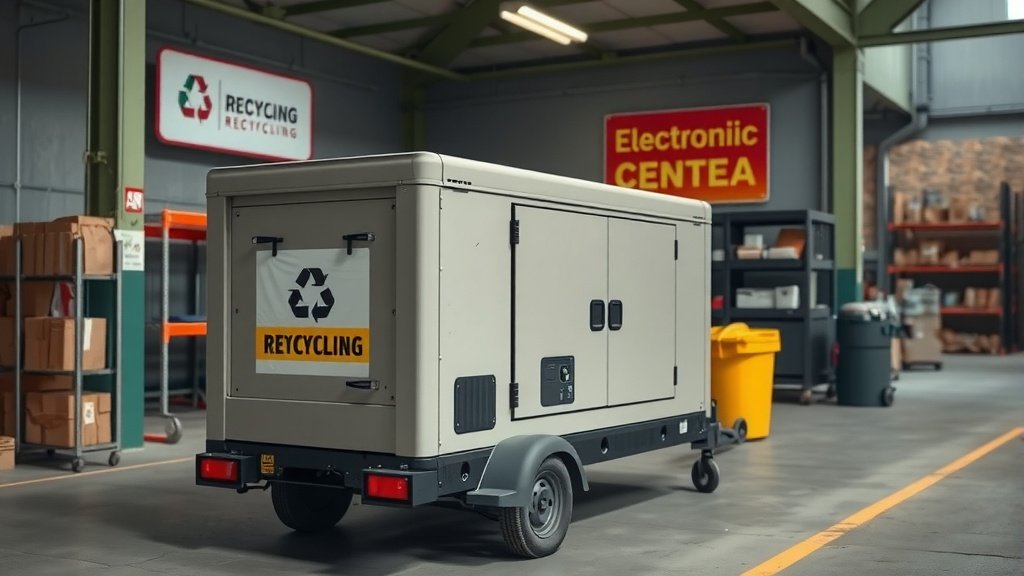
Disposing of an old portable power station safely involves finding certified recycling centers or specialized e-waste facilities in your area. Never put your old portable power station in regular household trash due to its complex battery components.
The correct way to dispose of a portable power station protects the environment and prevents potential safety hazards from its internal batteries.
TL;DR: Here’s the quick guide to disposing of your old portable power station:
- Always prioritize recycling facilities over regular trash.
- Identify your power station’s battery type (often lithium-ion or lead-acid).
- Check local waste management websites or call them for specific instructions.
- Look for retailer take-back programs or community e-waste events.
- Never dismantle the power station yourself; this can be dangerous.
How To Dispose Of Old Portable Power Station?
You have an old portable power station, and you’re wondering what to do with it. It’s not just another item for the bin, is it? Absolutely not! Proper disposal protects our planet and keeps everyone safe.
Why Proper Disposal Matters
Think of your portable power station like a tiny, powerful appliance. It contains special components, especially batteries, that need careful handling. Tossing it in the regular trash can create some real problems for our world and our communities.
Environmental Impact
When these devices end up in landfills, their internal batteries can leak. These leaks release harmful chemicals into the soil and groundwater. Such pollution can contaminate our natural resources, impacting wildlife and even our drinking water. We found that improper disposal of electronics is a significant contributor to environmental toxins (Environmental Protection Agency).
Safety Risks
Ever heard of a battery catching fire? It happens. Damaged or improperly disposed batteries can pose a serious fire risk. Especially lithium-ion batteries, when compacted in a garbage truck or exposed to certain conditions, can become unstable. This is a real danger for sanitation workers and waste processing facilities.
Identify Your Power Station’s Battery Type
Knowing what kind of battery your power station uses is a big first step. This information often sits on a label on the device itself or in its user manual. The most common types you will find are lithium-ion and lead-acid.
Lithium-ion Batteries
Most modern portable power stations use lithium-ion batteries. These are lightweight and powerful but need special care. Many experts say that lithium-ion batteries require specific recycling processes to safely recover materials (Call2Recycle).
Lead-Acid Batteries
Older or larger, heavy-duty portable power stations might use sealed lead-acid batteries. These are very recyclable, but the lead and acid inside are toxic. We found that lead-acid batteries are among the most recycled consumer products when handled correctly, often through specialized automotive battery recyclers.
Your Local Recycling Options
Okay, so you know why it matters and what battery you have. Now, where do you take it? Your local area likely has several good options. A quick search online for “e-waste recycling near me” or “battery recycling” can reveal many places.
E-Waste Facilities
Dedicated e-waste recycling centers are perfect for your old portable power station. These facilities are equipped to handle electronics safely. They disassemble devices and recover valuable materials while neutralizing hazardous components. Many cities operate these centers, or you can find private ones. They are experts in safe electronics disposal.
Retailer Take-Back Programs
Did you buy your power station from a big box store or a specialty electronics retailer? Some of these stores offer take-back programs. You can often drop off old electronics, including power stations, for proper recycling. It’s always a good idea to check with the store where you bought it.
Community Collection Events
Keep an eye out for local community e-waste collection events. Many towns and cities host these special days throughout the year. They make it super easy for you to drop off old electronics. These events are often well-advertised and offer a convenient disposal solution.
Preparing Your Power Station for Disposal
Before you take your old power station anywhere, there are a few simple steps to follow. These ensure the process goes smoothly and safely.
- Check for residual charge: Some experts recommend fully discharging the battery if possible and safe to do so. This reduces the risk of thermal events during transport and recycling.
- Remove personal data: While unlikely for a power station, if it has any smart features or data logging, wipe it clean.
- Secure it safely: Place the power station in a sturdy box or bag for transport. Avoid leaving exposed wires or damaged casings.
- Do not attempt to open it: Seriously, leave the dismantling to the professionals. You could expose yourself to dangerous chemicals or electric shock.
What Not To Do With Your Old Power Station
Just as important as knowing what to do is knowing what to avoid. These actions can be risky or harmful.
| Action | Why You Should Avoid It |
|---|---|
| Putting it in regular trash | Leads to environmental pollution and fire hazards in landfills. |
| Dismantling it yourself | Exposes you to toxic chemicals and electric shock. |
| Burning it | Releases toxic fumes and poses a major fire risk. |
| Storing it indefinitely if damaged | Damaged batteries can degrade and become unstable over time. |
Considering Repurposing or Donation?
Is your power station just old, or is it truly broken? If it’s still functional, even if not perfect, you might have other options. Many charitable organizations accept working electronics. You might also find someone who can use it for spare parts. This is a great way to give your device a second life.
However, if it’s damaged or unsafe, recycling remains the best path. You want to make sure you’re passing on something safe and useful, not a future problem. Always use caution and common sense.
Conclusion
Disposing of your old portable power station might seem complicated at first, but it doesn’t have to be. By understanding why proper disposal matters, identifying your battery type, and knowing your local options, you can make a responsible choice. Remember, keeping our communities and planet healthy is a shared effort, and your careful disposal makes a big difference. It’s a small action with a large positive impact.
What are the typical lifespan expectancies for portable power stations?
The typical lifespan for a portable power station largely depends on its battery type and usage. Most lithium-ion power stations are designed to last for 500 to 2000 charge cycles before their capacity significantly degrades, usually translating to 5-10 years with regular use. Lead-acid models often have a shorter lifespan, around 300-500 cycles.
Can I sell or trade in my old portable power station?
Yes, if your portable power station is still in good working condition, you might be able to sell it on online marketplaces or to specialized electronics resellers. Some manufacturers or retailers also offer trade-in programs when you upgrade to a newer model. Always be transparent about its condition.
What dangers are associated with a leaking portable power station battery?
A leaking portable power station battery can pose several dangers. The chemicals inside are often corrosive and toxic, causing skin irritation or burns upon contact. If ingested, they can be severely harmful. Leaks also increase the risk of fire or explosion, especially if the battery is damaged or exposed to extreme temperatures. It’s vital to handle it with care and seek professional disposal.
Are there any federal regulations for disposing of portable power stations?
While federal guidelines exist for hazardous waste, much of the specific regulation for disposing of consumer electronics, including portable power stations, falls to state and local governments. Many states have specific e-waste laws, and local municipalities often set rules for what can be put in household trash. Always check your local waste management authority’s guidance.
Should I remove the battery from my portable power station before recycling?
No, you should not attempt to remove the battery from your portable power station yourself. The internal components are complex and can be dangerous if mishandled. There is a risk of electric shock, chemical exposure, or even a thermal event if the battery is damaged during removal. Always take the entire unit to a certified e-waste or battery recycling facility where trained professionals can safely process it.