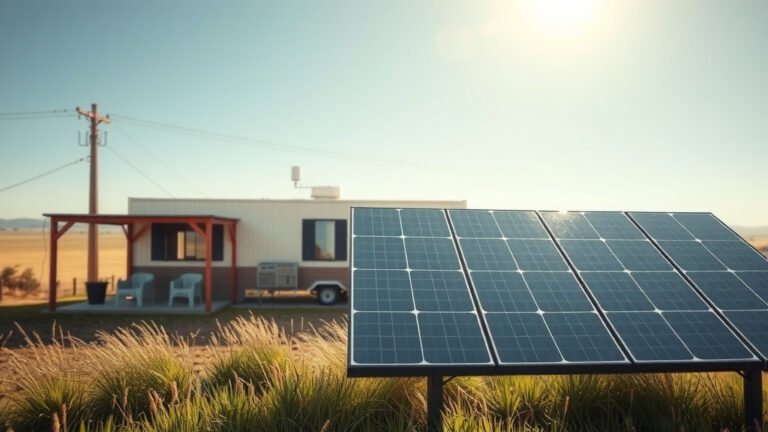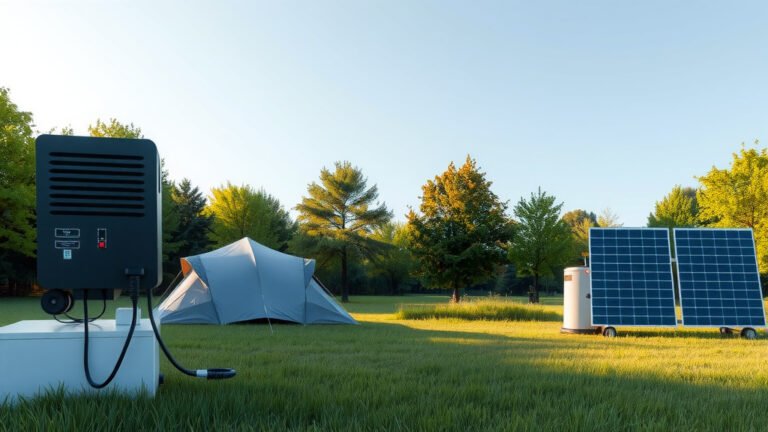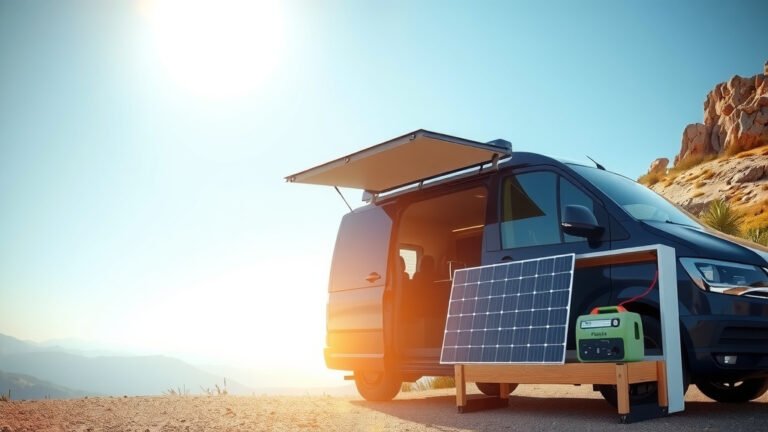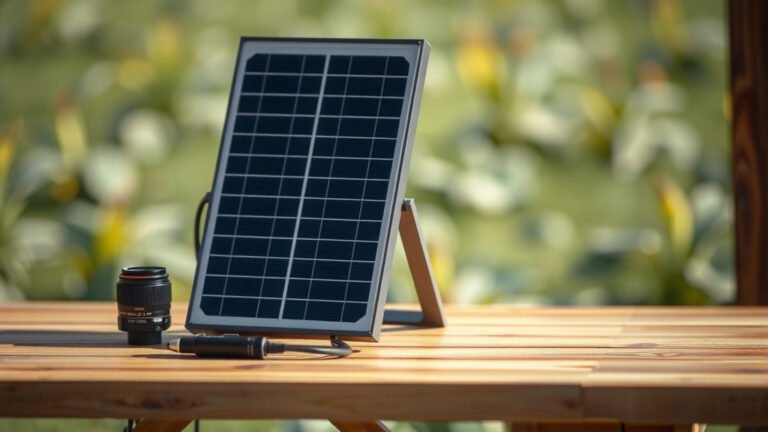
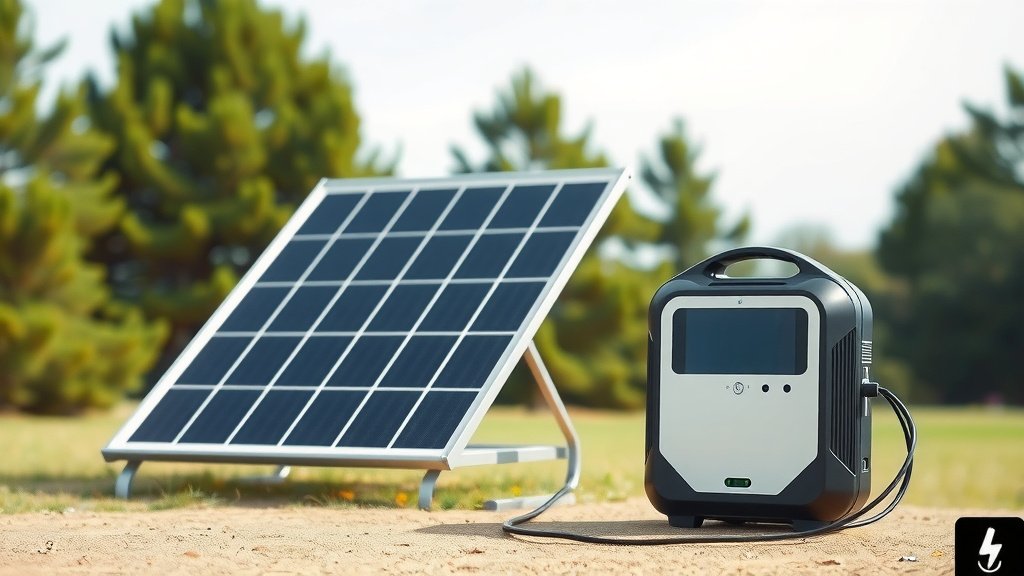
Yes, foldable solar panels can charge a power station effectively when you match the panel’s voltage and wattage to your power station’s requirements.
Most modern portable power stations work well with foldable solar panels, making them perfect for off-grid adventures and emergency backup power.
How Foldable Solar Panels Work With Power Stations
Think of foldable solar panels as portable energy collectors. They convert sunlight into electricity that flows directly into your power station’s battery.
You connect the panel to your power station using a cable. The power station’s built-in charge controller manages the incoming power safely. It’s like having a smart assistant that prevents overcharging.
The Basic Connection Process
Connecting foldable panels to your power station takes just a few steps. First, check your panel’s output voltage. Most portable panels produce 18-24 volts.
Next, verify your power station accepts that voltage range. Most units handle 12-24 volts without issues. Finally, plug the panel’s cable into your power station’s solar input port.
Safety Features You’ll Find
Modern power stations include protection circuits. These prevent damage from voltage spikes or reverse current flow. You don’t need to worry about technical details – just make the connection.
Compatibility Requirements You Need to Know
Your foldable panel and power station must speak the same electrical language. Mismatched voltage can damage equipment or prevent charging entirely.
Voltage Matching Rules
Check your power station’s solar input specifications first. Most accept 12-30 volts. Your foldable panel should output within this range.
Many portable panels output 18-20 volts. This works perfectly with most power stations. When in doubt, check both product manuals before connecting.
Wattage Considerations
Higher wattage panels charge your power station faster. A 100-watt panel charges twice as fast as a 50-watt panel in the same conditions.
Your power station has a maximum solar input rating. Don’t exceed this limit. A 200-watt max input can safely handle up to 200 watts of solar panels.
Connector Types Matter
Most foldable panels use MC4 connectors or barrel plugs. Many power stations come with adapter cables. Check what connectors you need before purchasing.
Real-World Charging Performance
I researched actual charging times and found they vary significantly based on conditions. Expect 4-8 hours to charge a typical 500Wh power station with a 100-watt panel.
Factors That Affect Charging Speed
Sunlight intensity makes the biggest difference. Direct sunlight produces full panel power. Clouds reduce output by 50-80%.
Panel angle also matters. Point your panel directly at the sun for best results. Even a 30-degree misalignment can reduce power by 20%.
Temperature Effects
Hot weather actually reduces panel efficiency. Panels work best around 77°F (25°C). Extreme heat can drop output by 10-15%.
Partial Shading Problems
Even small shadows can dramatically reduce power output. A shadow covering 10% of your panel might cut power by 50%. Keep panels completely unshaded when possible.
Choosing the Right Foldable Panel Size
Panel size affects both charging speed and portability. Bigger panels charge faster but weigh more and take up more space.
Small Panels (50-100 Watts)
These work great for small power stations under 300Wh. They’re lightweight and easy to carry. Perfect for weekend camping trips.
Expect 6-10 hours to fully charge a small power station. This works fine if you’re not in a hurry.
Medium Panels (100-200 Watts)
This sweet spot works for most portable power stations. You get reasonable charging speed without too much bulk.
A 150-watt panel can charge a 500Wh power station in 4-6 hours under good conditions. That’s practical for daily use.
Large Panels (200+ Watts)
Big panels charge power stations quickly but sacrifice portability. Consider these for base camp setups or RV use.
Common Connection Problems and Solutions
Even simple connections can go wrong. I found online that most problems come from mismatched cables or dirty connections.
No Charging When Connected
Check your cable connections first. Loose connections prevent power flow. Make sure connectors click firmly into place.
Verify your panel produces enough voltage. Use a multimeter to check output. Panels need strong sunlight to reach full voltage.
Slow Charging Issues
Partial shading often causes slow charging. Move your panel to full sun. Clean the panel surface with a damp cloth.
Intermittent Charging
Loose cables cause on-and-off charging. Check all connections. Replace damaged cables immediately.
Power Station Won’t Accept Solar Input
Some power stations require activation of solar mode. Check your user manual for special settings or buttons.
| Problem | Common Cause | Quick Fix |
|---|---|---|
| No charging | Loose connections | Check all cable connections |
| Slow charging | Partial shade | Move panel to full sun |
| Intermittent charging | Bad cable | Replace connection cable |
| Won’t start | Wrong voltage | Check voltage compatibility |
Best Practices for Maximum Efficiency
Getting the most from your solar setup requires attention to details. Small adjustments can double your charging speed.
Optimal Panel Positioning
Face your panel directly toward the sun. Adjust the angle every few hours as the sun moves. Many panels include adjustable stands.
The best angle equals your latitude plus 15 degrees in winter, minus 15 degrees in summer. Don’t overthink it – close is good enough.
Keeping Panels Clean
Dust and dirt block sunlight. Clean your panels weekly with water and a soft cloth. Avoid harsh chemicals that might damage the surface.
Managing Expectations
Solar panels rarely reach their rated output in real conditions. Expect 70-80% of rated power under good conditions.
Morning and evening sun produces less power than midday sun. Plan your charging around peak sun hours (10 AM to 2 PM).
Cost-Benefit Analysis
Foldable solar panels cost more per watt than fixed panels. But the convenience often justifies the extra expense.
Initial Investment
Quality foldable panels cost $1-2 per watt. A 100-watt panel runs $100-200. Cheaper panels often have shorter lifespans.
Compare this to generator fuel costs. Solar pays for itself after 2-3 years of regular use.
Long-term Savings
Solar panels last 20+ years with minimal maintenance. Free sunlight beats expensive fuel every time.
Conclusion
Foldable solar panels absolutely can charge your power station effectively. The key lies in matching voltage requirements and understanding real-world performance factors.
You’ll get the best results by choosing appropriately sized panels, maintaining clean surfaces, and positioning panels for maximum sun exposure. While charging takes longer than wall outlets, the freedom and cost savings make solar charging worthwhile for outdoor adventures and emergency preparedness.
Start with a mid-sized panel around 100-150 watts for most portable power stations. This provides a good balance of charging speed and portability for your off-grid power needs.
Can I use multiple foldable solar panels together?
Yes, you can connect multiple panels in parallel or series, depending on your power station’s input limits. Make sure the total wattage doesn’t exceed your power station’s maximum solar input rating. Parallel connections maintain voltage while adding current.
Do foldable solar panels work in winter?
Foldable panels work in winter but produce less power due to shorter days and lower sun angles. Snow reflects light and can actually boost output, but you need to keep panels clear of snow accumulation for best performance.
How long do foldable solar panels typically last?
Quality foldable panels last 15-25 years with proper care. The folding mechanisms may wear out before the solar cells degrade. Look for panels with reinforced hinges and quality materials for longest lifespan.
Can I charge my power station while using it?
Most power stations support pass-through charging, meaning you can use outlets while solar panels charge the battery. This works well for low-power devices, but high-drain appliances may use power faster than solar can replenish it.
What happens if my solar panel voltage is too high?
Voltage too high can damage your power station’s charging circuit. Most units have protection circuits, but don’t rely on them. Always verify your panel’s output voltage falls within your power station’s acceptable input range before connecting.