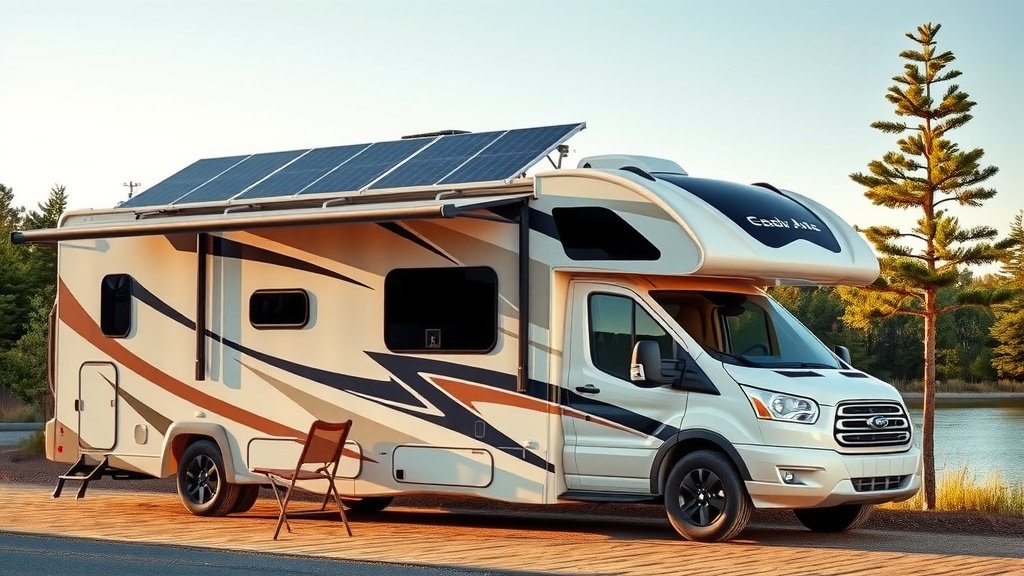
Installing a solar generator in your RV involves safely mounting solar panels, wiring them to a charge controller, and then connecting to the generator which powers your RV’s electrical system.
This process provides a sustainable energy source, allowing you to enjoy off-grid adventures without relying on noisy gas generators or shore power.
TL;DR: RV Solar Generator Installation
- Solar generators offer quiet, eco-friendly RV power.
- Plan your system by assessing your RV’s power needs and choosing the right size.
- Securely mount solar panels and carefully wire them to the generator.
- Always prioritize safety during installation and consult your RV manual.
- Regular maintenance keeps your solar generator running smoothly for years.
How To Install Solar Generator In RV?
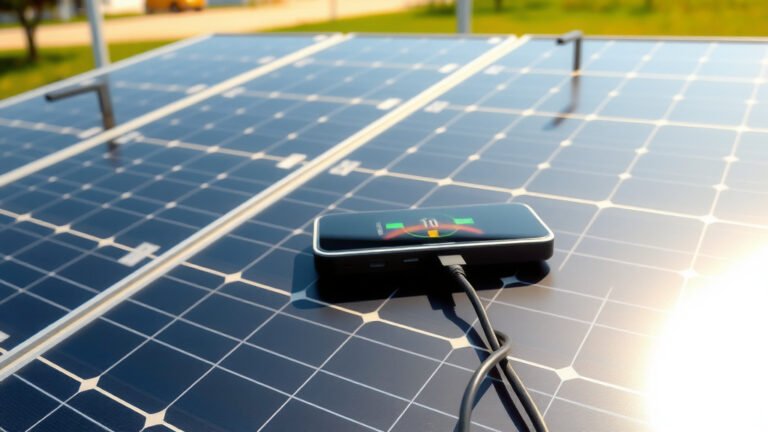
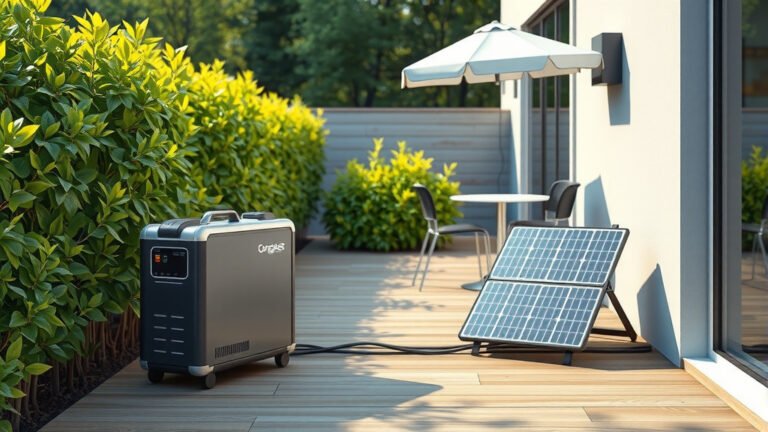
To install a solar generator in your RV, you essentially connect solar panels, typically mounted on your RV roof, to a portable power station acting as your “generator,” which then supplies electricity to your RV’s existing outlets and appliances.
It’s about creating a harmonious energy loop so you can power your adventures sustainably.
Why Choose a Solar Generator for Your RV?
Imagine waking up to the peaceful sounds of nature, not the rumble of a gas generator. That’s the dream many RVers chase, and a solar generator helps make it a reality.
These systems offer a clean, quiet, and renewable way to power your RV, whether you’re camping deep in the woods or just enjoying a remote overlook.
The Joys of Off-Grid Freedom
With a solar generator, you’re no longer tied to campgrounds with electrical hookups. You can go where the wind takes you, knowing your lights, fridge, and devices will still work.
Many experts we found say this freedom transforms the RV experience, opening up countless new destinations (RV Magazine).
Quiet and Eco-Friendly Power
Unlike traditional gas generators, solar generators operate silently. This means peace for you, your camping neighbors, and the wildlife around you.
They also produce zero emissions, which is a big win for the environment. It’s a choice that feels good, both practically and ethically.
Understanding Your RV Solar Generator Setup
Before you start, it’s good to know the basic components. Think of it like a team working together to power your RV.
Your “solar generator” is often a portable power station that integrates a battery, inverter, and charge controller, all in one neat package.
Key Components of a Solar Generator System
You’ll typically have solar panels, which gather sunlight, and the solar generator itself, which stores that energy and converts it into usable AC power.
Sometimes you might add a separate charge controller if your generator doesn’t have a robust enough internal one, or for specific panel configurations.
Planning Your RV Solar System
Every RV is different, and so are your power needs. A bit of planning upfront saves a lot of headaches later, trust us!
It’s like packing for a trip; you wouldn’t just throw things in, right? You think about what you’ll actually use.
Assessing Your Power Needs
First, grab a pen and paper. List every appliance you want to run: microwave, coffee maker, laptop, lights, phone chargers, TV. Now, find their wattage.
Add up the watts for items that run simultaneously and consider how long each item operates. This sum helps you pick the right size system.
Choosing the Right Solar Generator Size
Your generator needs enough battery capacity (measured in Watt-hours, Wh) to store power and an inverter strong enough (measured in Watts) to run your appliances.
Many experts suggest overestimating slightly to avoid running out of power on cloudy days (Camping World Guides).
Solar Panel Placement and Mounting Options
The RV roof is the most common spot for panels. You want a location that gets maximum sun exposure throughout the day.
Consider mounting kits that allow for tilting the panels to catch more rays, especially if you plan to stay in one spot for a while. Think about shade from air conditioners or vents.
Tools and Materials You’ll Need
Ready to get your hands a little dirty? Having the right tools makes a world of difference. It’s like baking without the right measuring cups – it just won’t come out right.
Here’s a quick list to get you started:
- Solar panels (flexible or rigid)
- Solar generator (portable power station)
- Appropriate wiring (MC4 connectors, heavy-gauge wire)
- Panel mounting brackets or adhesive
- Sealant (for roof penetrations)
- Drill and drill bits
- Wire strippers and crimpers
- Multimeter (for testing connections)
- Basic hand tools (screwdrivers, wrenches)
- Safety gear (gloves, eye protection)
Step-by-Step Installation Guide
Alright, let’s walk through the actual installation. Don’t worry; we’ll take it slow, just like learning a new dance move.
Safety is always first. Always consult your RV’s manual and the solar generator’s instructions before you begin.
Pre-Installation Checklist
- Read all manuals for panels and generator.
- Confirm your RV’s roof is clean and structurally sound.
- Gather all necessary tools and materials.
- Plan your wire routing to avoid obstacles.
- Ensure your RV’s power is completely off.
Mounting Solar Panels
Whether you use rigid panels with brackets or flexible panels with adhesive, secure them firmly to your RV roof.
Make sure they are level and facing the best direction for sunlight. Proper mounting prevents damage while driving.
Wiring the System Safely
This is where the magic happens! Connect your solar panels to your solar generator. Use MC4 connectors for weather-tight connections on the panels.
Run the wires down into your RV, typically through a sealed roof entry port. Always verify positive and negative connections to avoid electrical issues.
Connecting to Your RV’s Electrical System
Once the solar generator is charged by the panels, you’ll connect it to your RV. Many portable solar generators can simply plug into your RV’s shore power inlet using an adapter.
Alternatively, some advanced users might hardwire it into the RV’s main electrical panel, but this often requires a certified electrician and a transfer switch.
Safety Precautions During Installation
Electricity is no joke. Always wear appropriate safety gear. Disconnect all power before touching any wires.
Double-check all connections with a multimeter to confirm polarity and voltage before powering anything on. We found that most DIY mistakes happen from rushing (RV Tech Mag).
Testing Your New System
You’ve done the hard work, now for the moment of truth! Testing is critical to ensure everything works as expected.
It’s like test-driving your RV after a tune-up; you want to make sure it’s purring.
Turn on your solar generator, then your RV’s lights and a small appliance. Check the generator display to see if it’s receiving charge from the panels and outputting power.
Monitor it over a full sunny day to ensure consistent performance.
Maintenance Tips for Longevity
Your solar generator system will serve you well for years with a little love and care. Think of it as a pet; it needs attention sometimes.
Regular maintenance ensures optimal performance and extends the lifespan of your investment.
| Maintenance Task | Frequency | Why It Matters |
|---|---|---|
| Clean solar panels | Monthly (or as needed) | Removes dirt/debris for max efficiency |
| Check wiring connections | Quarterly | Ensures tight, corrosion-free contacts |
| Monitor battery health | Monthly | Prevents over-discharge, extends life |
| Inspect sealant on roof | Annually | Prevents water leaks into RV |
| Test output power | Periodically | Confirms system is working correctly |
Common Mistakes to Avoid
Nobody’s perfect, and mistakes happen. But knowing what to watch out for can save you a lot of time and frustration.
It’s like learning from someone else’s bumpy road so yours can be smoother.
One common error is underestimating power needs, leading to frequent battery depletion. Another is improper wire gauging, which can cause overheating or power loss.
Also, neglecting to seal roof penetrations can lead to costly water damage inside your RV.
Conclusion
Installing a solar generator in your RV is a fantastic step toward greater independence and enjoyment on the open road. It empowers you to explore more, camp quieter, and reduce your environmental footprint.
By carefully planning, following safety guidelines, and performing regular maintenance, you’ll have a reliable power source for all your RV adventures. Happy trails!
Frequently Asked Questions About RV Solar Generators
How long does it take to install an RV solar generator?
The installation time can vary widely based on your RV’s complexity, your skill level, and the specific system you choose. A basic setup might take a full day for an experienced DIYer, while a more comprehensive system could take a weekend or require professional help.
Can I use flexible solar panels with my RV solar generator?
Yes, flexible solar panels are a popular choice for RVs because they are lightweight and can conform to curved surfaces. They’re often easier to install with adhesive, but always ensure proper ventilation underneath to prevent overheating, which can reduce efficiency and lifespan.
Do I need a separate inverter if my solar generator has one built-in?
Generally, no. Most portable solar generators come with a built-in inverter that converts the DC power stored in its battery into usable AC power for your appliances. You only need a separate inverter if you are building a custom system from scratch or if your existing generator’s inverter is too small for your needs.
How do I size the solar panels for my RV solar generator?
To size your solar panels, you first need to calculate your average daily power consumption in Watt-hours. Then, consider the amount of sunlight your location typically receives. Experts we found suggest aiming for panel wattage that can recharge your generator’s battery bank in 5-7 hours of peak sun (Renogy resources).
Is it safe to drive with solar panels on my RV roof?
Yes, it is generally safe to drive with solar panels on your RV roof, provided they are securely mounted according to the manufacturer’s instructions and your RV’s specifications. Always use strong, marine-grade mounting hardware or specialized adhesives designed for RV use to prevent panels from detaching during travel.