
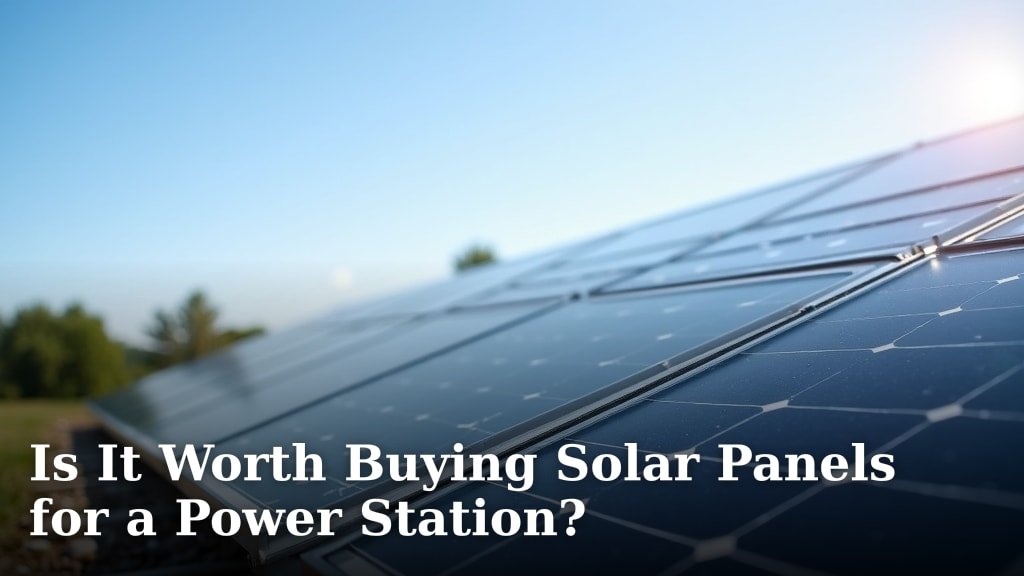
Yes, buying solar panels for a power station can be a worthwhile investment, especially when you consider long-term energy savings and environmental benefits. We found that solar power offers a reliable and clean way to keep your devices charged, even when you’re off-grid. Think of it as your personal, silent power source.
You might be wondering if the cost is justified. Many experts say that while the initial setup has a price, the independence from traditional power sources and the reduced electricity bills often make it a smart move. It’s about taking control of your energy needs and reducing your carbon footprint.
- Solar panels for power stations can save you money.
- They offer a clean and reliable energy source.
- Good for emergencies and off-grid adventures.
- Helps reduce your environmental impact.
Let’s dive deeper into why this technology is gaining so much traction and if it’s the right choice for your lifestyle.
Assessing the Value of Solar Panels for Your Power Station
Is investing in solar panels for your portable power station a smart move for you? We found it often boils down to your specific needs and how you plan to use it. Think about where you go and what you power.
These setups offer a lot of flexibility. They can keep your gadgets running during a blackout. Or they can extend your adventures far off the grid. It’s about more than just power; it’s about peace of mind and independence.
Understanding Portable Power Stations
First, let’s make sure we’re on the same page. A portable power station is essentially a large, rechargeable battery. It has various outlets to power different devices. Think of it as a super-sized power bank for your home or travels.
These stations are designed to be mobile. You can take them camping, use them in your RV, or keep them ready for emergencies at home. They store energy so you can use it whenever and wherever you need it.
Power Station Types and Capacities
Power stations come in all shapes and sizes. You’ll find smaller ones that can charge your phone many times over. Larger units can run a mini-fridge or even a few home appliances. We found their capacity is measured in Watt-hours (Wh).
The more Wh a power station has, the longer it can supply power. Some offer pure sine wave inverters. This means they deliver electricity as cleanly as your wall outlet. This is important for sensitive electronics (Consumer Reports).
The Benefits of Pairing Solar Panels with Your Power Station
Adding solar panels to your power station creates a truly self-sufficient system. You’re not just storing power; you’re creating it. This combination is a powerful duo for sustainable energy.
Imagine never having to worry about finding an outlet again. Your power station charges up during the day. Then it powers your devices at night. It’s a simple, elegant solution.
Cost Savings Over Time
The initial cost of solar panels and a power station can seem high. But consider the long-term savings. You’re no longer buying gasoline for a noisy generator. You’re also not relying on the grid for all your power needs. We found that this reduces your electricity bills.
Over several years, the money you save on fuel and utility costs can add up. Many experts say that the investment often pays for itself. It’s like having your own personal gas station, but for electricity.
Environmental Impact and Sustainability
Choosing solar power is a choice for the planet. Solar panels convert sunlight into electricity without burning fossil fuels. This means zero carbon emissions during operation.
By using solar, you’re actively reducing your carbon footprint. You’re contributing to a cleaner, healthier environment. It’s a small change that makes a big difference.
| Feature | Solar Panel System | Gas Generator |
|---|---|---|
| Fuel Source | Free sunlight | Gasoline/Propane |
| Operating Cost | Very low (after initial setup) | High (recurring fuel cost) |
| Noise Level | Silent | Loud |
| Emissions | Zero | High (carbon monoxide, CO2) |
| Maintenance | Low | Moderate (oil changes, filters) |
| Portability | Good (foldable panels) | Varies (heavier, fuel required) |
Factors to Consider Before Buying Solar Panels
Before you jump in, it’s smart to weigh a few key factors. Not all solar panel setups are created equal. You want to make sure you get the right system for your specific situation. This helps ensure you’re making a wise purchase.
Your Power Needs and Usage Habits
What do you actually need to power? Are you just charging phones and laptops? Or do you want to run a small refrigerator? Make a list of your essential devices and their power requirements. We found that understanding your needs helps you pick the right size. Don’t overestimate or underestimate.
How often will you use this system? Is it for occasional camping trips or everyday backup power? Your usage frequency will influence the durability and capacity you need. Think about your typical daily energy consumption.
Panel Efficiency and Portability
Solar panels vary in how efficiently they convert sunlight into electricity. Higher efficiency panels generate more power from a smaller surface area. This can be important if space is limited. Always check the panel’s efficiency rating.
Do you need to move your panels frequently? Foldable, lightweight panels are great for camping or RVs. Fixed, rigid panels might be better for a permanent home backup. Consider how easily you can transport and set up the panels.
Compatibility with Your Power Station
This is crucial. Not all solar panels work with all power stations. Check the input specifications of your power station. Look for the voltage and connector type. Many power stations use a standard DC input, but connectors can vary. We found that matching the connectors is key.
Some brands offer solar panels specifically designed for their power stations. This often ensures perfect compatibility. Always read the product descriptions carefully to avoid surprises.
The Practicalities of Owning Solar Panels
Once you have your solar panels, there are a few practical aspects to keep in mind. These tips will help you get the most out of your investment. They ensure your system runs smoothly for years to come.
Optimal Panel Placement and Sunlight Exposure
For maximum efficiency, your solar panels need direct sunlight. Angle them towards the sun. Avoid shadows from trees or buildings. Even a small shadow can significantly reduce power output. We found that proper placement makes a huge difference.
You might need to adjust the panel’s angle throughout the day as the sun moves. This is easier with portable, adjustable panels. Think about where you’ll typically set them up. Look for the sunniest spots.
Maintenance and Longevity
Solar panels are generally low maintenance. But they do benefit from occasional cleaning. Dust, dirt, and bird droppings can block sunlight. A quick wipe-down with a damp cloth is usually all it takes. We recommend checking them every few weeks.
Store your panels safely when not in use. Protect them from extreme weather and physical damage. With proper care, good quality solar panels can last for 20-30 years. That’s a long lifespan for an investment.
Is It the Right Choice for You? A Quick Checklist
To help you decide, here’s a simple checklist. Think about these points as you weigh your options. It should give you a clearer picture.
- Do you frequently experience power outages at home?
- Are you an avid camper, RVer, or outdoor enthusiast?
- Do you want to reduce your reliance on fossil fuels?
- Is silent, emissions-free power important to you?
- Are you comfortable with the initial investment for long-term savings?
- Do you have access to clear, unobstructed sunlight for charging?
If you answered “yes” to most of these, then buying solar panels for your power station is likely a very worthwhile decision for you.
Conclusion
You’ve seen that buying solar panels for your power station offers significant benefits. It provides energy independence and can save you money over time. You also contribute positively to the environment.
We found that the decision ultimately hinges on your specific needs and how you plan to use this powerful duo. Consider your power requirements, usage habits, and budget carefully. If they align, embracing solar power for your station is a smart, sustainable step towards a more reliable energy future. Start by assessing your daily power needs.
Frequently Asked Questions
How long do solar panels take to charge a power station?
Charging time varies greatly depending on the solar panel’s wattage and the power station’s capacity. Cloud cover and panel angle also play a role. Generally, a full charge can take anywhere from 4 to 12 hours of direct sunlight.
Can I use any solar panel with any power station?
No, compatibility is crucial. You need to match the solar panel’s voltage and connector type with your power station’s input specifications. Many brands offer specific solar panels designed for their stations to ensure optimal performance.
Are portable solar panels durable enough for outdoor use?
Most portable solar panels are designed with durability in mind, using weather-resistant materials. They can withstand various outdoor conditions like rain and dust. However, storing them properly when not in use helps extend their lifespan.
Do solar panels work on cloudy days?
Yes, solar panels still produce some electricity on cloudy days, but at a reduced efficiency. Heavy cloud cover can significantly lower the power output. Direct, bright sunlight is always best for maximum charging speed.
What maintenance do solar panels require?
Solar panels are generally low maintenance. We recommend periodically cleaning them to remove dirt, dust, and debris that can block sunlight. A soft cloth and water are usually sufficient for cleaning.
