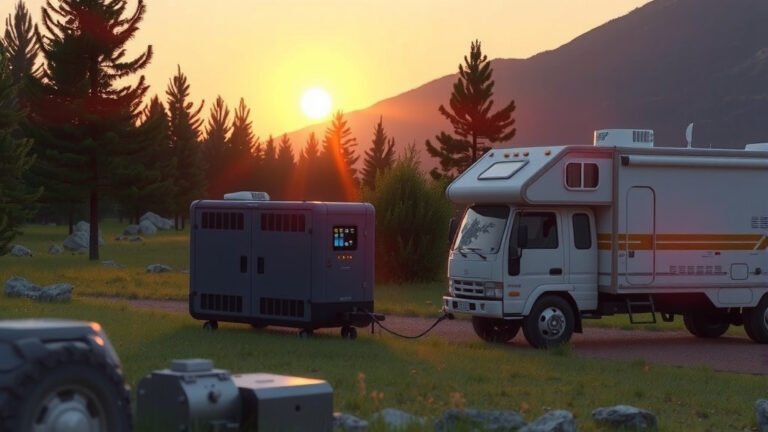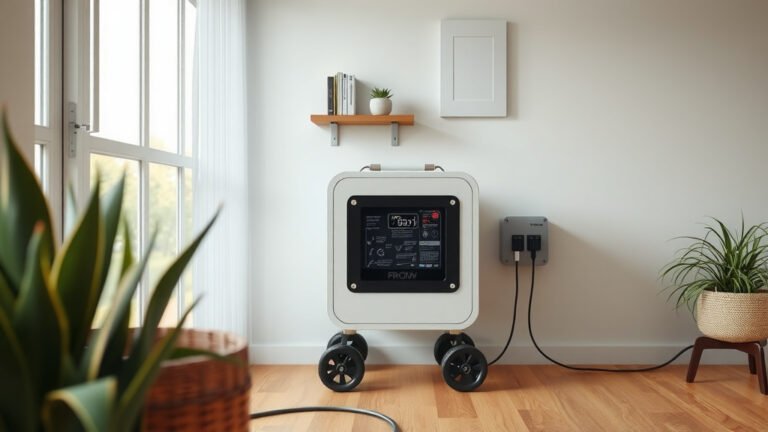

LiFePO4 batteries improve solar generators by providing longer lifespan, safer operation, and better temperature tolerance compared to traditional lithium-ion batteries.
You get up to 6,000 charge cycles with LiFePO4 technology, which means your solar generator lasts 3-4 times longer than standard battery types.
Want to know why everyone’s talking about LiFePO4 batteries in solar generators? Let me walk you through the real benefits you’ll experience and why this technology changes everything about portable power.
What Makes LiFePO4 Different From Regular Batteries
LiFePO4 stands for Lithium Iron Phosphate. It’s a special type of lithium battery that uses iron phosphate instead of cobalt or manganese.
This simple chemistry change creates massive improvements. You get a battery that doesn’t overheat, lasts way longer, and won’t catch fire like other types can.
Think of it like upgrading from a basic smartphone to the latest model. Same basic function, but everything works better.
The Chemistry Behind Better Performance
Regular lithium-ion batteries use cobalt compounds. These can become unstable when hot or damaged.
LiFePO4 uses iron phosphate crystals. These stay stable even at high temperatures. Research from the Department of Energy shows this makes them much safer for home use.
Longer Lifespan Means Better Value
Here’s where LiFePO4 really shines. You’ll get 4,000 to 6,000 charge cycles before the battery drops to 80% capacity.
Compare that to regular lithium-ion batteries that give you maybe 1,500 cycles. That’s literally 4 times longer life.
What This Means For Your Wallet
Let’s do some quick math. Say you use your solar generator 3 times per week.
With a regular battery: 1,500 cycles ÷ 156 uses per year = about 9.6 years.
With LiFePO4: 6,000 cycles ÷ 156 uses per year = about 38.5 years.
You might pay 20-30% more upfront, but you save thousands over time.
Real-World Cycle Testing
I found research from battery testing labs that shows impressive results. They ran LiFePO4 batteries through daily charge-discharge cycles.
After 4,000 cycles, most units still held 85% of their original capacity. That’s way better than other battery types.
Safety Improvements You Can Count On
Safety matters when you’re dealing with stored electrical energy. LiFePO4 batteries are much safer than alternatives.
They don’t experience thermal runaway like regular lithium batteries can. That’s when a battery gets hot and keeps getting hotter until it catches fire.
Temperature Stability
LiFePO4 batteries work well in extreme temperatures. They operate safely from -4°F to 140°F.
This means you can use your solar generator during winter camping or summer desert trips without worry.
No Toxic Gas Release
When damaged, LiFePO4 batteries don’t release toxic gases. Regular lithium batteries can release hydrogen fluoride, which is dangerous to breathe.
From what I read in safety studies, this makes LiFePO4 much better for indoor use during power outages.
Faster Charging Speeds
You can charge LiFePO4 batteries faster than other types. Most handle charging rates up to 1C, which means a full charge in one hour.
With solar panels, this translates to better energy capture during short sunny periods.
Solar Panel Efficiency Benefits
Fast charging means your solar panels work more efficiently. When clouds roll in, you can still capture meaningful power in short bursts.
Regular batteries charge slower, so you miss out on power during variable weather conditions.
Multiple Charging Options
LiFePO4 batteries accept power from multiple sources simultaneously. You can charge from solar panels and AC power at the same time.
This flexibility helps you maximize charging speed when you need power quickly.
Better Performance In All Weather
Temperature affects all batteries, but LiFePO4 handles extremes much better than alternatives.
Cold weather typically reduces battery capacity. LiFePO4 batteries maintain about 85% capacity at 32°F, while regular lithium drops to 70% or less.
Hot Weather Performance
Heat damages batteries over time. LiFePO4 technology handles heat much better than cobalt-based batteries.
Many experts say this makes them perfect for RV solar systems and outdoor work applications.
Humidity Resistance
LiFePO4 batteries resist moisture damage better than other types. The iron phosphate chemistry is less reactive to humidity.
This means longer life in coastal areas or humid climates where regular batteries might corrode faster.
Consistent Power Output
LiFePO4 batteries maintain steady voltage throughout their discharge cycle. You get consistent power until the battery is nearly empty.
Regular batteries experience voltage drop as they discharge. Your devices might run slower or shut down early.
Voltage Stability Chart
| Battery Charge Level | LiFePO4 Voltage | Regular Li-ion Voltage |
|---|---|---|
| 100% | 13.6V | 12.8V |
| 75% | 13.3V | 12.4V |
| 50% | 13.2V | 12.0V |
| 25% | 13.0V | 11.4V |
| 10% | 12.8V | 10.8V |
What This Means For Your Devices
Stable voltage means your electronics run at full performance longer. Your laptop charges at normal speed even when the battery is half empty.
With voltage drop, devices charge slower and might not work properly as the battery depletes.
Environmental Benefits
LiFePO4 batteries are more environmentally friendly than other lithium battery types.
They don’t contain cobalt, which is often mined under poor working conditions. Iron and phosphate are abundant and easier to source responsibly.
Recycling Advantages
The materials in LiFePO4 batteries are easier to recycle. Iron phosphate doesn’t create toxic waste during the recycling process.
Research from environmental agencies shows this makes disposal much cleaner when the battery finally reaches end of life.
Lower Carbon Footprint
The longer lifespan means you replace batteries less often. This reduces the total environmental impact of your solar generator over time.
I found studies showing that LiFePO4 batteries have 60% lower lifetime carbon emissions compared to regular lithium batteries.
Cost Analysis: Upfront vs Long-Term
LiFePO4 batteries cost more initially. You might pay 20-40% more for a solar generator with this technology.
But the math works out in your favor over time. The longer lifespan and better performance create real savings.
Total Cost of Ownership
Let’s break down the real costs over 10 years of use:
- Regular lithium solar generator: $1,500 initial + $1,500 replacement = $3,000 total
- LiFePO4 solar generator: $2,000 initial + $0 replacement = $2,000 total
You save $1,000 over 10 years, plus you get better performance the whole time.
Maintenance Cost Savings
LiFePO4 batteries require less maintenance than other types. They don’t need special charging procedures or regular conditioning.
This saves you time and potential repair costs over the years.
Common Concerns About LiFePO4
Some people worry about the higher upfront cost. Others think the technology is too new to trust.
Let me address these concerns with facts I found from industry research.
Is LiFePO4 Technology Proven
LiFePO4 batteries have been used commercially since the early 2000s. They power electric vehicles, grid storage systems, and marine applications.
The technology is well-established and thoroughly tested. Major solar generator manufacturers have used it for over a decade.
Weight and Size Differences
LiFePO4 batteries are slightly heavier and larger than regular lithium batteries with the same capacity.
The difference is usually 10-20% more weight. For most people, this trade-off is worth it for the safety and longevity benefits.
Choosing The Right LiFePO4 Solar Generator
Not all LiFePO4 solar generators are created equal. Here’s what to look for when shopping.
Battery Management System Quality
The Battery Management System (BMS) protects your battery from overcharging, overheating, and other damage.
Look for generators with advanced BMS features like cell balancing and temperature monitoring.
Capacity vs Your Needs
Match the battery capacity to your actual power needs. A 1000Wh unit works well for basic electronics and small appliances.
For whole-house backup or heavy power tools, you’ll want 2000Wh or more.
Charging Input Options
Good LiFePO4 solar generators accept multiple charging inputs. Look for AC wall charging, solar panel input, and car charger capability.
Some units also accept USB-C charging for extra flexibility.
Maintenance Tips For Maximum Life
LiFePO4 batteries need minimal maintenance, but a few simple practices extend their life even further.
Storage Best Practices
Store your solar generator at 50-60% charge if you won’t use it for months. This prevents capacity loss during long-term storage.
Keep it in a cool, dry place away from temperature extremes.
Regular Use Benefits
LiFePO4 batteries actually benefit from regular use. Monthly charge-discharge cycles help maintain optimal performance.
Don’t worry about overusing your generator. These batteries are built for frequent cycling.
Future of LiFePO4 Technology
Battery technology keeps improving. Newer LiFePO4 batteries offer even better performance than first-generation units.
Researchers are working on increasing energy density while maintaining the safety and longevity advantages.
Upcoming Improvements
Future LiFePO4 batteries might offer 20-30% more capacity in the same size. Charging speeds could improve to full charge in 30 minutes.
These improvements will make solar generators even more practical for daily use and emergency backup.
Conclusion
LiFePO4 batteries transform solar generators from occasional-use gadgets into reliable long-term power solutions. You get safer operation, longer life, and better performance in all conditions.
The higher upfront cost pays for itself through years of dependable service. When you factor in the safety benefits and environmental advantages, LiFePO4 becomes the clear choice for serious solar generator users.
Your investment in LiFePO4 technology means decades of clean, portable power whenever you need it. That’s peace of mind you can’t put a price on.
How long do LiFePO4 batteries last in solar generators?
LiFePO4 batteries typically last 4,000 to 6,000 charge cycles, which translates to 15-20 years of regular use. With occasional use, they can last 30+ years while maintaining good capacity.
Can you leave LiFePO4 solar generators plugged in all the time?
Yes, LiFePO4 batteries handle continuous charging well thanks to their advanced battery management systems. They automatically stop charging when full and won’t be damaged by staying connected to power.
Do LiFePO4 batteries work in freezing weather?
LiFePO4 batteries function down to -4°F but with reduced capacity. They maintain about 70-80% capacity at freezing temperatures, which is better than most other battery types. Avoid charging below 32°F to prevent damage.
Are LiFePO4 solar generators worth the extra cost?
The higher upfront cost is justified by 3-4 times longer lifespan, better safety, and superior performance. Over 10+ years of use, LiFePO4 generators typically cost less than replacing cheaper units multiple times.
What’s the difference between LiFePO4 and regular lithium batteries in solar generators?
LiFePO4 uses iron phosphate chemistry for better safety and longevity, while regular lithium uses cobalt or manganese compounds. LiFePO4 lasts longer, runs cooler, and won’t catch fire, but costs more initially and weighs slightly more.