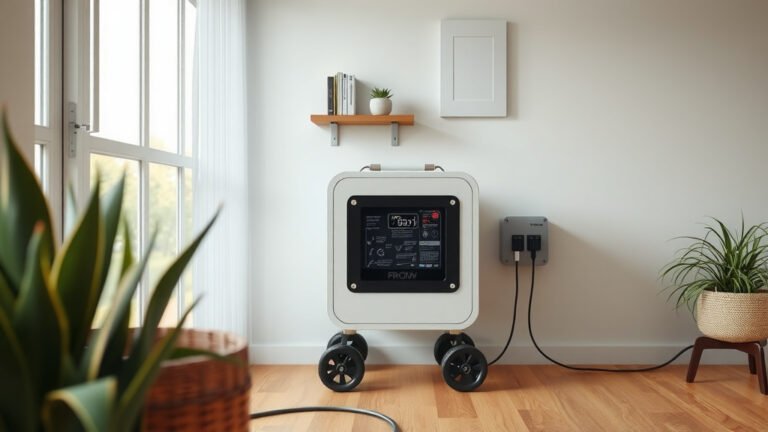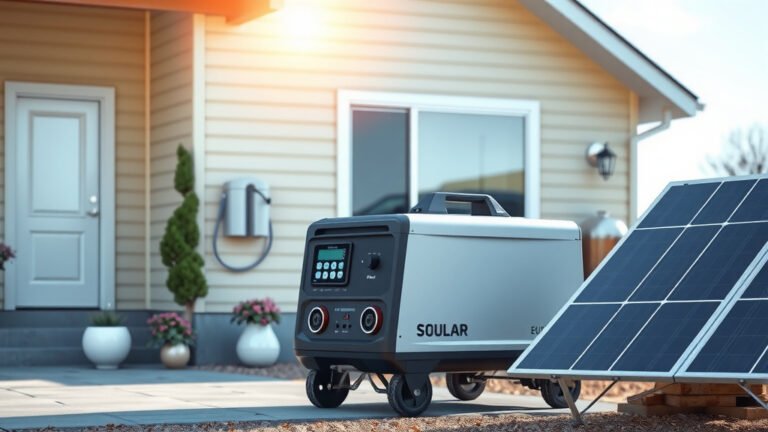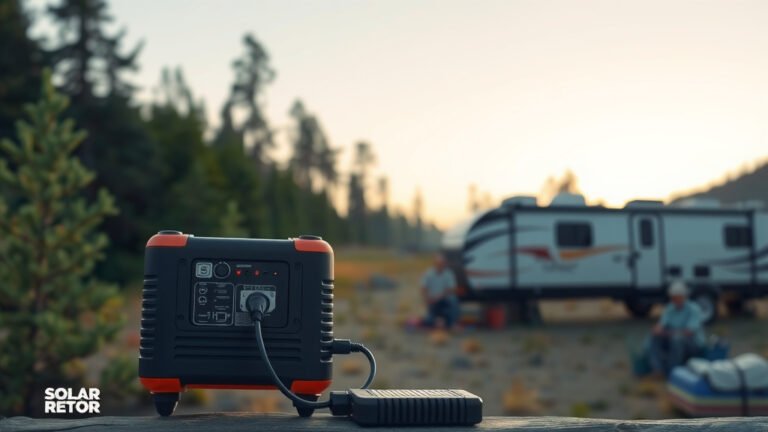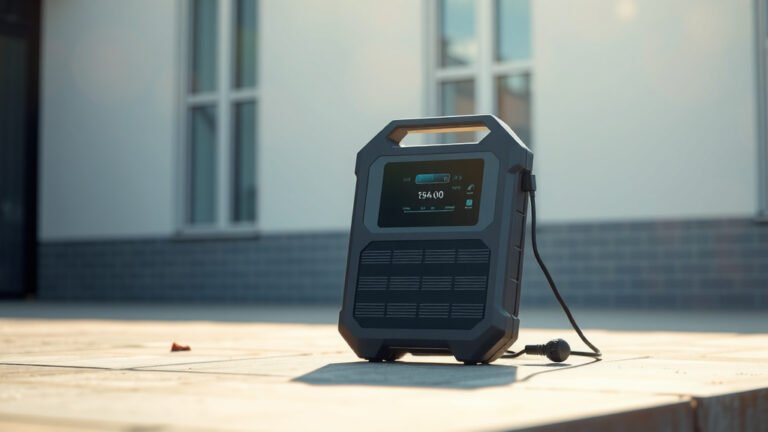

Lithium-ion power stations use standard lithium-ion batteries that offer high energy density but shorter lifespans. LiFePO4 power stations use lithium iron phosphate batteries that last longer and stay safer but store less power per pound.
The main difference between lithium-ion and LiFePO4 power stations lies in their battery chemistry, which affects safety, lifespan, and performance in different ways.
Understanding Battery Chemistry Basics
You might wonder why battery chemistry matters so much. Think of it like choosing between different types of cars. Both will get you where you need to go, but they have different strengths.
Lithium-ion batteries use various cathode materials like lithium cobalt oxide or lithium nickel manganese cobalt. These create high energy density but come with trade-offs.
LiFePO4 stands for lithium iron phosphate. This specific chemistry creates a more stable battery structure. It’s like having a sturdy truck versus a sports car.
Key Performance Differences
Energy Density Comparison
Lithium-ion power stations pack more energy into smaller spaces. You get more power per pound of weight. This makes them perfect when you need maximum power in a compact design.
LiFePO4 units are heavier and bulkier for the same power output. But this extra weight comes with benefits you’ll appreciate over time.
Charging Speed Differences
Both types charge fairly quickly, but lithium-ion typically charges faster. You might get full power in 2-3 hours versus 4-5 hours for LiFePO4.
The trade-off? Fast charging can stress batteries over time. LiFePO4 batteries handle this stress better.
Lifespan and Cycle Life
How Long Each Type Lasts
Here’s where LiFePO4 really shines. Research shows these batteries can handle 2,000 to 6,000 charge cycles. Standard lithium-ion batteries typically last 500 to 1,500 cycles (Battery University).
What does this mean for you? Your LiFePO4 power station could last 10+ years with regular use. A lithium-ion unit might need replacement after 3-5 years.
Factors That Affect Battery Life
Temperature plays a huge role. Both battery types hate extreme heat, but lithium-ion is more sensitive.
Depth of discharge matters too. Draining batteries completely shortens their life. LiFePO4 handles deep discharge better.
Storage Impact on Longevity
If you store your power station for months, LiFePO4 wins again. It holds charge longer and degrades slower during storage.
Safety Considerations
Thermal Runaway Risks
Safety is where these chemistries differ most. Lithium-ion batteries can experience thermal runaway. This means they get hot, then hotter, potentially leading to fire.
LiFePO4 batteries are much more stable. They resist thermal runaway even when damaged or overcharged.
Built-in Protection Systems
Both types include safety circuits, but lithium-ion needs more protection. You’ll find more complex battery management systems in lithium-ion units.
LiFePO4 units have simpler protection because the chemistry itself is safer.
Real-World Safety Performance
I found that aviation authorities often prefer LiFePO4 for aircraft applications due to safety concerns. This tells you something about relative safety levels.
Cost Analysis
Upfront Purchase Price
Lithium-ion power stations typically cost less upfront. You might save $200-500 compared to similar-capacity LiFePO4 units.
But here’s the catch. You need to think beyond initial price.
Long-term Value Comparison
When you factor in lifespan, LiFePO4 often wins on total cost. If a LiFePO4 unit lasts twice as long, it’s effectively cheaper per year.
| Factor | Lithium-Ion | LiFePO4 |
|---|---|---|
| Initial Cost | Lower | Higher |
| Lifespan | 3-5 years | 10+ years |
| Cost per Year | Higher | Lower |
Performance in Different Conditions
Temperature Tolerance
Cold weather affects both types, but differently. Lithium-ion loses more capacity in freezing temperatures. You might get 20-30% less power on cold days.
LiFePO4 handles cold better. You’ll still see reduced capacity, but less dramatic drops.
Hot Weather Performance
Heat is harder on lithium-ion batteries. High temperatures speed up degradation and increase safety risks.
LiFePO4 tolerates heat better. This makes it ideal for hot climates or sunny camping trips.
Humidity and Environmental Factors
Both types need protection from moisture. But LiFePO4’s stable chemistry makes it less reactive to environmental stress.
Best Use Cases for Each Type
When to Choose Lithium-Ion
Pick lithium-ion when weight and size matter most. Think backpacking, RV travel, or emergency kits where every pound counts.
Also choose it for occasional use. If you only use your power station a few times per year, the shorter lifespan won’t matter much.
When to Choose LiFePO4
Go with LiFePO4 for heavy daily use. Off-grid homes, frequent camping, or backup power systems benefit from the longer lifespan.
Safety-critical applications also favor LiFePO4. If you can’t afford any fire risk, this chemistry wins.
Professional and Commercial Applications
Many commercial users prefer LiFePO4 despite higher upfront costs. The longer lifespan and better safety record justify the investment.
Maintenance Requirements
Daily Care Differences
Both types are fairly low-maintenance. But lithium-ion needs more careful handling. You should avoid extreme temperatures and deep discharges.
LiFePO4 is more forgiving. You can drain it deeper and stress about temperature less.
Storage Best Practices
For long-term storage, keep both types at 50-70% charge. Store them in cool, dry places.
LiFePO4 handles storage neglect better. If you forget to check charge levels, it’s less likely to suffer permanent damage.
Future Technology Trends
Innovation in Battery Chemistry
Both technologies keep improving. New lithium-ion variants promise better safety. LiFePO4 developments focus on reducing weight and size.
From what I read in industry reports, LiFePO4 adoption is growing faster in portable power applications.
Market Direction
More manufacturers are offering LiFePO4 options. Prices are dropping as production scales up.
Some experts predict LiFePO4 will dominate the portable power market within 5 years due to safety and longevity advantages.
Making Your Decision
Your choice depends on your specific needs. Ask yourself these questions:
- How often will you use the power station?
- Is weight a major concern?
- What’s your budget for both initial purchase and long-term ownership?
- How important is maximum safety?
For most people, I found that LiFePO4 offers better long-term value. The safety and lifespan benefits usually outweigh the higher upfront cost and extra weight.
Conclusion
The choice between lithium-ion and LiFePO4 power stations comes down to your priorities. Lithium-ion gives you maximum power density and lower upfront costs. LiFePO4 provides superior safety, longer lifespan, and better long-term value.
If weight and initial cost are your main concerns, lithium-ion works well. But if you want a power station that lasts for years with minimal safety concerns, LiFePO4 is worth the extra investment. Consider how you’ll actually use your power station, and choose the chemistry that best matches your real-world needs.
Can I replace a lithium-ion power station battery with LiFePO4?
No, you cannot directly replace lithium-ion batteries with LiFePO4 in existing power stations. They require different charging systems and voltage management. The internal components are designed specifically for one chemistry type.
Do LiFePO4 power stations work with solar panels?
Yes, LiFePO4 power stations work excellently with solar panels. They actually handle the variable charging patterns from solar better than lithium-ion batteries. Their longer lifespan makes them ideal for solar applications.
Which type performs better in winter camping?
LiFePO4 generally performs better in cold weather. While both types lose some capacity in freezing temperatures, LiFePO4 maintains more consistent performance and suffers less permanent damage from cold exposure.
How can I tell which battery type my power station uses?
Check the product specifications or manual for battery chemistry information. Look for terms like “LiFePO4,” “lithium iron phosphate,” or “Li-ion.” The model number or product name often includes battery type indicators.
Is it safe to leave either type plugged in continuously?
Both types can be left plugged in, but LiFePO4 handles continuous charging better. Lithium-ion batteries may degrade faster with constant charging. Most modern power stations have smart charging that reduces this risk for both chemistries.