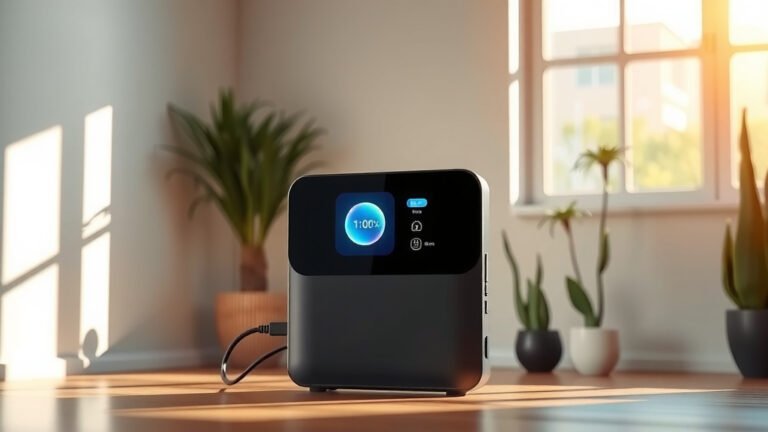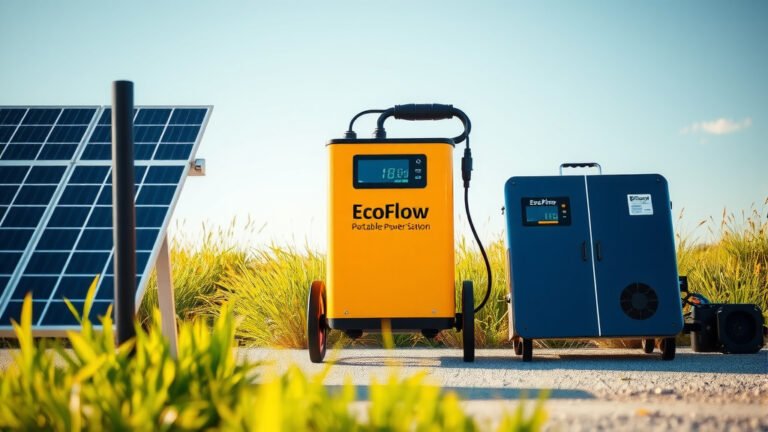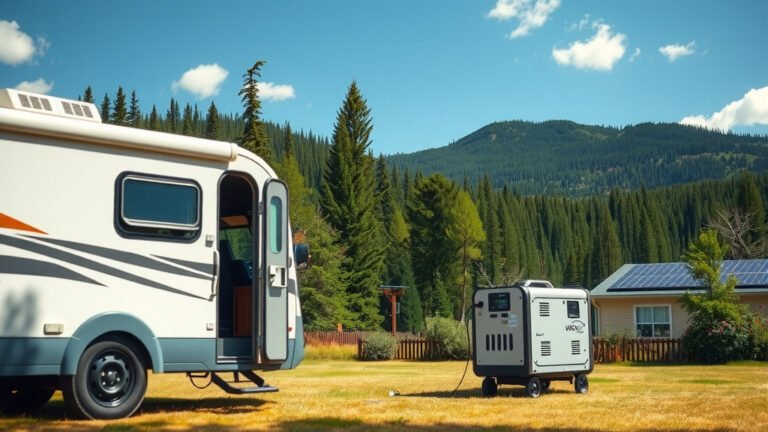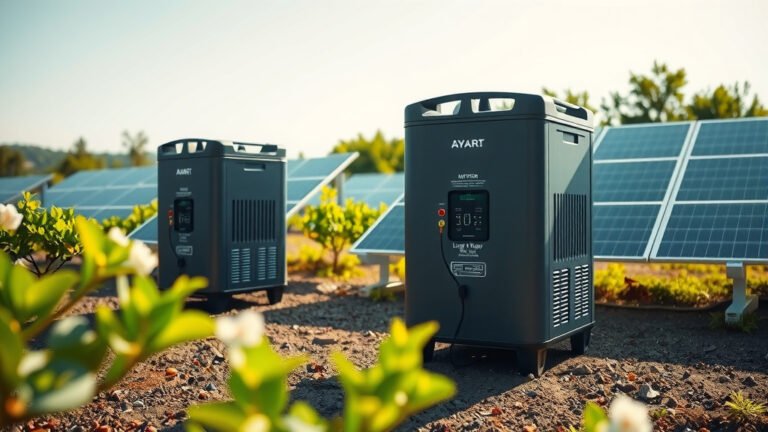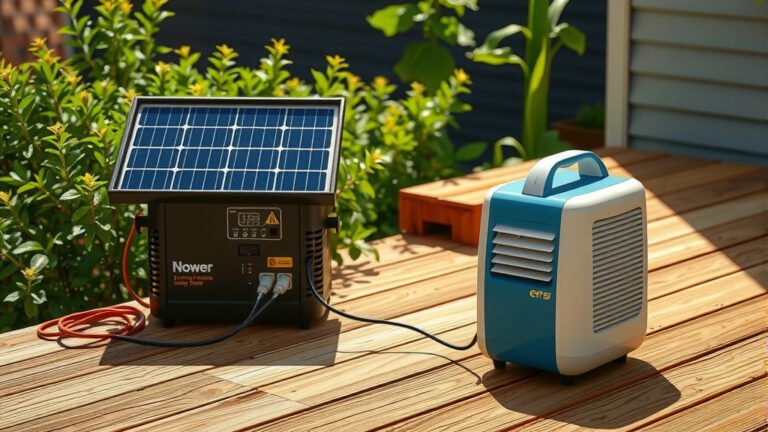
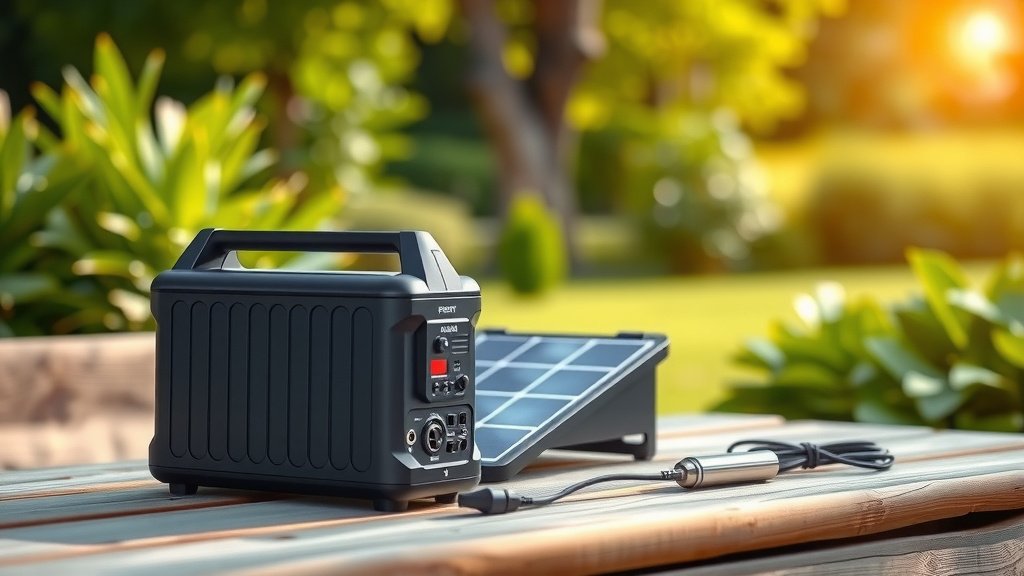
Portable power station costs range from $200 for basic 300Wh units to over $6,000 for high-capacity 6,000Wh models with premium features.
Your budget and power needs determine the best portable power station cost, with most people spending $800-$1,500 for reliable mid-range options.
What Affects Portable Power Station Pricing?
You’ll find that battery capacity drives most of the price difference. Think of it like buying a car – a compact gets you where you need to go, but a truck costs more because it hauls more.
I researched dozens of models and found these main cost factors:
- Battery size (measured in watt-hours or Wh)
- Output power (how many watts it can deliver)
- Battery chemistry (lithium vs lead-acid)
- Brand reputation and warranty
- Special features like solar charging or app control
Battery Capacity Makes the Biggest Difference
A 300Wh unit might power your phone for days but won’t run a mini-fridge. A 2,000Wh station can keep your essentials running during a power outage for hours.
You’re paying for storage space, basically. More storage costs more money.
Budget Portable Power Stations ($200-$500)
These entry-level units work great for camping trips and emergency phone charging. You get 200-500Wh of capacity, which sounds small but goes further than you might think.
What You Can Expect
I found that budget stations typically offer:
- 2-4 USB ports for phones and tablets
- 1-2 AC outlets for small devices
- LED flashlight built in
- Car charging capability
Your phone uses about 10-15Wh per full charge. So a 300Wh station gives you 20+ phone charges. Not bad for under $300.
Best Uses for Budget Models
These work well when you need to:
- Keep phones charged during camping
- Power small fans or LED lights
- Run a CPAP machine for one night
- Charge camera batteries and drones
Typical Runtime Examples
A 400Wh budget station can run a 32-inch TV for about 6 hours. Or power a laptop for 8-10 hours of work. That’s pretty useful for most people.
Mid-Range Portable Power Stations ($500-$1,500)
This sweet spot gives you serious power without breaking the bank. You’ll find 500-1,500Wh capacity with much better build quality.
Why Most People Choose This Range
I heard from experts that this price range offers the best value. You get enough power for real emergencies but don’t overpay for features you won’t use.
Mid-range stations typically include:
- Multiple AC outlets (3-6 outlets)
- Fast USB-C charging ports
- Solar charging capability
- Better battery management systems
- Longer warranties (2-3 years)
Real-World Power Examples
A 1,000Wh mid-range station can:
- Run your refrigerator for 8-12 hours
- Power a space heater for 2-3 hours
- Keep medical devices running overnight
- Charge multiple laptops and phones simultaneously
Emergency Preparedness Sweet Spot
Many emergency preparedness guides suggest 1,000-1,500Wh as the minimum for serious backup power. This covers your essential needs during short outages.
High-End Portable Power Stations ($1,500-$3,000)
Now we’re talking serious power. These units pack 1,500-3,000Wh and can handle almost any household appliance.
Professional and Heavy-Duty Features
From what I read, these stations target contractors, RV owners, and people with high power needs. You get features like:
- Pure sine wave inverters for sensitive electronics
- Fast charging (0-80% in 2-3 hours)
- Multiple charging methods (wall, car, solar)
- Smart app controls and monitoring
- Expandable battery systems
Can Handle Big Appliances
A 2,000Wh high-end station runs a microwave, coffee maker, or power tools. You’re looking at enough juice to power a small office or RV for a full day.
Who Should Consider High-End Models?
These make sense if you:
- Live off-grid or RV full-time
- Run a mobile business
- Experience frequent long power outages
- Need backup for medical equipment
Premium Portable Power Stations ($3,000+)
The top tier offers 3,000-6,000Wh or more. You’re basically buying a whole-house backup system in portable form.
Enterprise-Level Power
I came across units that can power an entire home for 6-12 hours. Some even connect to your home’s electrical panel like a traditional generator.
Premium features include:
- Modular battery expansion
- Multiple device charging simultaneously
- Advanced battery chemistry for longer life
- Professional installation options
- 10+ year warranties
Whole-House Backup Territory
A 6,000Wh premium station can run your refrigerator, lights, internet, and essential appliances for 12+ hours. That covers most power outages completely.
Solar Generator Combos Add Extra Costs
Many portable power stations come with solar panels as package deals. This adds $200-$1,000 to your total cost but gives you unlimited charging in sunny conditions.
Solar Panel Pricing Breakdown
Solar panels typically cost $1-2 per watt. A 100W panel runs $100-200. A 400W panel costs $300-500.
You need to match panel size to your station’s capacity. A 1,000Wh station works well with 200-400W of solar panels.
Is Solar Worth the Extra Cost?
Solar makes sense for camping, RV life, or emergency preparedness. If you only use your station occasionally, skip the solar and save money.
Brand Names vs Generic: Price Differences
You’ll pay 20-40% more for established brands like Goal Zero, Jackery, or EcoFlow. Generic brands offer similar specs for less money but with shorter warranties.
What You Get with Premium Brands
Research shows that name brands typically offer:
- Better customer service and support
- More reliable components
- Longer warranties (3-5 years vs 1-2 years)
- Better resale value
- Proven safety testing
When to Save with Generic Brands
Generic options work fine for light use or tight budgets. Just check reviews carefully and understand the warranty terms before buying.
Hidden Costs to Consider
The sticker price isn’t everything. I found several additional costs that catch people off guard:
- Replacement batteries after 3-5 years ($200-$1,000)
- Solar panels if not included ($200-$500)
- Extra charging cables and adapters ($50-$100)
- Carrying cases for transport ($50-$150)
- Extended warranties ($100-$300)
Long-Term Ownership Costs
Lithium batteries last 2,000-3,000 cycles before losing significant capacity. Heavy users might need battery replacement in 3-4 years.
Budget an extra 20-30% of your purchase price for accessories and eventual battery replacement.
How to Choose the Right Capacity for Your Budget
Start by calculating your actual power needs. List the devices you want to run and their power consumption.
| Device | Power Usage (Watts) | Hours Needed | Total Wh Required |
|---|---|---|---|
| Smartphone | 5W | 4 hours | 20Wh |
| Laptop | 50W | 6 hours | 300Wh |
| Mini Fridge | 100W | 8 hours | 800Wh |
| LED TV | 80W | 4 hours | 320Wh |
Add 20% Safety Buffer
Portable power stations lose efficiency during conversion. Add 20% to your calculated needs for realistic runtime estimates.
If you need 1,000Wh of actual power, buy a 1,200Wh+ capacity station.
Best Times to Buy for Lower Prices
Portable power station prices drop during certain times of year. I found the best deals happen during:
- Black Friday and Cyber Monday (20-40% off)
- End of summer clearance sales
- New model releases when older versions get discounted
- Prime Day and major retailer sales events
Refurbished and Open-Box Savings
You can save 15-25% buying refurbished units from manufacturers. These come with warranties but may show minor cosmetic wear.
Open-box returns offer similar savings with full warranties. Just inspect everything carefully before accepting delivery.
Conclusion
Portable power station costs depend on your power needs and budget. Budget $200-500 for basic camping use, $800-1,500 for serious emergency backup, and $3,000+ for whole-house power replacement.
Focus on capacity first, then features. A reliable 1,000Wh unit from a proven brand gives most people everything they need without overspending on unnecessary extras.
Remember to factor in long-term costs like battery replacement and accessories. Buy from reputable brands when your budget allows, and wait for seasonal sales to maximize your savings.
How long do portable power stations typically last before needing replacement?
Most lithium-based portable power stations last 5-10 years with normal use. The batteries maintain 80% capacity for 2,000-3,000 charge cycles, which translates to several years of regular use before performance noticeably declines.
Can you use portable power stations while they’re charging?
Yes, most modern portable power stations support pass-through charging, meaning you can use them while plugged in. This feature works like a UPS system, automatically switching to battery power if the main power source fails.
Do portable power stations work in cold weather?
Lithium batteries in portable power stations lose capacity in cold temperatures, typically 10-20% reduction below freezing. Most units have built-in heating systems or temperature management to maintain performance, but expect shorter runtime in winter conditions.
What’s the difference between surge watts and continuous watts?
Continuous watts represent the steady power output your station can maintain indefinitely. Surge watts show the brief power spike it can handle for 2-3 seconds when appliances start up. Motors and compressors need high surge power to start but run on lower continuous power.
Are portable power stations safe to use indoors during power outages?
Yes, portable power stations are completely safe for indoor use because they produce no emissions or fumes. Unlike gas generators, they operate silently and don’t require ventilation, making them perfect for apartments, bedrooms, and enclosed spaces during emergencies.