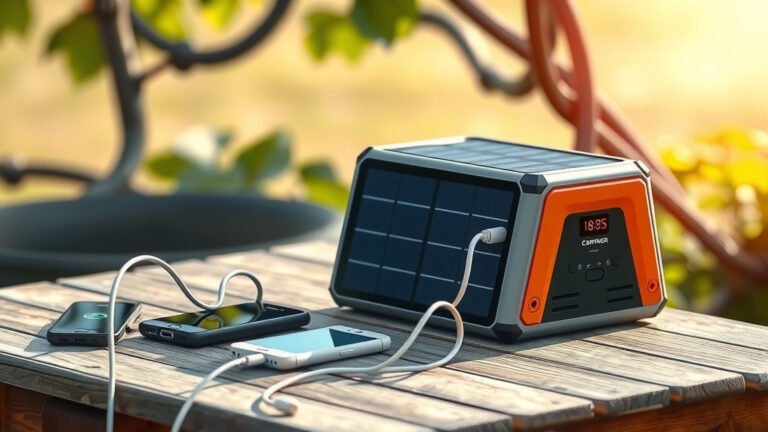
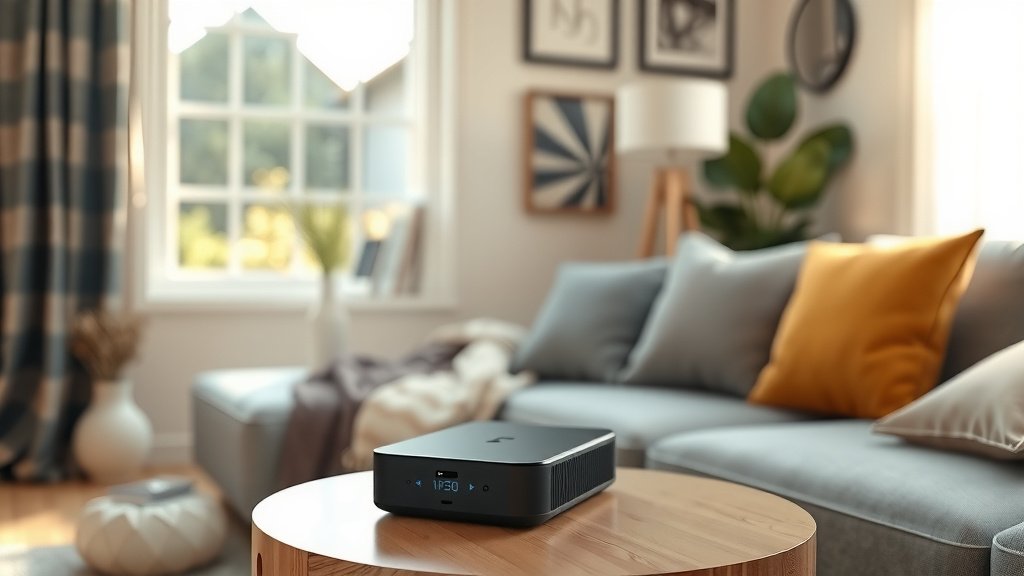
Yes, portable power stations can be used indoors safely as they produce no emissions, unlike gas generators.
These battery-powered devices offer clean, quiet electricity for indoor use during outages or when you need portable power station backup.
What Makes Indoor Use Safe
Portable power stations run on lithium batteries. They don’t burn fuel or create harmful gases. This makes them perfect for indoor spaces where ventilation matters.
Gas generators release carbon monoxide, a deadly gas you can’t see or smell. Power stations skip this danger completely. You can run them in your bedroom, basement, or any enclosed space without worry.
Zero Emissions Technology
Battery power means zero fumes. No carbon monoxide. No nitrogen oxides. Just clean electricity flowing from stored energy.
I found that most modern power stations use lithium iron phosphate batteries. These are stable and safe for home use (Department of Energy).
Quiet Operation Benefits
Power stations run almost silently. Most produce less than 50 decibels of noise. That’s quieter than a normal conversation.
Gas generators roar at 80-100 decibels. Your neighbors will thank you for choosing the quiet option.
Safety Features for Indoor Use
Modern power stations come loaded with safety systems. These protect you and your home from electrical problems.
Built-in Protection Systems
Most units include multiple safety features:
- Over-current protection stops dangerous power surges
- Temperature control prevents overheating
- Short-circuit protection cuts power instantly if wires cross
- Low voltage shutoff preserves battery life
These systems work automatically. You don’t need to monitor anything.
Fire Prevention Technology
Quality power stations use fire-resistant materials. The battery management system monitors each cell for problems.
Research shows that lithium iron phosphate batteries have excellent thermal stability (National Renewable Energy Laboratory). They resist catching fire even under stress.
Heat Management
Good power stations include cooling fans. These kick in when the unit gets warm. The fans keep everything at safe temperatures.
Place your unit where air can flow around it. Don’t stuff it in a tight closet while it’s running.
Best Practices for Indoor Operation
Want to use your power station safely indoors? Follow these simple guidelines.
Proper Ventilation Guidelines
Even though power stations don’t create fumes, they need some airflow. Heat builds up during heavy use.
Keep at least 12 inches of space around the unit. This lets heat escape and prevents overheating.
Room Temperature Considerations
Most power stations work best between 32-104°F. Extreme cold reduces battery capacity. Extreme heat triggers safety shutoffs.
Your living room temperature is perfect. Avoid attics, garages, or other spaces that get very hot or cold.
Surface Placement Tips
Put your power station on a hard, flat surface. Avoid carpets, beds, or couches that might block air vents.
A table, floor, or shelf works great. Just make sure the surface can handle the weight. Large power stations can weigh 30-50 pounds.
Cord Management
Keep charging cords away from walkways. You don’t want anyone tripping over cables in the dark.
Coil extra cord length neatly. Don’t let cords touch the power station’s heat vents.
What You Can Power Indoors
Power stations handle most household electronics with ease. But knowing your limits helps you plan better.
Common Household Items
Here’s what typical power stations can run:
| Device | Power Draw | Runtime (1000Wh unit) |
|---|---|---|
| LED lights | 10W | 80+ hours |
| Phone charger | 20W | 40+ charges |
| Laptop | 65W | 12+ hours |
| Small refrigerator | 150W | 5-7 hours |
| TV | 100W | 8-10 hours |
Power Calculation Made Simple
Want to know how long something will run? Divide the power station’s capacity by your device’s power draw.
Example: 1000Wh power station ÷ 100W TV = 10 hours of runtime.
High-Power Appliances
Some appliances use too much power for most portable stations:
- Electric heaters (1500W+)
- Hair dryers (1200W+)
- Microwave ovens (800W+)
- Coffee makers (1000W+)
These might work briefly but will drain your battery fast.
Charging Your Power Station Indoors
Charging indoors is simple and safe. You have several options to keep your unit ready.
Wall Outlet Charging
Most power stations include an AC adapter. Plug it into any household outlet. Full charging takes 6-8 hours for most units.
The adapter gets warm during charging. This is normal. Don’t cover it with blankets or papers.
Solar Charging Through Windows
Some power stations accept solar panels. You can set up panels by a sunny window for indoor solar charging.
Window glass blocks some sunlight, so charging takes longer than outdoor solar setups. But it still works on bright days.
Optimal Window Placement
South-facing windows get the most sun in North America. East and west windows work too, just for fewer hours daily.
Clean windows let more light through. Dirty glass can cut solar efficiency by 20% or more.
Maintenance for Indoor Use
Indoor power stations need little maintenance. But a few simple steps keep them running well.
Regular Cleaning
Dust the case and vents monthly with a dry cloth. Don’t use water or cleaning sprays on electronic parts.
Check the display screen for dust or fingerprints. A microfiber cloth cleans it safely.
Battery Health Monitoring
Lithium batteries last longer when you keep them partially charged. Don’t let your power station sit empty for months.
I read that experts recommend storing lithium batteries at 50-80% charge (Battery University). This keeps the cells healthy during long storage.
Monthly Exercise Routine
Use your power station at least once monthly. Run it down to 20%, then charge it back up. This keeps the battery calibrated.
Think of it like exercising. Batteries that sit unused get weak over time.
When NOT to Use Indoors
Power stations are safe, but some situations call for extra care.
Damaged Unit Warning Signs
Don’t use a power station indoors if you notice:
- Cracks in the case
- Burning smells
- Unusual noises or clicking
- Display errors or warnings
- Swollen or bulging battery compartments
These signs mean something’s wrong. Contact the manufacturer before using it again.
Water and Moisture Concerns
Keep power stations away from water. Don’t use them in bathrooms during showers or near kitchen sinks.
If your unit gets wet, unplug everything and let it dry completely before testing.
Comparing Indoor Options
Not all power stations work equally well indoors. Size, noise, and features matter.
Size Considerations
Smaller units (under 500Wh) work great for basic needs. They’re light enough to move around easily.
Larger units (1000Wh+) power more devices longer but weigh more. Make sure you can lift them safely.
Noise Levels
Most power stations run silently under light loads. Cooling fans start when power draw increases.
Check the specs for fan noise ratings. Units under 45 decibels won’t disturb sleep or conversation.
Display Brightness
Some power stations have bright LED displays. These can be annoying in bedrooms at night.
Look for units with display dimming or auto-off features if you plan bedroom use.
Conclusion
Portable power stations excel at indoor use. They’re safe, quiet, and clean – everything gas generators aren’t. You can run them in any room without worrying about fumes or carbon monoxide.
The key is following basic safety practices. Give your unit space to breathe. Keep it on hard surfaces. Don’t overload it with high-power appliances.
Whether you need backup power for outages or portable electricity for projects, power stations deliver. They’re the smart choice for indoor power needs.
Can I run a portable power station overnight in my bedroom?
Yes, you can safely run a power station overnight in your bedroom. They produce no fumes and operate quietly. Just ensure good airflow around the unit and place it on a hard surface away from your bed.
How long can I safely leave a power station plugged in indoors?
You can leave most power stations plugged in indefinitely indoors. They have built-in charging management that prevents overcharging. The unit will stop drawing power once the battery reaches 100%.
Will a power station overheat in a small room?
Power stations can overheat in very small, poorly ventilated spaces under heavy use. Ensure at least 12 inches of clearance around the unit and avoid closets or tight spaces while operating high-power devices.
Can I use multiple power stations indoors at the same time?
Yes, you can safely operate multiple power stations indoors simultaneously. Each unit operates independently with its own safety systems. Just ensure adequate space and ventilation for each device.
Is it safe to charge a power station while using it indoors?
Most modern power stations support pass-through charging, allowing safe use while charging indoors. The unit will power your devices while simultaneously charging its battery from the wall outlet.