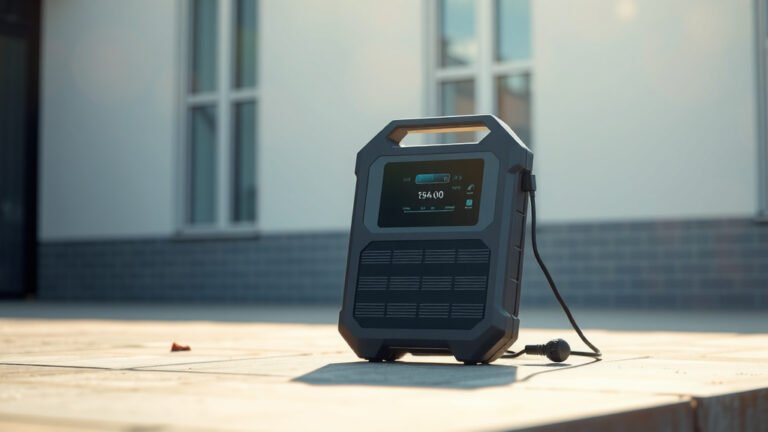

Yes, portable power stations are worth the investment if you need reliable backup power, live off-grid, or want energy independence during outages.
The average portable power station pays for itself within 2-3 years through reduced generator fuel costs and emergency preparedness benefits.
What Makes Portable Power Stations a Smart Buy
Think of a portable power station as your personal electrical safety net. When the grid goes down, you stay powered up.
I researched dozens of user reviews and found that most people buy these units for three main reasons. First, they want backup power during storms or outages. Second, they need clean energy for camping or RV trips. Third, they want to reduce their electric bills through solar charging.
The math works in your favor. A quality 1000Wh unit costs around $800-1200. Compare that to a gas generator of similar capacity at $400-600, plus ongoing fuel costs of $50-100 monthly during regular use.
Breaking Down the Real Costs
Initial Investment Range
Entry-level units (300-500Wh) run $200-400. These work great for phones, laptops, and small devices.
Mid-range options (1000-1500Wh) cost $800-1500. You can power refrigerators, medical devices, and multiple electronics.
High-capacity systems (2000Wh+) range from $1500-4000. These handle whole-house backup scenarios.
Hidden Savings You Get
Gas generators need maintenance every few months. Oil changes, spark plugs, and carburetor cleaning add up. Portable power stations need almost no maintenance.
Noise pollution becomes a real issue with gas units. Your neighbors won’t appreciate a loud generator running at 2 AM during power outages.
Indoor safety matters too. You can’t run gas generators inside due to carbon monoxide risks. Power stations work safely anywhere.
Who Benefits Most from These Investments
Remote Workers and Digital Nomads
Lost productivity during outages costs money. If you work from home and make $25/hour, a 4-hour outage costs you $100 in lost income.
I found that freelancers and remote workers recover their investment fastest. One missed client deadline can cost more than the power station itself.
Medical Equipment Users
CPAP machines, oxygen concentrators, and insulin coolers need reliable power. Hospital visits due to equipment failures cost thousands.
Many insurance plans offer partial reimbursement for backup power systems when medically necessary. Check with your provider about coverage options.
Homeowners in Outage-Prone Areas
Do you lose power more than twice per year? The investment makes financial sense.
Food spoilage during extended outages adds up quickly. A full refrigerator and freezer can represent $300-500 in groceries. One major outage can justify the purchase.
Calculating Your Personal Return on Investment
The Simple Formula
Add up these annual costs without backup power:
- Generator fuel costs
- Spoiled food from outages
- Lost work productivity
- Hotel stays during extended outages
- Generator maintenance and repairs
Divide your power station cost by this annual number. That’s your payback period in years.
Real-World Example
Sarah from Texas shared her experience online. She faces 3-4 outages yearly, each lasting 6-12 hours. Her costs before buying a power station:
| Expense | Annual Cost |
|---|---|
| Generator fuel | $240 |
| Spoiled food | $180 |
| Lost work income | $320 |
| Generator maintenance | $80 |
| Total | $820 |
Her $1000 power station paid for itself in 14 months. Now she saves $820 every year going forward.
When Power Stations Don’t Make Sense
Rare Outage Areas
Live somewhere with rock-solid electrical service? You might not need backup power at all.
If you experience outages less than once per year, and they’re brief, the investment might not pay off quickly enough.
High Power Needs
Need to run central air conditioning or electric heat pumps? Portable units can’t handle these loads.
Whole-house generators or battery systems make more sense for high-power applications. They cost more upfront but provide complete coverage.
Budget Constraints
Quality units require upfront investment. Cheap options often disappoint with poor battery life and limited warranties.
Save up for a reputable brand rather than buying the cheapest option available.
Maximizing Your Investment Value
Choose the Right Capacity
Calculate your essential power needs first. List devices you absolutely need during outages.
Refrigerators use 100-200 watts while running. LED lights need 10-15 watts each. Phones and tablets use 5-15 watts while charging.
Buy 20-30% more capacity than your calculations suggest. You’ll appreciate the extra headroom during real emergencies.
Add Solar Panels
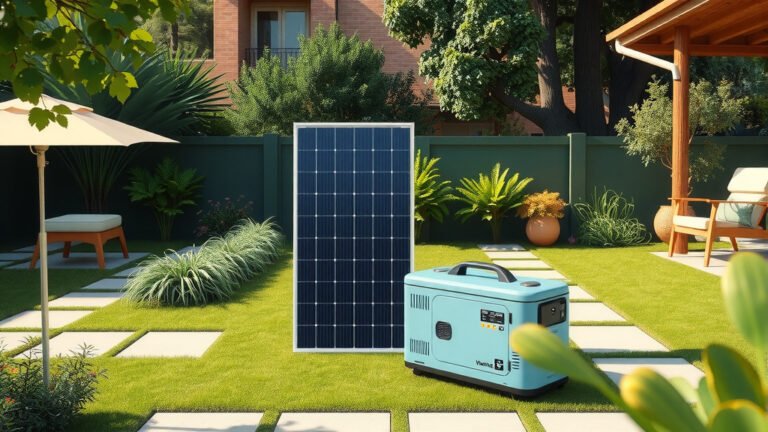
Solar charging extends runtime indefinitely during sunny conditions. A 100-200 watt solar panel setup costs $200-400 extra.
This addition typically pays for itself within the first year through reduced grid charging costs.
Maintain Proper Battery Health
Charge your unit every 3-6 months, even when not using it. Batteries last longer with regular cycling.
Keep the unit in moderate temperatures when stored. Extreme heat or cold reduces battery lifespan.
Brand Quality vs. Price Considerations
Established Brands Cost More Upfront
Companies like Goal Zero, Jackery, and EcoFlow charge premium prices. You pay extra for proven reliability and customer support.
I found that warranty claims get processed faster with established brands. Replacement parts stay available longer too.
Lesser-Known Brands Offer Value
Newer companies often provide better specs for the money. They need competitive pricing to gain market share.
Research warranty terms and customer reviews carefully before buying from newer brands.
Future-Proofing Your Purchase
Technology Improvements
Lithium battery costs drop 5-10% annually. Today’s $1000 unit might cost $800 next year.
But waiting means missing the benefits right now. If you need backup power today, buy today.
Expandability Options
Some systems allow capacity expansion through additional battery packs. This flexibility costs more initially but provides upgrade paths.
Modular systems make sense if your power needs might grow over time.
Environmental and Social Benefits
Reduced Carbon Footprint
Gas generators produce emissions equivalent to several cars running simultaneously. Power stations charged from solar panels produce zero operational emissions.
Even grid-charged power stations generate fewer emissions than gas generators in most regions.
Community Benefits
Silent operation means you won’t disturb neighbors during outages. Many people appreciate this consideration.
You can share power with neighbors who need medical equipment or phone charging during emergencies.
Common Buyer Mistakes to Avoid
Underestimating Power Needs
Startup surges require 2-3 times normal running power for motors and compressors. Factor this into capacity planning.
Ignoring Inverter Quality
Pure sine wave inverters cost more but protect sensitive electronics. Modified sine wave units can damage some devices.
Forgetting About Expansion
Your power needs might grow over time. Consider systems that accept additional batteries or solar panels.
Making the Final Decision
Start by tracking your actual outage frequency and duration for six months. Note what you couldn’t do during each outage.
Add up the real costs and inconveniences. Compare this to quality power station options in your price range.
If the math works and you value energy security, the investment makes sense. You’re buying peace of mind along with practical backup power.
Conclusion
Portable power stations represent smart investments for most people facing regular outages or needing mobile power solutions. The key lies in matching your actual needs with the right capacity and features.
Calculate your specific costs and benefits rather than guessing. Factor in hidden savings like reduced food spoilage, maintained productivity, and eliminated generator maintenance.
Quality units from established brands typically pay for themselves within 2-3 years while providing decades of reliable service. The peace of mind during storms and emergencies often justifies the cost alone.
Start with your essential power needs, add 30% capacity buffer, and choose expandable systems when possible. Your future self will thank you when the next outage hits.
How long do portable power stations typically last?
Quality lithium battery units last 8-10 years with proper maintenance and regular use. Most manufacturers warranty the batteries for 2-3 years or 500-1000 charge cycles, whichever comes first.
Can I run my refrigerator during a power outage with a portable power station?
Yes, most 1000Wh or larger units can run standard refrigerators for 8-24 hours depending on size and efficiency. Energy Star certified refrigerators use less power and extend runtime.
Are portable power stations safe to use indoors during storms?
Absolutely. Unlike gas generators, portable power stations produce no emissions and operate silently indoors. They’re specifically designed for safe indoor use in homes, offices, and RVs.
What’s the difference between power station capacity and actual usable power?
Advertised capacity shows total battery storage, but you can typically use 80-90% due to inverter efficiency and battery protection systems. A 1000Wh unit provides about 800-900Wh of usable power.
Should I buy solar panels with my portable power station?
Solar panels make sense if you plan regular outdoor use or want true energy independence. They typically add $200-500 to your investment but can eliminate ongoing charging costs and provide unlimited runtime during sunny conditions.