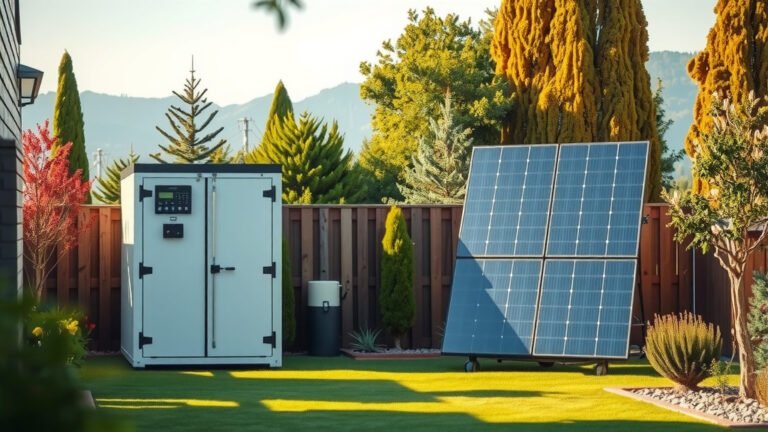
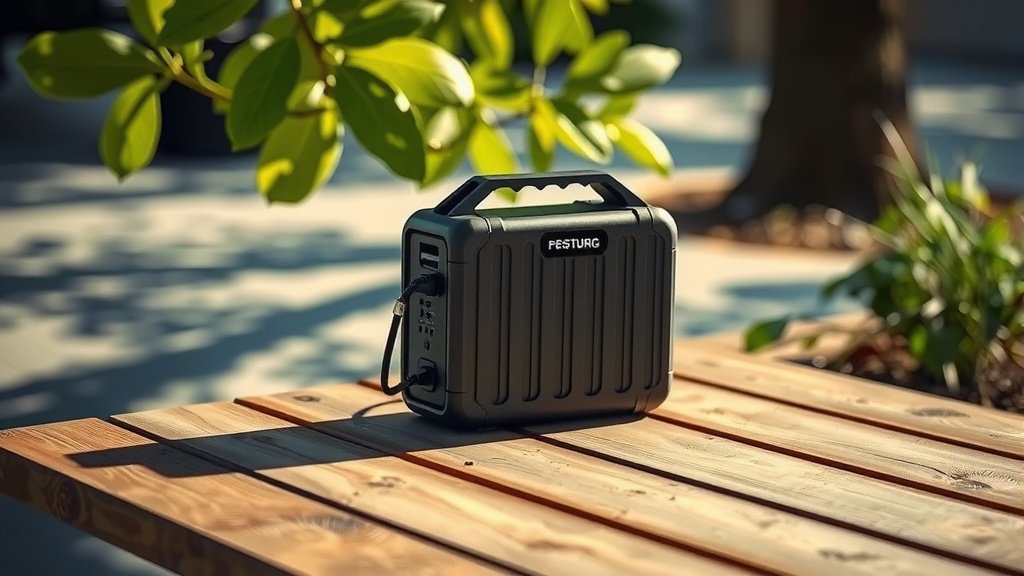
Portable power stations are generally safe when used properly, featuring built-in battery management systems, surge protection, and automatic shutoffs to prevent overheating or electrical hazards.
Your biggest safety concerns with portable power stations include fire risks from lithium batteries, electrical shock from improper use, and carbon monoxide poisoning if you use gas generators indoors instead.
What Makes Portable Power Stations Safe
You’re probably wondering if these compact power units can hurt you or your family. I found that modern portable power stations come packed with safety features that make them much safer than traditional gas generators.
The Battery Management System (BMS) acts like a smart bodyguard for your device. It watches the battery temperature, voltage, and current 24/7. When something looks wrong, it shuts everything down before problems start.
Built-in Protection Systems
Your portable power station includes multiple layers of protection. Think of it like a car with airbags, seatbelts, and crumple zones all working together.
- Overcharge protection stops the battery from getting too much power
- Short circuit protection cuts power instantly if wires touch
- Temperature control prevents dangerous overheating
- Surge protection guards against power spikes
No Toxic Fumes or Emissions
Unlike gas generators, you can safely use portable power stations indoors. They produce zero emissions because they run on stored battery power instead of burning fuel.
This means no carbon monoxide risk. You won’t accidentally poison yourself or your family by using one in your garage, basement, or RV.
Common Safety Risks You Should Know
Even with all those safety features, portable power stations aren’t completely risk-free. Let me walk you through the main concerns I found during my research.
Lithium Battery Fire Hazards
Lithium batteries can catch fire or explode if they’re damaged, overcharged, or exposed to extreme heat. This is called thermal runaway, and it’s serious business.
The good news? Modern lithium iron phosphate (LiFePO4) batteries are much safer than older lithium-ion types. They’re more stable and less likely to overheat.
Signs Your Battery Might Be Dangerous
- Swelling or bulging case
- Strange chemical smells
- Excessive heat during charging
- Visible damage or cracks
Electrical Shock Risks
You face the same electrical risks as any powered device. Water and electricity don’t mix, so keep your power station dry.
Always check your cables and outlets before plugging things in. Damaged cords can cause shocks, burns, or fires.
Overloading and Power Surges
Each portable power station has limits. Push it too hard, and you might damage your devices or the power station itself.
I found that most units will shut down automatically when overloaded. But it’s better to stay within the recommended limits from the start.
How to Use Your Power Station Safely
Safety comes down to following basic rules and using common sense. You don’t need an engineering degree to use these devices safely.
Charging Best Practices
Always charge your power station in a well-ventilated area. Heat builds up during charging, and good airflow helps keep temperatures normal.
Use only the charger that came with your device. Third-party chargers might not have the same safety features or voltage requirements.
Charging Do’s and Don’ts
- Do charge in temperatures between 32°F and 104°F
- Don’t leave it charging unattended for days
- Do unplug when fully charged if possible
- Don’t charge immediately after heavy use (let it cool first)
Storage and Maintenance Tips
Store your power station in a cool, dry place away from direct sunlight. Extreme temperatures can damage the battery and reduce its lifespan.
Keep the charge level between 20% and 80% for long-term storage. This helps maintain battery health and prevents deep discharge damage.
Monthly Maintenance Checklist
- Check for physical damage or wear
- Clean dust from vents and surfaces
- Test all outlets and USB ports
- Verify the display shows accurate information
Safety Certifications to Look For
Not all portable power stations meet the same safety standards. When shopping, look for devices with proper certifications from recognized testing labs.
| Certification | What It Means | Why It Matters |
|---|---|---|
| UL Listed | Tested by Underwriters Laboratories | Meets North American safety standards |
| FCC Certified | Electromagnetic interference tested | Won’t interfere with other electronics |
| CE Marked | European safety standards | Safe for use in Europe and many other countries |
Why Certifications Matter
These certifications mean independent labs tested the device for safety. They check things like fire resistance, electrical safety, and electromagnetic interference.
Buying certified devices gives you legal protection too. If something goes wrong, your insurance and warranty claims are more likely to be honored.
Comparing Safety: Power Stations vs Gas Generators
Gas generators kill people every year through carbon monoxide poisoning. The Consumer Product Safety Commission reports that portable generators cause about 85 deaths annually.
Portable power stations eliminate this risk completely. You can use them anywhere without worrying about deadly fumes.
Indoor Use Safety
This is where portable power stations really shine. You can safely use them in your home, RV, tent, or any enclosed space.
Gas generators must stay outside, at least 20 feet from windows and doors. Even then, wind can blow fumes into your home.
Fire Risk Comparison
Both types carry fire risks, but in different ways. Gas generators can spill fuel, overheat, or ignite nearby materials. Power stations face battery fire risks that are less common but potentially more dangerous.
I found that proper use and maintenance make both options relatively safe. But power stations give you more flexibility in where you can use them.
What to Do in an Emergency
Know what to do if something goes wrong with your portable power station. Quick action can prevent minor problems from becoming dangerous situations.
If Your Power Station Overheats
- Unplug all devices immediately
- Turn off the power station if possible
- Move it to a well-ventilated area
- Let it cool down completely before investigating
Signs You Should Stop Using It
Some problems mean you should stop using your power station right away. Don’t take chances with electrical safety.
- Burning smells or visible smoke
- Sparking from outlets or switches
- Case swelling or cracking
- Display showing error messages
- Unusually hot surfaces during normal use
When to Call for Help
Contact the manufacturer if you notice any safety issues. Most companies have 24/7 support lines for safety-related problems.
If you smell gas or see flames, treat it like any electrical fire. Call 911 if needed and evacuate the area.
Child and Pet Safety
Kids and pets don’t understand electrical dangers. You need to take extra steps to keep them safe around portable power stations.
Safe Placement Guidelines
Keep your power station out of reach when possible. Place it on a stable surface where it won’t get knocked over or climbed on.
Cover unused outlets with safety plugs, just like you would with wall outlets. Curious fingers and paws can cause shocks or short circuits.
Teaching Kids About Safety
Explain that the power station is not a toy. Use simple terms they can understand: “This box has electricity inside that can hurt you.”
Show them the safe way to ask for help if they need something plugged in. Make it clear that only adults should handle the device.
Conclusion
Portable power stations are safe when you follow basic safety rules and choose quality devices with proper certifications. They’re much safer than gas generators for indoor use because they produce no toxic fumes. While lithium battery fires are possible, modern power stations have multiple protection systems that make serious accidents rare. The key is buying from reputable brands, following manufacturer guidelines, and staying alert for signs of problems. With proper care, your portable power station will provide years of safe, reliable backup power for your home, RV, or outdoor adventures.
Can portable power stations explode like gas generators?
Portable power stations rarely explode because they don’t contain combustible fuel or gas. While lithium batteries can experience thermal runaway in extreme cases, modern units have safety systems that shut down before reaching dangerous temperatures. Gas generators pose much higher explosion risks due to fuel vapors and hot exhaust systems.
Is it safe to leave a portable power station charging overnight?
Most modern portable power stations are safe to charge overnight thanks to built-in overcharge protection that stops charging when the battery reaches 100%. But for maximum safety and battery longevity, unplug the charger once charging completes. Always charge in a well-ventilated area away from flammable materials.
Can I use my portable power station during a thunderstorm?
You can safely use a portable power station indoors during storms since it runs on stored battery power. But avoid charging it during lightning activity if connected to wall power or solar panels, as power surges could damage the unit. Disconnect all external charging sources until the storm passes.
What happens if water gets inside my portable power station?
Water inside a portable power station creates serious shock and fire risks. If water enters the unit, immediately turn it off, unplug everything, and let it dry completely in a warm, ventilated area for at least 48 hours. Contact the manufacturer before using it again, as internal damage may not be visible but could cause future safety problems.
Are cheaper portable power stations as safe as expensive ones?
Cheaper units may skip important safety certifications or use lower-quality components that increase fire and shock risks. Always check for UL listing, FCC certification, and other safety marks regardless of price. A certified budget model is safer than an expensive unit without proper testing and safety features.