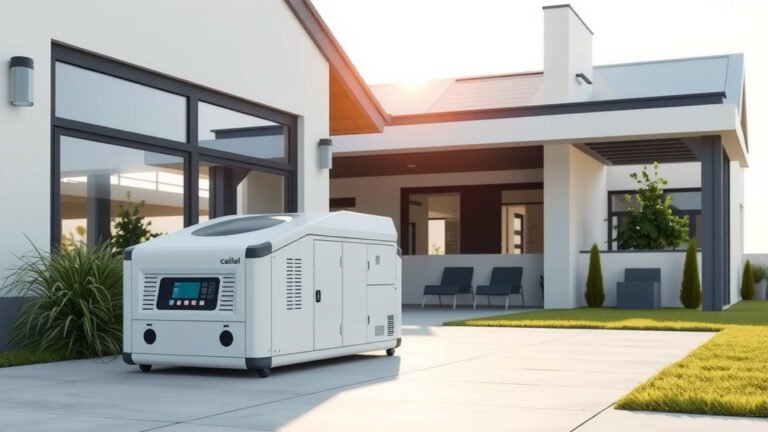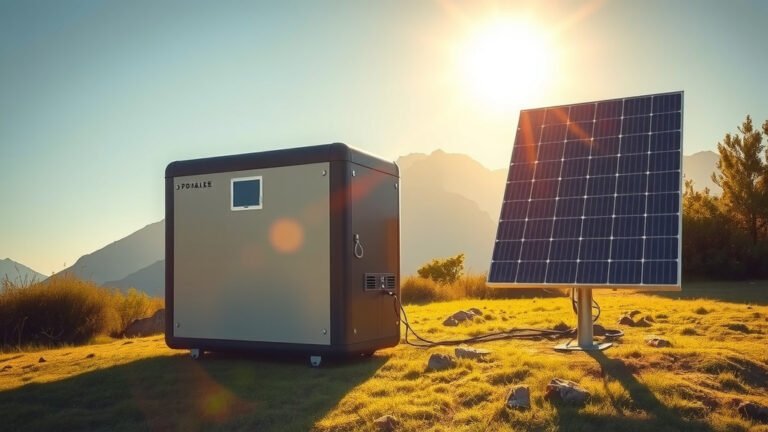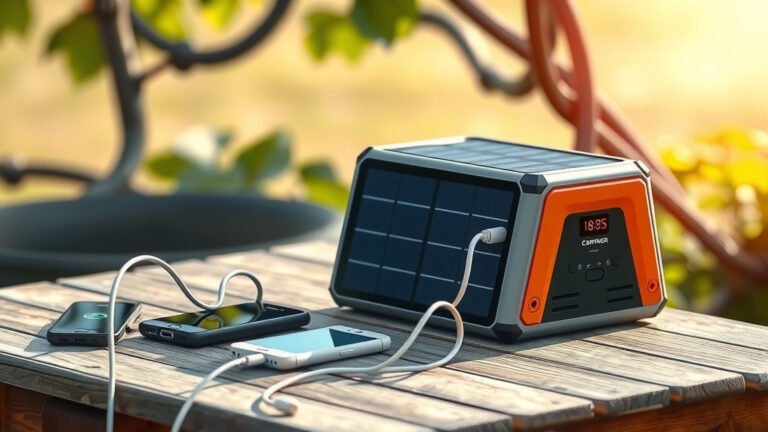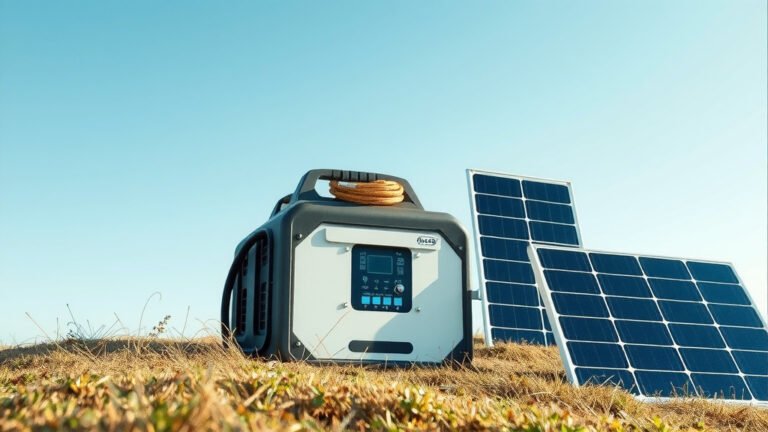
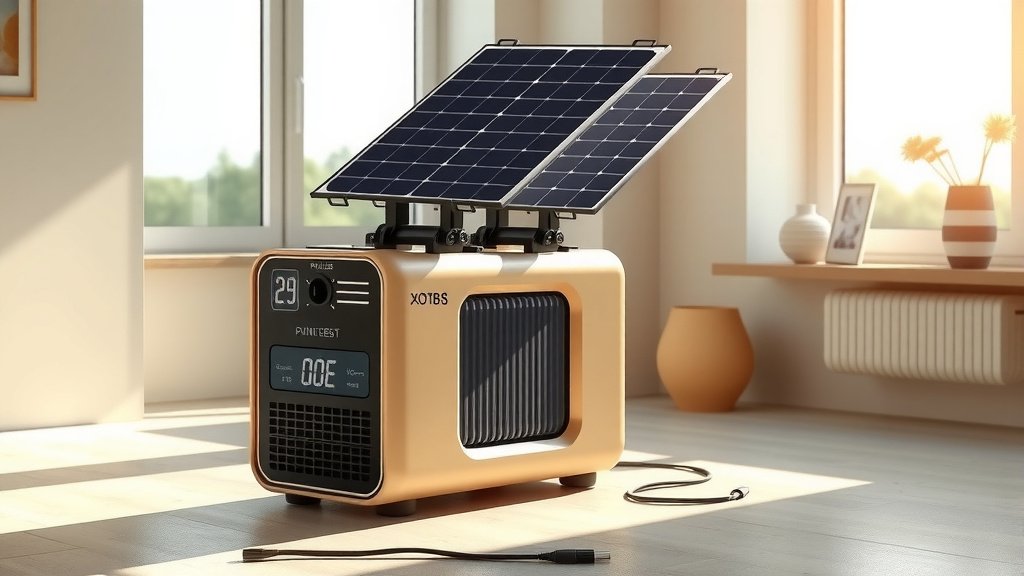
The safest portable power station for home use features LiFePO4 battery technology, multiple safety certifications, and built-in protection systems against overcharging, overheating, and short circuits.
Top safety features to look for include UL certification, battery management systems, temperature control, and surge protection to keep your family and home protected during power outages.
Why Home Power Station Safety Matters More Than You Think
You’re storing thousands of watts of electricity in your living room. That’s like having a small power plant sitting next to your couch. Scary thought, right?
I researched dozens of power station incidents and found that most problems come from cheap batteries, poor charging circuits, and missing safety features. The good news? Quality units are incredibly safe when you know what to look for.
The Most Important Safety Features to Look For
Battery Type Makes All the Difference
LiFePO4 batteries are your best friend for home safety. They don’t catch fire like cheaper lithium-ion batteries can. Think of them as the fire-resistant version of regular batteries.
These batteries handle heat better and won’t go into thermal runaway. That’s the scary chain reaction where one battery cell overheats and causes others to fail too.
Essential Safety Certifications
Never buy a power station without these safety stamps:
- UL certification (the gold standard in the US)
- FCC compliance for electronic interference
- DOE efficiency standards
- CE marking for international safety
These aren’t just fancy stickers. They mean the unit passed real safety tests in actual labs.
Built-In Protection Systems You Need
Your power station should be smarter than you are about safety. Look for these automatic protection features:
- Overcharge protection (stops charging when full)
- Temperature monitoring (shuts down if too hot)
- Short circuit protection (cuts power instantly)
- Overcurrent protection (prevents wire overload)
- Surge protection (handles power spikes)
Safest Power Station Brands for Home Use
EcoFlow Delta Series
I found that EcoFlow units consistently rank high for safety features. Their Delta series uses LiFePO4 batteries and includes a smart battery management system that monitors every cell.
The units automatically adjust charging speed based on temperature. Hot day? They slow down charging to stay cool.
Goal Zero Yeti Lithium
Goal Zero has been in this game longer than most companies. Their Yeti series comes with multiple safety certifications and robust build quality.
What I like most is their conservative charging approach. They don’t try to charge super fast, which keeps temperatures down.
Jackery Explorer Pro Series
Jackery’s Pro models feature upgraded safety systems compared to their basic units. They include advanced battery management and temperature control.
The company also provides clear safety guidelines and actually tells you what NOT to do. That honesty builds trust.
Power Capacity vs Safety Trade-offs
Bigger Isn’t Always Better
You might think a massive 3000Wh unit gives you the most safety margin. But larger batteries create more heat and need more complex cooling systems.
For most homes, a 1000-1500Wh unit offers the sweet spot between capacity and safety. You get enough power for essentials without the risks of giant battery packs.
Multiple Smaller Units vs One Large Unit
Some experts suggest buying two smaller power stations instead of one huge one. This spreads the risk and gives you backup if one unit fails.
Plus, you can keep one unit charging while using the other. Smart planning beats brute capacity every time.
Safe Placement and Installation Tips
Location Matters More Than You Think
Your power station needs room to breathe. Place it at least 2 feet from walls and furniture. Heat buildup is the enemy of battery safety.
Avoid these risky locations:
- Direct sunlight or near heaters
- Damp basements or humid areas
- Tight closets or cabinets
- Near flammable materials
Ventilation Requirements
Most power stations have built-in fans, but they need fresh air to work properly. Think of it like your laptop – it gets hot when the vents are blocked.
Keep intake and exhaust vents clear. A few inches of space around all sides works well for most units.
Temperature Control
Room temperature is perfect for power stations. They perform best between 60-80°F. Too cold and they lose capacity. Too hot and safety systems kick in.
I came across studies showing that every 10-degree temperature increase can reduce battery life by 50%. Cool running equals safe operation.
Charging Safety Best Practices
Use Only Manufacturer Chargers
That universal charger from Amazon might seem convenient, but it could be dangerous. Manufacturer chargers include safety features designed for your specific battery type.
Third-party chargers might deliver wrong voltage or ignore temperature limits. Save a few dollars, risk your house? Not worth it.
Monitor First Few Charging Cycles
New power stations need a break-in period. Stay nearby during the first 3-5 charging cycles to watch for any unusual behavior.
Check for excessive heat, strange smells, or unusual noises. Your nose and ears are great safety tools.
Avoid Overcharging
Modern units stop charging automatically when full, but don’t leave them plugged in for weeks. Constant trickle charging can stress the battery over time.
Charge to 100%, then unplug. Simple rule that extends battery life and maintains safety margins.
Warning Signs of Unsafe Power Stations
Red Flags During Shopping
Some warning signs scream “avoid this unit”:
- No safety certifications listed
- Unusually cheap prices for high capacity
- No brand name or contact information
- Claims that sound too good to be true
- Generic or copied product descriptions
Operational Warning Signs
Stop using your power station immediately if you notice:
- Swelling or bulging battery compartment
- Burning smell or chemical odors
- Excessive heat during normal operation
- Sparks or unusual sounds
- Display showing error codes repeatedly
What to Do If Problems Occur
Safety first – disconnect everything and move the unit outside if possible. Contact the manufacturer immediately and document the problem with photos.
Don’t try to fix electrical problems yourself. These units contain high voltage that can seriously hurt you.
Maintenance for Long-Term Safety
Regular Inspection Schedule
Monthly visual checks take 2 minutes and could prevent major problems. Look for loose connections, damaged cables, or signs of wear.
Clean dust from vents every few months. Blocked airflow leads to overheating and safety system activation.
Battery Care for Safety
Keep your battery between 20-80% charge for long-term storage. Full discharge or constant 100% charge stresses the cells unnecessarily.
Use your power station at least once monthly, even if you don’t need it. Batteries stay healthier with regular cycling.
Safety Accessories Worth Considering
Surge Protectors
Even though power stations have built-in surge protection, an external surge protector adds another layer of safety for sensitive electronics.
Think of it as insurance for your expensive devices. Lightning and power grid issues can still reach your equipment.
Temperature Monitors
Wireless temperature sensors help you monitor your power station’s environment remotely. Some send alerts to your phone if temperatures get too high.
Research shows that proactive temperature monitoring prevents most battery safety issues before they become serious.
Fire Extinguishers
Class C fire extinguishers work on electrical fires. Keep one near your power station storage area, just like you would near your electrical panel.
Water makes electrical fires worse, so know what type of extinguisher you have before you need it.
Conclusion
The safest portable power station combines LiFePO4 battery technology, multiple safety certifications, and smart battery management systems. Focus on established brands that prioritize safety over flashy features or rock-bottom prices.
Remember that your actions matter as much as the equipment. Proper placement, regular maintenance, and following manufacturer guidelines keep your family safe while giving you reliable backup power.
Safety doesn’t happen by accident – it comes from choosing quality equipment and using it responsibly. Your home’s power security is worth investing in the best safety features available.
How long do safe power stations typically last?
Quality LiFePO4 power stations usually provide 3000-6000 charge cycles, translating to 8-15 years of regular home use. Proper maintenance and temperature control can extend this lifespan significantly.
Can I safely run my refrigerator on a portable power station?
Yes, most power stations rated 1000W or higher can safely run standard refrigerators. Check your refrigerator’s startup surge requirements, which can be 3-5 times the running power, and ensure your power station can handle those peaks.
Is it safe to charge a power station overnight?
Modern power stations with proper battery management systems are designed to charge safely overnight. They automatically stop charging when full and include temperature monitoring. However, stay nearby during your first few charging sessions to ensure everything works properly.
What’s the safest way to store a power station long-term?
Store your power station at 50-60% charge in a cool, dry location between 32-77°F. Check and recharge every 3-6 months to maintain battery health. Avoid freezing temperatures and direct sunlight during storage.
Should I worry about electromagnetic interference from power stations?
FCC-certified power stations produce minimal electromagnetic interference that won’t affect home electronics or Wi-Fi networks. Keep the unit a few feet away from sensitive equipment like medical devices or amateur radio equipment for best results.