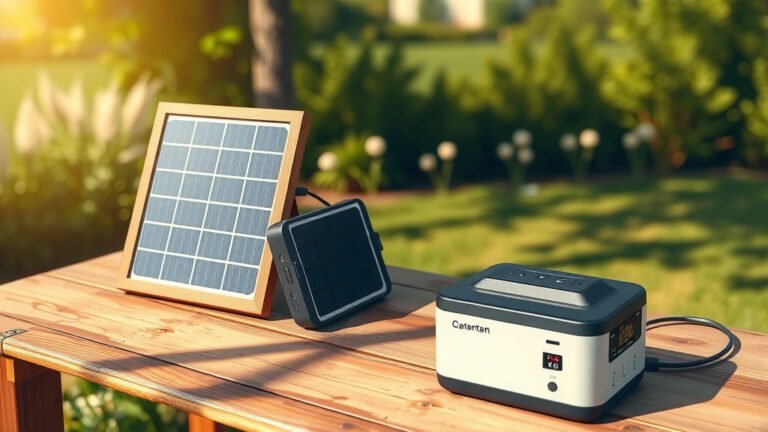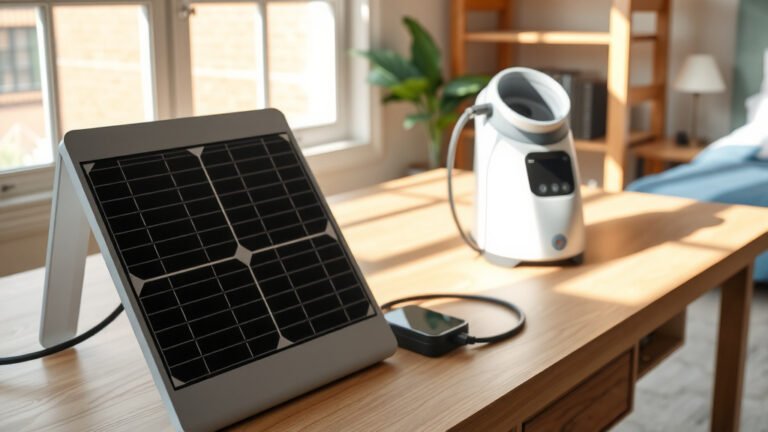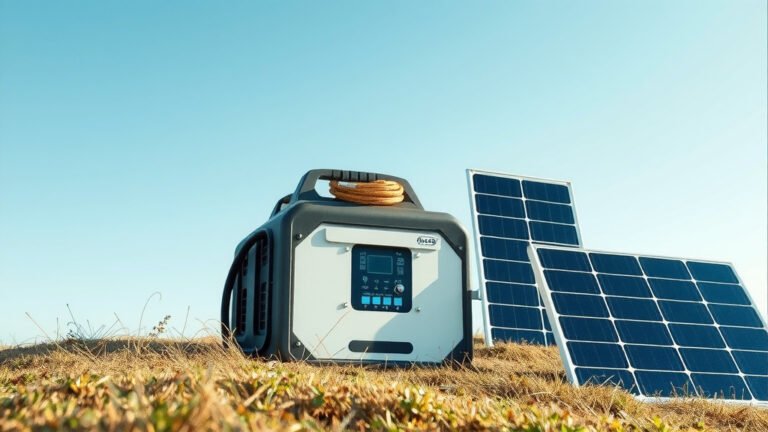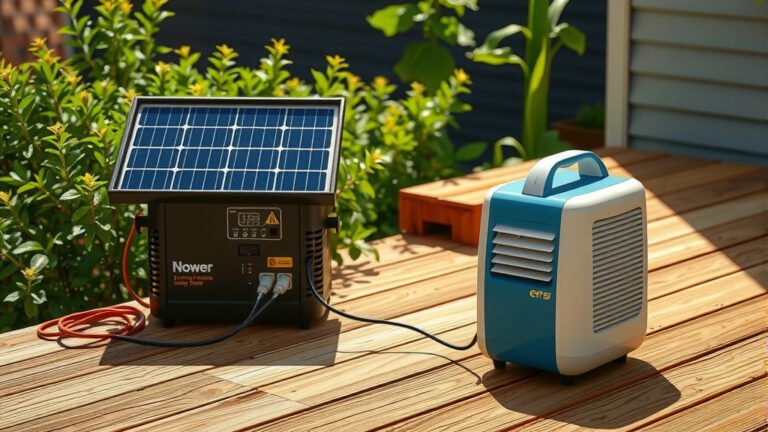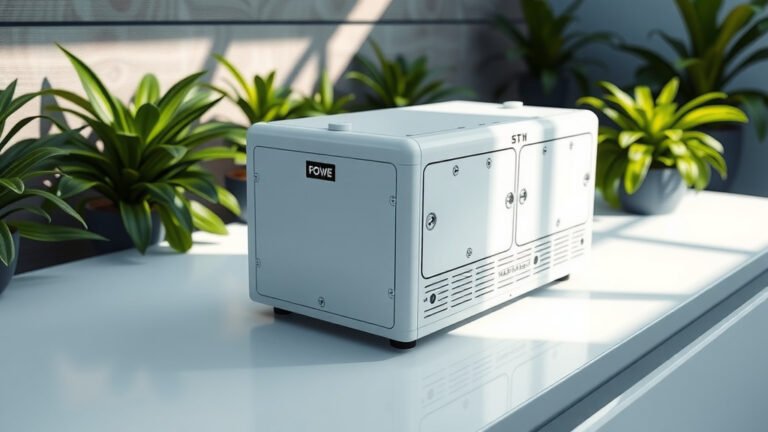
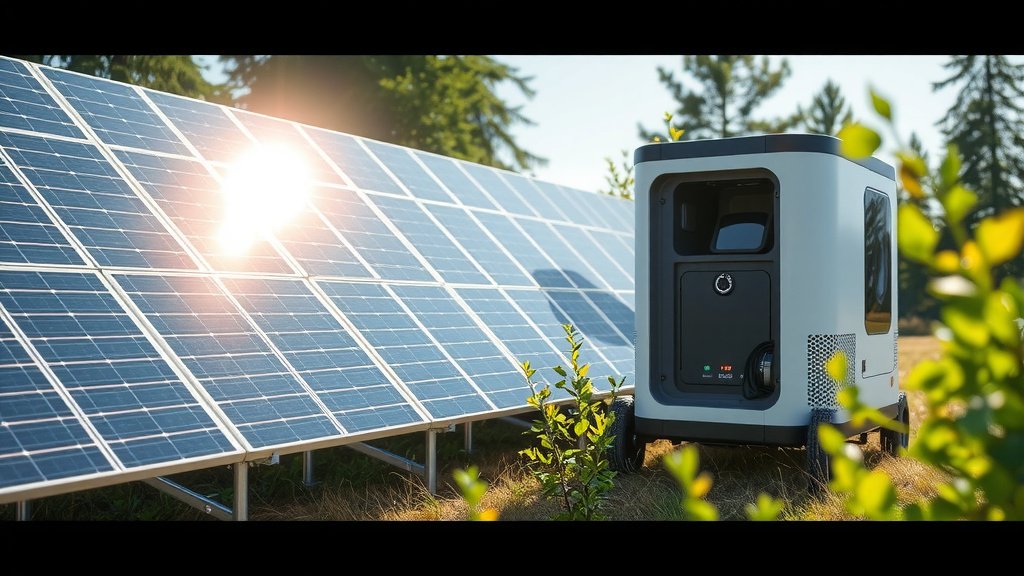
Solar generators can run continuously if they have constant sunlight or an alternative charging source, but battery capacity and power demands determine actual runtime.
Most solar generators operate for 8-24 hours continuously on battery power alone, depending on the devices you’re running and battery size.
TL;DR:
- Solar generators can run continuously with proper sunlight and battery management
- Runtime depends on battery capacity, power consumption, and charging conditions
- Most units provide 8-24 hours of continuous power on battery alone
- Adding solar panels or grid charging extends continuous operation significantly
- Power management and device prioritization maximize continuous runtime
Can Solar Generator Run Continuously?
Yes, your solar generator can run continuously under the right conditions. You need adequate sunlight during the day to recharge the battery while powering your devices. If the solar input equals or exceeds your power consumption, you’ll have unlimited runtime.
What Affects Continuous Solar Generator Operation?
Battery capacity plays the biggest role in continuous operation. A 1000Wh battery running a 100W device gives you roughly 10 hours of power. Double the battery size, and you double your runtime.
Weather conditions directly impact your generator’s ability to recharge. Cloudy days reduce solar input by 50-80%. Winter months with shorter daylight hours also limit charging time.
Your power consumption matters too. Running high-wattage appliances drains batteries faster than LED lights or phone chargers. Smart power management keeps you running longer.
Key Factors for Continuous Runtime
- Battery capacity (measured in watt-hours)
- Solar panel wattage and efficiency
- Daily sunlight hours in your location
- Total power consumption of connected devices
- Weather conditions and seasonal variations
How Long Do Solar Generators Actually Run?
I found that most portable solar generators run between 8-24 hours on battery power alone. This varies widely based on what you’re powering and your generator’s specifications.
A 500Wh solar generator running a 50W mini-fridge operates for about 10 hours. The same unit powering just LED lights and phone charging could last 20+ hours.
| Device Type | Power Draw | Runtime (1000Wh Battery) |
|---|---|---|
| LED Lights | 10W | 100 hours |
| Smartphone Charging | 20W | 50 hours |
| Laptop | 65W | 15 hours |
| Mini Refrigerator | 100W | 10 hours |
| Coffee Maker | 800W | 1.25 hours |
Real-World Runtime Examples
Research from solar generator manufacturers shows that typical camping setups use 200-400Wh daily. This includes lights, phone charging, and small appliances.
Emergency home backup scenarios often consume 500-1000Wh per day. You’re running refrigerators, medical devices, and communication equipment.
What Happens During Continuous Use?
Pass-through charging allows many solar generators to power devices while recharging simultaneously. This feature enables true continuous operation when solar input meets your power needs.
Without pass-through charging, you must stop using the generator to recharge it. This creates gaps in your power supply and prevents continuous operation.
Battery Management During Extended Use
Lithium batteries in solar generators handle continuous cycling well. They maintain 80% capacity after 2000+ charge cycles when properly managed.
Heat buildup during continuous use can reduce efficiency. Good solar generators include cooling fans and temperature monitoring to prevent overheating.
Signs Your Generator Needs Rest
- Excessive heat from the battery compartment
- Reduced runtime compared to normal operation
- Fan running constantly at high speed
- Error messages on the display panel
Best Practices for Continuous Solar Generator Use
Power management becomes your best friend for extended runtime. Run only essential devices during low-sun periods. Save high-power appliances for peak charging hours.
I came across advice from solar experts suggesting the 50/30/20 rule. Use 50% of your power for essentials, 30% for comfort items, and keep 20% as emergency reserve.
Optimizing Solar Charging
Position your solar panels for maximum sun exposure throughout the day. Clean panels produce 15-20% more power than dirty ones.
Angle adjustment matters too. Tilt panels toward the sun at your latitude angle for best results. Mobile solar trackers can increase power by 25%.
Seasonal Adjustments for Continuous Use
Summer operation gives you 12-15 hours of useful sunlight in most locations. Your generator easily runs continuously with proper panel sizing.
Winter challenges include shorter days and weaker sun. You might need 50% more panel capacity to maintain continuous operation during cold months.
Alternative Charging for Extended Runtime
Dual charging methods guarantee continuous operation regardless of weather. Combine solar panels with AC wall charging or 12V car charging.
Many users set up hybrid systems. Solar handles daytime power and charging. Grid power or generators take over during extended cloudy periods.
Backup Charging Options
- AC wall outlet charging (fastest option)
- 12V car adapter charging while driving
- Wind turbine charging in windy locations
- Secondary battery banks for extended capacity
When Solar Generators Can’t Run Continuously
Power hungry appliances like space heaters or power tools drain batteries faster than solar can recharge them. These create impossible continuous operation scenarios.
Extended cloudy weather also limits continuous use. Three days without sun exhausts most solar generator batteries completely.
Capacity vs. Demand Mismatches
Small solar generators with 200-500Wh capacities struggle with continuous use. They work great for phones and lights but can’t handle refrigerators all day.
Larger 1500Wh+ systems handle continuous moderate loads well. They balance power generation with consumption more effectively.
Common Continuous Use Mistakes
Running AC devices through inverters wastes 10-15% of your power. Use DC devices when possible for better efficiency.
Leaving devices plugged in when not needed drains power unnecessarily. Phantom loads add up over 24-hour periods.
Choosing Solar Generators for Continuous Use
Look for generators with pass-through charging capability first. This single feature determines whether continuous operation is possible.
Battery capacity should be 3-5 times your daily power consumption. This buffer handles cloudy days and unexpected power needs.
Essential Features for Continuous Operation
- Pass-through charging capability
- High-capacity lithium battery (1000Wh minimum)
- Multiple charging input options
- Efficient MPPT solar charge controllers
- Temperature monitoring and cooling systems
Top Solar Generator Categories for Continuous Use
Mid-range units (1000-2000Wh) handle most continuous use scenarios. They power essential appliances while recharging from solar panels.
Large capacity systems (3000Wh+) support true off-grid continuous operation. These units run multiple appliances simultaneously while maintaining battery charge.
Budget Considerations for Continuous Use
Quality solar generators for continuous use start around $800-1200. Cheaper units often lack pass-through charging or adequate battery capacity.
Remember that additional solar panels cost $200-600 but dramatically improve continuous operation capabilities.
Maintenance for Long-Term Continuous Use
Regular battery cycling keeps lithium cells healthy during continuous use. Let the battery drain to 20% monthly, then fully recharge.
Keep cooling vents clean and unobstructed. Dust buildup causes overheating and reduces continuous runtime capabilities.
Monitoring Battery Health
Many modern solar generators include smartphone apps for monitoring. Track charge cycles, temperature, and capacity degradation over time.
I found that most quality units maintain 80% capacity after 5+ years of regular use. Continuous operation doesn’t significantly reduce battery life when properly managed.
Conclusion
Solar generators can absolutely run continuously under the right conditions. Success depends on matching your power needs with battery capacity and solar input. Choose units with pass-through charging and adequate battery size for your specific requirements. With proper planning and power management, your solar generator provides reliable continuous power for camping, emergencies, or off-grid living. Remember that weather conditions and seasonal changes affect continuous operation, so plan backup charging methods for extended reliability.
Can I damage my solar generator by running it continuously?
No, quality solar generators with pass-through charging handle continuous operation safely. Built-in battery management systems prevent overcharging and overheating. Just ensure adequate ventilation and avoid exceeding the rated power output.
How much solar panel wattage do I need for continuous operation?
You need solar panels producing at least 125% of your daily power consumption. If you use 800Wh daily, install 1000W of panels minimum. This accounts for charging inefficiencies and cloudy weather periods.
Will continuous use void my solar generator warranty?
Normal continuous use within manufacturer specifications doesn’t void warranties. Check your manual for specific guidelines about duty cycles and operating conditions. Most quality brands design their units for continuous operation.
Can I connect multiple solar generators for extended continuous power?
Some advanced solar generators support daisy-chaining or parallel connection for increased capacity. Check your manual for compatibility. Most basic units can’t be connected together safely for continuous operation.
What’s the difference between continuous and standby power ratings?
Continuous power rating shows what your generator can output steadily over hours. Standby or surge power handles brief high-demand startup loads. Always use continuous ratings when calculating runtime for extended operation.