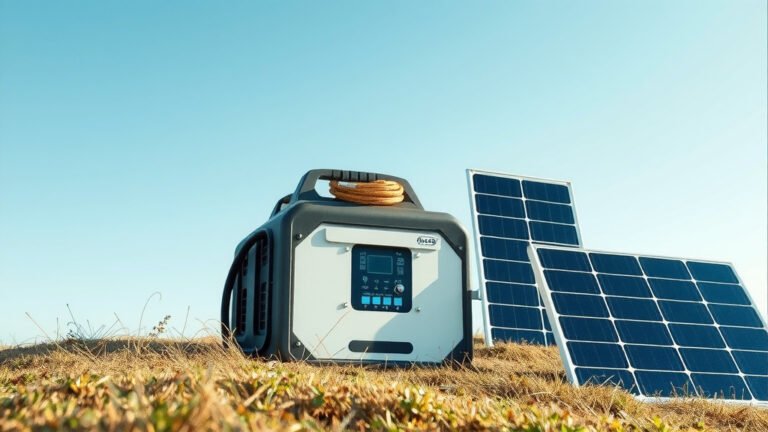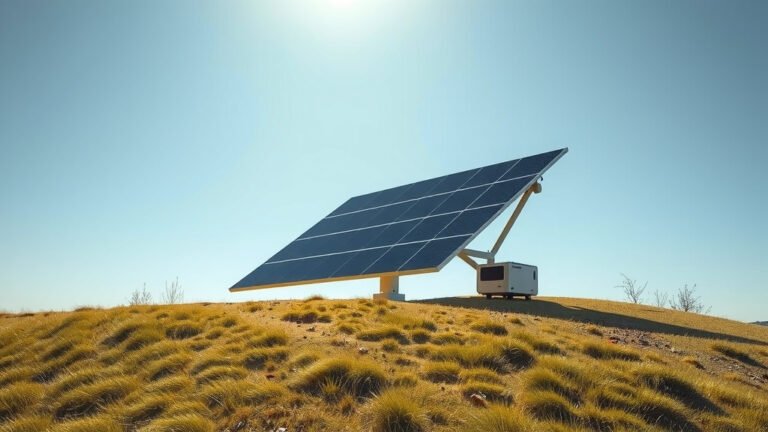
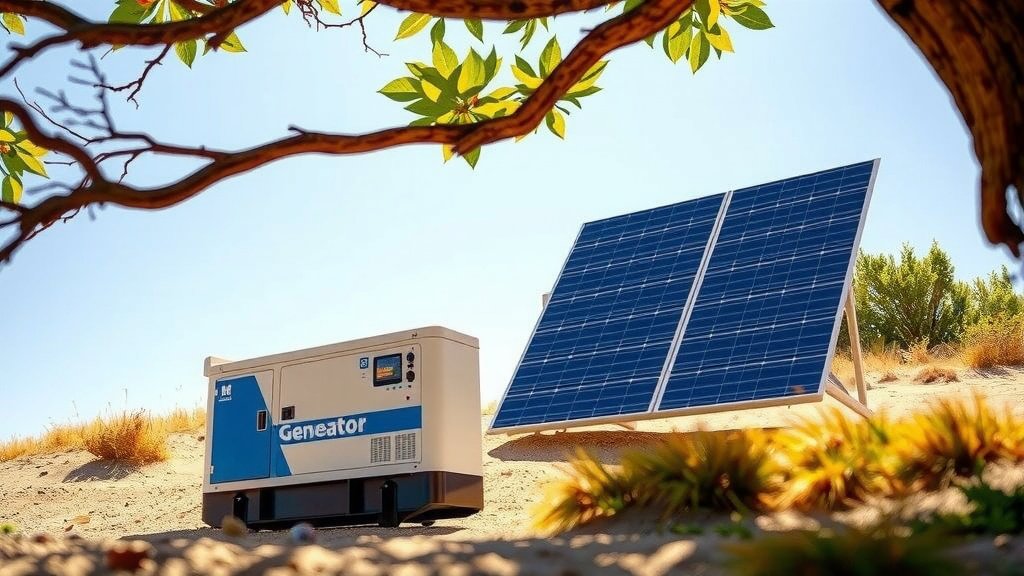
Solar generators work without direct sunlight but perform much better with it. They can charge from indirect sunlight, cloudy skies, and even artificial light, just at reduced efficiency.
Your solar generator will produce the most power in bright, direct sunlight but don’t worry if conditions aren’t perfect. Modern solar panels can still generate electricity in various lighting situations.
How Solar Generators Actually Work
Solar generators capture light particles called photons and convert them into electricity. The process happens inside photovoltaic cells on the solar panels.
When photons hit these cells, they knock electrons loose and create an electrical current. This current flows into the battery where it gets stored for later use.
The amount of electricity produced depends on how many photons hit the panels. More light equals more power, but some light is better than no light.
What Affects Solar Panel Output
Several factors impact how much power your solar generator produces. Light intensity matters most, but angle, temperature, and panel cleanliness also play important roles.
- Light intensity and brightness
- Panel angle and positioning
- Temperature conditions
- Dust, dirt, or debris on panels
- Shading from objects
Solar Generators in Cloudy Weather
Cloudy days reduce solar panel output by 10-25% compared to sunny conditions. The exact reduction depends on cloud thickness and type.
Thin, wispy clouds barely affect performance. Thick storm clouds can drop output to 10-20% of peak capacity. But your generator will still charge, just more slowly.
I researched weather impact studies and found that even on overcast days, panels receive enough scattered sunlight to function. Germany leads the world in solar power despite having many cloudy days.
Different Types of Cloudy Conditions
Not all clouds affect solar panels equally. Understanding cloud types helps you set realistic charging expectations.
Light Cloud Cover
Partial clouds or thin overcast skies reduce output by 10-15%. You’ll still get decent charging speeds during these conditions.
Heavy Overcast
Thick, gray clouds can cut output by 50-75%. Charging happens but takes much longer than usual.
Storm Clouds
Dark storm clouds reduce output to 5-20% of normal capacity. Better to wait for clearer skies if possible.
Indoor Solar Charging Options
Solar panels can charge indoors using artificial light, but don’t expect great results. Indoor lighting produces much less power than outdoor sunlight.
A bright sunny day delivers about 100,000 lux of light. Your living room lamp? Maybe 500-1000 lux. That’s a huge difference in charging potential.
Best Indoor Light Sources
Some artificial lights work better than others for charging solar panels. LED lights often perform best for indoor solar charging.
- Bright LED floodlights
- Halogen work lamps
- Large fluorescent fixtures
- Multiple desk lamps combined
Why Indoor Charging Is Slow
Indoor artificial light lacks the intensity and spectrum of natural sunlight. Most indoor lights produce warm, yellow light while solar panels prefer the full spectrum.
You might need 20-50 times longer to charge indoors compared to direct sunlight. It works for emergency situations but isn’t practical for regular use.
Maximizing Power in Low Light
Smart positioning and setup tricks help you squeeze more power from your solar generator when light conditions aren’t ideal.
Angle your panels toward the brightest part of the sky. Even on cloudy days, some areas are brighter than others.
Panel Positioning Tips
Small adjustments in panel placement can boost output by 20-30% in marginal conditions. Here’s what works best:
- Face panels toward the brightest sky area
- Tilt panels at 30-45 degree angles
- Remove any shadows from nearby objects
- Keep panels clean and dust-free
- Avoid placing panels flat on the ground
Reflective Surfaces Help
Light-colored surfaces can bounce extra light onto your panels. Snow, sand, or white concrete can increase total light exposure.
I found research showing that reflective surfaces can add 10-20% more light to solar panels. It’s like getting a small boost in cloudy conditions.
Different Solar Panel Types Performance
Not all solar panels handle low light the same way. Monocrystalline panels typically perform better in cloudy conditions than other types.
| Panel Type | Low Light Performance | Cloudy Day Output |
|---|---|---|
| Monocrystalline | Excellent | 15-25% of peak |
| Polycrystalline | Good | 10-20% of peak |
| Thin Film | Fair | 8-15% of peak |
Why Panel Type Matters
Monocrystalline panels use higher-grade silicon that captures light more efficiently. They cost more but work better when conditions aren’t perfect.
Polycrystalline panels offer good value for money. They work fine in direct sunlight but struggle more in low light situations.
Newer Panel Technologies
Some newer panels include features that help with low light performance. Bypass diodes prevent shaded cells from affecting the whole panel.
PERC technology and half-cut cells also improve performance in partial shade and cloudy conditions.
Realistic Expectations for Charging Times
Understanding realistic charging times helps you plan better. Don’t expect the same performance in all weather conditions.
A 100W solar panel in direct sunlight might fully charge a 500Wh battery in 6-8 hours. The same setup in cloudy weather could take 20-30 hours.
Factors That Slow Charging
Several things can extend charging times beyond just lack of direct sunlight. Knowing these helps set proper expectations.
- Battery state of charge (slower when nearly full)
- Temperature extremes (very hot or cold)
- Dirty or dusty panels
- Inefficient charge controllers
- Using power while charging
Battery Chemistry Matters
Lithium batteries charge faster than lead-acid batteries, especially in partial charging conditions. LiFePO4 batteries work particularly well with solar input.
Alternative Charging Methods
Smart solar generator users combine multiple charging methods. Solar works great as primary charging but having backup options prevents power shortages.
Most modern solar generators include AC wall charging and 12V car charging ports. These give you flexibility when solar conditions are poor.
Hybrid Charging Strategies
Using solar plus another charging method can keep your generator topped off. Charge from the wall at night and solar during the day.
This approach works especially well during winter months when daylight hours are shorter and weather is often cloudy.
When to Use Alternative Charging
Switch to wall or car charging when solar output drops below 20% of normal capacity. You’ll save time and ensure adequate power reserves.
Emergency situations are another good time to use faster charging methods instead of waiting for better weather.
Seasonal Considerations
Solar generator performance changes dramatically with seasons. Winter means shorter days, lower sun angles, and more cloudy weather.
Summer provides long charging days but extreme heat can actually reduce panel efficiency. Spring and fall often offer the best balance of light and temperature.
Winter Solar Challenges
Cold weather improves solar panel efficiency, but shorter days and frequent clouds reduce total daily charging time. Snow can also block panels completely.
I found studies showing solar output can drop 40-60% in winter months compared to summer peak performance (National Renewable Energy Laboratory).
Summer Heat Effects
Solar panels lose about 0.4% efficiency for every degree above 77°F. A 100°F day might reduce output by 10% compared to cooler temperatures.
Good ventilation around panels helps prevent overheating. Don’t place panels on hot surfaces like car hoods or black pavement.
Maintenance for Better Low Light Performance
Clean panels perform much better in marginal light conditions. Even a thin layer of dust can reduce output by 15-25%.
Regular cleaning takes just a few minutes but makes a big difference when every bit of light counts.
Simple Cleaning Steps
Use soft cloths and mild soap to clean solar panels. Avoid abrasive materials that might scratch the surface.
- Rinse panels with clean water first
- Wipe gently with soft cloth and mild soap
- Rinse again to remove soap residue
- Allow panels to air dry
- Check for damage while cleaning
When to Clean Most Often
Dusty or pollen-heavy seasons require more frequent cleaning. Areas near construction, farms, or busy roads also need extra attention.
Check panels weekly during heavy use periods. Clean whenever you notice visible dirt or reduced charging performance.
Conclusion
Solar generators don’t need direct sunlight to function, but they certainly prefer it. Your generator will charge in cloudy weather, indirect light, and even some artificial lighting situations, just at reduced speeds.
The key is setting realistic expectations and having backup charging methods available. Clean panels, proper positioning, and understanding your specific panel type all help maximize performance when conditions aren’t perfect.
Remember that solar power works as a long-term charging solution. Even if daily output is low due to weather, consistent charging over time keeps your generator ready when you need it most.
Can solar generators charge through windows?
Yes, but expect 50-70% less output than direct outdoor sunlight. Glass blocks some light wavelengths and reduces charging efficiency significantly.
How much power can I get on a completely overcast day?
Overcast conditions typically provide 10-25% of peak solar output. A 100W panel might only produce 10-25 watts during heavy cloud cover.
Do solar generators work in winter?
Solar generators work year-round but produce less power in winter due to shorter days and frequent cloudy weather. Cold temperatures actually improve panel efficiency when sun is available.
Can I damage my solar generator by using it in low light?
No, using solar generators in low light conditions won’t cause damage. The charging system automatically adjusts to available power levels safely.
What’s the minimum light needed for solar charging?
Solar panels start generating power at around 200-400 lux of light, roughly equivalent to a bright office or heavy overcast conditions. Anything brighter will charge faster.