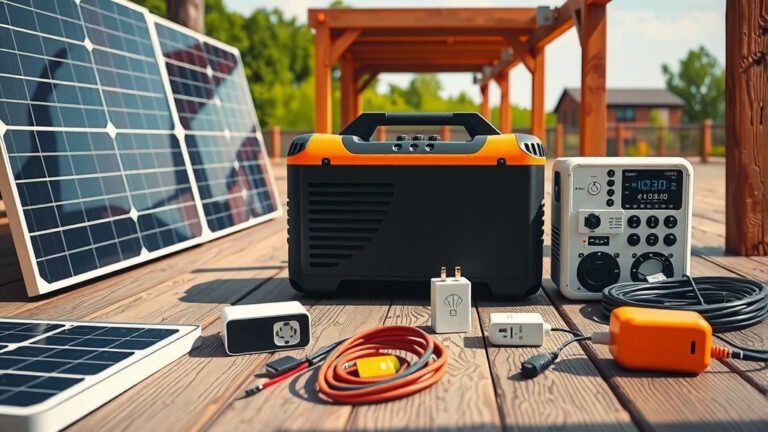
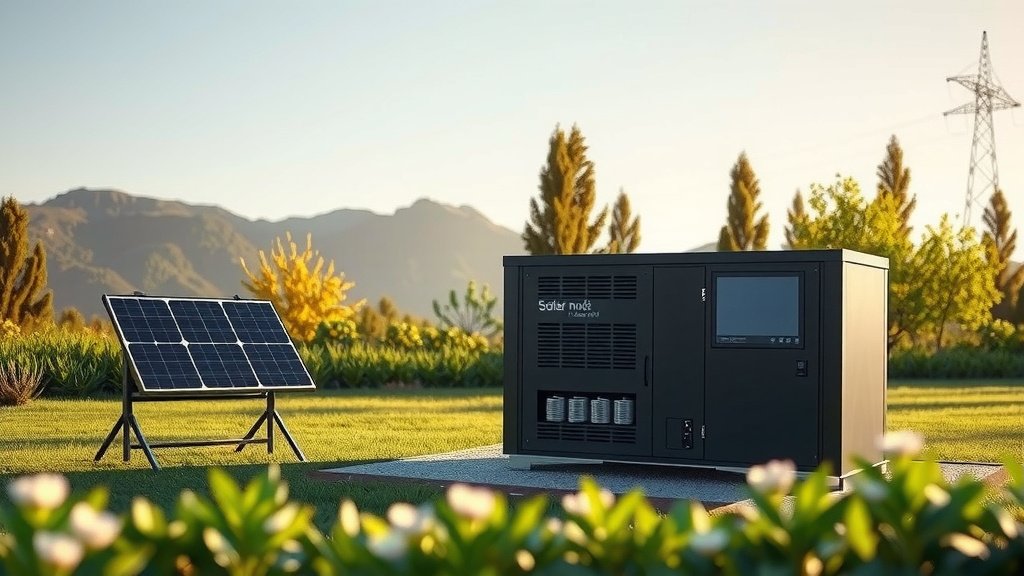
Solar generators make very little noise compared to gas generators. Most solar generators produce only 0-15 decibels of sound, which is quieter than a whisper.
The main noise comes from cooling fans and inverters, but these sounds are barely noticeable during normal use.
Why Solar Generators Are So Quiet
You’ll love how silent your solar generator stays during operation. Unlike gas generators that roar with combustion engines, solar power stations work with electronic components.
The magic happens through pure electrical conversion. Solar panels capture sunlight and store it in batteries. When you need power, the inverter converts DC to AC electricity. No explosions, no moving pistons, no mechanical grinding.
The Science Behind Silent Operation
Think of your solar generator like a giant smartphone battery. Your phone charges silently, right? Solar generators work the same way, just bigger.
The battery cells store energy chemically. When you plug in a device, electrons flow quietly through circuits. No fuel burns. No exhaust escapes. Just clean, silent energy transfer.
What Sounds Do Solar Generators Actually Make
You might hear tiny sounds from your solar generator, but they’re whisper-quiet. Let me break down each sound source you could notice.
Cooling Fan Noise
Your solar generator’s fan kicks in when internal temperatures rise. This happens during heavy power draws or hot weather. The fan sounds like a computer fan – barely audible from a few feet away.
Most quality units keep fan noise under 10 decibels. That’s quieter than rustling leaves. You’ll only notice it in completely silent rooms.
When Fans Run Most Often
Expect fan activity during these times:
- Running power-hungry devices like microwaves or heaters
- Charging the unit in direct sunlight on hot days
- Operating in temperatures above 80°F
- Using maximum power output for extended periods
Inverter Humming
Pure sine wave inverters sometimes produce a faint electrical hum. This high-frequency sound stays around 5-8 decibels – barely detectable.
Modified sine wave inverters might hum slightly louder, but still remain quieter than your refrigerator. The sound comes from electrical switching circuits doing their job.
Reducing Inverter Noise
Want even less inverter sound? Try these tips:
- Choose pure sine wave models over modified sine wave
- Avoid overloading the inverter capacity
- Keep the unit away from your sleeping area
- Use only the power you need
Noise Level Comparisons You Can Understand
Let me give you real-world sound comparisons so you know exactly what to expect from your solar generator.
| Power Source | Noise Level (Decibels) | Comparison |
|---|---|---|
| Solar Generator | 0-15 dB | Whisper, rustling leaves |
| Gas Generator (Small) | 60-70 dB | Normal conversation |
| Gas Generator (Large) | 70-80 dB | Vacuum cleaner, traffic |
| Your Refrigerator | 40-50 dB | Quiet office background |
What These Numbers Really Mean
Decibel scales work logarithmically. A 10-decibel increase means 10 times louder sound. So a 70-decibel gas generator produces 1,000 times more noise than a 40-decibel solar unit.
Your ears will thank you. Research shows that prolonged exposure to sounds above 85 decibels can damage hearing (OSHA). Solar generators stay well below any harmful levels.
Benefits of Quiet Solar Power
Silent operation opens up possibilities you never get with noisy gas generators. Your camping trips, emergency backup, and outdoor events become so much more pleasant.
Perfect for Camping and RV Life
Campground quiet hours? No problem. Your solar generator runs silently all night long. You can power your RV without disturbing neighbors or breaking noise regulations.
Many campgrounds ban gas generators during certain hours. Solar power stations work 24/7 without restrictions. Sleep peacefully while your devices charge.
Wildlife Won’t Scatter
Love photographing wildlife or just enjoying nature? Loud generators scare animals away for miles. Solar generators let you capture those perfect moments without disrupting the environment.
Emergency Home Backup Without Complaints
During power outages, you need electricity without angering your neighbors. Running a gas generator at 3 AM creates enemies fast.
Solar generators provide silent emergency power. Your family stays comfortable while the neighborhood sleeps peacefully. No awkward conversations about noise complaints later.
Indoor Operation Safety
Here’s a game-changing advantage: you can safely run solar generators indoors. No carbon monoxide risk. No ventilation requirements. No noise echoing through your house.
Try that with a gas generator and you might not wake up. Solar power keeps your family safe and comfortable during extended outages.
Choosing the Quietest Solar Generator
Not all solar generators stay equally quiet. Some design choices make units louder than others. Let me help you pick the most silent option.
Look for These Quiet Features
Smart cooling systems make the biggest difference. Units with temperature-controlled fans only run when needed. Cheaper models might run fans constantly.
Pure sine wave inverters typically operate more quietly than modified sine wave versions. The cleaner electrical output reduces electronic noise and humming.
Battery Chemistry Matters
Lithium batteries stay cooler than lead-acid alternatives. Cooler batteries need less fan cooling, which means quieter operation overall.
LiFePO4 (lithium iron phosphate) batteries run the coolest. These premium cells keep your solar generator whisper-quiet even during heavy use.
Size and Power Considerations
Bigger solar generators might produce slightly more noise, but not always. Well-designed large units often stay quieter than poorly made small ones.
Focus on build quality over size. Research shows that better thermal management keeps any size unit running quietly (IEEE Power Electronics Society).
Maintenance for Continued Quiet Operation
Your solar generator will stay quieter longer with simple maintenance. Most tasks take just minutes and prevent noise issues before they start.
Keep Vents Clear
Blocked air vents force cooling fans to work harder and run longer. Check monthly for dust, leaves, or debris covering ventilation openings.
A soft brush or compressed air clears vents easily. Clean vents mean efficient cooling and minimal fan noise during operation.
Battery Care Reduces Noise
Well-maintained batteries run cooler and need less cooling fan activity. Avoid deep discharges and extreme temperatures when possible.
Store your solar generator in moderate temperatures. Extreme heat or cold stresses batteries and increases cooling demands during later use.
Real-World Noise Expectations
Let me set realistic expectations based on different usage scenarios. Your experience will vary slightly, but these guidelines help you plan.
Light Usage Scenarios
Charging phones, running LED lights, or powering small electronics produces virtually zero noise. You might forget your solar generator is even running.
These low-power activities rarely trigger cooling fans. The inverter hums so quietly you won’t notice it from more than arm’s length away.
Heavy Power Draw Situations
Running microwaves, hair dryers, or power tools will activate cooling fans. Expect soft fan noise similar to a laptop computer under load.
The sound stays comfortable for conversation and sleep. You’re still miles ahead of any gas generator alternative in terms of noise control.
Hot Weather Considerations
Summer heat increases fan activity regardless of power usage. Your solar generator works harder to stay cool when ambient temperatures climb.
Even so, the extra fan noise remains minimal. Position your unit in shade when possible to reduce heat-related cooling needs.
Conclusion
Solar generators deliver the quiet power solution you’ve been looking for. With noise levels under 15 decibels, they operate hundreds of times more quietly than gas alternatives while providing clean, safe electricity anywhere you need it.
The minimal sounds from cooling fans and inverters fade into the background during normal use. You get reliable power without disturbing your peace, your neighbors, or the natural environment around you. For camping, emergency backup, or outdoor events, solar generators prove that powerful doesn’t have to mean loud.
Do solar generators make any noise while charging?
Solar generators remain completely silent while charging from solar panels. The charging process involves no moving parts or mechanical components. You might hear faint fan noise only if internal temperatures rise during rapid charging in hot weather, but this stays well under 10 decibels.
Can I run a solar generator in my bedroom at night?
Yes, solar generators are safe and quiet enough for bedroom use. Unlike gas generators, they produce no carbon monoxide and make virtually no noise during light power draws. The minimal electronic humming stays quieter than most alarm clocks or air purifiers.
Why do some solar generators make clicking sounds?
Occasional clicking comes from relay switches inside the inverter system. These switches connect and disconnect power circuits automatically. The clicks are normal operation sounds and indicate your solar generator is properly managing electrical loads – no cause for concern.
How does cold weather affect solar generator noise levels?
Cold weather typically makes solar generators even quieter because cooling fans run less frequently. However, some units may produce brief noise during startup as internal components reach optimal operating temperatures. Overall noise still remains far below noticeable levels.
Do portable solar generators get louder as they age?
Well-maintained solar generators should not get noticeably louder over time. However, dust accumulation in cooling fans or worn fan bearings might create slight increases in noise after several years of use. Regular cleaning and proper maintenance prevent most age-related noise issues.