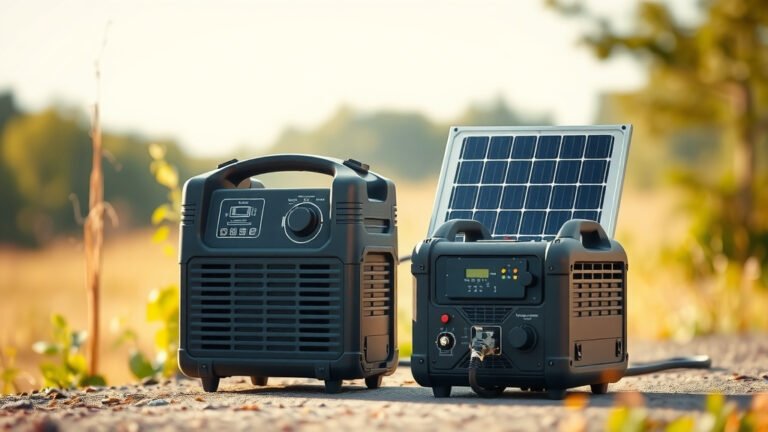
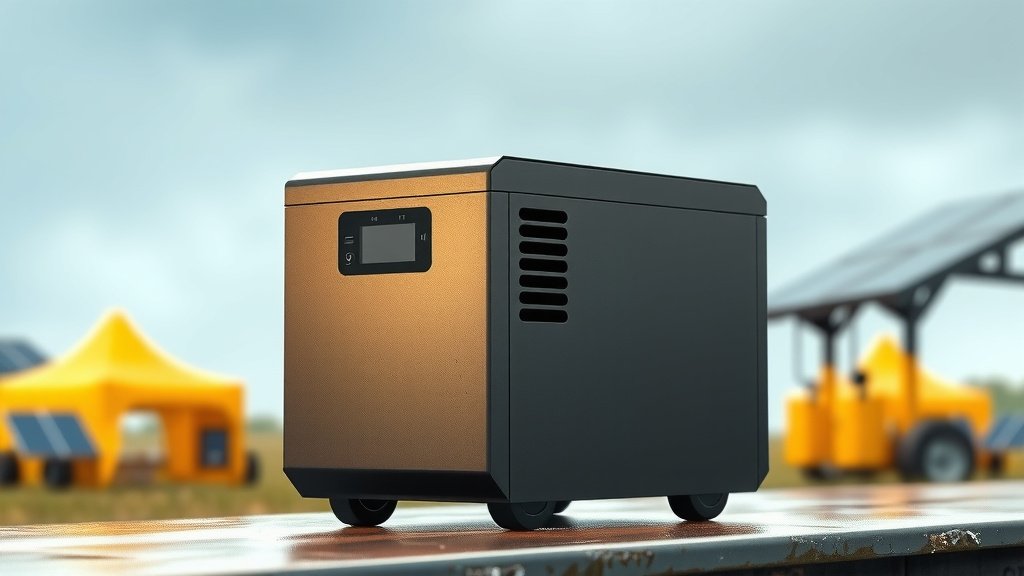
A solar generator’s waterproof rating, often called an IP (Ingress Protection) Code, tells you exactly how well it resists both solid particles like dust and liquid intrusion. This rating uses numbers to specify its protection level, helping you understand its suitability for various outdoor conditions.
Understanding these ratings is crucial for protecting your investment, as it guides you on safe usage in environments where moisture or dust might otherwise damage sensitive internal components.
TL;DR:
- A solar generator’s waterproof rating (IP Code) shows its resistance to dust and water.
- The first number indicates solid particle protection, the second indicates liquid protection.
- Higher numbers mean better protection, but “waterproof” is rare; most are “water-resistant.”
- Matching the IP rating to your expected use (e.g., camping vs. heavy rain) is key.
- Always protect your solar generator from direct exposure to rain or submersion, regardless of its rating.
What Is Waterproof Rating For Solar Generator?
The waterproof rating for a solar generator is a standardized measure that indicates its ability to withstand dust and water intrusion. It helps you know if your device can handle a splash or a dusty trail. This rating ensures you pick the right tool for your adventures.
Demystifying the IP Code
You often see ratings like IP44 or IP65 on electronics. What do these numbers mean for your solar generator? The IP Code is a two-digit standard. It’s not just a random number. Each digit has a specific purpose and tells you a lot about durability.
The First Digit: Solid Protection
The first digit in an IP Code relates to protection against solid objects, including dust. This is important for keeping fine particles out of your generator’s delicate parts. Think of dusty campsites or windy days. A higher number here means better protection.
| First Digit | Protection Against Solid Objects |
|---|---|
| 0 | No protection |
| 1 | Protected against solids > 50 mm |
| 2 | Protected against solids > 12.5 mm |
| 3 | Protected against solids > 2.5 mm |
| 4 | Protected against solids > 1.0 mm |
| 5 | Dust protected (limited ingress permitted) |
| 6 | Dust tight (no ingress of dust) |
The Second Digit: Liquid Protection
The second digit tells you how well your solar generator handles liquids, specifically water. This is usually what people mean when they ask about “waterproof” ratings. It ranges from dripping water to powerful jets. Understanding this number helps you avoid costly damage.
- 0: No protection
- 1: Protection against vertically falling drops of water
- 2: Protection against vertically dripping water when tilted up to 15°
- 3: Protection against spraying water
- 4: Protection against splashing water from any direction
- 5: Protection against low-pressure water jets
- 6: Protection against powerful water jets
- 7: Protection against temporary immersion (up to 1 meter for 30 minutes)
- 8: Protection against continuous immersion (specified by manufacturer)
- 9K: Protection against high-pressure, high-temperature jet sprays
Understanding “Water-Resistant” vs. “Waterproof”
It’s vital to know the difference between these terms for your solar generator. Many devices are water-resistant, meaning they can handle splashes or light rain. True waterproof items can withstand submersion. Most solar generators fall into the water-resistant category, not fully waterproof (Consumer Electronics Guide).
Why Solar Generators Need Protection
Your solar generator contains sensitive electronics, batteries, and inverters. Water or dust can cause short circuits, corrosion, and permanent damage. Protecting these components ensures your generator works when you need it most. Many experts agree that keeping electronics dry is crucial for their lifespan.
Common IP Ratings for Solar Generators
You’ll typically see solar generators with ratings like IPX4, IP54, or sometimes IP65. An “X” simply means that the manufacturer hasn’t formally tested or rated it for solid particle protection. However, the liquid rating is still important. For example, IPX4 means it can handle splashes, but its dust resistance isn’t specified.
IPX4: Ready for Splashes
An IPX4 rating means your solar generator is protected against splashing water from any direction. This is great for light rain or accidental spills during a picnic. However, it’s not meant for heavy downpours or submersion. Always use common sense and keep it covered if serious weather hits.
IP54: Dust-Protected and Splash-Resistant
With an IP54 rating, your generator is dust-protected and also splash-resistant. The “5” means dust ingress is not entirely prevented but won’t interfere with operation. This is a common and practical rating for many outdoor scenarios. It offers a good balance of protection.
IP65: Dust-Tight and Jet-Proof
An IP65 rating provides excellent protection. The “6” means it’s dust-tight, so no dust can get in. The “5” means it can withstand low-pressure water jets from any direction. This is suitable for harsher outdoor conditions, but still not for full submersion. It’s a robust level of protection for many uses.
Matching Rating to Your Adventure
Consider where you’ll use your solar generator most often. Are you car camping, going on beach trips, or preparing for emergencies at home? Your intended use should guide your choice. A generator for light backyard use might need less protection than one for rugged off-grid expeditions.
Desert Camping Needs
If you love desert camping, dust protection becomes paramount. An IP5X or IP6X rating would be ideal. Dust can be surprisingly damaging to electronics over time. We found that fine sand can get into tiny crevices, causing wear and tear (Electronic Engineering Review).
Rainy Weather Concerns
For areas with frequent rain, focus on the second digit. An IPX4 or higher gives you good peace of mind against sudden showers. Even with a good rating, always aim to keep your generator under shelter. This offers the best protection from unexpected storms.
Practical Steps to Protect Your Generator
Even with a good IP rating, you can always do more to safeguard your investment. Think of it as an extra layer of defense. These simple steps can extend the life of your solar generator significantly. You want it ready for any situation.
Use a Protective Cover
A waterproof cover or tarp is your best friend in unpredictable weather. It provides a physical barrier against rain, snow, and even direct sunlight. Many experts recommend using a cover for all outdoor storage, regardless of the device’s IP rating.
Keep it Elevated
Place your generator on a dry surface, off the ground. This protects it from puddles, dew, and ground moisture. A simple pallet or a sturdy box can make a big difference. This also helps with airflow around the unit, which is good for cooling.
Avoid Extreme Conditions
Don’t push your luck. If heavy rain or a dust storm is forecasted, bring your generator indoors or move it to a completely sheltered spot. Even the best ratings have limits. It’s always better to be safe than sorry with valuable electronics.
Regular Cleaning is Key
Periodically clean your solar generator, especially after outdoor use. Wipe away dust, dirt, and any moisture. This prevents build-up that could eventually compromise seals or clog vents. A clean generator is a happy, efficient generator.
Here’s a quick checklist to keep your solar generator safe:
- Check its IP rating before purchase.
- Always keep it under shelter in heavy rain.
- Use a protective cover or tarp for extra defense.
- Elevate it off the ground to avoid moisture.
- Clean it regularly to prevent dust and dirt build-up.
What About the Solar Panels?
While this article focuses on the generator itself, remember your solar panels also have IP ratings. Most portable solar panels are designed to withstand outdoor elements, often with an IP65 or IP67 rating. However, always check the specific product specifications. Panels are generally more robust against water than the generator unit.
Conclusion
Understanding the waterproof rating of your solar generator is a crucial step in preparing for outdoor adventures and unexpected power outages. It’s not about finding a truly “waterproof” device that you can throw into a lake. Instead, it’s about making an informed choice for a water-resistant solution that matches your real-world needs. By knowing the IP Code, using smart protective measures, and taking common-sense precautions, you can ensure your solar generator remains a reliable power source for years to come, no matter what nature throws your way.
FAQs About Solar Generator Waterproofing
What does an IPX4 rating mean for a solar generator?
An IPX4 rating indicates that your solar generator is protected against splashing water from any direction. This means it can withstand light rain or accidental spills. However, it is not designed for heavy downpours, direct strong water jets, or submersion.
Can I leave my IP65 rated solar generator out in heavy rain?
While an IP65 rating offers excellent protection against dust and powerful water jets, leaving it in heavy, continuous rain is still not recommended. The rating does not guarantee protection against prolonged exposure or submersion, and moisture could still seep into ports or vents over time. Always seek additional shelter.
How important is dust protection (the first digit) for a solar generator?
Dust protection is very important, especially if you plan to use your solar generator in dry, windy, or sandy environments. Fine dust can accumulate inside the unit, potentially damaging electronic components, clogging cooling vents, and shortening its lifespan. A rating of IP5X or IP6X provides good peace of mind against dust.
Are charging ports on a solar generator also waterproof?
The IP rating generally applies to the main casing of the solar generator. While some charging ports may have rubber covers or seals for added protection, they are often the most vulnerable points for water ingress. It’s always best to ensure all ports are covered and protected from direct exposure to water or heavy moisture.
What should I do if my solar generator gets wet despite its IP rating?
If your solar generator gets wet, immediately power it off if safe to do so, disconnect it from any charging sources, and unplug all devices. Do not try to turn it back on. Let it dry out completely in a well-ventilated area for several days. If possible, consult the manufacturer’s troubleshooting guide or contact their support. Do not use it again until you are certain it is fully dry and safe.