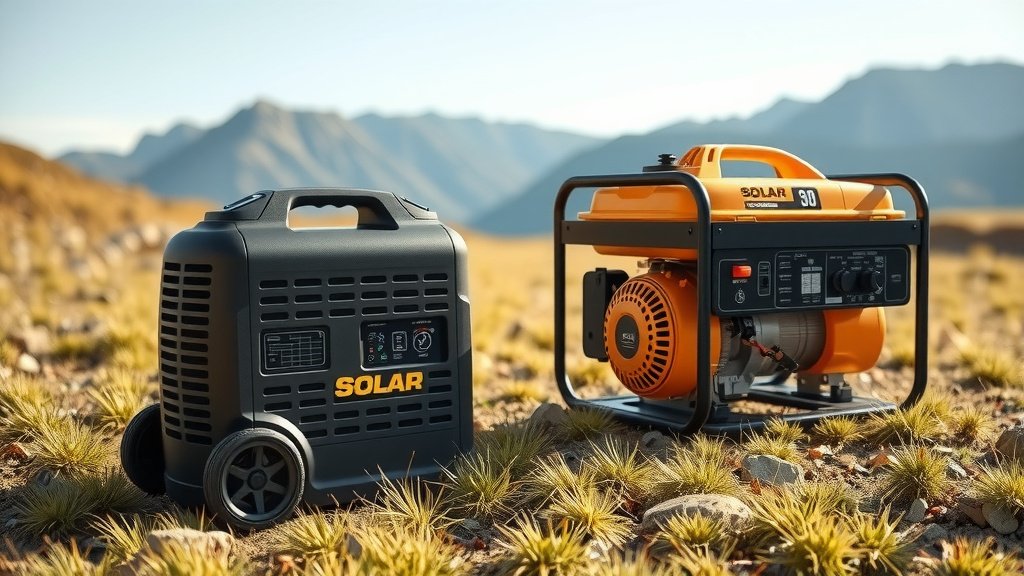
Solar generators are better for quiet, eco-friendly backup power, while gas generators offer more power output and faster refueling for heavy-duty needs.
Your choice depends on whether you prioritize clean energy and low maintenance or maximum power and quick refueling times.
Choosing between a solar generator and gas generator can feel overwhelming. Both have their place, but understanding their strengths helps you pick the right one for your situation.
Let me walk you through everything you need to know to make this decision with confidence.
What Are Solar Generators and Gas Generators?
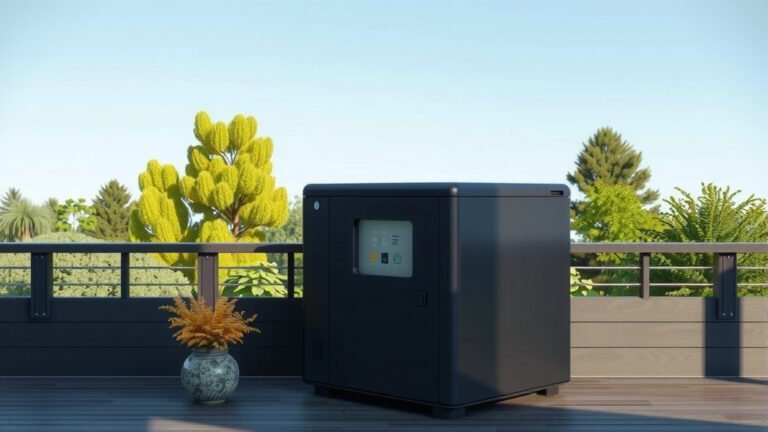
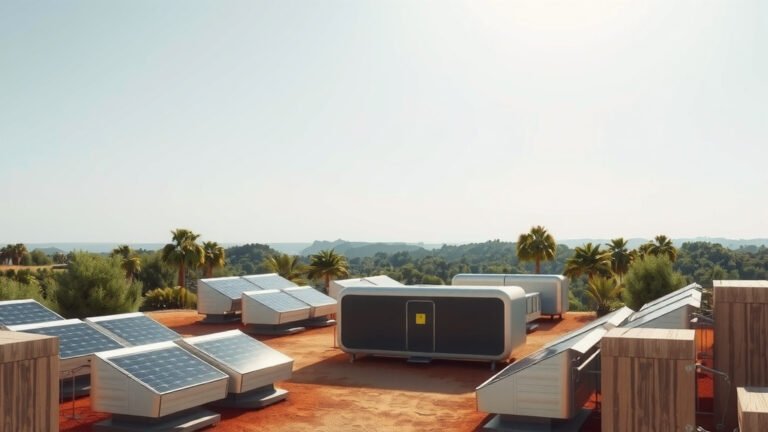
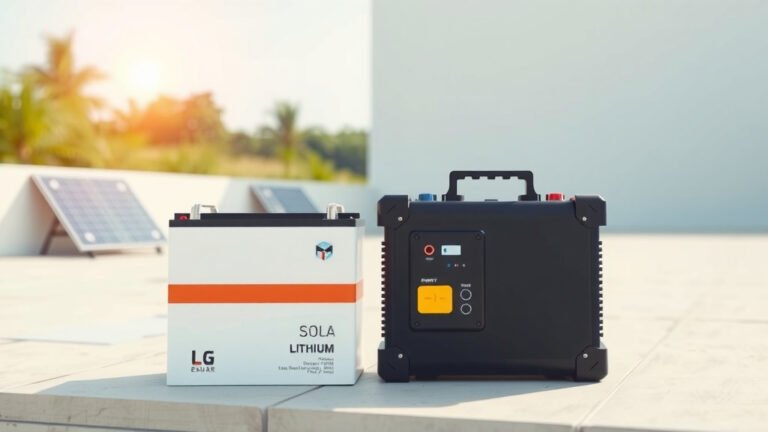
A solar generator combines a battery, inverter, and solar panels to store and convert sunlight into usable electricity. Think of it as a portable power station that runs on sunshine.
Gas generators burn gasoline to produce electricity through an engine-driven alternator. They work like mini power plants you can wheel around your yard.
How Solar Generators Work
Solar panels capture sunlight and convert it to DC power. The built-in battery stores this energy for later use. When you need power, an inverter changes the stored DC power to AC power for your devices.
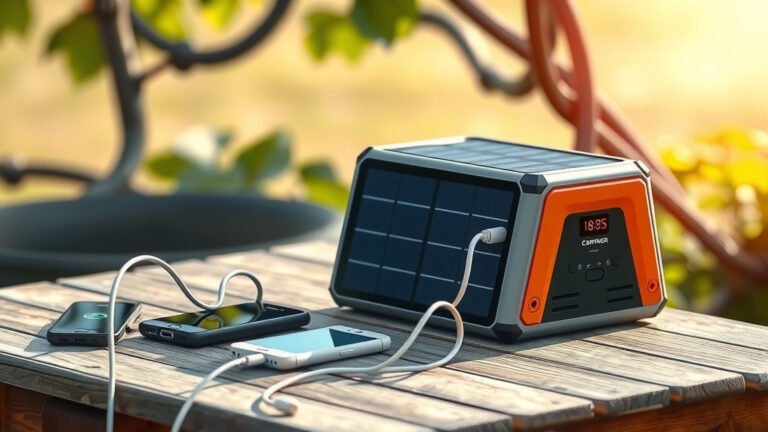
You can charge these units from wall outlets, car chargers, or solar panels. No fuel required.
How Gas Generators Work
Gas generators use an internal combustion engine to spin an alternator. This creates electricity you can use right away. Fill the tank, pull the cord, and you have power.
They need regular fuel refills and basic engine maintenance to keep running.
Power Output Comparison
Gas generators typically produce more power than solar generators. A mid-size gas generator can output 3,000-7,000 watts. Large models reach 10,000+ watts.
Most portable solar generators max out around 2,000-3,000 watts. High-end models might reach 6,000 watts, but they cost much more.
What This Means for You
Gas generators can run your whole house during outages. Solar generators work better for essential items like phones, laptops, small appliances, and medical devices.
Need to power a refrigerator, sump pump, and lights together? Gas wins. Want to charge devices while camping? Solar works great.
Runtime and Refueling Speed
Gas generators refuel in minutes. Pour in gas, and you’re back to full power. Most run 8-12 hours on a full tank.
Solar generators take hours to recharge fully. Solar panel charging can take 6-12 hours in good sunlight. Wall outlet charging is faster at 2-6 hours.
Storage Capacity Matters
Solar generators store energy for later use. Once charged, they provide power even at night or during cloudy weather. Gas generators only work when running.
This makes solar generators better for gradual power use over time. Gas generators excel when you need lots of power right now.
Noise Levels
Solar generators run silently. No engine noise, no exhaust sounds. Perfect for camping, indoor use, or noise-sensitive areas.
Gas generators are loud. Even “quiet” models produce 50-65 decibels. That’s like having a conversation next to you all day.
Why Noise Matters
Many campgrounds ban gas generators during quiet hours. Neighbors might complain about extended use. Solar generators avoid these issues completely.
If stealth power matters to you, solar wins easily.
Environmental Impact
Solar generators produce zero emissions during use. They run on clean renewable energy. Manufacturing does create some environmental impact, but daily use is carbon-free.
Gas generators burn fossil fuels and produce exhaust. The EPA connects generator emissions to air quality concerns in some areas.
Long-term Considerations
Solar generators help reduce your carbon footprint over time. Gas generators contribute to ongoing emissions with every use.
Many people choose solar generators partly for environmental reasons. Others focus purely on performance needs.
Operating Costs
After the initial purchase, solar generators cost almost nothing to run. Sunlight is free. Electricity for charging costs pennies.
Gas generators need constant fuel purchases. At current gas prices, running a generator costs $5-15 per day depending on size and usage.
| Cost Factor | Solar Generator | Gas Generator |
|---|---|---|
| Daily fuel cost | $0-1 | $5-15 |
| Annual maintenance | $0-50 | $100-300 |
| Replacement parts | Battery every 5-10 years | Engine parts, oil, filters |
Break-even Point
Heavy generator users often save money with solar after 1-3 years. Light users might never reach break-even, but enjoy the convenience.
Calculate your expected fuel costs to see which option makes financial sense.
Maintenance Requirements
Solar generators need minimal maintenance. Keep panels clean, store in moderate temperatures, and check connections occasionally.
Gas generators require regular engine maintenance. Oil changes, air filter cleaning, spark plug replacement, and fuel stabilizer treatments.
Seasonal Storage
Solar generators store easily. Charge to 50-80% and put them away. No special preparation needed.
Gas generators need fuel stabilizer, oil changes, and sometimes carburetor cleaning before long-term storage.
Indoor vs Outdoor Use
Solar generators work safely indoors. No exhaust fumes or carbon monoxide risks. Use them in your basement, garage, or living room without worry.
Gas generators must stay outdoors. Carbon monoxide poisoning kills people every year from indoor generator use. Never run them in enclosed spaces.
Weather Limitations
Gas generators dislike rain and snow. You need covers or shelters for weather protection. Solar generators handle moisture better, though you shouldn’t soak them.
Solar panels work in light rain but generate less power on cloudy days.
Portability and Weight
Small solar generators weigh 10-50 pounds. Large ones can reach 100+ pounds. Most have wheels or handles for easier transport.
Gas generators range from 50-200+ pounds. Plus you carry fuel containers. Two-person lifting becomes necessary for bigger models.
Transportation Considerations
Airlines ban gas generators and fuel. Solar generators fly as checked luggage with some battery restrictions.
RV travel works well with both types, but solar generators offer more flexibility.
Reliability in Different Conditions
Gas generators work regardless of weather, day or night. As long as you have fuel, they produce power.
Solar generators depend on advance planning. Charge them before storms or extended cloudy periods. They work great if you stay ahead of your power needs.
Emergency Preparedness
For emergency backup, both have strengths. Gas generators provide unlimited runtime with fuel stockpiles. Solar generators work without fuel supply chains.
Many emergency preparedness experts suggest keeping both types if your budget allows.
Best Use Cases for Solar Generators
Solar generators excel for camping, RV trips, outdoor events, and backup power for essential devices. They work great for charging phones, running small appliances, and powering LED lights.
- Quiet camping and tailgating
- Indoor emergency backup power
- Charging devices and small electronics
- Running CPAP machines overnight
- Powering lights and fans
Best Use Cases for Gas Generators
Gas generators work better for high-power needs, construction sites, whole-house backup, and situations requiring immediate maximum power output.
- Powering multiple large appliances
- Construction and job site power
- Whole-house backup during outages
- Running power tools and compressors
- Extended high-power usage
Which Should You Choose?
Choose a solar generator if you want quiet, clean power for light to moderate needs. They work best for people who plan ahead and don’t need maximum power output.
Choose a gas generator if you need high power output, quick refueling, or can’t wait for slow solar charging. They suit high-demand users who don’t mind noise and maintenance.
Budget Considerations
Entry-level gas generators cost less upfront. Quality solar generators require higher initial investment but save money over time for regular users.
Factor in long-term fuel and maintenance costs when comparing prices.
Conclusion
Neither solar nor gas generators win in every situation. Solar generators offer quiet, clean, low-maintenance power perfect for moderate needs and noise-sensitive environments. Gas generators provide maximum power output and quick refueling for heavy-duty applications.
Consider your power needs, budget, noise tolerance, and environmental priorities. Light users who value convenience and quiet operation will love solar generators. Heavy users who need maximum power and quick refueling will prefer gas generators.
The best choice depends on matching the generator type to your specific situation and priorities.
Can solar generators power a whole house?
Large solar generators can power essential household items like refrigerators, lights, and electronics, but most cannot handle whole-house electrical loads like central air conditioning or electric water heaters. You would need multiple high-capacity units or a permanently installed solar system.
How long do solar generator batteries last?
Most solar generator batteries last 5-10 years with regular use. Lithium iron phosphate batteries typically last longer than standard lithium-ion batteries. Battery lifespan depends on usage patterns, charging habits, and storage conditions.
Are gas generators cheaper to run than solar generators?
Gas generators cost more to operate daily due to fuel expenses, typically $5-15 per day. Solar generators cost almost nothing to run after purchase. Heavy users often save money with solar generators within 1-3 years despite higher upfront costs.
Can you use solar generators during power outages at night?
Yes, solar generators store energy in batteries for use anytime, including at night and during cloudy weather. You just need to charge them in advance using solar panels, wall outlets, or car chargers before the outage occurs.
What maintenance do solar generators need compared to gas generators?
Solar generators need minimal maintenance like keeping solar panels clean and storing batteries properly. Gas generators require regular oil changes, air filter replacement, spark plug maintenance, and fuel stabilizer treatments, making them much more maintenance-intensive.