
Solar generators run silently on renewable energy and need sunlight to recharge, while inverter generators use fuel like gasoline but provide consistent power regardless of weather conditions.
The best choice between a solar generator and inverter generator depends on your power needs, budget, and whether you prioritize quiet operation or reliable fuel-based power generation.
What’s the Real Difference Between These Two Options?
You’re looking at two completely different approaches to portable power. Think of it like choosing between an electric car and a gas car for camping.
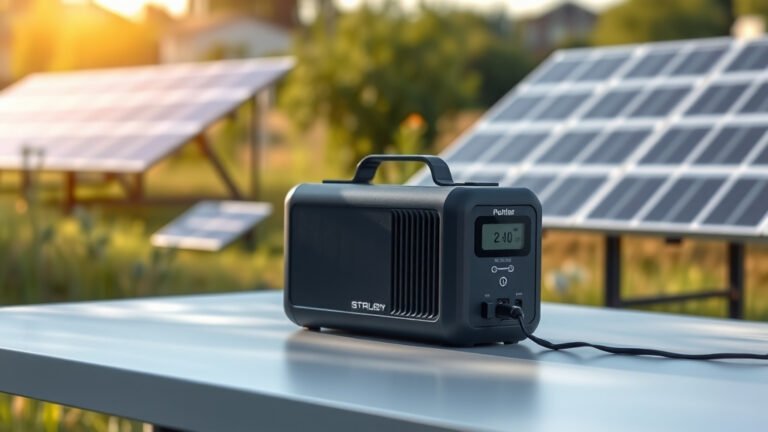
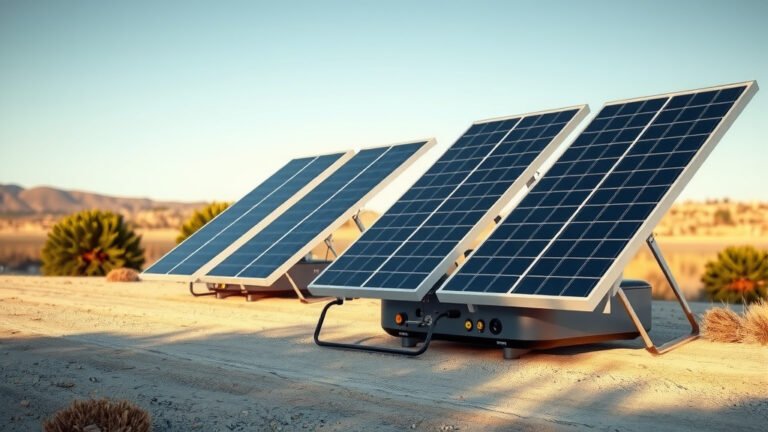
Solar generators are basically large battery packs with solar panels attached. They store energy from the sun and give it back to you when needed. No noise, no fumes, no fuel costs after your initial purchase.
Inverter generators burn fuel to create electricity on demand. They’re like having a tiny, efficient power plant that runs on gasoline, propane, or diesel. They make some noise but deliver consistent power whenever you need it.
Power Output: How Much Juice Do You Actually Need?
Let me help you figure out what you’re really powering. Most people overestimate their needs and end up overpaying.
Small Power Needs (Under 1000W)
You want to charge phones, run LED lights, maybe power a small fan? Both options work great here. Solar generators often win because they’re dead silent and maintenance-free.
A 500W solar generator can keep your phone charged for weeks. An inverter generator this size will sip fuel and barely whisper.
Medium Power Needs (1000W-3000W)
Now we’re talking refrigerators, power tools, maybe a microwave. This is where the differences really show up.
Solar generators in this range cost more upfront but save money long-term. Inverter generators cost less initially but you’ll buy fuel forever.
Heavy Power Needs (Over 3000W)
Running multiple appliances, large power tools, or whole-house backup? Inverter generators typically win here. They can run for hours on a tank of gas.
Solar generators this powerful exist but cost serious money. We’re talking $3000-$8000 range.
Runtime and Refueling: The Endurance Test
Here’s where things get interesting. Both have strengths and weak spots.
Solar Generator Runtime
Your runtime depends entirely on battery capacity and what you’re powering. A 1000Wh solar generator running a 100W device gives you roughly 8-10 hours of power.
The catch? Once it’s empty, you need sunlight or wall power to recharge. No sun for three days? You might be stuck.
Inverter Generator Runtime
Most inverter generators run 8-12 hours on a single tank. Some efficient models stretch even longer on eco-mode.
Need more power? Just pour in more fuel. It’s that simple. Rain or shine, day or night.
Noise Levels: Your Neighbors Will Thank You
Solar generators are completely silent. Zero noise. You can run them inside your tent, RV, or house without anyone knowing.
Inverter generators are much quieter than old-school generators, but they still make noise. Think “quiet conversation” level – around 50-60 decibels. Some campsites and neighborhoods have noise restrictions that rule them out.
Environmental Impact: Going Green vs Going Practical
Solar generators win the environmental game hands down. Once built, they produce zero emissions. Free sunshine powers your devices.
Inverter generators burn fossil fuels and create emissions. But they’re still way more efficient than older generator technology.
If you care about your carbon footprint, solar makes sense. If you care about reliability in any weather, fuel-powered options deliver.
Cost Analysis: Upfront vs Long-term
Let me break down the real costs because the sticker price tells only half the story.
| Factor | Solar Generator | Inverter Generator |
|---|---|---|
| Initial Cost | $500-$4000+ | $200-$2000 |
| Fuel Costs | $0 | $50-200/month |
| Maintenance | Minimal | Oil changes, filters |
| Lifespan | 8-15 years | 10-20 years |
Solar Generator Costs
You pay more upfront but practically nothing afterward. No gas, oil changes, or tune-ups. Just occasional battery replacement after many years.
I found that heavy users often break even after 2-3 years compared to buying fuel.
Inverter Generator Costs
Lower entry cost but ongoing fuel and maintenance expenses add up. A generator running 4 hours daily might cost $100+ monthly in gas.
Maintenance Requirements: Set It and Forget It vs Regular Care
Solar generators are basically maintenance-free. Wipe down the solar panels occasionally. That’s it.
Inverter generators need regular attention like any engine:
- Oil changes every 50-100 hours
- Air filter cleaning or replacement
- Fuel stabilizer if storing long-term
- Spark plug replacement annually
Skip maintenance and your generator will let you down when you need it most.
Portability: Taking Power on the Road
Solar Generator Portability
Most portable solar generators weigh 20-50 pounds. Compact, rectangular design makes them easy to pack. Solar panels usually fold up nicely.
Big advantage: you can use them anywhere, even inside vehicles or tents.
Inverter Generator Portability
Similar weight range but bulkier shape. Built-in handles and wheels help with transport.
Downside: you need ventilation and can’t use them in enclosed spaces due to carbon monoxide risk.
Weather Dependence: Sun vs Storms
Solar generators obviously depend on sunlight for recharging. Cloudy week? Your power options shrink fast.
But here’s what I found interesting: many solar generators charge from wall outlets too. You get flexibility when needed.
Inverter generators don’t care about weather. Rain, snow, or shine – as long as you have fuel, you have power. Just keep them dry and ventilated.
Best Use Cases: When to Choose Solar
Perfect for Solar Generators
- Quiet camping where noise matters
- Indoor emergency backup power
- Daily use with predictable, light loads
- Locations with abundant sunshine
- Environmental consciousness priorities
Skip Solar If
- You need power during extended cloudy periods
- High power demands for long periods
- Budget is tight and you need power now
- You’re in consistently overcast climates
Best Use Cases: When to Choose Inverter Generators
Perfect for Inverter Generators
- Emergency backup power regardless of weather
- Job sites needing reliable power tools
- RV trips with high power needs
- Areas with limited sunlight
- Lower upfront budget requirements
Skip Inverter Generators If
- Noise restrictions apply
- You want zero ongoing fuel costs
- Indoor use is required
- Minimal maintenance appeals to you
Making Your Final Decision
Ask yourself these key questions:
How Often Will You Use It?
Daily use? Solar generators save money long-term. Occasional use? Inverter generators cost less upfront.
Where Will You Use It?
Indoor or noise-sensitive areas demand solar. Outdoor use with ventilation opens both options.
What’s Your Power Pattern?
Light, consistent loads favor solar. Heavy, intermittent loads favor inverter generators.
How’s Your Local Climate?
Sunny regions make solar generators shine. Cloudy, rainy areas favor fuel-powered reliability.
Conclusion
Your choice between solar and inverter generators boils down to your specific needs and priorities. Solar generators excel when you want quiet, clean power for light to moderate loads in sunny conditions. They cost more upfront but save money over time with zero fuel costs.
Inverter generators win when you need reliable power regardless of weather, have higher power demands, or want lower initial costs. They require ongoing fuel and maintenance but deliver consistent performance.
Consider your budget, power needs, noise tolerance, and local climate. Both technologies have improved dramatically – you really can’t go wrong with either choice if it matches your specific situation.
Can you run a solar generator and inverter generator together?
Yes, many people use both systems together for maximum flexibility. You can charge your solar generator’s batteries using the inverter generator during cloudy periods, giving you the best of both worlds.
How long do solar generator batteries last before replacement?
Most lithium batteries in solar generators last 8-15 years or 2000-6000 charge cycles before significant capacity loss. This varies based on usage patterns and battery quality.
Are inverter generators safe to use in RVs?
Yes, but only with proper ventilation and never inside the RV itself. Always run them outside with exhaust directed away from windows and vents to prevent carbon monoxide buildup.
What happens to solar generators during winter months?
Solar panels work in winter but produce less power due to shorter days and potential snow cover. Cold weather actually improves battery efficiency, but you’ll need to rely more on wall charging during dark months.
Do inverter generators work at high altitudes?
Yes, but they lose power output as altitude increases due to thinner air. Most manufacturers provide altitude compensation guidelines, and some models have automatic altitude adjustment features.