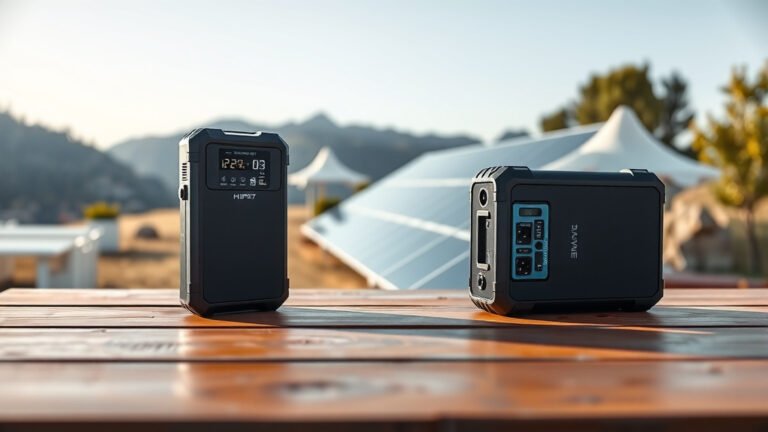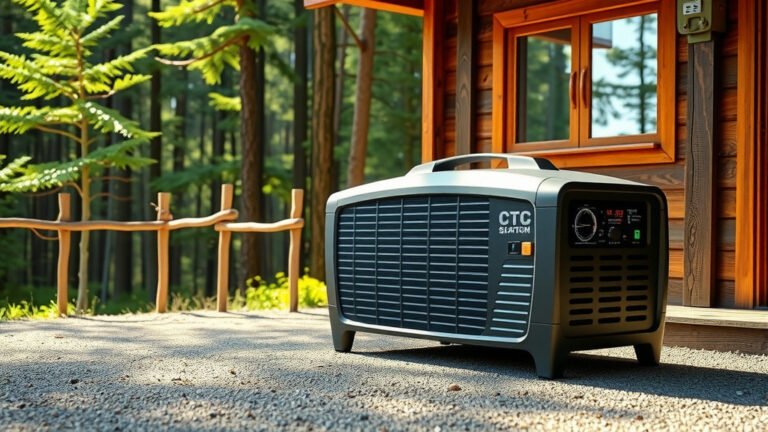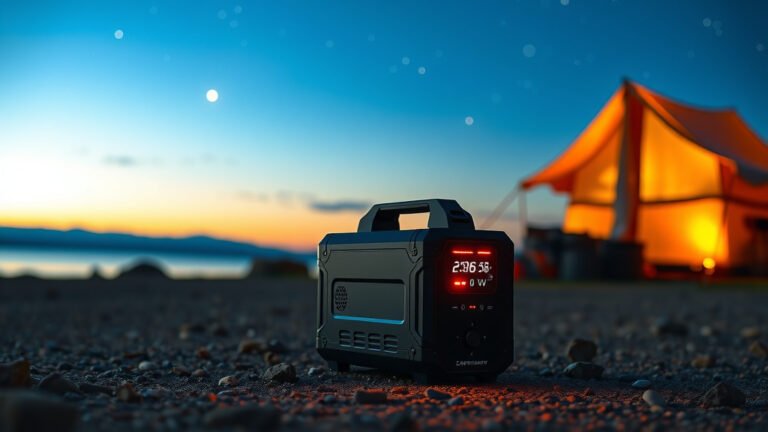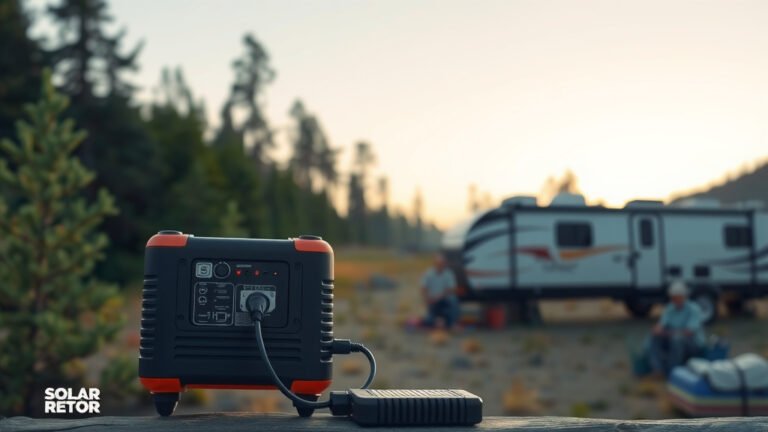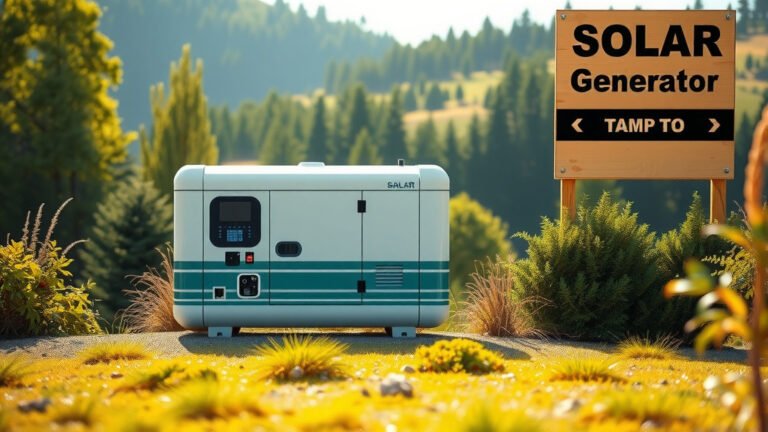
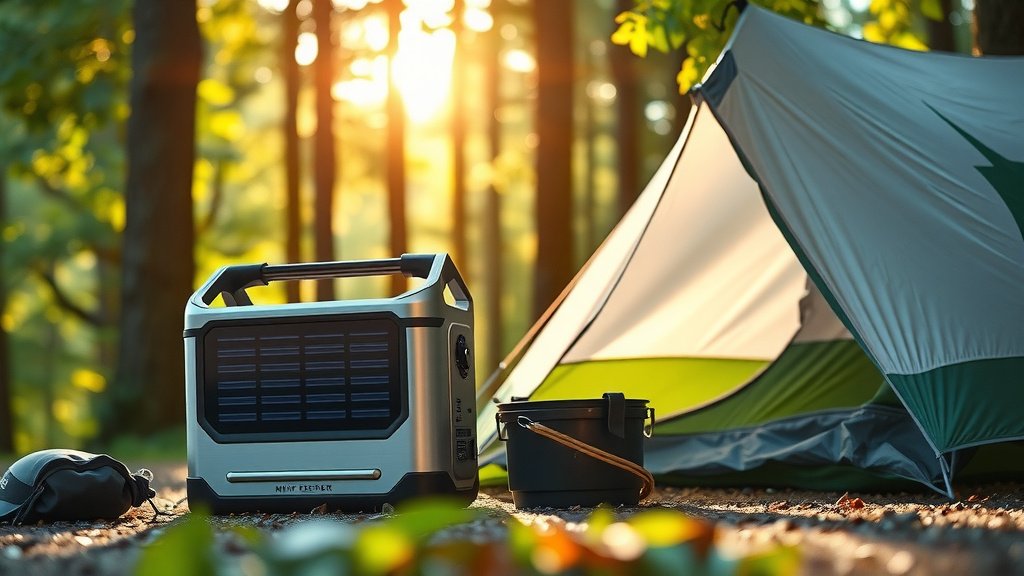
To store a solar generator when camping, find a dry, ventilated spot away from direct sunlight and extreme temperatures.
The ideal storage location keeps your solar generator between 50-77°F with good airflow and protection from moisture.
Quick Storage Essentials for Your Solar Generator
Your solar generator needs proper care during camping trips. Think of it like storing a laptop outdoors – you wouldn’t leave it in direct sun or rain, right?
The basic rule is simple: keep it cool, dry, and protected. But there’s more to it than just finding shade.
Temperature Control Is Everything
Heat damages solar generator batteries faster than anything else. When temperatures climb above 85°F, your battery starts losing capacity.
I found that many camping experts recommend storing generators in the shade during peak sun hours. Even if you’re not using it, hot surfaces can overheat the unit.
Finding the Sweet Spot Temperature Range
Your solar generator performs best between 50-77°F. This range keeps the internal battery chemistry stable.
Cold weather below 32°F can also cause problems. The battery won’t charge properly in freezing conditions.
Moisture Protection Strategies
Water and electronics don’t mix. Even morning dew can seep into vents and cause damage over time.
Most solar generators have IP ratings, but they’re not waterproof. Think of them as splash-resistant, not swimming-pool-ready.
Simple Waterproofing Solutions
A waterproof tarp works wonders for overnight protection. Just make sure air can still flow around the unit.
Plastic bags seem like a good idea, but they trap moisture inside. This creates condensation that’s worse than rain.
Dealing with Humidity
High humidity affects battery life. If you’re camping in muggy conditions, silica gel packets can help.
Place a few packets near (not inside) your generator’s storage area. They’ll absorb excess moisture from the air.
Ventilation Requirements
Your solar generator needs to breathe. The internal fan runs during charging and discharging to prevent overheating.
Blocking air vents is like covering your mouth while running – it doesn’t end well.
Proper Airflow Setup
Leave at least 12 inches of space around all sides. This gives hot air a place to escape.
Don’t store your generator inside a sealed container or tent corner. It needs cross-ventilation to stay cool.
Signs of Poor Ventilation
Watch for these warning signs:
- Unit feels hot to touch when not in use
- Fan runs constantly
- Battery drains faster than normal
- Error messages about temperature
Best Storage Locations at Your Campsite
Where you put your solar generator matters as much as how you protect it.
I researched common camping setups and found these spots work best for most situations.
Under Your RV or Vehicle
The space under your vehicle provides natural shade and wind protection. Just make sure it’s level ground.
This spot also keeps your generator close enough for easy access while protecting it from weather.
RV Storage Compartments
External RV compartments work great if they have ventilation. Many newer RVs include power outlets in these spaces too.
Check that the compartment doesn’t get too hot during the day. Some face the sun and turn into ovens.
Inside a Well-Ventilated Tent Extension
Tent extensions or screen rooms offer protection with airflow. They block rain but let air move freely.
Never store your generator inside your sleeping tent. The risk of carbon monoxide isn’t worth it.
Portable Shelter Options
Pop-up canopies work well for day storage. They’re quick to set up and provide instant shade.
Look for canopies with side panels for wind protection. Some even have zippered openings for easy access.
Battery Care During Storage
Your solar generator’s battery needs attention even when you’re not using it.
Research shows that lithium batteries (found in most solar generators) slowly self-discharge over time.
Charge Level Management
Keep your battery between 20-80% charge during storage. Full or empty batteries degrade faster.
Check the charge level daily if you’re camping for a week or more. Top it off with solar panels if needed.
Parasitic Drain Prevention
Some generators have standby power draw even when turned off. This slowly drains the battery.
Turn off all outputs and switch the main power button to “off” when storing. This minimizes battery drain.
Security Considerations
Solar generators are expensive and portable – a tempting combination for thieves.
Smart storage keeps your investment safe while you sleep or explore.
Locking and Securing Your Unit
Cable locks work well for securing generators to heavy objects. Thread the cable through the handle.
Some campers chain their generator to their vehicle’s trailer hitch. It’s not foolproof, but it deters casual theft.
Out of Sight Storage
The best security is invisibility. Store your generator where passing people can’t see it.
Avoid leaving it outside your campsite when you go hiking. Bring it inside your RV or lock it in your vehicle.
Common Storage Mistakes to Avoid
Even experienced campers make these storage errors. Learning from their mistakes saves you money and frustration.
Leaving It in Direct Sunlight
Direct sun can push surface temperatures above 120°F. This triggers thermal shutdowns and damages batteries.
Even “just for a few minutes” can cause problems on hot days. Always prioritize shade.
Storing on Hot Surfaces
Asphalt, concrete, and metal surfaces absorb heat. They transfer this heat to your generator’s bottom.
Use a wooden board or insulated mat to create a barrier. This simple step prevents overheating from below.
Blocking Air Vents
Covering vents with tarps or placing objects too close stops airflow. This leads to overheating fast.
Always check that air can flow freely around your unit, even when covered for weather protection.
Seasonal Storage Tips
Different camping seasons require different storage approaches.
| Season | Main Challenge | Storage Solution |
|---|---|---|
| Summer | Extreme heat | Priority shade, extra ventilation |
| Winter | Freezing temperatures | Insulated storage, warm location |
| Spring | Rain and humidity | Waterproof covers, moisture control |
| Fall | Temperature swings | Flexible location, daily monitoring |
Winter Camping Storage
Cold weather brings unique challenges. Batteries charge slower and provide less power in freezing conditions.
Bring your generator inside your heated RV overnight. This keeps the battery warm and ready for morning use.
Dealing with Snow and Ice
Snow can block air vents and add weight to your generator. Brush it off regularly.
Ice formation around the unit can trap moisture. Use a small heater nearby if conditions are severe.
Long-term Camping Storage
Staying at one campsite for weeks or months? Your storage strategy needs adjustment.
Long-term storage focuses on battery health and weather protection over convenience.
Monthly Maintenance Schedule
Check battery charge levels weekly during extended stays. Top off with solar panels as needed.
Clean dust and debris from air vents monthly. Camping environments are dusty places.
Rotation and Exercise
Use your generator regularly, even if you don’t need the power. Monthly discharge and recharge cycles keep batteries healthy.
This “exercise” prevents battery chemistry from becoming stagnant during long storage periods.
Conclusion
Proper solar generator storage when camping boils down to temperature control, moisture protection, and good ventilation. Keep your unit between 50-77°F, away from direct sunlight, and ensure air can flow freely around it. Whether you’re camping for a weekend or a month, these storage principles will protect your investment and ensure reliable power when you need it most. Remember that a little daily attention to your generator’s storage conditions prevents major problems down the road.
Can I store my solar generator inside my tent overnight?
No, you should never store a solar generator inside your sleeping tent due to carbon monoxide risk and fire hazards. Store it in a well-ventilated area outside your tent, such as under a tarp or in a screen room.
How often should I check my solar generator during long-term camping?
Check your solar generator’s battery level and overall condition weekly during extended camping trips. Look for signs of moisture, dust buildup, or temperature-related issues that could affect performance.
What’s the best way to protect my solar generator from theft while camping?
Use a cable lock to secure your generator to a heavy object like your vehicle or RV. Store it out of sight when possible, and never leave it unattended outside your campsite when you leave for activities.
Is it safe to leave my solar generator outside during thunderstorms?
While most solar generators can handle light rain with proper covering, you should bring them inside during severe thunderstorms. Lightning and heavy rain pose risks that outdoor storage can’t adequately protect against.
Should I disconnect solar panels from my generator during storage?
You can leave solar panels connected during short-term storage, but disconnect them for overnight storage or when moving your setup. This prevents overcharging and allows for better organization of your camping equipment.