
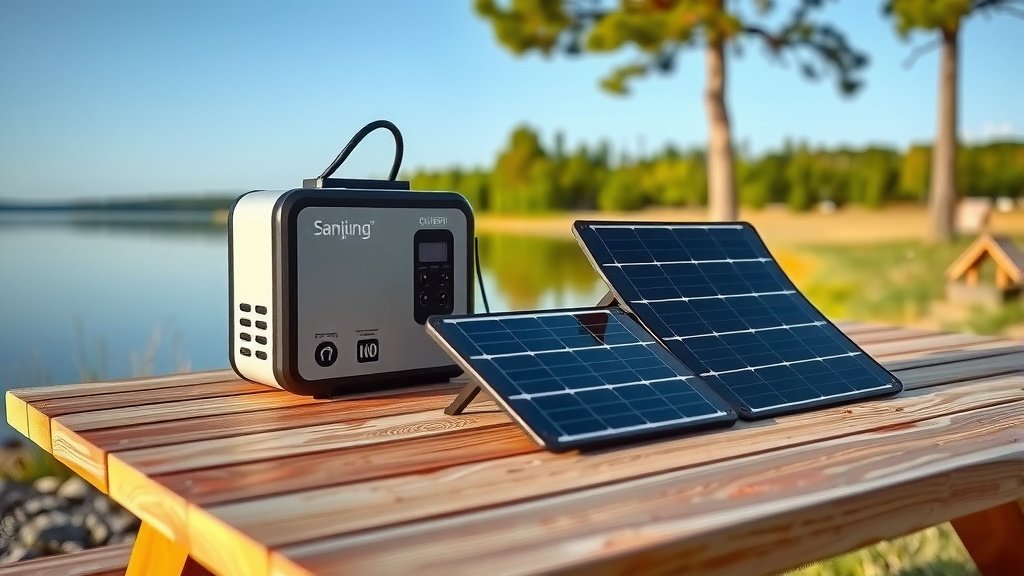
A portable power station is worth it if you need reliable backup power for outdoor activities, emergencies, or off-grid living situations.
Your decision depends on your specific power needs, budget, and how often you’ll use the portable power station.
You’re probably wondering if spending hundreds or thousands on a portable power station makes sense. Let me walk you through everything you need to know to make the right choice.
Think of a portable power station as a giant battery pack with multiple outlets. It stores electricity that you can use anywhere, anytime. No gas, no fumes, just clean power on demand.
What Exactly Is A Portable Power Station?
A portable power station is a rechargeable battery system with built-in outlets and ports. You can charge phones, run small appliances, or power medical devices.
These units typically include AC outlets, USB ports, and DC outputs. Most weigh between 10 to 60 pounds, making them much lighter than gas generators.
How Do They Work?
You charge the internal battery using wall outlets, car chargers, or solar panels. The battery stores this energy until you need it.
When you plug in a device, the station converts stored DC power to AC power. This happens instantly with no warm-up time needed.
Who Should Buy A Portable Power Station?
Certain people get much more value from these devices than others. Let me break down the main groups.
Outdoor Enthusiasts
If you camp, RV, or spend time outdoors regularly, a power station can transform your experience. You can run fans, charge devices, or power small fridges.
Research shows that 40% of campers now bring electronic devices on trips (National Park Service). A power station lets you stay connected without running your car engine.
Weekend Warriors
For occasional camping trips, a smaller 300-500 watt-hour station works well. You can charge phones and run LED lights for a weekend.
Extended Trip Travelers
Week-long adventures need bigger capacity. Look for 1000+ watt-hour stations that can run refrigerators and multiple devices.
Emergency Preparedness Folks
Power outages happen. The average American experiences 8 hours of outages yearly (Energy Information Administration).
A power station keeps medical devices running, preserves food, and maintains communication during emergencies. No fuel storage or carbon monoxide risks like gas generators.
Medical Device Users
CPAP machines, oxygen concentrators, and medication fridges need reliable power. A power station provides silent, indoor-safe backup power.
Remote Workers
Working from home during outages becomes possible. You can power laptops, routers, and phones for several hours.
When A Portable Power Station Isn’t Worth It
Let’s be honest. These devices don’t make sense for everyone.
Whole-House Power Needs
You can’t run your entire house on a portable station. They won’t power electric water heaters, central air, or electric stoves for long.
A standby generator or whole-house battery system makes more sense for comprehensive home backup.
Heavy Power Tool Use
Construction workers and contractors often need more power than these stations provide. Gas generators deliver higher wattage for demanding tools.
Budget Constraints
Quality power stations cost $500 to $3000. If you rarely lose power or camp, this investment might not pay off.
Cost Analysis: Breaking Down The Numbers
Let’s look at real costs to help you decide if the investment makes sense.
| Capacity Range | Typical Price | Best For | Runtime Example |
|---|---|---|---|
| 200-400 Wh | $200-$500 | Phone charging, small devices | Laptop: 3-6 hours |
| 500-1000 Wh | $500-$1200 | Weekend camping, short outages | Mini fridge: 8-15 hours |
| 1000+ Wh | $1200-$3000 | Extended trips, home backup | CPAP machine: 2-4 nights |
Hidden Costs To Consider
The station itself isn’t your only expense. You might need solar panels, carrying cases, or extra charging cables.
Solar panels add $200 to $800 to your total cost. But they provide unlimited recharging in sunny conditions.
Replacement Battery Costs
Lithium batteries last 2000 to 4000 charge cycles. After 5-10 years, you might need battery replacement or a new unit.
Real-World Performance Expectations
Let me set realistic expectations about what these stations can and can’t do.
Runtime Reality Check
A 1000Wh station running a 100W device gives you about 8-9 hours of use. Efficiency losses reduce theoretical runtime by 10-20%.
High-drain devices like hair dryers or space heaters drain batteries quickly. A 1500W heater empties most stations in under an hour.
Temperature Effects
Cold weather reduces battery capacity by 20-40%. Hot conditions can trigger thermal shutdowns to protect the battery.
Store your station in moderate temperatures when possible. Extreme heat or cold shortens battery life.
Charging Time Realities
Wall charging takes 6-12 hours for most stations. Solar charging depends on panel size and weather conditions.
A 100W solar panel needs 12-15 hours of good sun to fully charge a 1000Wh station. Cloudy days extend this significantly.
Comparing Alternatives
Power stations aren’t your only option. Let’s compare other backup power solutions.
Gas Generators vs Power Stations
Gas generators cost less upfront and provide more power. But they’re loud, produce fumes, and need fuel storage.
Power stations run silently and work indoors safely. They cost more but need less maintenance.
Fuel Costs Over Time
A 2000W gas generator burns about 0.5 gallons per hour. At $4 per gallon, you spend $2 hourly on fuel.
Power stations use electricity costing $0.10-$0.30 per full charge. The operating cost difference adds up quickly.
Car Power Inverters
A 400W inverter costs under $100 and plugs into your car’s 12V outlet. You can run small devices while the car runs.
This works for emergencies but isn’t practical for camping or extended use. You’ll drain your car battery or waste gas idling.
Making Your Decision
Here’s a simple framework to decide if a power station makes sense for you.
Calculate Your Power Needs
List devices you want to power and their wattage. Add up the total watts and estimate hours of use.
A phone charger uses 10W. A laptop needs 65W. A small fridge draws 40-60W continuously.
Peak vs Continuous Power
Some devices need extra power to start up. Refrigerators might draw 200W starting but only 50W running.
Make sure your station handles both peak startup power and continuous running power.
Frequency Of Use Test
Will you use this monthly, yearly, or just for emergencies? Higher use frequency justifies higher costs.
If you camp every month, a $1500 station costs $125 per trip over the first year. That might beat hotel costs or generator fuel.
Getting The Most Value
Once you decide to buy, these tips help maximize your investment.
Size It Right
Buy slightly more capacity than you think you need. It’s better to have extra power than run out during critical moments.
A 20% capacity buffer handles unexpected power draws or efficiency losses.
Expandability Options
Some stations accept additional battery packs. This lets you start smaller and expand capacity later.
Solar Panel Investment
Solar panels turn your station into an unlimited power source. The upfront cost pays off during extended trips or long outages.
Match panel wattage to your station’s input capacity. A 200W solar input needs at least 200W of panels for optimal charging.
Conclusion
A portable power station is worth it if you regularly camp, face power outages, or need backup power for medical devices. The silent operation, indoor safety, and zero emissions make them superior to gas generators for many uses.
Skip the power station if you only need whole-house backup power or rarely lose electricity. The cost doesn’t justify occasional use for most people.
Start by calculating your actual power needs and use frequency. This determines if the investment makes financial sense for your situation. Remember, peace of mind during emergencies has value beyond just dollars and cents.
How long do portable power stations last?
Most quality lithium power stations last 2000-4000 charge cycles, which translates to 5-10 years of regular use. Battery capacity gradually decreases over time, typically retaining 80% capacity after 2000 cycles.
Can you run a refrigerator on a portable power station?
Yes, but runtime depends on both the fridge size and station capacity. A small 12V camping fridge draws 40-60W and runs 15-30 hours on a 1000Wh station. Full-size household refrigerators need much larger stations for meaningful runtime.
Are portable power stations safe to use indoors?
Yes, portable power stations are completely safe for indoor use. Unlike gas generators, they produce no carbon monoxide, fumes, or emissions. They operate silently and don’t require ventilation, making them ideal for home backup power.
What’s the difference between watts and watt-hours?
Watts measure power consumption at a given moment, while watt-hours measure total energy capacity. A 100W device running for 10 hours uses 1000 watt-hours of energy. Match your station’s watt-hour capacity to your expected usage time.
Do portable power stations work in cold weather?
Portable power stations work in cold weather but with reduced capacity. Lithium batteries lose 20-40% capacity in freezing temperatures. Most stations have built-in heating systems that activate in cold conditions, though this uses some stored energy.
