Yes, it is generally safe to use a portable power station for a CPAP machine, provided you choose the right model and understand its limitations. Many CPAP users rely on these power stations for travel and during outages, offering peace of mind.
Portable power stations offer a reliable backup power source for your CPAP therapy, especially when you’re away from standard outlets or if the power goes out at home. We found that choosing a station with sufficient wattage and the correct output ports is key for uninterrupted sleep apnea treatment.
TL;DR:
- Portable power stations are safe for CPAP use.
- Match your power station’s capacity to your CPAP’s needs.
- Turn off the humidifier and heated tubing to save battery.
- Look for pure sine wave inverters for best compatibility.
- Always test your setup before relying on it completely.
Let’s walk through exactly what you need to consider to make sure your CPAP machine runs perfectly on a portable power station.
Powering Your CPAP with a Portable Station: Is It Safe?
Yes, using a portable power station for your CPAP machine is generally safe. You just need to ensure you pick the right power station for your specific CPAP model. It’s like pairing the right charger with your phone; you want a good fit.
Understanding Your CPAP’s Power Needs
Before you even look at power stations, it’s vital to know what your CPAP machine requires. This isn’t just about turning it on. It’s about keeping it running all night, every night you need it. We found that most people underestimate their machine’s actual power draw.
Checking Your CPAP’s Wattage and Voltage
Every CPAP machine has a power brick, similar to a laptop charger. On this brick, or sometimes on the machine itself, you’ll find details about its power requirements. You’re looking for the wattage (W) or amperage (A) and voltage (V). Wattage is often the easiest number to work with. If you only see amps and volts, multiply them together to get the wattage (Amps x Volts = Watts).
Most CPAP machines without humidifiers or heated tubing use around 30-60 watts. With a humidifier and heated tubing, this can jump to 80-120 watts. Knowing this number is your first big step.
Choosing the Right Portable Power Station
Now that you know your CPAP’s needs, let’s look at how to pick a power station. Think of it as choosing the right size battery pack for a long journey. You want enough juice to last.
Capacity: How Long Will It Last?
Portable power stations are measured in Watt-hours (Wh) or milliamp-hours (mAh). Watt-hours tell you how many watts the station can deliver for one hour. For example, a 300Wh station could power a 30W CPAP for about 10 hours (300Wh / 30W = 10 hours). However, this is a theoretical maximum. You need to factor in some inefficiencies.
We recommend looking for a power station with at least 2-3 times the Watt-hours you think you’ll need for one night. This provides a safety margin and accounts for power conversion losses. For multiple nights, multiply accordingly. Remember, it’s better to have too much capacity than not enough.
Output Ports and Inverter Type
Your CPAP machine usually plugs into a standard wall outlet. So, your power station needs an AC outlet (the same kind you have at home). We found that most quality portable power stations include these.
- Pure Sine Wave Inverter: This is crucial. Your CPAP machine is a sensitive electronic device. A pure sine wave inverter provides clean, stable power, just like your home’s wall outlets. This protects your machine and ensures it runs optimally. Many experts, including those in medical device care, recommend pure sine wave for sensitive electronics.
- Modified Sine Wave Inverter: Avoid these if possible for CPAP machines. They produce a “choppier” power output that can potentially damage sensitive electronics over time, cause them to run inefficiently, or even shorten their lifespan. It’s simply not worth the risk for a device as important as your CPAP.
Optimizing Your CPAP for Portable Power
You can significantly extend the run time of your CPAP machine on a portable power station by making a few adjustments. It’s like turning off unnecessary lights to save energy in your home.
Turn Off Humidifier and Heated Tubing
This is the single most effective way to save power. Humidifiers and heated tubing use a tremendous amount of electricity. Turning them off can reduce your CPAP’s power consumption by 50-70%. If you absolutely need humidification, consider a pass-over humidifier (no heating) or a heated hose cover instead of direct heating. Many CPAP users report being able to adapt to therapy without these features for a few nights when needed.
Use a DC Converter if Available
Most CPAP machines have an option to run directly from a 12V DC power source, often using a specific DC converter cable (sometimes sold separately). This bypasses the need for the power station’s inverter to convert DC battery power to AC power, then back to DC for your CPAP. Each conversion step loses some energy. Using a DC converter cable is more efficient and can extend your run time by 10-20%.
Safety Considerations and Best Practices
While generally safe, there are a few things you should always keep in mind when using a portable power station with your CPAP.
Ventilation and Placement
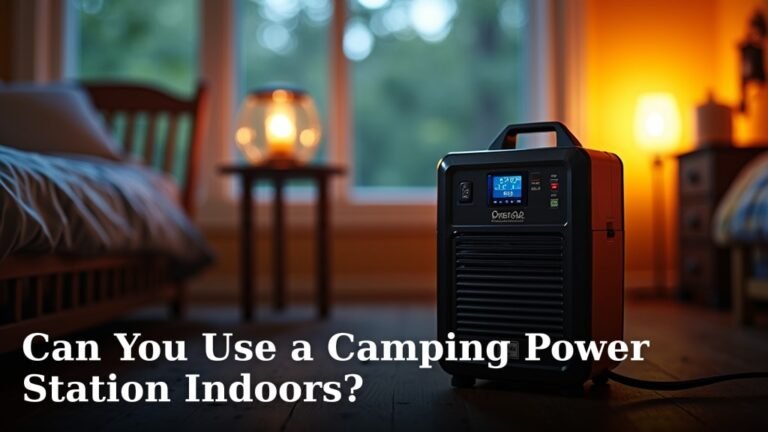
Portable power stations generate a small amount of heat, especially when in use. Always place your power station in a well-ventilated area. Do not cover it or place it in an enclosed space. This prevents overheating and ensures the longevity of the unit. Think of it like giving a laptop room to breathe.
Environmental Factors
Extreme temperatures can affect battery performance. Avoid leaving your power station in direct sunlight or in very cold environments for extended periods. Most power stations operate best within a specified temperature range, usually found in the user manual. Keep it protected from rain or moisture.
A Quick Checklist for CPAP and Portable Power
Here’s a quick recap to ensure you’re ready to go:
- Confirm your CPAP machine’s wattage.
- Choose a power station with ample Watt-hours (at least 2-3x your nightly need).
- Ensure the power station has a pure sine wave inverter.
- Test your setup at home before you depend on it.
- Turn off your humidifier and heated tubing to conserve power.
- Consider a DC converter for maximum efficiency.
- Place the power station in a well-ventilated, dry area.
Comparing Portable Power Station Options
The market for portable power stations is vast. To give you an idea, we’ve outlined some general categories and what they might offer for CPAP users.
| Station Type | Capacity (Wh) | Typical CPAP Run Time (without humidifier) | Best Use Case |
|---|---|---|---|
| Small (e.g., 100-200Wh) | 100-200 Wh | ~1-3 nights | Occasional overnight trips, light backup. |
| Medium (e.g., 300-500Wh) | 300-500 Wh | ~4-8 nights | Weekend camping, frequent travel, home backup. |
| Large (e.g., 600Wh+) | 600+ Wh | 8+ nights | Extended outages, long-term off-grid use. |
These are estimates. Your actual run time will vary based on your specific CPAP model, pressure settings, and whether you use a DC converter. Always remember that turning off accessories makes a huge difference.
What if the Power Station Doesn’t Last Long Enough?
Even with the best planning, sometimes a power station might not last as long as you hoped. What then? We’ve found that having a backup plan is always wise.
Consider Multiple Power Sources
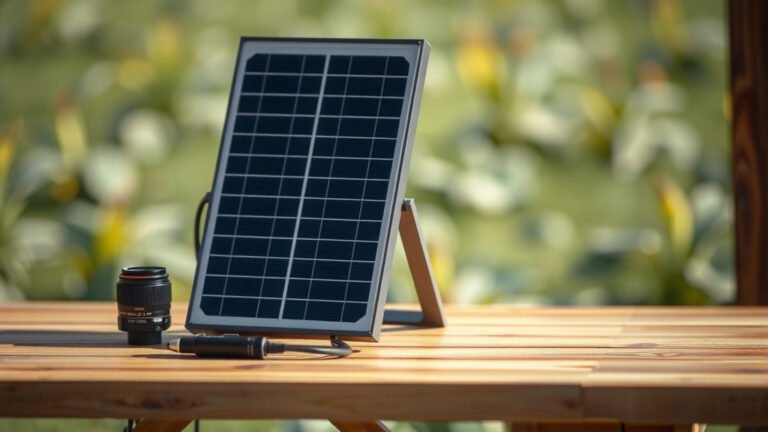
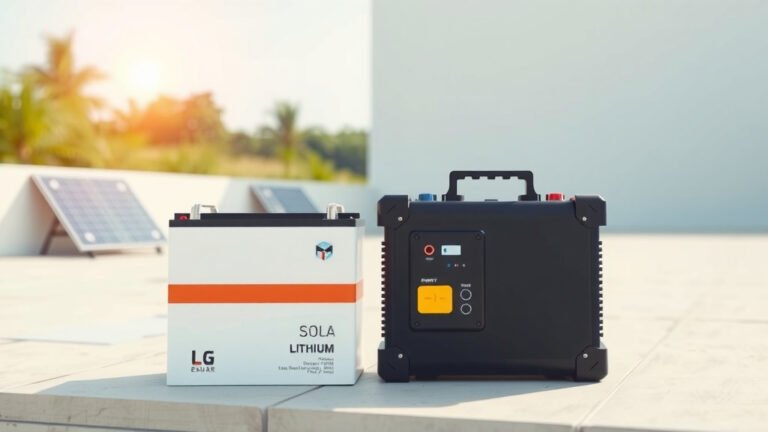
For longer trips or extended power outages, you might consider having more than one power station. Or, look for power stations that can be recharged via solar panels. This can give you continuous power if you have access to sunlight. Many power stations offer solar charging inputs, which can be a game-changer for off-grid use.
Battery Management Strategies
Think about how you use your CPAP. Can you sleep fewer hours on it for one night if absolutely necessary? Can you charge the power station during the day if you have access to a car outlet or another power source? Proactive battery management helps ensure you don’t run out of power when you need it most.
Conclusion
Using a portable power station for your CPAP machine is a smart and safe solution for uninterrupted sleep, whether you’re traveling or facing a power outage. We’ve shown that careful planning makes all the difference. You need to match your CPAP’s needs with the right power station, prioritizing a pure sine wave inverter and sufficient capacity.
Remember to optimize your setup by turning off energy-intensive features and consider a DC converter for maximum efficiency. By following these steps, you can confidently power your CPAP machine and ensure consistent therapy. Don’t wait for an emergency; test your ideal setup today!
Frequently Asked Questions
Can I use any portable power station with my CPAP?
Not just any station will do. You need one that provides enough watt-hours to power your machine for the desired duration. Crucially, it must feature a pure sine wave inverter to protect your sensitive CPAP electronics. We found this is a non-negotiable feature.
Will a portable power station damage my CPAP machine?
No, a well-chosen portable power station with a pure sine wave inverter will not damage your CPAP machine. It provides clean, stable power identical to what you get from a wall outlet. Avoid power stations with “modified sine wave” inverters, as they can potentially harm sensitive devices over time.
How can I make my CPAP machine last longer on a portable power station?
The most effective method is to turn off your humidifier and heated tubing, as these features consume significant power. We also recommend using a DC converter cable if your CPAP machine supports it, as this bypasses inefficient power conversions and extends run time.
What is the best capacity (Wh) for a portable power station for CPAP?
We recommend a power station with at least 2-3 times the Watt-hours your CPAP uses for one night. For example, if your CPAP uses 30W for 8 hours (240Wh), aim for a 480-720Wh station. This accounts for conversion losses and gives you a safety buffer.
Can I recharge a portable power station with solar panels while using my CPAP?
Many modern portable power stations offer solar charging capabilities. You can often recharge the station during the day using solar panels while continuing to use your CPAP at night. This provides a sustainable power solution, especially for extended off-grid use, as our research showed.