
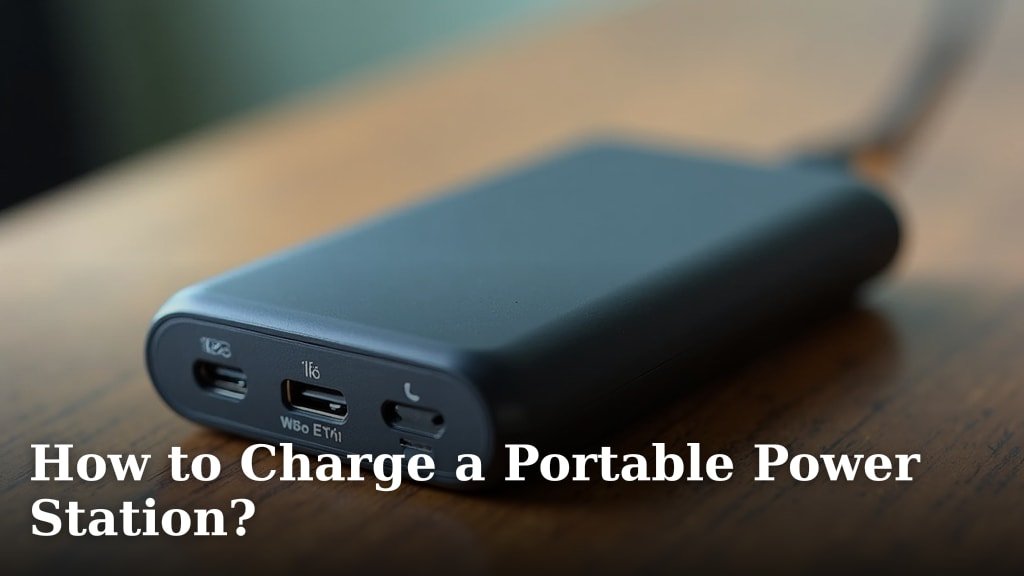
To charge a portable power station, you typically use AC wall outlets, solar panels, or your car’s 12V port. Each method offers a convenient way to keep your device ready for use, depending on your location and available power sources. It’s really quite simple to do.
Keeping your portable power station charged is essential for enjoying its benefits, whether you’re camping, facing a power outage, or just need power on the go. Understanding the various charging options helps you stay prepared and ensures your devices always have juice. We found that most stations offer flexible charging methods to fit your lifestyle.
- Connect to a standard wall outlet for the fastest charge.
- Use solar panels for eco-friendly, off-grid power.
- Charge from your car’s 12V port while driving.
- Always use the correct cables and adapters.
- Check your power station’s manual for specific instructions.
Let’s walk through exactly how to charge a portable power station using these different methods, so you can pick the best option for your needs.
Methods for Recharging Your Portable Power Station
Recharging your portable power station is simpler than you might think. We found that most models offer a few primary ways to get them juiced up. Understanding each method helps you choose the best one for your situation, whether you’re at home, on the road, or far off-grid.
AC Wall Outlet Charging: The Quickest Option
Charging from a standard wall outlet is often the fastest and most convenient method. It’s just like charging your smartphone or laptop, but with a bit more power. This method is great when you have access to household electricity, perhaps before a trip or during a power outage.
Connecting to the Wall
To charge your power station from the wall, you’ll use the AC adapter that came with your unit. It looks similar to a laptop charger, with a brick-like transformer. Plug one end into the charging port on your power station and the other into a standard 120V wall socket. That’s it! We found it’s usually the most straightforward setup.
Always use the supplied charger. Using a different adapter might slow charging or, worse, damage your power station. Your device’s manual will confirm the correct adapter (Consumer Reports).
Understanding Charging Times
How long does it take to charge? This varies greatly depending on your power station’s battery capacity and the charger’s wattage. A larger capacity battery will naturally take longer. Some power stations feature “fast charging” technology, significantly cutting down on wait times. You can often find the approximate charging time listed on the product’s packaging or in your user manual.
Solar Panel Charging: Embrace the Sun’s Power
For those looking for an eco-friendly and off-grid solution, solar panel charging is a fantastic choice. It’s perfect for camping, RV trips, or during extended power outages when you don’t have access to traditional outlets. Think of it as harvesting sunshine to power your devices.
Choosing the Right Solar Panels
Not all solar panels work with all power stations. You’ll need to check your power station’s specifications for compatible voltage and connector types. Many brands offer their own foldable solar panels designed to pair perfectly with their power stations. We found that a good match ensures efficient charging.
Look for panels with the correct DC output voltage (e.g., 12V-30V) and the right connector (often an MC4, Anderson, or proprietary barrel connector). Don’t worry, your manual will list what you need.
Setting Up Your Solar Panels
Setting up solar panels is easier than you might imagine. First, unfold your panels and position them in direct sunlight. Make sure there are no shadows falling on them, as even a small shadow can significantly reduce efficiency. Angle them towards the sun for maximum exposure. Then, simply connect the solar panel cable to the designated solar input port on your portable power station (often labeled “DC Input” or with a sun icon). Just plug and play!
Optimizing Solar Charging Efficiency
To get the most out of your solar panels, here are a few tips. Keep panels clean from dirt or debris. Adjust their angle throughout the day to follow the sun’s path. We found that even small adjustments can make a big difference in charging speed. Remember, clouds or indirect sunlight will slow down charging considerably. Patience is key with solar charging, as it’s typically slower than wall charging.
Car Charging: Power on the Go
Imagine driving to your campsite and simultaneously charging your power station. That’s exactly what car charging offers. Most portable power stations come with a 12V car charger cable that plugs into your vehicle’s cigarette lighter socket. This is a super handy option for road trips or when you’re moving between locations.
Connecting to Your Vehicle
Locate the 12V DC input port on your power station (often a round port). Plug one end of the car charger cable into this port. Then, insert the other end into your car’s 12V accessory socket. Your power station should indicate that it’s charging. It’s usually a very clear process. Many people find this method incredibly useful.
Important Considerations for Car Charging
While convenient, car charging is typically the slowest charging method. It’s designed to trickle charge your power station over an extended period. We found that it’s best for maintaining a charge or adding a small boost, rather than fully recharging a depleted battery quickly. Also, only charge your power station while your car’s engine is running. Charging with the engine off can drain your car’s starter battery, leaving you stranded!
Other Charging Methods & Best Practices
Some advanced portable power stations may offer additional charging capabilities, such as USB-C Power Delivery (PD) inputs or even the ability to accept input from a generator. Always refer to your power station’s manual for specific instructions and compatible charging methods. It’s your best guide for safe and efficient use.
The Power of Your Manual: A Must-Read
Every portable power station is a bit different. The manufacturer’s manual is your ultimate resource for charging information. It will detail specific charging ports, acceptable voltage ranges, estimated charging times, and any unique features your model might have. We always recommend giving it a good read before your first charge.
Charging Checklist for Your Power Station
To keep things simple, here’s a quick checklist to ensure you’re charging your portable power station effectively and safely:
- Use only the original or manufacturer-approved charging cables and adapters.
- Ensure the charging environment is well-ventilated and dry.
- Avoid extreme temperatures during charging (refer to your manual’s operating range).
- Always double-check that cables are securely connected before leaving it to charge.
- Monitor the charging indicator lights to confirm it’s receiving power.
Power Station Charging Methods Comparison
Here’s a quick overview of the main charging methods so you can see their pros and cons at a glance. We’ve put together this table to help you decide which one suits your current needs.
| Charging Method | Pros | Cons | Best For |
|---|---|---|---|
| AC Wall Outlet | Fastest charge, reliable power. | Requires household electricity. | Pre-trip charging, home use, emergencies. |
| Solar Panels | Eco-friendly, off-grid power, free energy. | Dependent on sunlight, slower charge times. | Camping, RVs, remote locations, backup during outages. |
| Car 12V Adapter | Convenient while driving, portable. | Slowest charge, drains car battery if engine off. | Road trips, trickle charging, maintaining power on the move. |
No matter which method you choose, the goal is always to keep your portable power station ready for action. Whether it’s for emergencies, outdoor adventures, or simply powering devices away from an outlet, a well-charged power station provides peace of mind. We hope this guide helps you confidently power up your portable energy source.
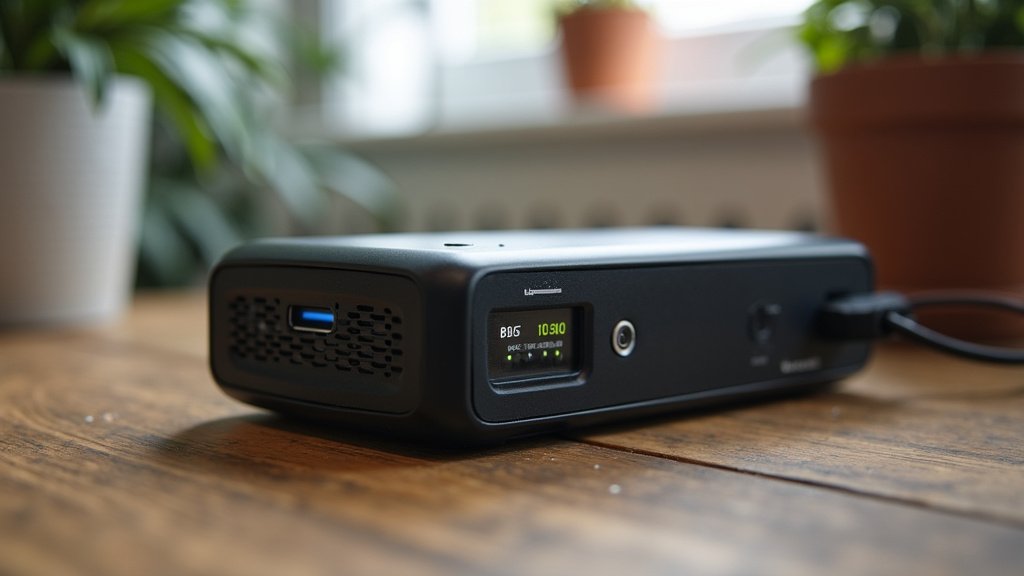
Conclusion
You’ve now got a solid understanding of how to power up your portable power station. Whether you choose the speed of an AC wall outlet, the eco-friendly charge of solar panels, or the convenience of your car’s 12V port, staying charged is simple.
We saw that each method has its advantages, fitting different scenarios from home use to off-grid adventures. Remember to always use the right cables and check your manual for the best performance. Go ahead, keep your power station ready and enjoy uninterrupted power wherever you are!
Frequently Asked Questions
Can I charge my portable power station in the rain?
No, we do not recommend charging any electronic device, including portable power stations, in the rain or wet conditions. Water can damage the internal components and pose a safety risk. Always ensure the charging environment is dry and covered.
Is it okay to leave my power station plugged in all the time?
Many modern portable power stations have advanced battery management systems that prevent overcharging, so generally, it’s safe. However, for long-term storage, we found it’s best to charge it to about 50-80% and then disconnect it. Check your specific model’s manual for their recommendation.
What’s the best way to store a portable power station when not in use?
When storing your power station, keep it in a cool, dry place away from direct sunlight and extreme temperatures. Charge it to between 50% and 80% every 3-6 months to maintain battery health. This practice helps prolong its overall lifespan.
Can I use my portable power station while it’s charging?
Yes, most portable power stations support “pass-through charging.” This means you can charge devices from the power station while the power station itself is being recharged. This is a very useful feature, especially during power outages.
How do I know if my solar panels are charging efficiently?
Most portable power stations will display the input wattage when charging via solar panels. If the wattage is lower than expected, try adjusting the panel angle, cleaning its surface, or moving it to more direct sunlight. Clouds will also significantly reduce efficiency.
