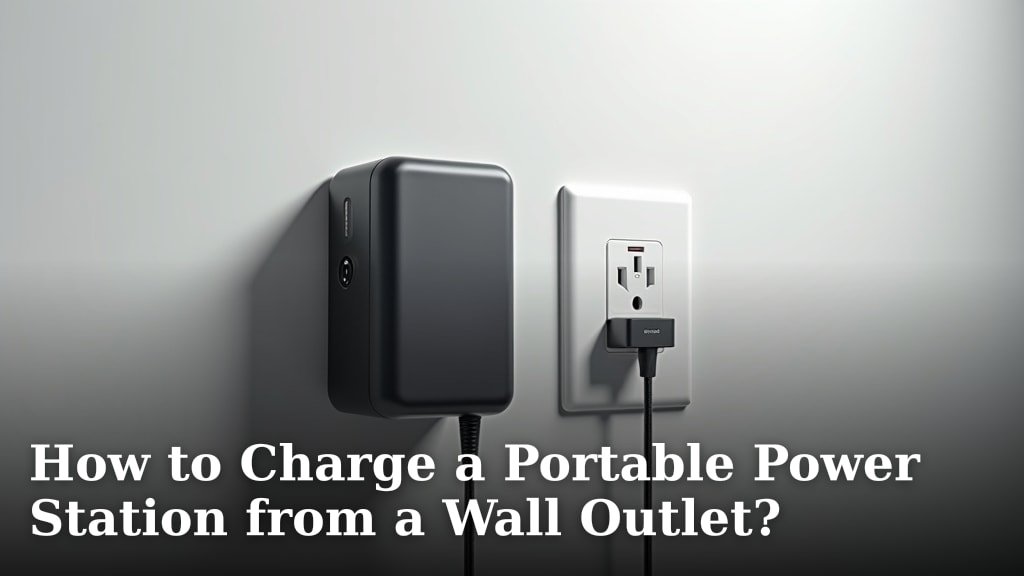
To charge a portable power station from a wall outlet, simply plug the charging cable into the power station’s input port, then connect the other end to a standard AC wall socket. This is the most common and often the fastest way to fully recharge your device.
You’ll usually find the correct charging cable included with your power station, often with a brick-style adapter. We found that most models use a standard household plug, making them super convenient to power up at home or on the go. Just make sure your wall outlet is working!
TL;DR:
- Locate your power station’s charging port.
- Grab the AC charging cable.
- Plug one end into the power station.
- Plug the other into a wall outlet.
- Wait for it to fully charge!
Ready to get that battery topped off? Let’s walk through exactly how this works, step by step, ensuring your portable power station is always ready when you need it.
Getting Your Portable Power Station Juiced Up from a Wall Outlet
Recharging your portable power station using a standard wall outlet is usually the quickest and easiest way to get it back to full power. Think of it like charging your smartphone, but for a much bigger battery!
Understanding the Basics of AC Charging
When you plug into a wall outlet, you’re using what’s called
Why AC is Your Go-To for Speed
We’ve found that AC wall charging is almost always the
The Step-by-Step Charging Process
It’s really quite simple. You’ll likely be surprised how
- Locate the AC Input Port: Your portable power station will have a specific port labeled for AC input. It often looks different from the DC output ports. Look for a symbol like a squiggly line with a straight line above it (indicating AC/DC conversion) or simply the words “AC Input.”
- Grab Your Charging Cable: This cable usually comes with your power station. It will have a standard two or three-prong plug on one end for the wall, and a connector on the other that fits your power station’s input port.
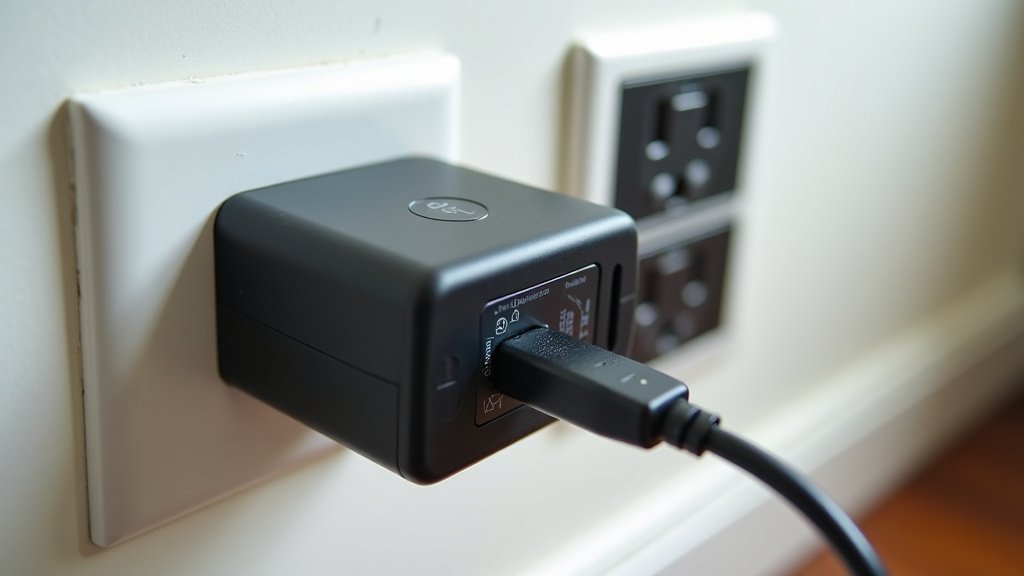
- Connect to the Power Station First: Plug the connector end of the cable firmly into the AC input port on your power station. Make sure it’s snug!
- Plug into the Wall Outlet: Now, insert the standard plug into any working 120V AC household outlet.
- Confirm Charging Indicator: Most power stations have a display or LED lights that will show charging status. You might see a battery icon filling up, a percentage increasing, or a specific “charging” light illuminate.
It’s really that easy. Just connect and
What to Look For: Essential Charging Components
When you unbox your portable power station, you’ll find a few key items. Knowing what they are helps you charge properly.
- The Power Station Unit: This is the main battery pack itself.
- AC Charging Cable/Adapter: This is your lifeline to the wall outlet. It might be one piece or a cable with a separate power brick.
- User Manual: Don’t skip this! We’ve found that the manual often contains
specific charging times and important safety information unique to your model.
Safety First: Important Considerations While Charging
Charging is generally very safe, but a few precautions can prevent issues. Think of it like cooking: mostly safe, but you still watch the stove!
Choosing the Right Outlet
Always use a
Ventilation and Placement
While charging, your power station might get a little warm. This is normal. We recommend placing it in a
Monitoring the Charging Process
It’s a good idea to
Understanding Charging Times
How long does it take? That’s a common question, and the answer
- Power Station Capacity (Wh): Larger capacity power stations (measured in Watt-hours or Wh) will naturally take longer to charge.
- Charging Speed (W): The wattage of the AC charger matters. A 200W charger will charge faster than a 100W charger.
- Battery State: Charging from 0% to 100% takes longer than topping off from 50%.
We often see charging times from a wall outlet ranging from
Here’s a quick overview of what you might expect:
| Power Station Capacity | Typical AC Charging Time | Notes |
|---|---|---|
| 200-500 Wh | 2-4 hours | Great for small devices, quick top-ups. |
| 500-1000 Wh | 4-7 hours | Mid-range; good balance of capacity & charge time. |
| 1000-2000 Wh | 7-10+ hours | Larger units for bigger needs; plan charging accordingly. |
Remember, these are
Optimizing Your Charging Experience
Want to make sure you get the most efficient and safe charge every time? Here’s a little checklist:
- Is your
charging cable free of damage ? No frayed wires! - Is the wall outlet
fully functional and not shared with many other devices? - Is the power station placed in an area with
good airflow ? - Have you
read your manual for any specific charging instructions? - Are you only using the
original or manufacturer-approved charger ? - Are there any
unusual noises or smells coming from the unit?
Following these simple steps helps keep your portable power station in
Common Questions About Wall Charging
Even though it’s straightforward, you might have a few lingering thoughts. We’ve heard these questions quite a bit.
Can I Use a Different Charger?
We strongly recommend using only the
Is It Okay to Leave It Plugged In All the Time?
Many modern power stations have
Can I Use the Power Station While It’s Charging?
This is often called
Keeping your portable power station charged and ready is key to enjoying its benefits, whether you’re camping, working remotely, or preparing for an emergency. Wall charging is your reliable friend for quick and efficient power-ups.
Conclusion
You now have all the knowledge to confidently charge your portable power station from any standard wall outlet. It’s truly a straightforward process designed for convenience and speed. By understanding the basics, following simple steps, and keeping safety in mind, you ensure your device is always ready when adventure calls or emergencies strike.
Remember to always use the manufacturer-approved charger and refer to your user manual for model-specific details. Keep your power station fully charged, and you’ll always have reliable, portable power at your fingertips.
Frequently Asked Questions
Can a portable power station overcharge if left plugged in?
Most modern portable power stations feature advanced battery management systems (BMS) that prevent overcharging. Once fully charged, the BMS will stop power input to protect the battery. However, for optimal long-term battery health, we found it’s still generally best practice to unplug it once it reaches 100%. For guidance on maintaining optimal long-term battery health, consult our guide on storing a camping power station.
Is it normal for the power station to get warm while charging?
Yes, it is completely normal for your portable power station to generate some heat during charging. This is due to the energy conversion process. As long as it’s not excessively hot or producing unusual smells, a slight warmth is nothing to worry about. Ensure it’s in a well-ventilated area.
How can I tell if my power station is actually charging?
Your portable power station will typically have clear indicators. Look for an illuminated LED light, a battery icon filling up on a display screen, or a percentage increase. If you don’t see any of these, double-check all connections and the wall outlet to ensure they are working properly.
Can I charge my power station with an extension cord or surge protector?
While possible, we recommend plugging directly into a wall outlet whenever you can. If an extension cord is necessary, use a heavy-duty, outdoor-rated cord to prevent overheating. Avoid using standard surge protectors, as some may not handle the continuous high wattage draw from a power station, potentially tripping or even damaging the strip.
What’s the best way to store a portable power station when not in use?
For optimal battery longevity, we found that storing your portable power station with a charge level between 50% and 80% is ideal. Avoid storing it completely empty or fully charged for extended periods. Keep it in a cool, dry place away from direct sunlight and extreme temperatures.