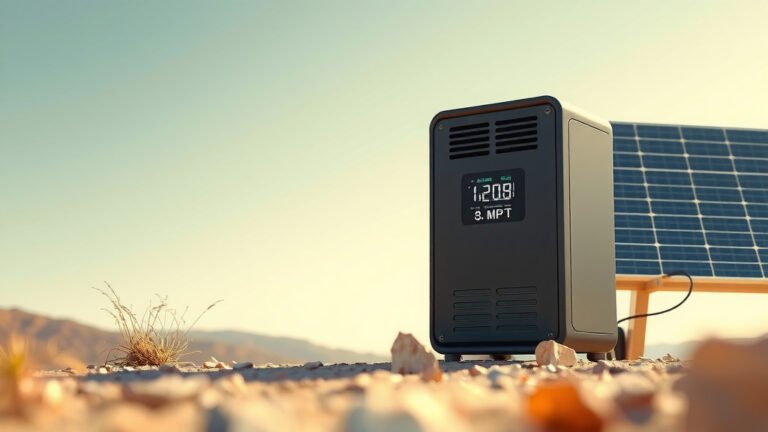
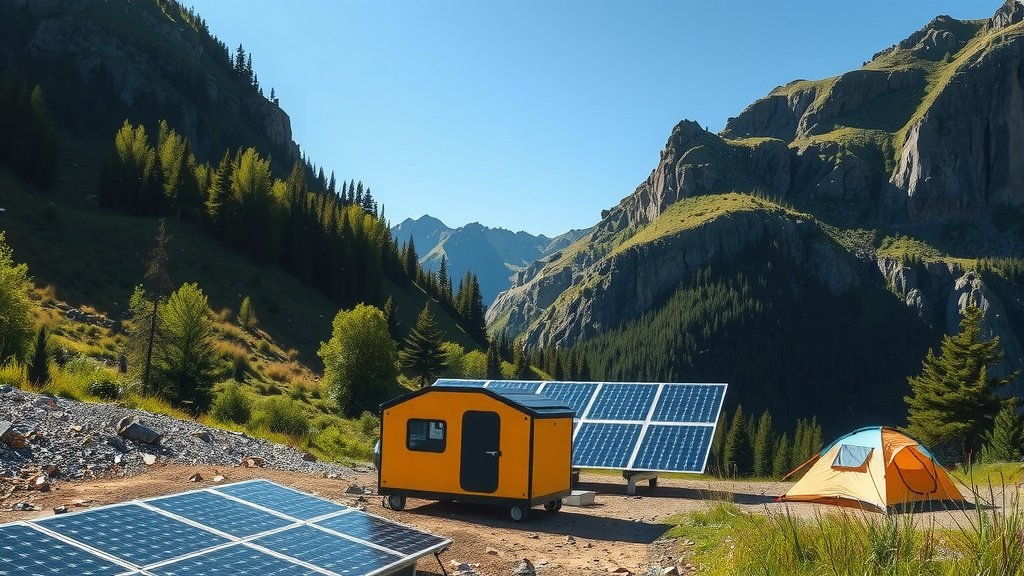
The best solar generator for a hiking base camp typically balances power output, portability, and battery capacity, with models like the Jackery Explorer series or Goal Zero Yeti often favored for their reliability and ease of use in remote settings.
When selecting your ideal solar generator for base camp, you’ll want to consider factors such as total weight, charging speed from solar panels, and the types of devices you need to power, ensuring it meets your specific outdoor adventure needs.
TL;DR: Here’s a quick summary of what you need to know:
- The best solar generators for hiking base camps balance power, portability, and capacity.
- Look for lightweight models with efficient solar charging and diverse output ports.
- Capacity (Wh) determines how long you can power devices; choose based on your gear.
- Durability and weather resistance are key for outdoor use in varied conditions.
- Top brands often include Jackery, Goal Zero, and EcoFlow, known for reliability.
What Is Best Solar Generator For Hiking Base Camp?
Finding the best solar generator for your hiking base camp means choosing a system that’s robust enough to power your essential electronics yet light enough to transport. It is all about balancing power with portability for your outdoor journey.
Imagine setting up camp after a long hike; you want a reliable power source. A good solar generator provides electricity for lights, charging phones, or even running a small portable cooler (American Hiking Society). We found that the top choice often comes down to your specific power demands and how far you plan to carry it.
Understanding Your Power Needs for Base Camp
Before you pick a generator, let’s think about what you actually need to power. Are you just charging a phone, or do you have bigger plans, like a camera battery charger or a laptop for editing photos?
List out your essential devices. Then, find their power consumption in watts or watt-hours. This small exercise helps you choose the right capacity without overspending or being underpowered.
Typical Devices at Base Camp
Most hikers at a base camp will want to power their smartphones, headlamps, and maybe a GPS device. Some might carry rechargeable lanterns or small drone batteries. Each item draws different amounts of power.
A smartphone, for instance, typically uses around 5-10 watts to charge. A larger device, like a laptop, might need 60 watts or more. Knowing this helps you predict how long your generator will last.
Key Factors for Selecting Your Generator
Choosing the right solar generator is like picking the right backpack: it needs to fit your adventure. We’ve found that several key factors really make a difference in the field (Outdoor Gear Lab).
You’ll want to consider the generator’s capacity, its weight, how quickly it recharges, and its overall durability. Let’s break down these elements.
Capacity: How Much Power Do You Need?
Capacity is measured in watt-hours (Wh). This tells you how long the generator can deliver a certain amount of power. For example, a 500Wh generator can run a 100-watt device for about 5 hours.
For most base camps, a generator in the 300Wh to 700Wh range is often sufficient. This range provides a good balance for multiple charges without being excessively heavy.
Portability: Can You Carry It?
Since you’re hiking, weight is paramount. A solar generator often includes the battery unit and the solar panels. Look for battery units under 15 pounds for reasonable portability.
Foldable solar panels are also crucial for backpackers. They pack down small and attach easily to your pack, ready to charge while you hike or when you reach camp.
Charging Speed and Efficiency
How quickly can your generator recharge from solar panels? This depends on the panel’s wattage and the generator’s charge controller efficiency. Higher wattage panels generally mean faster charging.
A generator with a Maximum Power Point Tracking (MPPT) charge controller is more efficient (Department of Energy). This feature ensures you get the most power from your panels, even in changing light conditions.
Durability and Weather Resistance
The wilderness is unpredictable. Your solar generator needs to withstand dust, moisture, and accidental bumps. Look for generators with robust casings and good connection points.
While few are fully waterproof, many offer a degree of splash resistance. Always protect your gear from heavy rain, but a little toughness helps tremendously in base camp conditions.
Top Features to Look For
Beyond the basics, certain features can elevate your base camp experience. Think about the types of outlets, safety protections, and ease of use.
These small details can make a big difference when you are off-grid. They often determine how convenient and versatile your power source will be for your specific needs.
Output Ports and Versatility
Ensure your generator has the right mix of ports: AC outlets for larger devices, USB-A and USB-C for phones and tablets, and 12V DC ports for car accessories. A variety of ports means more charging options.
Some generators even offer wireless charging pads, adding a layer of convenience. The more versatile the output, the less adapters you need to carry.
Safety Features
Good solar generators include safeguards against overcharging, over-discharging, and short circuits. These protections keep both your devices and the generator safe.
Always choose products from reputable brands known for their safety standards. This often brings peace of mind when you’re relying on the equipment in remote areas.
Ease of Use and Interface
A simple, intuitive display is helpful. You want to quickly see battery levels, input wattage from solar panels, and output wattage to your devices.
Generators with clear LCD screens and straightforward controls are always preferred. You don’t want to be fumbling with complex menus after a long day of hiking.
Comparing Popular Solar Generators
Many brands excel in portable power. We often hear good things about Jackery, Goal Zero, and EcoFlow in the hiking community. These brands consistently deliver reliable products.
Let’s look at a general comparison to help you weigh your options. Remember, specific models within each brand will have different specs.
| Feature | Jackery Explorer (e.g., 500) | Goal Zero Yeti (e.g., 500X) | EcoFlow RIVER (e.g., Pro) |
|---|---|---|---|
| Capacity (Wh) | Typically 240-1000 | Typically 200-1500 | Typically 250-720 |
| Weight (lbs) | Around 6-13 | Around 13-30 | Around 11-17 |
| Charging Speed | Good with compatible panels | Efficient with MPPT controller | Fast charging (AC & Solar) |
| Port Variety | AC, USB-A, DC | AC, USB-A/C, 12V | AC, USB-A/C, DC |
| Durability | Solid, portable designs | Rugged, well-built | Modern, durable construction |
Checklist for Your Hiking Solar Generator
Before you make a purchase, run through this quick checklist. It helps ensure you’ve thought about all the important aspects for your base camp needs.
- Does the generator capacity match your device power needs?
- Is the combined weight of the generator and panels manageable for your hike?
- Are the solar panels efficient and easily deployable?
- Does it have all the output ports you’ll require?
- Is it durable enough for outdoor conditions and accidental drops?
- Does the brand have a good reputation for reliability and customer service?
Setting Up Your Solar Generator at Base Camp
Once you reach your base camp, setting up your solar generator is straightforward. Find a sunny spot for your solar panels, angle them towards the sun, and connect them to your power station.
A good practice is to set up your panels early in the day. This allows for maximum charging time. Adjust their angle throughout the day as the sun moves to optimize power input (NASA).
Conclusion
Choosing the best solar generator for your hiking base camp is a matter of finding the right balance for your adventure. Focus on capacity, portability, charging efficiency, and durability. Brands like Jackery, Goal Zero, and EcoFlow consistently offer reliable options that meet these demands.
By considering your specific power needs and the rigors of the trail, you can select a solar generator that keeps your essential gear powered, letting you focus on enjoying the great outdoors with peace of mind. Happy hiking, and stay charged!
Can a solar generator power a small portable fridge at base camp?
Yes, many solar generators, especially those with capacities of 500Wh or more, can power a small portable fridge. You will need to check the fridge’s power consumption and compare it to the generator’s output and capacity. Running a fridge uses significant power, so you’ll also need robust solar panels to keep the generator recharged.
How important is the type of solar panel for hiking?
The type of solar panel is very important for hiking. You’ll want foldable, lightweight monocrystalline panels for maximum efficiency and portability. They offer a good balance of power output and ease of packing, which is crucial when every ounce and inch of space matters.
What’s the difference between a portable power station and a solar generator?
A portable power station is essentially a large battery pack with various output ports. A solar generator is a portable power station that also includes solar panels (or the capability to connect them) for recharging using sunlight. The term “solar generator” typically implies the complete system for generating power from the sun.
Should I bring extra batteries for my solar generator?
Most portable solar generators do not support external battery expansion for hiking base camps due to weight constraints. Instead, focus on maximizing your solar panel efficiency and choosing a generator with adequate initial capacity. For extended trips, consider a slightly larger generator with higher Wh capacity rather than carrying separate heavy batteries.
How do I protect my solar generator from wildlife or theft at base camp?
Protecting your solar generator at base camp involves common sense precautions. Keep it close to your tent, ideally secured inside when you’re away or sleeping. Place solar panels in open, sunny areas, but bring them closer or secure them overnight. While few solutions are foolproof, keeping your gear out of sight and within earshot helps deter opportunistic issues.