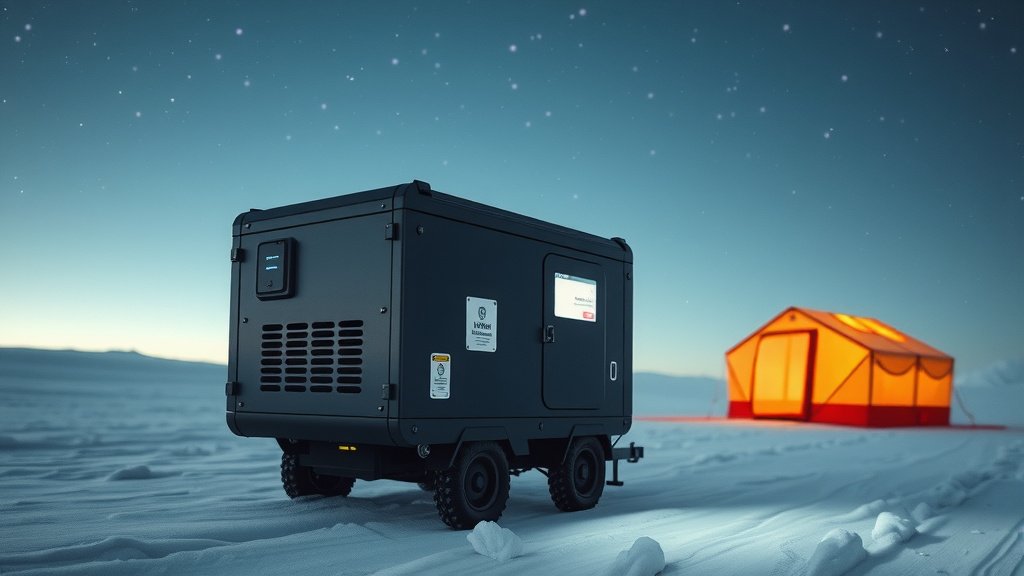
Yes, a portable power station can work in extreme cold, but you will often notice a significant drop in its overall performance and battery capacity.
Most portable power stations will continue to function in freezing temperatures, though they’ll likely charge slower and discharge faster, with potential for long-term damage if not handled carefully.
TL;DR:
- Extreme cold reduces battery efficiency and overall power output.
- Charging your portable power station becomes much slower in low temperatures.
- Always try to operate and store your unit above freezing to extend its life.
- Insulating your power station can help maintain its temperature and performance.
- When buying, look for models specifically designed or rated for colder conditions.
Does Portable Power Station Work In Extreme Cold?
You might be heading out for a winter camping trip or facing an unexpected power outage in chilly weather. Can your trusty portable power station keep up? The short answer is yes, they generally work, but with some important caveats.
Think of your power station like yourself on a cold morning. It can still get the job done, but it might feel a little sluggish and prefer to stay bundled up! We found that while these devices are built for utility, extreme cold is a real challenge for their internal components.
The Cold, Hard Truth About Batteries
At the heart of every portable power station is its battery. Most modern units use lithium-ion batteries, which are fantastic for energy density and portability. However, they have a particular sensitivity to temperature extremes, especially the cold.
Many experts say that temperatures below freezing can really put a strain on these batteries. It’s not just a minor inconvenience; it can impact everything from how long it lasts to how well it charges.
Why Does Cold Affect Portable Power Stations?
When the temperature drops, the chemical reactions inside lithium-ion batteries slow down. Imagine honey in a refrigerator versus at room temperature; it flows much slower when it’s cold. The same principle applies to the ions moving within your battery (battery chemistry research).
This slowdown directly translates to less efficient power delivery and reduced capacity. It simply can’t push out as much energy, or accept as much charge, as quickly as it can in warmer conditions.
What Happens to Your Power Station in Freezing Temps?
You might wonder what specific effects you’ll see. Will it just stop working? Not usually, but you’ll certainly notice a difference in its behavior.
We found that users often experience a few key changes when operating their portable power stations in the biting cold.
Reduced Capacity and Run Time
One of the first things you’ll notice is that your power station doesn’t last as long. The battery meter might show a full charge, but it depletes much faster than usual. This is because the cold temporarily reduces the battery’s usable capacity.
It’s like having a smaller fuel tank for your car when it’s cold outside. You just don’t get as many miles per gallon. Research confirms that lithium-ion batteries can lose a significant percentage of their capacity in sub-zero conditions (battery performance studies).
Slower Charging Speeds
Trying to recharge your portable power station in the cold can be frustrating. You’ll find that it takes much longer to fill up. Many manufacturers even build in safety features that prevent charging altogether if the battery temperature is too low.
This is a protective measure. Charging a very cold lithium-ion battery can cause lithium plating, which is permanent damage that reduces the battery’s lifespan and can even pose a safety risk. So, if your unit refuses to charge, it’s often looking out for itself!
Potential for Damage
While occasional cold exposure might not be immediately devastating, prolonged exposure to extreme cold, especially below the manufacturer’s recommended operating temperatures, can cause permanent damage.
Repeatedly charging a cold battery or allowing it to discharge completely in very low temperatures can degrade the battery cells over time. This shortens the overall lifespan of your expensive portable power station. We found that most units list their safe operating and storage temperature ranges in the user manual – definitely check yours!
Tips for Operating Your Portable Power Station in the Cold
Don’t despair! You can absolutely use your power station effectively in chilly weather with a few smart strategies. It’s all about being prepared and thoughtful.
Here are some practical steps you can take to keep your unit happy and humming, even when the mercury drops.
Keep It Warm (But Not Too Warm!)
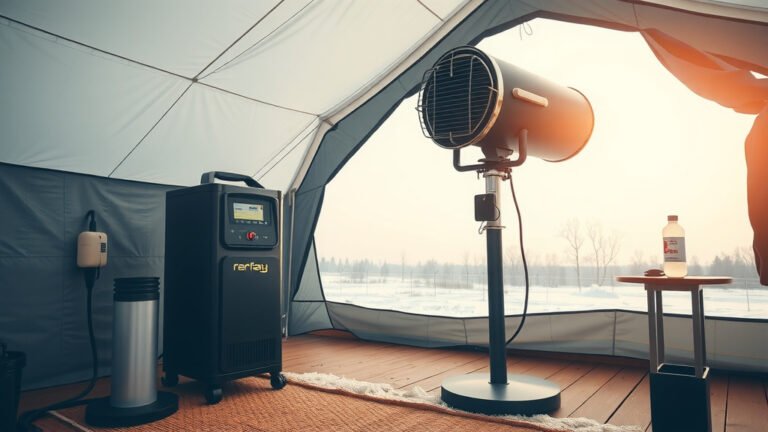
The simplest solution is to keep your power station out of the direct cold. Store it inside your tent, vehicle, or a cabin rather than leaving it exposed. Many people even keep smaller units in a sleeping bag or a cooler (without ice, of course!) to maintain a more stable temperature.
Just remember, you’re aiming for a cozy warmth, not a scorching heat. Avoid placing it directly next to a roaring fire or a heater vent, as overheating can be just as damaging as extreme cold.
Insulate, Insulate, Insulate
Think of insulation like a winter coat for your power station. Wrapping it in a thermal blanket, a specialized insulated bag, or even just some towels can make a big difference. This helps to trap the heat it generates during operation and prevents the cold air from penetrating too quickly.
We found that even a simple DIY insulation solution can significantly extend run times in chilly conditions. Some dedicated winter campers even build small insulated boxes for their power stations.
Charge Smartly
If your power station is really cold, bring it indoors or to a warmer spot before attempting to charge it. Give it an hour or two to acclimate to a higher temperature. This ensures safer and more efficient charging.
When charging via solar panels in cold weather, ensure the power station itself is in a warmer environment, even if the panels are outside. Solar panels themselves are less affected by cold and can actually be more efficient in crisp, clear winter air, but the battery inside your power station needs that warmth (solar energy principles).
Choose Cold-Weather Friendly Models
When buying a new portable power station, check the specifications for its operating temperature range. Some higher-end models are designed with better insulation or even internal heating elements that allow them to perform better in lower temperatures.
Look for brands that highlight their cold-weather performance or have features like temperature management systems. This extra upfront research can save you headaches later.
Checklist for Cold Weather Operation:
- Review your power station’s manual for temperature limits.
- Ensure your unit is fully charged before heading into the cold.
- Pack suitable insulation (blankets, insulated bags).
- Have a plan for indoor charging if temperatures drop too low.
- Monitor battery levels more frequently in cold conditions.
Storing Your Power Station in Winter
What about when you’re not using it? Proper storage is just as important as proper operation. If you’re putting your portable power station away for the winter, ensure it’s stored at a moderate temperature, ideally between 32°F and 77°F (0°C to 25°C).
Also, many experts recommend storing lithium-ion batteries with about a 50-80% charge, rather than completely full or completely empty. This helps maintain battery health over long periods of inactivity (battery storage guidelines).
Choosing the Right Power Station for Cold Climates
If you live in or frequently visit cold regions, selecting the right power station matters. You might need to prioritize certain features over others.
Consider the table below as a general guide when looking at different models and their performance expectations in varying cold conditions:
| Temperature Range | Effect on Performance | Recommendation |
|---|---|---|
| Above 32°F (0°C) | Optimal operation, full capacity. | Normal use, no special precautions needed. |
| 32°F to 14°F (0°C to -10°C) | Reduced capacity (10-25%), slower charging. | Monitor closely, use insulation, keep indoors if possible. |
| Below 14°F (-10°C) | Significant reduction (25%+), very slow or no charging, potential for damage. | Avoid prolonged use, keep warm at all costs, only use if absolutely necessary. |
Always compare the manufacturer’s specifications. Some high-end brands offer more robust solutions for extremely cold environments, often at a higher price point.
Conclusion
So, does your portable power station work in extreme cold? Yes, but with a clear understanding of its limitations and how to mitigate them. It’s less about whether it will function and more about how efficiently and safely it will do so.
By keeping your unit warm, insulating it effectively, and understanding its charging behaviors in low temperatures, you can continue to enjoy the convenience of portable power, even when winter bites. Stay warm, stay powered!
Can I Leave My Portable Power Station Outside Overnight in Winter?
It’s generally not a good idea to leave your portable power station outside overnight in freezing winter temperatures. Prolonged exposure can significantly reduce its battery capacity, slow down charging, and potentially cause permanent damage to the lithium-ion cells over time. Always bring it indoors or into a warmer, insulated space if possible.
What Temperature Is Too Cold for a Power Station?
Most portable power stations begin to experience performance degradation below 32°F (0°C). Temperatures consistently below 14°F (-10°C) are typically considered too cold for safe operation and especially for charging. Always check your specific model’s user manual for its recommended operating and storage temperature ranges, as these can vary between brands and models.
Does Cold Weather Permanently Damage Batteries?
While cold weather temporarily reduces battery performance, extreme cold or repeatedly charging a frozen battery can lead to permanent damage. This often manifests as lithium plating, which reduces the battery’s overall lifespan and capacity. Proper care, like warming the unit before charging, helps prevent this kind of long-term harm.
Can I Use Solar Panels in Extreme Cold?
Yes, solar panels themselves typically perform quite well in extreme cold, and sometimes even more efficiently due to the lack of heat-related losses. The key is to ensure that the portable power station, which is collecting the charge from the panels, is kept in a warmer environment. The panels might be outside in the cold, but the battery unit needs to stay above freezing for optimal and safe charging.
How Can I Warm Up a Frozen Power Station Safely?
If your portable power station is very cold, bring it into a warmer indoor environment and allow it to acclimate naturally for several hours before attempting to use or charge it. Avoid using external heat sources like hair dryers, microwaves, or placing it directly on a heater, as rapid temperature changes or excessive heat can be dangerous. Patience is key for safe warming.