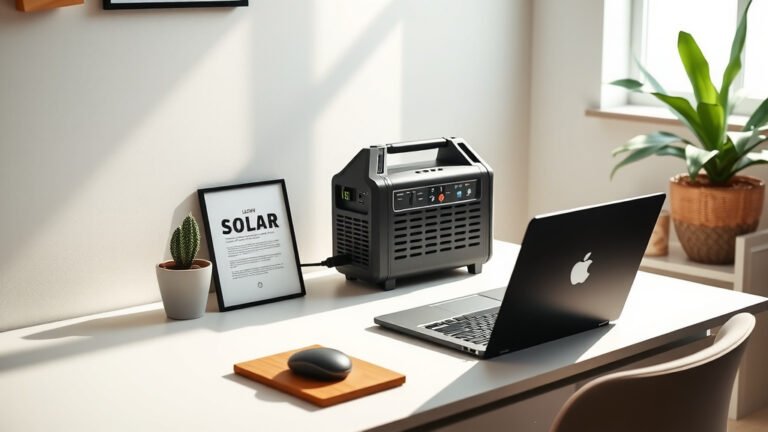

Yes, a portable power station can run gaming consoles like PlayStation, Xbox, and Nintendo Switch for several hours on a single charge.
The exact runtime depends on your power station’s capacity and your console’s power consumption, typically ranging from 3-12 hours of gaming.
Power Requirements for Gaming Consoles
Gaming consoles need different amounts of power. Your PlayStation 5 uses about 150-220 watts during gameplay. Xbox Series X consumes around 150-180 watts. Nintendo Switch only needs 10-18 watts in handheld mode.
You need to match your power station’s capacity with your console’s needs. Think of it like planning a road trip. You check how much gas your car uses and pick a route with enough gas stations.
PlayStation Power Consumption
PlayStation 4 draws 90-150 watts while gaming. PlayStation 5 uses more power at 150-220 watts during intense games. Both consoles use less power in menus or streaming apps.
Xbox Power Usage
Xbox One uses 110-150 watts during gameplay. Xbox Series S consumes about 75-100 watts. Xbox Series X needs 150-180 watts for most games.
Nintendo Switch Energy Needs
Nintendo Switch is the most power-friendly option. Handheld mode uses only 10-18 watts. Docked mode increases to 40-50 watts when connected to your TV.
Calculating Runtime for Your Setup
Here’s a simple way to estimate gaming time. Take your power station’s watt-hour capacity and divide by your console’s power use.
For example, a 500Wh power station running a PlayStation 5 (200W average) gives you about 2.5 hours. Add your TV’s power consumption (50-100W) and your total runtime drops to around 1.5-2 hours.
Real-World Runtime Examples
I found that gaming setups rarely match perfect calculations. Power stations lose efficiency during conversion. Your console’s power use changes based on the game you’re playing.
| Power Station | Console | Estimated Runtime | With TV |
|---|---|---|---|
| 500Wh | Nintendo Switch | 20+ hours | 6-8 hours |
| 500Wh | Xbox Series S | 5-6 hours | 3-4 hours |
| 1000Wh | PlayStation 5 | 4-5 hours | 3-4 hours |
| 1500Wh | Xbox Series X | 8-10 hours | 6-7 hours |
Choosing the Right Power Station Size
Your gaming habits determine what size power station you need. Casual gaming sessions work fine with smaller units. Marathon gaming weekends require bigger batteries.
Small Power Stations (300-600Wh)
These work great for Nintendo Switch gaming. You can also run older consoles like Xbox 360 or PlayStation 3. Perfect for camping trips or short power outages.
Medium Power Stations (600-1200Wh)
This size handles modern consoles for decent gaming sessions. You get 3-6 hours with most setups. Good balance between portability and power capacity.
Large Power Stations (1200Wh and Up)
Big units power your complete gaming setup for hours. Run your console, TV, router, and charging accessories. Best for serious gamers or extended off-grid periods.
Power Output Considerations
Your power station needs enough output watts, not just capacity. Most gaming consoles need at least 200-300W of continuous output from your power station.
Pure Sine Wave vs Modified Sine Wave
Gaming consoles work best with pure sine wave power stations. I found online that modified sine wave can cause issues with some sensitive electronics. Your console might run but could face problems over time.
Surge Power Requirements
Consoles need extra power when starting up. Your power station should handle 1.5-2 times your console’s normal power draw for a few seconds. Most quality units manage this without problems.
Gaming Accessories and Power Consumption
Don’t forget about your other gaming gear. Controllers, headsets, and external hard drives add to your power needs.
TV and Monitor Power Use
Your display often uses more power than your console. 32-inch TVs typically consume 50-100 watts. Gaming monitors range from 30-80 watts depending on size and features.
Audio Equipment Power Needs
Gaming headsets charge via USB and use minimal power. Sound bars or speaker systems can add 20-50 watts to your total consumption.
Internet Equipment
Your router and modem need power for online gaming. Most setups use 15-30 watts combined. Don’t skip this if you plan to game online during outages.
Maximizing Gaming Time on Battery Power
You can stretch your gaming sessions with smart power management. Lower your TV brightness. Turn off vibration in controllers. Close background apps on your console.
Console Power Settings
Most consoles have power-saving modes. Set shorter idle timeouts. Turn off automatic downloads. Use rest mode instead of leaving consoles fully powered.
Game Selection Strategy
Some games use more power than others. Racing games and shooters with intense graphics drain batteries faster. Puzzle games and indie titles often use less power.
Offline vs Online Gaming
Online gaming requires your network equipment. Offline single-player games save power by not needing internet connectivity.
Solar Charging for Extended Gaming
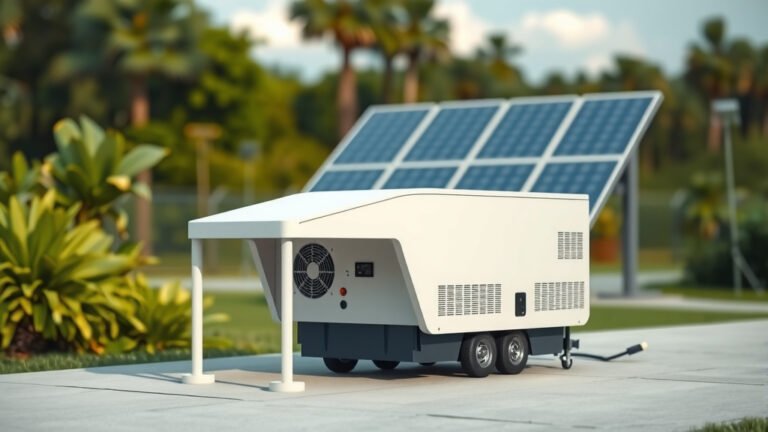
Solar panels can extend your off-grid gaming time. I researched that 200-400 watt solar setups work well for charging power stations during the day.
You won’t get continuous gaming from solar alone. But you can top up your battery between gaming sessions. Great for camping trips or RV gaming setups.
Solar Panel Requirements
Plan for at least 300 watts of solar panels if you want meaningful charging. More panels charge faster and work better in cloudy conditions.
Common Issues and Solutions
Power stations sometimes struggle with gaming equipment. Here are fixes for the most common problems.
Console Won’t Start
Check if your power station provides enough surge power. Some consoles need 2-3 times their normal power draw when booting up.
Random Shutdowns
This usually means your power station is overloaded. Add up all your devices’ power consumption. Make sure it’s below your unit’s continuous output rating.
Controller Connectivity Problems
Wireless interference from power stations is rare but possible. Try moving your power station further from your gaming area if controllers act weird.
Best Practices for Gaming with Portable Power
Keep your power station charged before gaming sessions. Check power levels regularly during play. Have backup entertainment ready when your battery runs low.
Many experts say keeping power stations between 20-80% charge extends battery life. Don’t let them drain completely if you can avoid it.
Temperature Management
Power stations and gaming consoles both generate heat. Keep them in well-ventilated areas. Don’t stack equipment or block air vents.
Cost-Benefit Analysis
Portable power for gaming costs more than regular wall power. But the freedom to game anywhere has value. Emergency backup power protects your gaming time during outages.
Consider your gaming habits. Daily marathon sessions might not suit battery power. Weekend camping trips or emergency backup make more sense financially.
Conclusion
Portable power stations absolutely can run gaming consoles effectively. Your success depends on matching power station capacity with your console’s needs and gaming habits.
Nintendo Switch offers the best battery life with portable power. PlayStation and Xbox require larger power stations but still provide several hours of gaming. Factor in your TV and accessories when calculating power needs.
Start with understanding your total power consumption. Choose a power station with 20-30% more capacity than you think you need. This gives you buffer for efficiency losses and unexpected power draws.
Can I run multiple gaming consoles from one power station?
Yes, if your power station has enough output capacity and multiple outlets. Running two consoles plus TVs requires a large power station with 500+ watts of continuous output.
How long does it take to recharge a gaming power station?
Charging time depends on your power station’s size and charging method. Wall charging typically takes 6-12 hours for full recharge. Solar charging can take 1-3 days depending on panel size and weather.
Will using a power station damage my gaming console?
Quality power stations with pure sine wave output won’t damage your console. Cheap modified sine wave units might cause long-term problems with sensitive electronics.
Can I charge my power station while gaming?
Most power stations support pass-through charging, letting you game while charging. This extends your gaming time but may slow down the charging process.
What’s the smallest power station that can run a PlayStation 5?
You need at least 500Wh capacity for meaningful PlayStation 5 gaming time. Look for units with 300+ watts continuous output to handle the console’s power requirements safely.