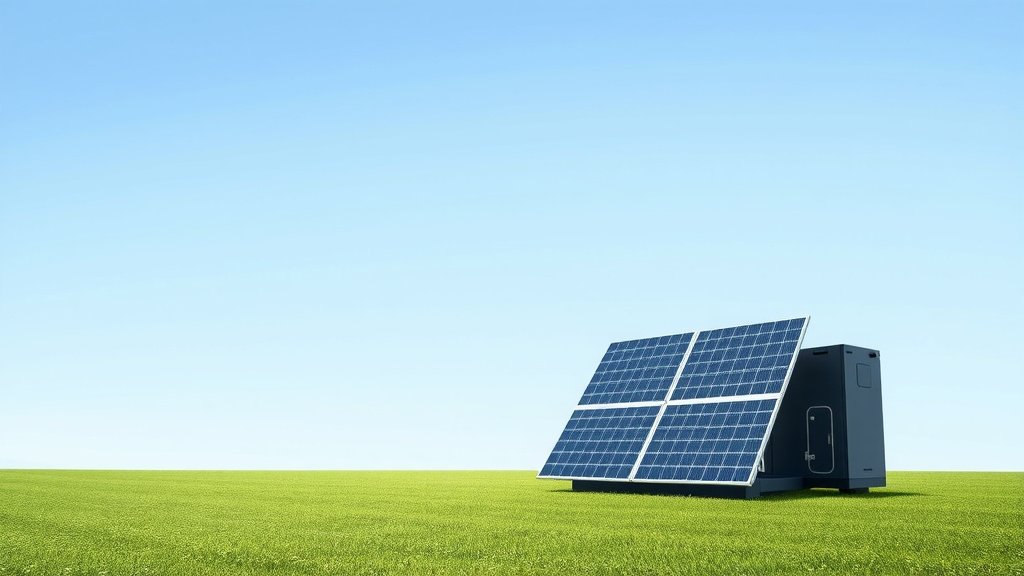
Generally, a portable power station can be cheaper than a gas generator in the long term, especially when factoring in fuel costs, maintenance, and overall lifespan.
While gas generators often have a lower initial price, their ongoing expenses quickly add up, making portable power stations a more budget-friendly choice over several years.
TL;DR:
- Portable power stations typically become more affordable than gas generators over time.
- Initial costs for gas generators are often lower, but gas, oil, and regular upkeep increase long-term spending.
- Portable power stations offer lower operating costs, using free solar power or grid electricity, with minimal maintenance.
- Consider your usage frequency and environmental concerns when comparing total expenses.
- For quiet, clean, and sustainable power, a portable power station often presents a better financial picture in the long run.
Is Portable Power Station Cheaper Than Gas Generator Long Term?
When you think about backup power, the long-term cost is a big question, isn’t it? Many people wonder if a portable power station truly saves you money compared to a gas generator over time. We find that a portable power station does indeed offer a better deal financially over the long haul, even with a potentially higher upfront price.
Initial Investment: First Look at Your Wallet
Let’s talk about that first purchase. Gas generators often look like the cheaper option at the store. You might see smaller models for just a few hundred dollars, which feels good for your budget right away.
Portable power stations, especially those with good capacity, usually cost a bit more to buy. You might pay double or even triple the price of a basic gas generator initially. It’s a bigger bite out of your savings at the start.
Fuel Costs: The Ongoing Expense
Here’s where the numbers really start to change. Gas generators need a constant supply of gasoline to run. Have you ever filled up a gas can for your generator? Those fuel costs really add up, especially during a power outage when you might run it for hours or days.
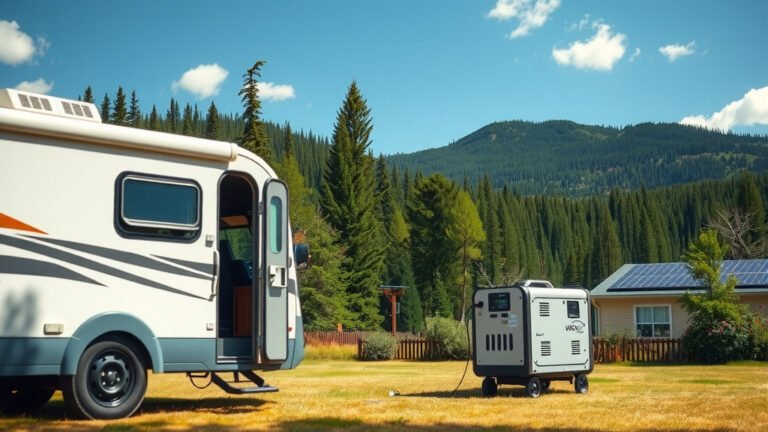
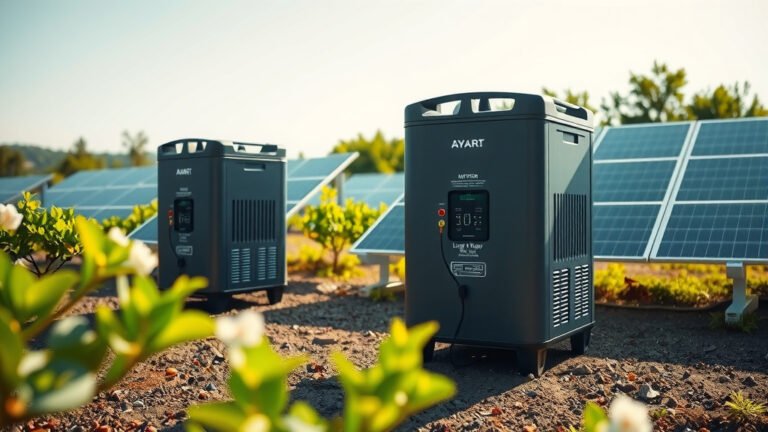
Portable power stations, on the other hand, run on electricity. You can charge them from a wall outlet for a small amount, or even better, with solar panels. Once you own the panels, the “fuel” is absolutely free, directly from the sun. That’s a huge saving over years of use.
Maintenance and Repairs: Hidden Expenses
Gas generators have moving parts, engines, and fuel systems. They need oil changes, spark plug replacements, air filter cleaning, and regular check-ups. Skip these, and you could face expensive repairs down the road. It’s like owning a small car that needs constant attention.
Portable power stations are much simpler inside. They have batteries and electronics, but no engine to maintain. You typically just need to keep them charged and clean. This means fewer trips to the repair shop and much lower maintenance costs for you.
Noise and Emissions: An Environmental Price Tag
While not a direct dollar cost, the noise and fumes from a gas generator are something to consider. Running one nearby can be very loud and the exhaust fumes are unpleasant and unhealthy. This can make them unusable in certain situations or neighborhoods.
Portable power stations are nearly silent and produce zero emissions. You can use them indoors without worry, making them much more versatile and comfortable. This clean operation adds a kind of “value” that a gas generator simply cannot match.
Long-Term Cost Comparison Table
To help you visualize, we’ve put together a quick comparison of the typical cost factors:
| Cost Factor | Gas Generator | Portable Power Station |
|---|---|---|
| Initial Purchase | Lower | Higher |
| Fuel Cost | High (ongoing gas purchases) | Very Low (grid electricity) or Free (solar) |
| Maintenance | Regular and potentially costly (oil changes, spark plugs) | Minimal (battery care) |
| Lifespan | 500-3,000 hours of run time (engine wear) | 500-3,500+ charge cycles (battery lifespan) |
| Operating Noise | Loud | Silent |
| Emissions | Harmful exhaust fumes | Zero emissions |
Lifespan: How Long Will It Last?
A gas generator’s lifespan is often measured in engine hours. Many consumer models might last anywhere from 500 to 3,000 hours before they start having major problems. That might sound like a lot, but if you rely on it frequently, those hours can add up faster than you think.
Portable power stations measure lifespan in charge cycles. A good quality unit with LiFePO4 batteries can offer 2,500 to 3,500 full charge cycles, meaning you can fully charge and discharge it that many times before its capacity significantly drops. This often translates to many years of practical use, making them a very durable option.
Battery Degradation Explained
Yes, portable power station batteries degrade over time, just like your phone battery. But modern lithium iron phosphate (LiFePO4) batteries are built to last. Many experts say they can retain over 80% of their original capacity after thousands of cycles (Energy Storage Association). This slow degradation means your power station will still be very usable for a long time, providing reliable power.
Resale Value and Upgrades
Should you decide to sell or upgrade, a well-maintained portable power station often holds its value better. The technology is more current, and the lack of a complex engine means fewer “wear and tear” concerns for a buyer. Gas generators can be harder to resell if they’ve seen heavy use or show signs of engine wear.
Convenience and Portability: Beyond Just Dollars
Think about where you’ll use your power source. Portable power stations are generally lighter, more compact, and easier to move around. You can take them camping, use them for outdoor projects, or simply move them from room to room during an outage. They offer a level of grab-and-go convenience that heavy, fuel-dependent gas generators rarely do.
Safety First: Peace of Mind
Safety is a huge, often overlooked, benefit. Gas generators need to operate outdoors due to carbon monoxide risks. They also store flammable fuel, which requires careful handling. Many guidelines point to never running a gas generator inside your home or garage (CDC).
Portable power stations, with no fumes or loud noise, are safe to use indoors. This removes a significant safety concern and offers greater peace of mind during an emergency. You can power your essentials right where you need them.
Who Wins the Long-Term Cost Battle?
When you weigh the initial purchase against ongoing fuel, maintenance, and the extended lifespan, a portable power station generally emerges as the more economical choice in the long run. The higher upfront cost is often offset by years of minimal operating expenses.
Your Specific Needs Matter Most
Ultimately, your decision should match your needs. How often will you use it? For occasional, short-term use where a lower initial cost is paramount, a gas generator might seem okay. But for frequent use, extended outages, or anyone prioritizing clean, quiet, and low-maintenance power, a portable power station is the clear winner for your wallet over time.
Here’s a quick checklist to help you decide:
- How often do you expect to use backup power?
- Are you comfortable with ongoing fuel purchases and engine maintenance?
- Is quiet operation and zero emissions important to you?
- Do you have access to solar charging options?
- What’s your budget for both the initial purchase and long-term costs?
Conclusion
Deciding between a portable power station and a gas generator is more than just looking at the price tag. While gas generators might seem cheaper at first glance, the recurring costs of fuel and maintenance quickly add up. Portable power stations, though often a larger initial investment, offer significantly lower operating costs, nearly free “fuel” with solar panels, and minimal upkeep. This makes them a smarter, more sustainable, and ultimately cheaper power solution over many years. For reliable, clean, and quiet power that respects your budget in the long run, a portable power station is truly worth considering.
Is it more expensive to run a gas generator or a portable power station?
It is generally more expensive to run a gas generator due to the continuous cost of purchasing gasoline, oil changes, and other engine maintenance requirements. Portable power stations have very low running costs, especially when charged via solar panels, as the “fuel” is free.
How many years does a portable power station typically last?
A good quality portable power station, particularly those with LiFePO4 batteries, can last anywhere from 6 to 10 years or more, based on 2,500 to 3,500 charge cycles before its capacity significantly drops. Gas generators often have a shorter practical lifespan due to engine wear.
Can a portable power station replace a gas generator completely?
For many common backup power needs, camping, or small off-grid applications, a portable power station can replace a gas generator effectively. However, for extremely high-wattage, continuous power demands, like powering an entire large home for days, very large gas generators might still be preferred, though power stations are rapidly increasing in capacity.
Do portable power stations require any maintenance?
Portable power stations require very little maintenance compared to gas generators. You should keep them clean, store them at a good charge level (often around 50-80%), and avoid extreme temperatures. There are no oil changes, spark plugs, or fuel filters to worry about, making them very user-friendly.
Are there any environmental benefits to using a portable power station?
Absolutely. Portable power stations produce zero emissions during operation, meaning no harmful fumes like carbon monoxide. When charged with solar panels, they use renewable energy, which greatly reduces your carbon footprint compared to burning fossil fuels in a gas generator. This makes them a much cleaner and more environmentally friendly power option.