Rechargeable vs Battery Headlamp: Which Wins? (November 2026)
Pick rechargeable for home, car and short trips with USB power, and disposable AAA for backups, cold weather and trips with no outlet. A rechargeable vs battery headlamp choice comes down to how you charge, store and replace power when and where you will use it.
On this page (12 sections)
- Quick verdict: rechargeable vs battery headlamp
- Rechargeable vs battery headlamp side by side
- How charging access decides the rechargeable vs battery headlamp choice
- Run time and brightness: what you get per charge or set of cells
- Cost over time: rechargeable vs battery headlamp in real use
- Trips without outlets: when AAA wins
- Cold weather and storage: what happens when it gets cold
- Ease of use: controls, sensors and red light
- Weight, fit and weather resistance
- Who should buy which type
- Care, charging habits and when to replace cells
- Final verdict: rechargeable vs battery headlamp
Pick rechargeable for daily use and disposable AAA for backup power you can swap fast.
In a rechargeable vs battery headlamp comparison, charging access and how often you use the light matter most.
Rechargeable models save money over time and give steady brightness.
Disposable models give you a fresh start in seconds anywhere.
This guide compares 2 rechargeable picks and 2 AAA picks on run time, charging, cold use and cost.
You will know which type fits your trips and home.

Quick verdict: rechargeable vs battery headlamp
Rechargeable wins for most home, work and short camping use; AAA wins for emergency kits and trips without outlets.
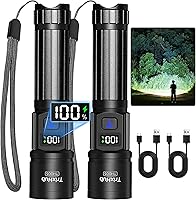
The LHKNL Headlamp Flashlight and the Blukar LED Headlamp Rechargeable both charge over USB.
They suit people who can plug in at home, in a car or at a campsite.
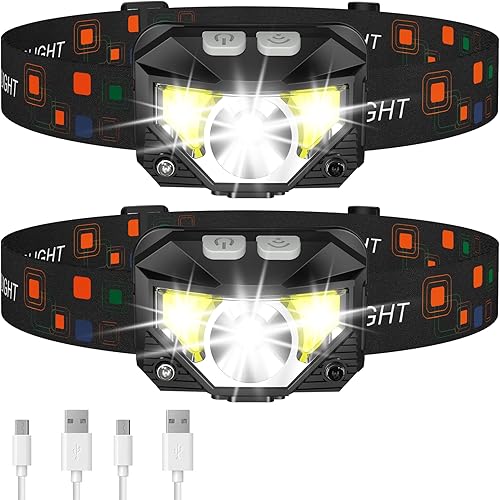
The GearLight LED Headlamp 2-pack Battery Powered and the Lepro Headlamp Battery Powered Waterproof LED Headlight both run on AAA cells.
They suit people who want power they can carry in a pocket.
Our score weighs specs, features and buyer feedback against what you are shopping for.
We compared specs and features for this guide and did not run hands on testing.
If you read one line, read this: rechargeable for frequent use, AAA for backup and travel.
Rechargeable vs battery headlamp side by side
The rechargeable picks are brighter on paper; the AAA picks are simpler to refuel anywhere.
Compare power source first, then brightness.
| Feature | LHKNL | Blukar | GearLight | Lepro |
|---|---|---|---|---|
| Power | 1500mAh rechargeable | 1200mAh rechargeable | 3 AAA, not included | AAA, not included |
| Run time | 4-10 hours | 3.5-5 hours per mode | Depends on cells | 22 hours on low |
| Charging | USB-C cable | USB-C, 2-3 hours | None | None |
| Max light | High lumens, 2X brighter claim | 2000 lumens | 200 lumens | 1300 lux beam |
| Weight | 1.87 oz | 169 g | About 3 oz with batteries | 1.94 oz without batteries |
| Water rating | IPX4 | IPX5 | Water resistant | IPX4 water resistant |
The Blukar claims 2000 lumens maximum and the GearLight claims 200 lumens.
That gap shows in open trail use versus close work.
The Lepro claims a beam to 400 ft and the LHKNL claims 984.25 ft.
Treat distance claims as maker claims, not as a promise for your trail.
How charging access decides the rechargeable vs battery headlamp choice
If you can charge over USB at least weekly, rechargeable is the easier choice.
The LHKNL has a built-in 1500mAh battery and can charge and turn on at the same time.
You do not need to wait for a full charge to use it.
The Blukar has a 1200mAh battery and charges in 2 to 3 hours over USB-C.
A cable is included in the box.
AAA models need no charging at all.
The GearLight runs on 3 AAA batteries, not included, and the Lepro runs on AAA batteries, not included.
If you use a headlamp for dog walks, car checks or garage work, you can charge it each week. For room lighting during an outage, see how rechargeable light bulbs work.
If you live off grid or travel for days with no outlet, AAA cells in a bag may beat a dead rechargeable battery.
Charge before you go, every time
Charge both rechargeable models the night before a trip and keep the USB-C cables with them.
Use the battery indicator on the LHKNL to check charge level.
Blukar gives no indicator in its specs, so charge on a set routine.
Buy AAA cells before you need them and store spares in a dry case.
Check them once a year and replace old cells.
Our guide to portable power can help you plan charging at camp.
See How To Choose Right Portable Power Station Size? for sizing a charge station for a base camp.
Run time and brightness: what you get per charge or set of cells
Rechargeable headlamps give bright light for a few hours; AAA models can give low light for many more hours.
The LHKNL runs 4 to 10 hours when fully charged, with higher modes near the low end.
The Blukar runs 3.5 hours in XPG and COB mode and 5 hours in COB or XPG mode alone.
The Lepro runs 22 hours on a low setting, which Lepro says beats 98% of similar products.
That claim is Lepro's, not ours.
The GearLight gives no run time in its specs, so run time depends on the cells and mode you pick.
Bright modes drain power fast
High lumens use more power in rechargeable batteries and AAA cells alike.
Use a lower mode for tent work, reading and close tasks and save high mode for trail finding. For a fuel lantern option, see how to light a Coleman lantern.
The Blukar has continuous dimming from 100% to 30% by long press.
The LHKNL has 8 lighting modes including main beam, side beam and red beam for night vision.
AAA headlamps often dim as cells fade, so you may swap cells before the light is fully dead.
Cost over time: rechargeable vs battery headlamp in real use
Rechargeable wins on cost if you use a headlamp weekly; AAA wins if you use it a few times a year.
Rechargeable models may cost more up front, then cost little per use because you use home electricity.
AAA models may cost less up front, then add cost each time you replace cells.
Frequent users buy many packs of AAA cells over a year, while rare users may spend almost nothing.
All four picks here are 2-packs, so you get a spare for a car, drawer or camp bin.
That value matters for emergencies and sharing with a partner.
Rechargeable batteries age over years and lose capacity with charge cycles, so plan to replace a headlamp when charge drops.
Save the invoice and warranty info, as LHKNL lists 2 years and Blukar lists 1 year.
Trips without outlets: when AAA wins
AAA wins on remote trips, long hikes and flights where charging is hard.
You can carry spare cells in any pocket and swap them in seconds.
You cannot charge a rechargeable headlamp on a ridge or in a canoe.
The GearLight is built for that use with AAA batteries and no USB charging.
The Lepro also runs on AAA batteries and its 22-hour low run time helps on multi-day trips.
Carry enough AAA cells for your trip length and add 2 extra cells per headlamp for safety.
Emergency kits and cars
Put a AAA headlamp in your car kit with fresh cells in a sealed bag.
Rechargeable headlamps can drain in storage over months, and AAA cells also drain, but often more slowly.
Check both types twice a year and charge or replace cells before storm season.
A rechargeable lantern can light a whole room while a headlamp lights your hands. For campsite picks, see best rechargeable camping lanterns.
Cold weather and storage: what happens when it gets cold
Cold saps both rechargeable batteries and AAA cells, so keep spares warm.
Lithium-ion rechargeable batteries lose capacity in cold and may dim faster.
Alkaline AAA cells also lose power in cold, but fresh cells may still beat a cold, old rechargeable battery.
Keep the headlamp and spares in an inner pocket near your body and warm them before a night hike.
Store rechargeable headlamps at a partial charge at home and do not store them fully dead for months.
Cold weather use tips
Run the headlamp for a few minutes to warm the cells and keep spare cells in a pocket, not a cold pack.
Use a lower mode in cold because high mode drains power faster when cells are cold.
If a rechargeable headlamp dims in cold, warm it in your hands or pocket.
Do not try to force a charge when the battery is frozen.
Ease of use: controls, sensors and red light
Rechargeable picks here add sensors and dimming; AAA picks keep controls simple.
The LHKNL has a motion sensor mode so you can turn light on or off by waving your hand when hands are dirty.
It also has a long press function to turn off from any mode in 3 seconds without cycling modes.
The Blukar has 8 lighting modes and motion sensor by waving within 15 cm of the headlamp.
The GearLight has 7 lighting modes with red light and the Lepro has 6 lighting modes with red light stay on or flash.
Red light for night vision
Red light helps you keep night vision at camp and both types offer red modes.
Use red light for tent setup, map checks and night fishing, then switch to white for trail walking.
The LHKNL offers red beam and SOS red strobe, while the Blukar offers COB red light and red SOS.
Motion sensors can trigger by accident, so turn sensor mode off if the light flickers or turns off by itself.
Keep sensors off for kids and first-time users and use manual modes for group use.
Our best led headlamp rechargeable guide compares sensor and manual controls in more detail.
Weight, fit and weather resistance
All 4 picks are light enough for long wear; water ratings differ by one step.
The LHKNL weighs 1.87 oz, its head rotates 60 degrees, and its elastic headband fits adults and kids.
The Blukar weighs 169 g, its head adjusts 45 degrees, and its headband is detachable and washable.
The GearLight weighs about 3 oz with batteries, its head pivots 45 degrees, and its headband is washable and adjustable.
The Lepro weighs 1.94 oz without batteries and 3.5 oz with batteries, and its head tilts 45 degrees.
Water ratings in plain terms
IPX4 resists splashes from any direction and IPX5 resists water jets from any direction.
Neither rating means you can soak the headlamp.
The LHKNL is IPX4, the Blukar is IPX5, and the Lepro is IPX4 water resistant.
The GearLight is water resistant for rain and light impact, so do not treat any of these as a dive light.
The LHKNL tips say not to soak it for a long time.
Who should buy which type
Buy rechargeable if you use a headlamp often and can charge at home; buy AAA if you need backup power anywhere.
Buy the LHKNL if you camp, hike and want a light 2-pack for families and gifts.
Check best rechargeable headlamps for camping for more camp picks.
Buy the Blukar if you work on cars, do DIY jobs or need a bright beam for garage and work use.
See best rechargeable headlamp for work for work-focused picks.
Buy the GearLight if you want a simple AAA backup for cars, drawers, emergency kits and cold-weather spares.
Buy the Lepro if you run, hike and want long low run time while carrying AAA spares.
Adults who want a rechargeable fit guide can read best headlamps for adults rechargeable.
That guide covers comfort and adjustment.
Care, charging habits and when to replace cells
Charge rechargeable headlamps often and replace AAA cells before they fade.
Charge the LHKNL and Blukar before first use, as LHKNL recommends charging before use to ensure bright light.
Do not leave rechargeable batteries on a charger for months, and store them at a partial charge.
Replace AAA cells when light dims and do not mix old and new cells in one headlamp.
Keep headbands clean, as the Blukar, GearLight and Lepro headbands are washable.
Wash and dry them before they smell, and store headlamps dry at room temperature.
Avoid leaving them in a hot car all summer.
Storage check routine
Check rechargeable headlamps every 3 months, top up the charge and turn each mode on.
Check AAA headlamps every 6 months and replace cells even if they still light weakly.
The Black Diamond Spot 400 Headlamp Review shows how a single rechargeable model fits a different budget.
Compare features before you choose.
Final verdict: rechargeable vs battery headlamp
Pick rechargeable for frequent use, and AAA for backup and off-grid trips.
Rechargeable headlamps save money and give steady, bright light, but they need USB charging and care in storage.
AAA headlamps give instant refueling anywhere, but they cost more over time for frequent users and dim as cells fade.
Many households do best with both types.
Keep a rechargeable headlamp for daily use and an AAA headlamp in a car or emergency bin.
If you plan to charge at camp, size your power first.
Read How to Choose the Right Size Portable Power Station? before you buy a station for charging.
Choose by access first, then brightness, and you will never be left in the dark.
Frequently asked questions
Is a rechargeable vs battery headlamp better for camping?
A rechargeable headlamp suits camping when you can charge it at home or in a car before you go. A battery headlamp suits long trips with no outlet because you can swap in fresh AAA cells.
Many campers carry one of each.
How long do rechargeable headlamps last?
Run time depends on brightness. The LHKNL runs 4 to 10 hours when fully charged.
The Blukar runs 3.5 hours in combined mode and 5 hours in COB or XPG mode.
Lower modes last longer on both.
Do disposable batteries work in cold weather?
AAA cells can fail in cold, but a fresh set often beats a cold rechargeable battery that has sat unused. Keep spares warm in a pocket or inner layer.
Rechargeable cells also lose capacity when cold, so store them warm too.
Which is cheaper over a year?
Rechargeable wins if you use the headlamp often, because you avoid buying AAA cells again and again. Disposable wins on start cost if you use it rarely and already have AAA cells at home.
Frequent use favors rechargeable.