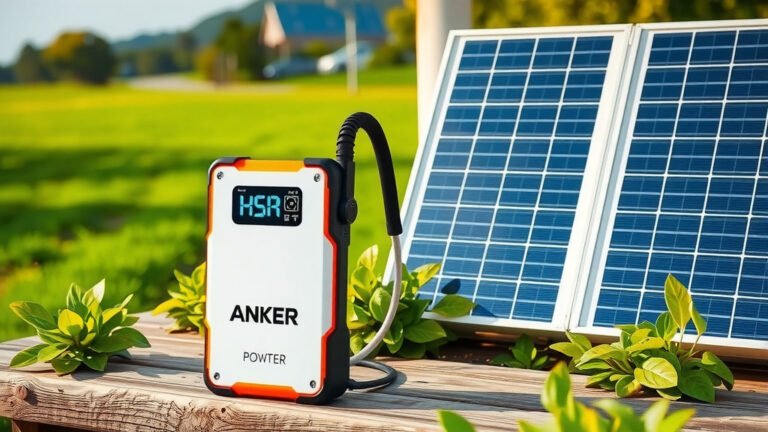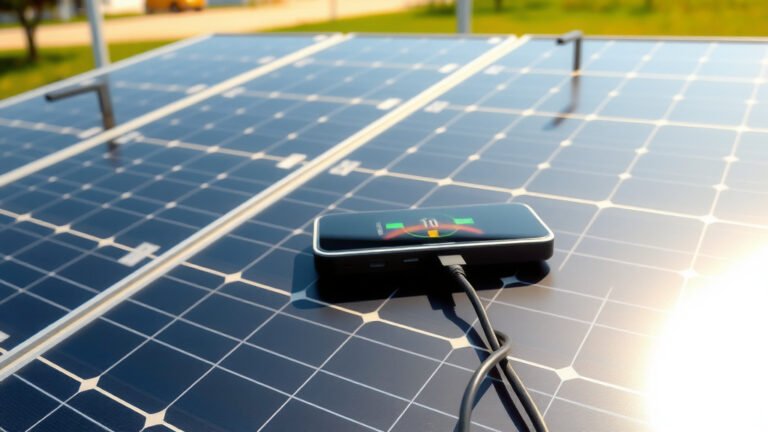
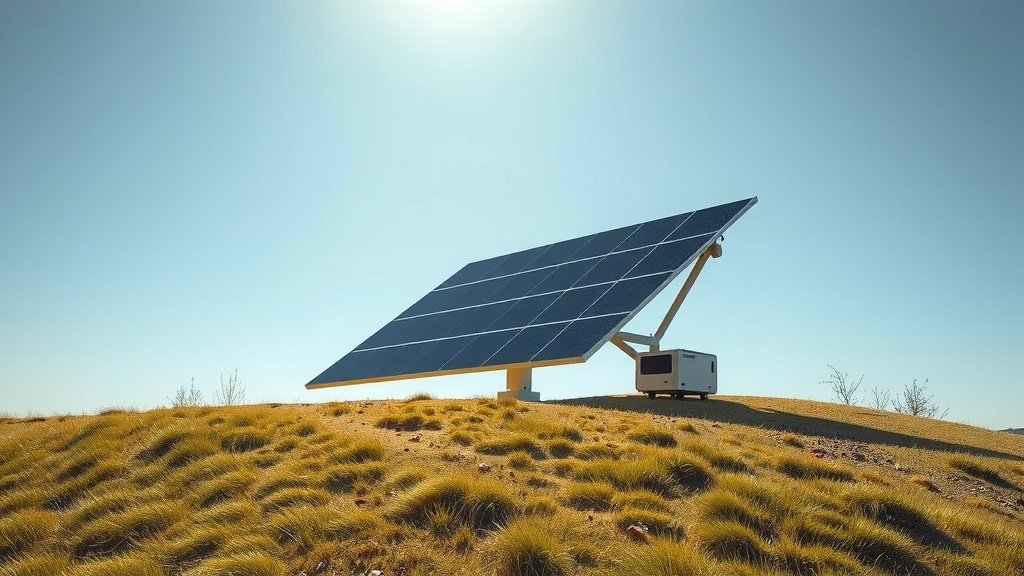
A solar generator absolutely qualifies as a renewable energy source because it harnesses power directly from the sun, which is naturally replenished.
This process uses sunlight, an infinitely available resource, to create clean electricity for your needs, making it a sustainable choice.
- Solar generators utilize sunlight, making them a renewable energy solution.
- They convert solar energy into usable electricity without consuming fossil fuels.
- This clean energy option helps you reduce your carbon footprint significantly.
- While components have a lifecycle, the energy source itself is limitless.
- They offer a sustainable way to power devices and homes off-grid or as backup.
Does Solar Generator Qualify As Renewable Energy Source?
Yes, a solar generator qualifies as a renewable energy source because it draws power from the sun, an inexhaustible natural resource. It offers a clean, sustainable way to produce electricity without burning fossil fuels.
What Exactly is Renewable Energy?
Renewable energy comes from sources that naturally replenish themselves over a human timescale. Think about the sun, wind, or water. Unlike fossil fuels, which are finite, these sources will not run out, providing a continuous supply of power.
You’re looking for power that doesn’t deplete Earth’s resources or cause significant environmental harm. That’s the core idea behind renewable options. It’s about being kind to our planet.
How Does a Solar Generator Capture Sunshine?
Imagine tiny sponges soaking up sunshine. That’s a bit like what solar panels do! Your solar generator uses photovoltaic (PV) panels to capture sunlight. These panels then convert that light directly into electricity.
This electricity doesn’t just disappear. It’s stored in a battery bank within the generator. This means you can use that power whenever you need it, even when the sun isn’t shining brightly.
The Solar Generator’s Inner Workings
At its heart, a solar generator is more than just panels. It has an inverter to change the direct current (DC) from the panels and battery into alternating current (AC). AC is what most of your household appliances use.
It also features a charge controller to manage the flow of electricity, protecting the battery from overcharging. It’s a smart system designed to be efficient and safe for you.
Why Solar Power is So Green
One of the biggest advantages of solar power is its environmental friendliness. When you use a solar generator, you’re not burning fossil fuels. This means zero harmful emissions are released into the atmosphere.
This translates to cleaner air and a smaller carbon footprint for you. It’s a direct step towards fighting climate change and supporting a healthier planet, as many environmental experts confirm (Environmental Protection Agency).
Are There Any Limits to Renewable Solar Energy?
While the sun is limitless, the *components* of your solar generator aren’t. Solar panels and batteries have a lifespan. They will eventually need replacing, which involves manufacturing and disposal.
However, many companies are now focusing on recycling programs for these parts. The goal is to make the entire lifecycle of solar products as sustainable as possible, reducing overall waste.
Understanding the Components: Panels, Batteries, and Inverters
Let’s break it down simply. Solar panels are the “collectors” of sunlight. Batteries are the “storage tanks” for that energy. And the inverter is the “translator,” turning raw solar power into usable home power.
Each part plays a vital role in converting and delivering clean energy to your devices. Knowing this helps you appreciate the full system working for you.
Your Carbon Footprint and Solar Generators
Think about how much electricity you use. Every watt from a solar generator means one less watt from fossil-fuel-dependent grids. This directly translates to a reduced personal impact on global emissions.
Choosing a solar generator is an active choice for sustainability. It shows a commitment to clean energy and a future with less pollution, something we can all feel good about.
Solar Generators vs. Traditional Gas Generators
Comparing solar with gas generators highlights the renewable difference. Gas generators burn fuel, creating noise and fumes. Solar generators are quiet, clean, and run on free sunshine.
Here’s a quick look:
| Feature | Solar Generator | Gas Generator |
|---|---|---|
| Fuel Source | Sunlight (Renewable) | Gasoline/Propane (Non-renewable) |
| Emissions | None | Harmful exhaust fumes |
| Noise Level | Silent | Loud |
| Maintenance | Minimal | Regular fuel, oil changes |
| Operating Cost | Free fuel | Ongoing fuel purchases |
The Practical Perks of Going Solar
Beyond being green, solar generators offer tangible benefits for your daily life. They give you energy independence, especially during power outages. No more scrambling for fuel during a storm.
Here’s a small checklist of perks:
- Power during outages
- No noisy engines
- Eliminates fuel costs
- Reduced home emissions
- Flexible placement outdoors
- Easy to set up and use
Choosing the Right Solar Generator for You
When selecting a solar generator, consider your power needs. Are you powering a few small devices or an entire RV? Look at the battery capacity and the power output (wattage).
Many experts suggest matching your generator’s capacity to your typical daily energy consumption (U.S. Department of Energy). This helps you get the most efficient and practical setup.
Thinking About Battery Life and Sustainability
Battery technology is always getting better, offering longer lifespans and greater efficiency. Lithium-ion batteries, common in solar generators, are known for their durability.
When your battery does reach the end of its life, remember to explore recycling options. This closes the loop on sustainability, making sure even the components are handled responsibly.
The Long-Term Picture: A Sustainable Future
Solar generators play a big part in creating a sustainable future. They decentralize power, giving individuals and communities more control over their energy supply. This is a key step towards energy resilience.
As we collectively move away from fossil fuels, technologies like solar generators become even more important. They show us that clean, reliable power is not just a dream, but a practical reality.
Making the Switch: Is it Worth It?
For many, the benefits clearly outweigh the initial investment. You’re investing in cleaner air, quieter power, and freedom from fluctuating fuel prices. It’s an investment in your peace of mind.
We found that users often report a sense of security and self-reliance after adopting solar power. It truly makes a difference in how you approach your energy needs.
Conclusion
A solar generator undeniably qualifies as a renewable energy source, harnessing the boundless power of the sun to provide clean, quiet electricity. By choosing one, you actively reduce your carbon footprint and gain energy independence.
It’s a smart, sustainable choice for powering your life, whether for emergencies, outdoor adventures, or simply living more green. You’re not just buying a device; you’re adopting a more responsible way to power your world.
Are solar generators truly emission-free during operation?
Yes, during their operation, solar generators are completely emission-free. They do not burn any fuel, produce exhaust fumes, or release greenhouse gases. Their clean energy production starts and ends with sunlight.
How long do solar generator batteries typically last?
The lifespan of a solar generator’s battery, often lithium-ion, usually ranges from 5 to 10 years or more, depending on usage, maintenance, and the quality of the battery. Proper care can extend its life significantly.
Can a solar generator power an entire home?
While smaller solar generators are great for devices and critical appliances, larger, more robust models can certainly power essential home circuits during outages. For whole-home power, you’d typically need a larger, integrated solar power system rather than a portable generator.
Do solar generators work on cloudy days?
Solar generators can still charge on cloudy days, but their efficiency will be reduced. They convert direct sunlight most effectively, but ambient light can also contribute to charging, just at a slower rate.
What is the main difference between a solar generator and a portable power station?
The terms are often used interchangeably, but a solar generator specifically refers to a portable power station bundled with solar panels. A portable power station is the battery unit itself, which can be recharged via various methods, including solar panels, wall outlets, or car chargers.