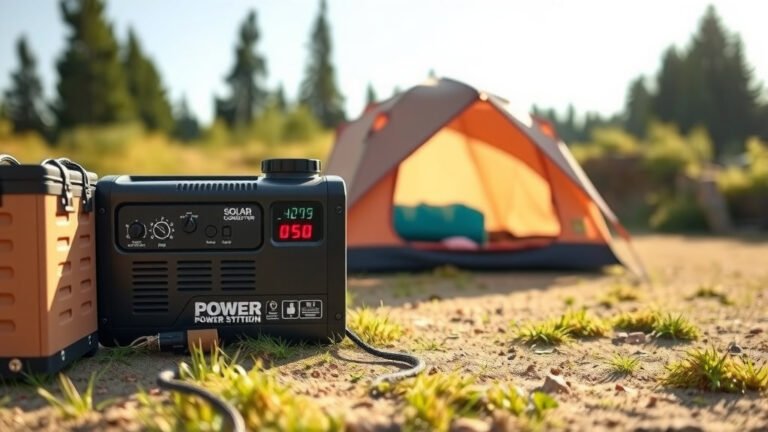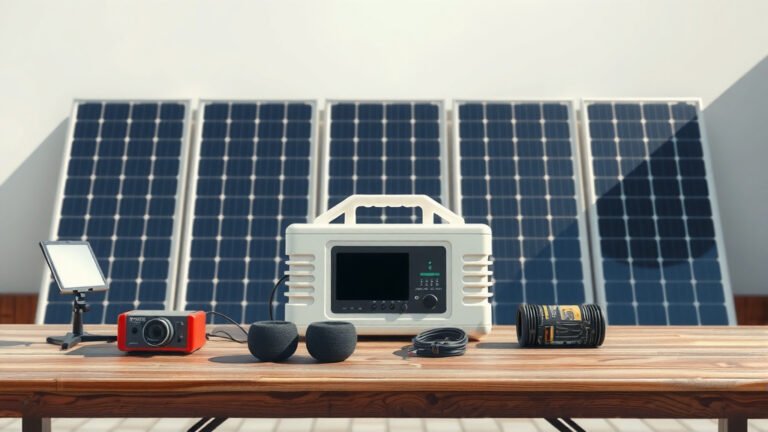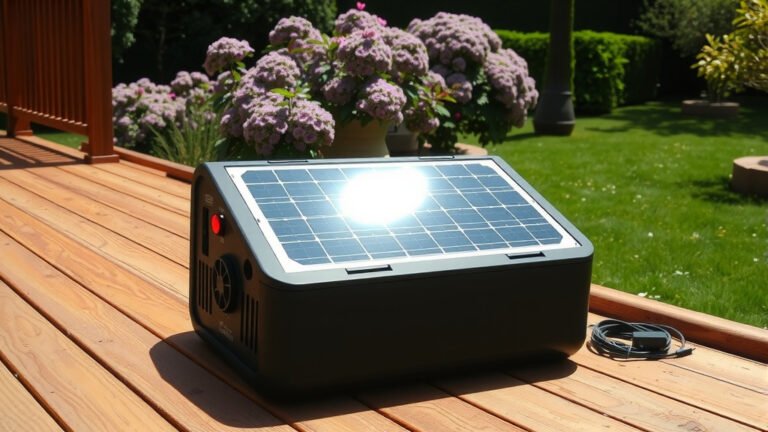
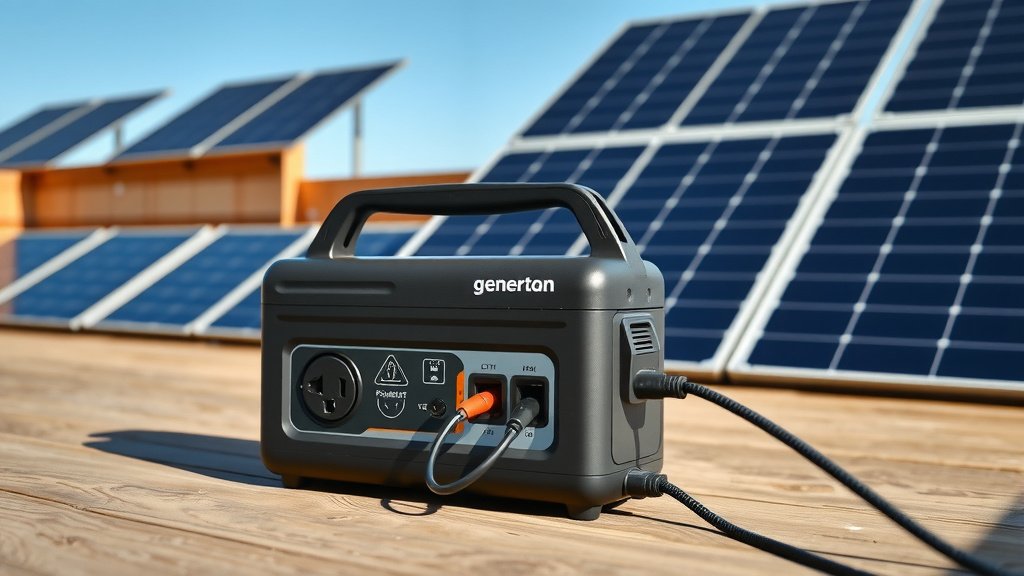
Yes, most modern solar generators do have surge protection built-in, but the level varies by model and manufacturer.
Your solar generator’s surge protection helps defend connected devices from sudden voltage spikes that could damage electronics.
What Is Surge Protection in Solar Generators?
Surge protection works like a safety guard for your electronics. When power spikes happen, it steps in to block the extra voltage before it reaches your devices.
Think of it as a bouncer at a club. It only lets the right amount of power through and stops the troublemakers from getting inside.
How Surge Protection Works
Inside your solar generator, surge protection circuits watch the voltage constantly. When they spot a spike above safe levels, they redirect that extra power away from your outlets.
This happens in milliseconds. You won’t even notice it working, but your laptop or phone stays safe.
Types of Surge Protection in Solar Generators
Built-In Circuit Protection
Most quality solar generators include basic surge protection in their internal circuits. This protects against small to medium power spikes.
I found that entry-level units often have simpler protection. Higher-end models pack more advanced surge suppression systems.
MOV (Metal Oxide Varistor) Protection
Many solar generators use MOV components for surge protection. These act like electrical sponges that soak up excess voltage.
When voltage gets too high, the MOV conducts electricity and diverts it safely. Once levels return to normal, it stops conducting.
TVS Diode Protection
Some premium solar generators include TVS (Transient Voltage Suppression) diodes. These respond faster than MOVs and handle repeated surges better.
Research shows TVS diodes can react in picoseconds, making them excellent for sensitive electronics protection.
Common Surge Protection Features
Overload Protection
Your solar generator monitors how much power you’re drawing. If you plug in too many devices, it shuts down safely instead of frying everything.
Short Circuit Protection
When wires touch where they shouldn’t, your generator detects the problem instantly. It cuts power to prevent damage or fire.
Over-Temperature Protection
Hot components can cause power surges. Built-in temperature sensors shut down the system before things get dangerous.
Which Solar Generators Have the Best Surge Protection?
Premium Models
High-end solar generators typically offer multi-layer surge protection. They combine MOVs, TVS diodes, and smart monitoring systems.
From what I read online, brands targeting professional users invest more in protection circuits. They know their customers have expensive equipment to protect.
Mid-Range Options
Most mid-range solar generators include decent surge protection. They use standard MOV protection and basic circuit monitoring.
This level works fine for typical camping gear, phones, and small appliances. Just don’t expect enterprise-grade protection.
Budget Models
Cheaper solar generators often have minimal surge protection. They might include basic fuse protection but lack advanced surge suppression.
I found that some budget units rely mainly on their AC inverter’s built-in protection. This leaves gaps in coverage.
How to Check Your Solar Generator’s Surge Protection
Read the Manual
Your user manual should list all protection features. Look for terms like “surge protection,” “over-voltage protection,” or “transient protection.”
Check the Specs Sheet
Product specifications often mention surge protection ratings. Higher joule ratings mean better protection against bigger spikes.
Contact the Manufacturer
When in doubt, ask directly. Most companies will tell you exactly what protection systems their generators include.
What Causes Power Surges with Solar Generators?
Lightning Strikes
Lightning near your solar panels can send massive voltage spikes through your system. Even distant strikes can cause problems.
This is why outdoor solar setups need strong surge protection. Mother Nature doesn’t play nice with electronics.
Grid Connections
If your solar generator connects to grid power for charging, utility surges can travel backward into your system.
Power company equipment failures, transformer issues, and grid switching all create surge risks.
Internal Component Failures
When parts inside your solar generator fail, they can create voltage spikes. Capacitors, inverters, and charging circuits are common culprits.
Signs Your Solar Generator Lacks Good Surge Protection
Frequent Device Failures
Are your electronics dying more often when plugged into your solar generator? Poor surge protection might be the reason.
Flickering Lights
LED lights that flicker or dim randomly could signal voltage instability. Good surge protection keeps power steady.
Strange Noises
Crackling, buzzing, or popping sounds from your generator might mean surge protection circuits are working overtime.
How to Add Extra Surge Protection
External Surge Protectors
You can plug surge protector power strips into your solar generator. This adds another layer of protection for connected devices.
Choose surge protectors rated for your generator’s output. Don’t go overboard with features you don’t need.
Uninterruptible Power Supplies (UPS)
A UPS between your solar generator and sensitive equipment provides surge protection plus battery backup.
This works great for computers, medical devices, and other electronics that hate power interruptions.
| Protection Method | Cost | Effectiveness | Best For |
|---|---|---|---|
| Built-in Protection | Included | Good | General Use |
| External Surge Strip | $20-50 | Better | Multiple Devices |
| UPS System | $100-300 | Best | Critical Electronics |
Maintaining Your Surge Protection
Regular Inspections
Check your solar generator’s outlets and cables regularly. Damage here can compromise surge protection.
Keep It Cool
Heat degrades surge protection components over time. Make sure your generator has good ventilation during operation.
Test Protection Circuits
Some solar generators have built-in diagnostic modes. Run these tests monthly to catch protection system failures early.
When Surge Protection Isn’t Enough
Direct Lightning Strikes
No surge protection can handle a direct lightning hit. If storms threaten, disconnect your solar panels and generator completely.
Major Grid Failures
Utility equipment explosions or transformer failures can create surges beyond normal protection limits.
Emergency preparedness experts recommend unplugging everything during severe electrical storms or grid emergencies.
Conclusion
Your solar generator likely has some surge protection, but the quality varies widely between models. Premium units offer better protection for your valuable electronics.
Don’t rely solely on built-in protection for expensive devices. Adding external surge protectors or UPS systems gives you peace of mind and better equipment protection.
Check your generator’s manual and specs to understand exactly what protection you have. When in doubt, layer on extra protection. It’s cheaper than replacing fried electronics.
Do all solar generators come with surge protection?
Most modern solar generators include basic surge protection, but the quality and effectiveness vary significantly between budget and premium models. Always check the specifications to confirm what protection features are included.
Can I use a regular surge protector with my solar generator?
Yes, you can plug surge protector power strips into your solar generator’s AC outlets. This adds an extra layer of protection for your connected devices and is especially recommended for sensitive electronics.
How do I know if my solar generator’s surge protection is working?
Most surge protection works silently, so you won’t notice it during normal operation. Signs of problems include frequent device failures, flickering lights, or unusual noises from the generator during power fluctuations.
What’s the difference between surge protection and overload protection?
Surge protection guards against voltage spikes from external sources like lightning or grid issues. Overload protection prevents damage when you plug in too many devices or exceed the generator’s power capacity.
Should I turn off my solar generator during thunderstorms?
While built-in surge protection handles most electrical disturbances, it’s safest to disconnect solar panels and turn off the generator during severe thunderstorms, especially if lightning is nearby.