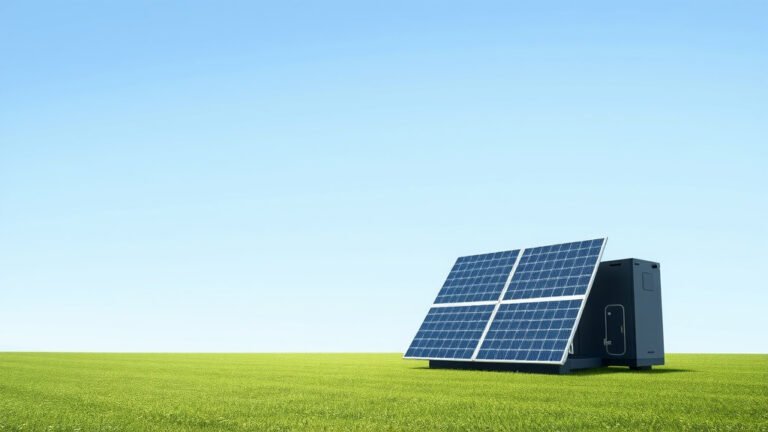
You can use a solar generator for a survival kit by powering essential electronics like communication devices, lights, and medical equipment during outages.
It provides a renewable, silent energy source to keep your family safe and connected when traditional power sources are unavailable.
- A solar generator is a crucial part of any modern survival kit, offering silent, renewable power.
- Choose a generator sized for your needs, prioritizing portability and reliable battery technology.
- You can power communication devices, lighting, refrigeration, and medical equipment during emergencies.
- Proper setup, maintenance, and avoiding common mistakes will maximize its usefulness when you need it most.
- Always practice using your system beforehand to ensure readiness for any unexpected event.
How To Use Solar Generator For Survival Kit?
Using a solar generator in your survival kit means you have access to electricity even when the grid fails, keeping vital devices running.
It’s about having reliable power for light, communication, and basic comfort during emergencies.
Why a Solar Generator Belongs in Your Survival Kit
Imagine a widespread power outage. What’s the first thing you miss? Often, it’s light, charging your phone, or keeping food cool. A solar generator addresses these concerns directly.
It’s not just a convenience; it’s a critical tool for safety and maintaining a sense of normalcy when things go sideways.
Silent Power When It Matters
Traditional gas generators are noisy and produce fumes. In a survival situation, noise can draw unwanted attention. Solar generators run silently, a significant advantage for discretion and peace.
This quiet operation also means you can run it indoors, avoiding rain or theft risks, a benefit we found many experts appreciate.
Renewable Energy, No Fuel Worries
Gas generators need fuel, which is often scarce or impossible to get during a crisis. A solar generator simply needs sunlight. This means unlimited power access as long as the sun shines.
You’ll never run out of “fuel,” making it a truly sustainable power solution for extended emergencies.
Choosing Your Survival Solar Generator
Selecting the right solar generator is key. It’s like picking the right tool for a job; you need something that fits your family’s specific needs during an emergency.
Think about what you absolutely cannot live without for a few days or even weeks.
What Size Do You Need?
This depends on what you plan to power. Are you just charging phones and small lights, or do you need to run a mini-fridge? Many experts suggest calculating the total wattage of your essential devices.
We found that a mid-sized generator (500-1000Wh capacity) often suits most family survival needs (Red Cross guidelines often refer to similar capacities for basic emergency kits).
Portability is Key
In a survival scenario, you might need to move your power source. Look for models that are easy to carry or have wheels. A lightweight design means less struggle if you need to relocate.
You want something you can easily deploy and store without causing a backache.
Battery Type Considerations
Most solar generators use lithium-ion batteries. We found that LiFePO4 batteries are often preferred for survival kits due to their longer lifespan and better safety profile.
These batteries can handle more charge cycles, giving you more reliable use over time.
Essential Devices to Power in an Emergency
What should you prioritize when power is limited? It’s about keeping vital functions going and ensuring safety.
Here’s a look at the most important things your solar generator can handle.
Communication First
Your phone, two-way radios, and weather radios are your lifelines. Keeping them charged means you can stay informed and contact help if needed.
The ability to communicate is often the most critical aspect of any survival situation (NOAA research often highlights this).
Lighting Up the Dark
When night falls, darkness can bring anxiety and make tasks difficult. LED lanterns and flashlights draw minimal power and are crucial for visibility, morale, and safety.
A solar generator ensures you won’t be fumbling in the dark or relying solely on limited battery reserves.
Keeping Food Safe
If you have perishable medicines or small amounts of food that need refrigeration, a solar generator can run a portable fridge or cooler. This is a game-changer for food safety and medication stability.
For longer outages, this function is incredibly important for health and well-being.
Medical Needs Covered
Do you or a family member rely on medical devices like a CPAP machine or need to charge a nebulizer? A solar generator can provide that critical power, ensuring ongoing medical care.
Always check device wattage requirements to confirm compatibility with your generator.
Setting Up Your Solar Generator for Survival
Having the generator is one thing; knowing how to quickly and efficiently set it up is another. Practice makes perfect when it comes to emergency preparedness.
Don’t wait until the power goes out to learn the ropes.
Finding the Best Sun Spot
For optimal charging, your solar panels need direct sunlight, free from shadows. Aim your panels directly at the sun, ideally at a 30-45 degree angle for most of the day.
Even partial shading can dramatically reduce charging efficiency, so clear any obstructions.
Charging and Maintenance Tips
Charge your solar generator fully every 3-6 months, even if you don’t use it. This keeps the battery healthy. Store it in a cool, dry place.
Keep the solar panels clean to maximize light absorption; a simple wipe-down can make a big difference.
Maximizing Your Solar Generator’s Life
You’ve invested in this vital tool, so take steps to make it last. Proper use extends its operational lifespan significantly.
Treat it well, and it will serve you well when you need it most.
-
Avoid Overloading: Don’t plug in more devices than the generator can handle at once. This protects the internal components.
-
Smart Charging Practices: Charge your generator fully when the sun is good, and then disconnect it. Overcharging isn’t usually an issue with modern systems, but smart usage helps.
-
Keep it Clean: Dust and debris can impact performance. Regularly clean both the generator unit and the solar panels.
Common Mistakes to Avoid
Even with the best intentions, people make mistakes that can hinder their solar generator’s usefulness. Knowing these can save you a lot of frustration.
Be aware of these pitfalls to ensure smooth operation during an emergency.
| Mistake | Why it Matters | Solution |
|---|---|---|
| Not testing regularly | You won’t know if it works when you need it. | Test it every few months, charge a phone. |
| Leaving panels in shade | Greatly reduces charging speed and output. | Find clear, direct sunlight; reposition often. |
| Forgetting essential cables | You can’t connect your devices without them. | Keep all necessary charging cables with the kit. |
| Over-discharging the battery | Can shorten the battery’s overall lifespan. | Monitor battery levels; recharge before it hits zero. |
| Storing in extreme temperatures | Damages battery performance and longevity. | Store in a stable, temperate environment indoors. |
Beyond the Blackout: Everyday Uses
While invaluable for survival, your solar generator isn’t just for emergencies. It’s a versatile tool that can enhance your daily life too.
Many owners use them regularly, finding value far beyond a crisis.
Pre-Emergency Solar Generator Checklist
- Generator fully charged and ready.
- Solar panels clean and easily accessible.
- All essential charging cables and adapters collected.
- Manuals and instructions kept nearby.
- List of critical devices and their power needs.
- Designated clear, sunny spot for panel deployment.
Take it camping, use it for outdoor events, or power tools in your yard where outlets aren’t available. This practice helps you understand its capabilities better.
Becoming familiar with your system now ensures you’re a pro when an actual survival situation arises.
Conclusion
A solar generator is more than just a gadget; it’s a core component of a modern survival kit, offering independence from the grid. You gain security, safety, and communication when you need them most.
By choosing wisely, maintaining it well, and practicing its use, you ensure your family is ready for whatever comes your way.
Embrace the power of the sun for your preparedness strategy; it’s a smart choice for your peace of mind.
What kind of solar generator is best for basic survival needs?
For basic survival, a portable solar generator with a battery capacity between 500Wh and 1000Wh is often ideal. This size strikes a good balance between power for essential devices and portability. Models using LiFePO4 batteries are also a good choice for their durability.
Can a solar generator run a refrigerator during a power outage?
Yes, some solar generators can run a refrigerator, especially smaller, energy-efficient models. You need to check the starting (surge) wattage and running wattage of your refrigerator against the output capacity of the solar generator. It may only run for a limited time, so monitor power usage closely.
How long does it take to fully charge a solar generator using solar panels?
The charging time for a solar generator depends on several factors: the generator’s battery capacity, the wattage of your solar panels, and the amount of direct sunlight available. A 100W panel might charge a 500Wh generator in 5-10 hours of optimal sunlight, but this varies widely by conditions.
Are solar generators safe to use indoors during an emergency?
Yes, solar generators are very safe for indoor use. Unlike gas generators, they produce no fumes, noise, or hazardous emissions. This makes them an excellent choice for powering indoor devices without ventilation concerns, which is a major benefit in survival situations.
What maintenance is needed for a solar generator to keep it ready for survival?
Regular maintenance for a survival-ready solar generator includes fully charging the unit every 3-6 months to preserve battery health, keeping the solar panels clean for efficient charging, and storing the entire system in a cool, dry place. Regularly checking all cables and connections also helps ensure readiness.