
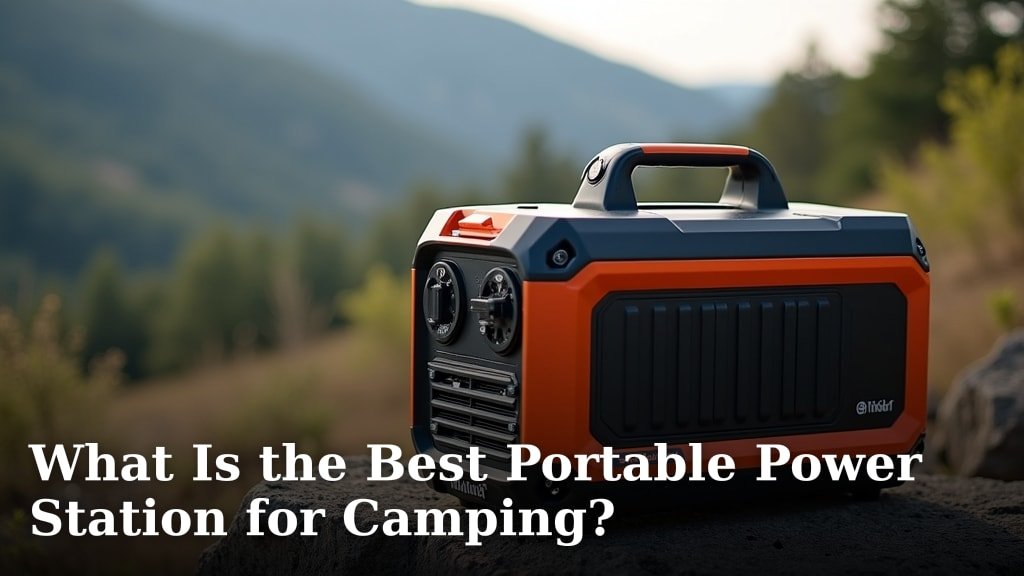
The best portable power station for camping heavily depends on your specific needs for power, size, and budget. For most campers, a unit offering around 500-1000 Wh capacity with multiple output ports provides a great balance of power and portability. We’ve found that top brands like Jackery, Goal Zero, and EcoFlow consistently offer reliable options for your off-grid adventures.
Choosing the right portable power station means considering how many devices you’ll charge and for how long. Are you simply charging phones and headlamps, or do you need to run a small fridge or CPAP machine overnight? Thinking about your typical camping setup will guide your decision and help you pick a power station that’s just right, without overspending on features you don’t need or ending up with too little power when you need it most. We understand how frustrating it can be to run out of juice far from home.
- The “best” power station is highly personal, based on your camping style.
- Capacity (Wh) and output ports are key factors to consider first.
- Popular brands like Jackery and Goal Zero are often reliable choices.
- Match the power station’s capabilities to your actual device needs.
- Avoid buying too much or too little power for your trip.
Let’s walk you through how to choose the perfect portable power station for your camping trips, ensuring you stay charged and comfortable wherever you roam.
Finding Your Ideal Camping Power Solution
The best portable power station for your camping adventures perfectly matches your power needs with a unit that fits your budget and lifestyle.
Understanding Your Power Needs: What Will You Charge?
Before you even glance at models, take a moment to think. What gadgets do you actually use when camping? This is the most crucial first step in choosing a portable power station.
Basic Charger: Phones, Lights, and Small Gadgets
Are you mostly charging your smartphone, a headlamp, perhaps a small Bluetooth speaker, or a camera battery? For these simpler needs, you’ll want a power station with a smaller capacity. Think of it like a big, rechargeable battery pack for your essentials.
- Smartphones (multiple charges)
- Headlamps and lanterns
- GPS devices or smartwatches
- Camera batteries
- Small fan
These devices don’t draw a lot of power. A smaller power station, often in the 200-500 Watt-hour (Wh) range, will likely be more than enough to keep them powered throughout a weekend trip.
Moderate Power User: Laptops, Tablets, and Small Appliances
Maybe your camping trips involve a bit more tech. Do you bring a laptop for work or entertainment? Perhaps a tablet for reading or movies? Or a small portable blender for morning smoothies?
Running these items requires a bit more juice. A power station in the 500-1000 Wh range usually hits the sweet spot here. It offers a good balance of capacity and portability for many campers.
High-Demand Camper: Refrigerators, CPAP, and Power Tools
Some campers need serious power. Running a portable refrigerator/cooler, a medical device like a CPAP machine overnight, or even small power tools for repairs or setup demands much more capacity. These items are energy hogs.
If this describes you, you’re looking at power stations that start around 1000 Wh and go upwards. You’ll also need to pay close attention to the continuous wattage output, not just the capacity, to ensure it can actually power your devices.
As the CDC recommends, always ensure critical medical devices like CPAP machines have a reliable power source, especially in remote settings.
Key Specifications to Consider
Once you know what you need to power, it’s time to look at the numbers. Don’t worry; we’ll keep it simple. These specs tell you how much power a unit holds and how fast it can deliver that power.
Capacity (Watt-hours – Wh)
This is like the fuel tank of your power station. It tells you how much energy the battery can store. A higher Wh number means it can hold more power and generally run your devices for longer.
Think of it this way: if your phone battery is 10 Wh, a 500 Wh power station could theoretically charge it 50 times. (In reality, there’s some energy loss, but it’s a good estimate.)
Output Power (Watts – W)
This tells you how much power the station can deliver at any one time. Your devices have a wattage rating – how much power they consume when running. Your power station’s output watts need to be higher than the devices you plan to plug in.
For example, a small mini-fridge might use 50-60W. A power station with a 100W output can handle it easily. If you tried to power it with a 50W output station, it just wouldn’t work.
Types of Ports
Check the available ports to ensure they match your devices. Most stations offer a good mix:
- AC Outlets: Just like a wall outlet at home. Essential for laptops, blenders, and anything with a standard plug.
- USB-A and USB-C Ports: For charging phones, tablets, and many smaller electronics directly. USB-C with Power Delivery (PD) is especially fast.
- DC Car Port (12V): Handy for car chargers, some portable fridges, or air pumps.
We’ve found that having a variety of ports means you can charge almost anything. More ports mean more devices can charge simultaneously, which is super convenient.
Battery Chemistry: LiFePO4 vs. Li-ion
This might sound technical, but it’s important for understanding longevity and safety. Most portable power stations use one of two battery types.
Lithium-ion (Li-ion)
This is the most common type you’ll find. It offers good power density and is relatively lightweight. Li-ion batteries usually have a lifespan of about 500-800 charge cycles before their capacity starts to degrade noticeably. Many early models and budget-friendly options use this chemistry.
Lithium Iron Phosphate (LiFePO4 or LFP)
This newer technology is becoming very popular. LiFePO4 batteries are known for their longer lifespan (2,500-3,500+ cycles) and improved safety characteristics. They are often a bit heavier and more expensive initially, but they usually last much longer, offering better value over time. Many experts (like those in energy storage research) highlight the superior cycle life of LFP batteries.
If you plan to use your power station frequently, we suggest looking for LiFePO4. You’ll thank yourself for the investment years down the road.
Charging Options: How Will You Refuel It?
A power station is only as good as its ability to recharge. You’ll need a way to top it up when it runs low.
- Wall Outlet (AC): The fastest and most common way. Just plug it into any standard home outlet.
- Car Charger (12V): Plug into your vehicle’s cigarette lighter port. Slower but convenient on the go.
- Solar Panels: This is a game-changer for off-grid camping. You can recharge your power station using sunlight, offering true energy independence. Check the maximum input wattage for solar and consider buying compatible panels from the same brand.
We often find campers appreciate the flexibility of multiple charging options, especially solar. It gives you peace of mind.
Portability and Durability: Does It Fit Your Adventure?
You’re buying a “portable” power station, so its size and weight matter. A 20lb unit might be fine for car camping but too heavy for a short hike to a campsite.
- Weight: Check the specs for its weight. Larger capacities usually mean heavier units.
- Size: Measure your vehicle’s available space if you’re concerned about packing.
- Construction: Is it rugged? Does it have a sturdy handle? Some models are built tougher for outdoor environments.
Consider how you’ll transport it. Will it sit in the back of your SUV, or do you need to carry it some distance?
Safety Features: Protecting You and Your Gear
Your power station is dealing with electricity, so safety is paramount. We always look for units with comprehensive safety features.
Good power stations include protections against:
- Overcharge and over-discharge
- Overcurrent and overpower
- Short circuit
- Over-temperature
These features protect both the power station itself and anything you plug into it. Reputable brands integrate these systems, offering you peace of mind.
Budgeting For Your Power Station
Portable power stations range widely in price, from a couple of hundred dollars to well over a thousand. As with most things, you often get what you pay for in terms of capacity, features, and build quality.
Align your budget with your needs. Don’t overspend on a massive unit if you only charge a phone. However, don’t skimp if you need reliable power for critical devices. Research from consumer advocacy groups often shows that paying a bit more for a reputable brand often leads to better long-term satisfaction.
Choosing the Best Portable Power Station for Your Camping Style
Let’s tie it all together. Here’s a quick checklist to help you make your final decision:
- Assess your total Watt-hour (Wh) requirements for all devices.
- Determine the maximum simultaneous Watt (W) output you’ll need.
- Ensure it has the right types of output ports for your gear.
- Consider LiFePO4 batteries for longer lifespan and better value.
- Plan your recharging strategy (wall, car, solar).
- Check its weight and size for easy transport.
- Verify it has essential safety protections.
By following these steps, you’ll be well-equipped to find a portable power station that truly enhances your camping experience, keeping your devices charged and your adventures hassle-free.
Conclusion
Choosing the best portable power station for your camping adventures boils down to understanding your unique power needs. By carefully considering capacity, output, port types, and battery chemistry, you can confidently select a unit that serves you well.
We’ve shown that investing in the right power station means more comfort and convenience in the great outdoors. It’s about staying charged and connected without hassle.
Armed with this knowledge, you’re now ready to compare models that align perfectly with your camping style and budget. Go forth and power your next adventure!
Frequently Asked Questions
How long do portable power stations typically last per charge?
The duration a portable power station lasts per charge heavily depends on its capacity (Wh) and what you’re powering. A 500Wh station might run a small fan for 10-15 hours or charge a phone 40-50 times. High-demand devices will drain it much faster.
Can I use a portable power station indoors, like at home?
Yes, absolutely! Portable power stations are safe to use indoors as they do not emit fumes like gas generators. They are great for backup power during outages, or simply for charging devices anywhere in your home.
Is it worth getting solar panels for my portable power station?
For true off-grid camping, solar panels are a fantastic investment. They allow you to replenish your power station using sunlight, especially on longer trips where wall outlets aren’t available. We’ve found they offer incredible flexibility and peace of mind.
Do portable power stations lose their charge when not in use?
Yes, portable power stations, like all batteries, experience a slow self-discharge over time. For optimal battery health, many manufacturers recommend fully charging them every 3-6 months, even if you’re not using them regularly.
What’s the difference between Watt-hours (Wh) and Watts (W)?
Watt-hours (Wh) indicate the battery’s total energy storage capacity—how much “fuel” it holds. Watts (W) refer to the power output at a given moment—how much “fuel” it can deliver at once. You need enough Wh for duration and enough W for immediate demand.
