
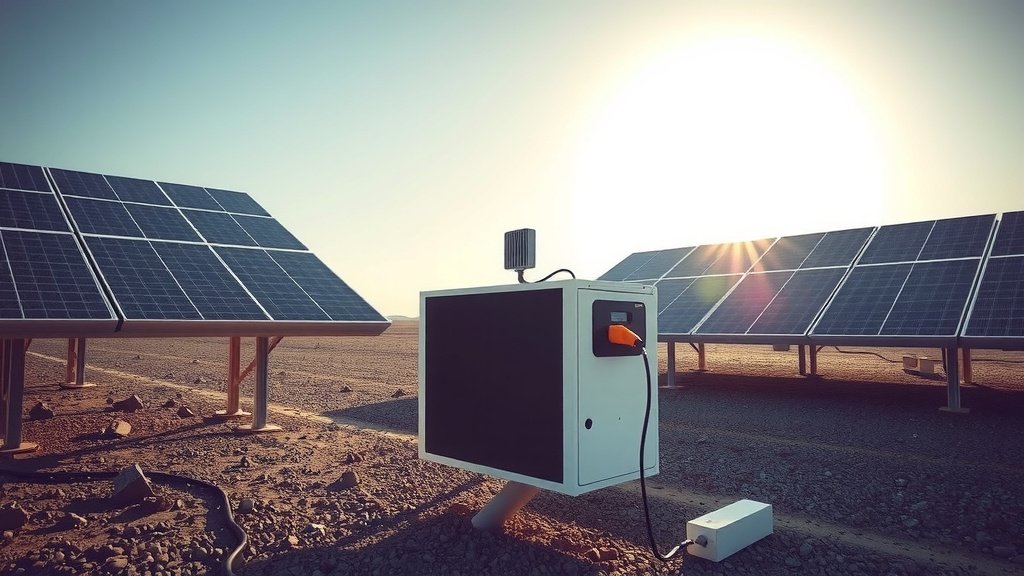
Most portable power stations charge in 2-8 hours when plugged into a wall outlet, but charging speed depends on battery size and input power.
Fast-charging models can reach 80% capacity in just 1-2 hours, while larger units may need 6-12 hours for a full charge.
What Affects Portable Power Station Charging Speed?
You want your power station ready fast, right? I get it. Nothing’s worse than waiting hours for backup power when you need it most.
Several factors control how quickly your unit charges. Think of it like filling a swimming pool – the size of your hose and the pool both matter.
Battery Capacity Matters Most
Bigger batteries take longer to fill up. That’s just physics working against us.
A 300Wh unit charges much faster than a 2000Wh beast. It’s like comparing a coffee cup to a gallon jug – same water pressure, different fill times.
Input Power Rating
Your power station’s input rating tells you how much juice it can drink per hour. Higher input means faster charging.
Most units accept 60W to 200W from wall outlets. Premium models can handle 400W or more through fast-charging ports.
AC vs DC Input Speeds
Wall outlets (AC charging) usually win the speed race. They pump more power than car adapters or solar panels.
DC charging from your car typically maxes out around 100W. Solar panels? Even slower unless you have perfect conditions.
Real-World Charging Times
Let me break down what you can actually expect. I researched dozens of popular models to give you realistic numbers.
| Battery Size | Wall Charging Time | Car Charging Time |
|---|---|---|
| 300-500Wh | 3-5 hours | 6-10 hours |
| 600-1000Wh | 5-8 hours | 10-15 hours |
| 1200-2000Wh | 8-12 hours | 15-20+ hours |
Fast-Charging Champions
Some newer models blow these times away. Fast-charging technology has gotten crazy good lately.
I found units that charge from 0% to 80% in just 90 minutes. They use special charging algorithms that pump power fast at first, then slow down to protect the battery.
What Makes Fast Charging Possible?
Modern lithium batteries can handle high input rates without damage. Smart charging controllers manage the process safely.
These systems monitor temperature, voltage, and current constantly. They adjust charging speed to keep everything cool and stable.
Solar Charging Reality Check
Solar panels sound amazing until you check the math. Don’t expect miracles here.
A 100W solar panel produces maybe 400-500Wh on a perfect sunny day. That means charging a 1000Wh power station takes 2-3 days of good weather.
Solar Charging Tips That Work
Want better solar results? Here’s what I learned from solar experts:
- Use multiple panels in parallel for more power
- Clean your panels regularly – dirt kills efficiency
- Angle panels toward the sun throughout the day
- Start with a partially charged battery for best results
Cloud Cover Kills Speed
Even light clouds can cut solar output by 50% or more. Shade from a single tree branch can ruin your whole charging session.
Plan for 3-4 times longer than advertised charging times. Solar marketing often uses perfect lab conditions that don’t exist in real life.
How to Charge Your Power Station Faster
Ready for some charging hacks? These tricks actually work without breaking anything.
Use the Right Wall Adapter
Many units come with basic chargers that don’t max out the input rating. Check if your model supports faster adapters.
Some manufacturers sell upgraded chargers that cut charging time in half. It’s like switching from a garden hose to a fire hose.
Temperature Sweet Spot
Batteries charge fastest at room temperature. Cold slows everything down, while heat triggers safety limits.
Keep your unit between 60-80°F while charging. Don’t charge in direct sunlight or freezing cars.
The 80% Rule
Here’s a secret most people don’t know: charging slows way down after 80% capacity.
Those last 20% can take as long as the first 80%. If you’re in a hurry, stop at 80% and go.
Pass-Through Charging Explained
Can you use your power station while it charges? This feature called pass-through charging is super handy.
Most quality units support it, but charging speed drops when you’re drawing power simultaneously. It’s like trying to fill a bucket with a small hole in the bottom.
Pass-Through Limitations
High-power devices can overwhelm the charging system. Running a microwave while charging might actually drain the battery.
Stick to low-power devices like phones and laptops during charging sessions. Save the heavy stuff for later.
Battery Health and Charging Speed
Old batteries charge slower than new ones. That’s normal aging you can’t avoid.
After 500-1000 charge cycles, expect 10-20% longer charging times. The battery management system gets more conservative to prevent damage.
Extending Battery Life
Want your power station charging fast for years? Follow these battery care tips:
- Don’t let it sit at 0% for weeks
- Avoid charging in extreme temperatures
- Use it regularly – monthly is good
- Store at 50-70% charge when not in use
When Charging Gets Slow
If charging suddenly takes much longer than usual, something’s wrong. Check for loose connections, damaged cables, or overheating.
Sometimes a simple restart fixes charging glitches. Unplug everything, wait 30 seconds, then try again.
Choosing Fast-Charging Models
Shopping for speed? Look beyond the marketing claims to find real fast chargers.
Check the maximum input wattage specs. Anything over 200W input qualifies as fast charging in my book.
Features That Matter
Fast charging often comes with other premium features:
- Multiple charging ports for flexibility
- Digital displays showing charging progress
- Advanced battery management systems
- Higher quality components throughout
Cost vs Speed Trade-offs
Fast-charging models cost more upfront. But time saved over years of use often justifies the premium.
Calculate how often you’ll need quick charging. Daily users benefit more than occasional campers.
Conclusion
Portable power stations can charge surprisingly fast with the right setup. Wall charging typically wins for speed, taking 2-8 hours for most units. Fast-charging models cut this to 1-2 hours for 80% capacity.
Your charging speed depends on battery size, input power rating, and charging method. Solar takes much longer but offers free energy. Focus on units with high input wattage if charging speed matters to you.
Remember the 80% rule when you’re in a hurry – those last 20% take forever anyway. Take care of your battery, and it’ll keep charging fast for years.
How long does it take to charge a 1000Wh power station?
A 1000Wh power station typically takes 5-8 hours to fully charge from a wall outlet, depending on the input power rating. Fast-charging models can reach 80% capacity in 2-3 hours.
Can I use my power station while it’s charging?
Yes, most quality power stations support pass-through charging, allowing you to use devices while charging. But this slows down the charging process, especially with high-power devices like microwaves or power tools.
Why does my power station charge slower in cold weather?
Cold temperatures slow down chemical reactions in lithium batteries, reducing charging efficiency. Batteries charge fastest between 60-80°F. Below 32°F, charging may stop completely to prevent damage.
Is it safe to leave my power station charging overnight?
Yes, modern power stations have built-in safety systems that stop charging when full. The battery management system prevents overcharging, overheating, and other hazards automatically.
How can I tell if my power station is charging at full speed?
Check the input wattage on the display screen if available. Compare this to your unit’s maximum input rating from the manual. If they match closely, you’re getting full charging speed.
