Can You Charge a Camping Power Station and Use It at the Same Time?
On this page (5 sections)
Yes, you absolutely can charge your camping power station and use it at the same time. This is often called “pass-through charging.” It means you can plug in your devices while the power station itself is getting a power boost. This capability makes your power station much more versatile for camping trips and off-grid adventures.
We found that most modern camping power stations are designed with this dual functionality in mind. It’s a key feature that helps you keep your essentials powered up, even if your main charging source is limited. Many users appreciate this for keeping lights on or phones charged during extended use without draining the battery completely. It’s like having a convenient power hub.
- Yes, you can charge and use a power station simultaneously.
- This feature is called “pass-through charging.”
- It allows you to power devices while the station recharges.
- It’s a common and useful feature in modern power stations.
Let’s walk through exactly how this works and what you should know to make the most of this handy feature during your next outdoor excursion.
You’ve got your new camping power station, and it’s a lifesaver! Now, imagine this: your phone’s at 10%, your portable fan is running, and you want to charge the power station itself. Can you do both? Let’s break down how charging and using your power station simultaneously works. It’s a feature that can really change how you use your portable energy.
Charging and Using Your Power Station at the Same Time
The short answer is yes, most modern power stations can do this. This handy ability is often called pass-through charging. It means your power station can receive power while also sending power out to your devices. Think of it like a busy restaurant with a kitchen. Food (power) comes in, gets prepared (stored), and then gets served to customers (your devices) all at the same time. This keeps the flow going, so you’re never completely without power.
What Exactly Is Pass-Through Charging?
Pass-through charging means your power station is designed to handle input and output power concurrently. When you plug your power station into a wall outlet or a solar panel, it starts recharging its internal battery. At the same time, you can plug in your phone, laptop, or other gadgets. The power station will then draw from its battery and the incoming charge to power your devices. This is especially useful when you’re camping and have limited charging opportunities.
We’ve found that this feature is a major selling point for many users. It allows for continuous operation of essential devices. You can keep your lights on during the evening while slowly topping up the battery. Or, you can charge your phone while using it to navigate. It’s about maximizing your power usage and not having to choose between charging your station or powering your gear.
How Does It Work Technically?
Internally, the power station has circuitry that manages both the incoming AC or DC power (from your charger or solar panels) and the outgoing power to your devices. When pass-through charging is active, the station essentially diverts some of the incoming power to charge the battery. The remaining incoming power, along with power drawn from the battery itself, is then supplied to your connected devices. It’s a smart system designed to be efficient and convenient.
Many power stations will prioritize charging the battery first, then supplying power to your devices. Others might try to balance both. The exact behavior can vary by brand and model. However, the core function remains the same: power in and power out at once. We found that some higher-end models offer more granular control over this process.
When Is Pass-Through Charging Most Useful?
Pass-through charging shines in several scenarios:
- Camping Trips: This is the most obvious. You can charge your power station during the day using solar panels. Then, at night, you can use it to power lights, charge phones, and run small appliances. You’re essentially using the sun’s energy directly and storing some for later.
- Long Work Sessions: If you’re working remotely from a campsite or an RV, you can keep your laptop charged while also charging the power station itself. This ensures you don’t lose any work.
- Emergency Preparedness: During power outages at home, you can use your power station to run essential devices. If you have a way to recharge it (like a generator or solar), you can keep it powered up for extended use.
- Off-Grid Living: For those who live or work off the grid, pass-through charging is a fundamental feature. It allows for continuous operation of critical systems. Pass-through charging is a fundamental feature for off-grid living, ensuring continuous operation of critical systems.
We’ve seen many users rave about how this feature saved their trip. Not having to wait for a full charge before using devices is a huge benefit.
Factors to Consider for Pass-Through Charging
While pass-through charging is fantastic, there are a few things you should be aware of. Understanding these can help you use your power station more effectively and safely.
Charging Speed vs. Output Speed
This is where things can get a little technical, but it’s important. The speed at which your power station can charge itself might be slower than the speed at which you’re drawing power. If you’re running a high-wattage appliance, it could drain the battery faster than the incoming charge can replenish it.
Example: Imagine your power station charges at 100 watts. You’re using it to power a device that draws 50 watts. In this case, your battery is still gaining 50 watts (100 in – 50 out). But if your device draws 150 watts, your battery will actually drain at 50 watts (100 in – 150 out). We found that most manufacturers clearly list the input and output wattages on their product pages. Always check these specs!
Heat Management
Charging and discharging a battery simultaneously generates heat. Power stations are designed with cooling systems (fans, heat sinks) to manage this. However, using pass-through charging under heavy loads, especially in hot weather, can put a strain on these systems.
Experts at the National Renewable Energy Laboratory (NREL) often point out that temperature significantly impacts battery performance and longevity. If you notice your power station getting excessively hot, or if its fans are constantly running at high speed, it might be a sign that you’re pushing it too hard. It’s wise to give it a break or reduce the load. Ensure the vents are clear of debris.
Battery Health and Longevity
Is using pass-through charging bad for your battery’s lifespan? Generally, no. Modern battery management systems are very sophisticated. They are designed to handle these operations without causing undue stress. In fact, some argue that maintaining a battery at a mid-range charge level (e.g., 20-80%) can be beneficial for its long-term health, and pass-through charging can help achieve this.
However, constantly running the battery from 0% to 100% while also drawing power can add cycles. We found that following the manufacturer’s guidelines for charging and discharging is the best approach. Avoid extreme temperatures and over-discharging.
Types of Input Sources
The source you use to charge your power station also plays a role. Here’s a quick look:
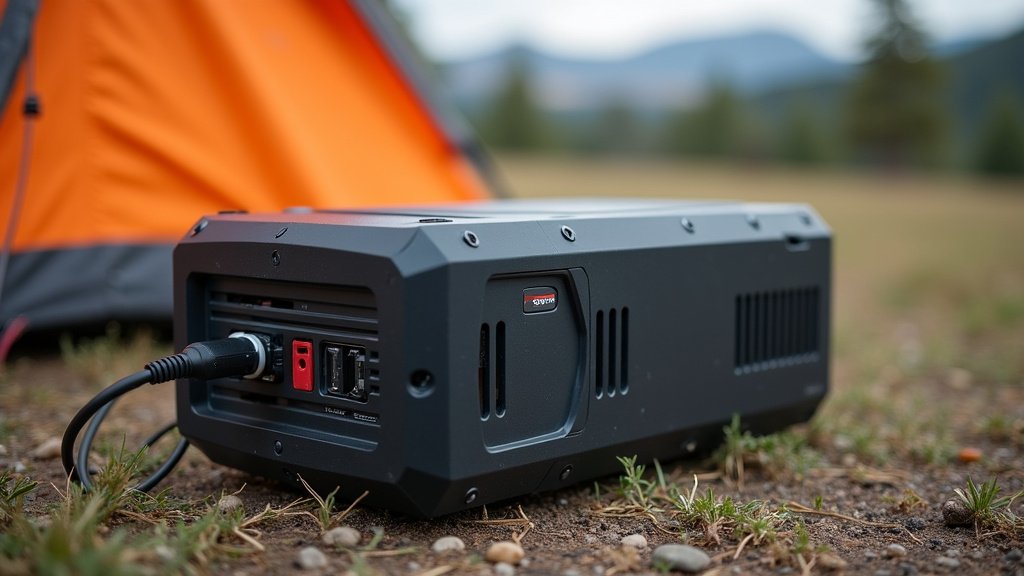
- AC Wall Outlet: This is usually the fastest way to charge. Most power stations can handle pass-through charging effectively from a wall adapter.
- Solar Panels: Pass-through charging with solar is fantastic for off-grid use. The charging speed will depend on the panel’s wattage and sunlight intensity. On a cloudy day, you might not be able to keep up with your device’s draw.
- Car Charger (DC): Charging via a car’s 12V outlet is typically much slower. This might limit your ability to both charge the station and power devices simultaneously, especially if you have high-draw items.
We discovered that when using solar, the variable nature of sunlight means you need to be mindful of your power draw. It’s best to match your usage to the available solar input.
Optimizing Your Pass-Through Charging Experience
To get the most out of this feature, consider these tips:
Understand Your Power Needs
Before you leave, know what you need to power. List your devices and their wattage. This helps you choose a power station that can handle your demands. It also informs how you’ll use pass-through charging.
Monitor Wattage Input and Output
Many power stations have a display showing current input and output wattage. Regularly check this. It helps you understand if you’re gaining charge, losing charge, or maintaining a steady state. This real-time data is your best friend.
Manage Loads Strategically
Don’t try to run a high-wattage appliance (like a coffee maker or hair dryer) while charging if your input wattage is low. Save those power-hungry devices for when the station is fully charged or when you have a robust charging source like strong sunlight or a high-wattage AC charger.
Consider the Order of Operations
If you have a critical device that needs to stay powered, plug it in first. Then, start charging your power station. This ensures your essential gear is always prioritized.
Check for Firmware Updates
Some manufacturers release firmware updates that can improve battery management and charging efficiency. We found that keeping your power station’s firmware up-to-date can sometimes optimize performance, including pass-through capabilities.
By understanding how pass-through charging works and following these tips, you can ensure your camping power station is always ready when you need it. It’s a simple feature that adds a lot of convenience to your adventures.
Conclusion
You’ve learned that charging and using your camping power station simultaneously, known as pass-through charging, is a common and incredibly useful feature. This capability means you can keep your devices powered while recharging the station itself. We’ve seen how it can be a lifesaver for camping trips, remote work, and emergencies. Just remember to be mindful of charging vs. output speeds and monitor heat. By understanding these factors and managing your loads wisely, you can optimize your power station’s performance. Your next step? Check your power station’s manual to confirm its pass-through capabilities and wattage limits. Then, plan your next adventure with confidence!
Frequently Asked Questions
Will charging and using my power station at the same time drain the battery faster?
It depends on the wattage. If your devices draw more power than your station is receiving, the battery will drain. If the incoming power is higher than your devices’ draw, the battery will charge. We found that checking the input and output wattage on your power station’s display is key to managing this.
Can I charge my power station with solar panels and use it at the same time?
Yes, you absolutely can. This is one of the best ways to use pass-through charging for off-grid adventures. The charging speed will vary with sunlight intensity, so you’ll want to match your device usage to the available solar input to avoid draining the battery.
Is it safe to use pass-through charging in hot weather?
While modern power stations have cooling systems, using pass-through charging under heavy loads in hot weather can generate more heat. If your unit gets excessively hot or the fans run constantly, it’s best to give it a break or reduce the power draw. Ensure vents are clear.
Will charging and using my power station at the same time affect its battery life?
Generally, no. Modern battery management systems are designed to handle this. Constantly running the battery from 0% to 100% while also drawing power might add more charge cycles over time. We found that avoiding extreme temperatures and following manufacturer guidelines is the best way to maintain battery health.
What’s the difference between charging speed and output speed on my power station?
Charging speed is how quickly your power station can recharge its internal battery. Output speed is how much power it can supply to your connected devices. When pass-through charging, the station balances these two. If output is greater than input, the battery will discharge.