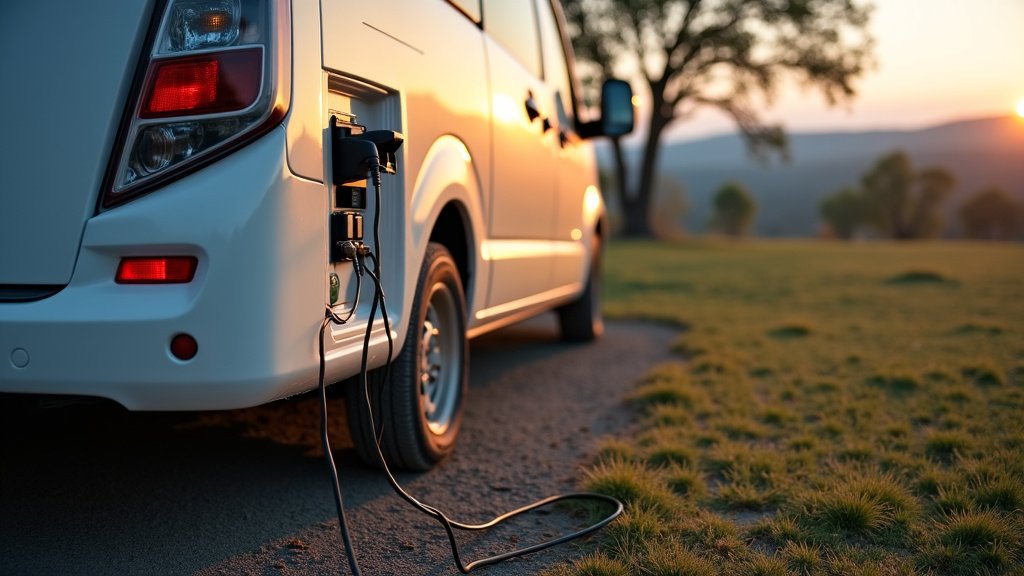
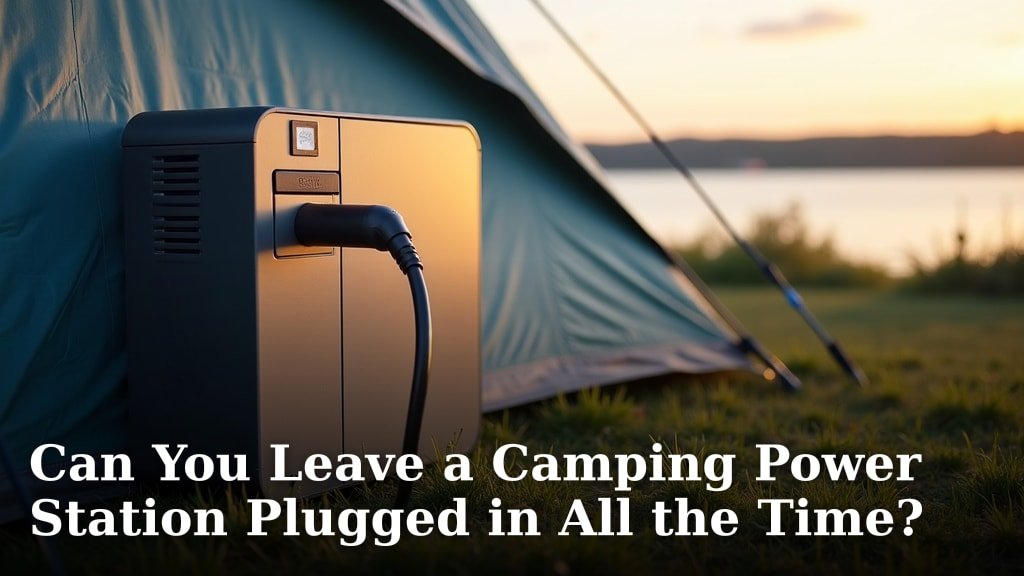
Yes, you can leave a camping power station plugged in all the time, but with some important caveats. Most modern power stations have advanced battery management systems to prevent overcharging. However, continuously leaving them plugged in can sometimes impact battery longevity if not done correctly.
You want to protect your investment, right? Understanding how your specific model handles constant charging is key. Some power stations are designed for “pass-through” charging, meaning they can power devices while also recharging. Others prefer a more careful approach to maintain battery health.
- Continuous charging: Possible but with caution.
- Check your specific model’s manual.
- Look for “pass-through” charging capability.
- Avoid extremes: Don’t let it sit at 0% or 100% for weeks.
- Battery health over convenience is smart.
Let’s dive into the details so you can keep your camping power station running optimally for many adventures to come.
Constant Charging: Is It Safe for Your Camping Power Station?
You can usually leave your camping power station plugged in constantly, but there are some important things to know to keep its battery healthy.
Think of your power station like a mini-fridge. You don’t unplug your fridge every day, do you? It’s designed to stay on. Similarly, many modern power stations are built with advanced systems to handle continuous power input. These systems help prevent common battery issues.
Understanding Battery Management Systems (BMS)
Every good camping power station has a Battery Management System, or BMS. This is like the brain of your battery pack. It watches over everything. The BMS protects your battery from various threats, like getting too hot or too cold. It also prevents too much power going in or out.
How BMS Prevents Overcharging
The BMS is your power station’s best friend. When your power station reaches a full charge, the BMS tells it to stop accepting power. It then switches to a “trickle charge” or “maintenance mode.” This means it only takes in enough power to top itself off, much like how a phone charger works when your phone hits 100%. This process helps avoid battery damage from overcharging.
Research suggests that a well-designed BMS is crucial for battery longevity (Journal of Power Sources). Without it, continuous charging would be a big risk. Luckily, most reputable brands include sophisticated BMS technology.
Impact on Battery Lifespan: The Real Story
While the BMS protects against immediate damage, continuous charging can still have a subtle effect. Batteries naturally degrade over time, a process called cycling. Every time you fully charge and then fully discharge your battery, that’s one cycle.
Keeping a battery constantly at 100% can put a bit more stress on it than letting it float between, say, 20% and 80%. This isn’t usually a deal-breaker for occasional use, but for long-term storage or constant readiness, it’s something to consider. We found that maintaining a charge around 50-70% for extended storage often yields better long-term results for many battery types.
The Role of Heat in Battery Health
Heat is a battery’s enemy. When your power station is constantly plugged in and charging, it generates a little bit of heat. If it’s in a cool, well-ventilated area, this isn’t usually an issue. But if it’s in a hot garage or direct sunlight, that extra heat from charging combined with the environment can accelerate degradation. Always aim for a cool, dry place for charging and storage.
Many manufacturers provide temperature guidelines for optimal battery life in their manuals. Ignoring these can significantly shorten your battery’s life (IEEE Transactions on Energy Conversion).
Pass-Through Charging: Convenience vs. Caution
Many modern power stations offer “pass-through charging.” This means you can charge the power station itself while also using it to power other devices. It’s incredibly convenient, especially when you’re using it like a home power supply during an outage.
When using pass-through charging, the power station effectively prioritizes powering your devices directly from the wall outlet. Any leftover power then goes to recharge its internal battery. This method is generally safe due to the BMS. However, if you’re drawing a lot of power from the output while simultaneously charging, the system might work harder, leading to a bit more heat. This is usually managed well, but it’s worth knowing.
Here’s a quick look at how different scenarios might affect your power station:
| Scenario | Impact on Battery | Recommendation |
|---|---|---|
| Plugged in, no load | Minimal; BMS maintains charge. | Generally fine for readiness. |
| Pass-through charging (light load) | Low; direct power often used. | Good for continuous use. |
| Pass-through charging (heavy load) | Moderate; increased heat generation. | Monitor heat, ensure ventilation. |
| Unplugged, stored at 100% | Slightly increased stress over long term. | Better to store at 50-70%. |
| Unplugged, stored at 0% | High risk of permanent damage. | Never store empty! |
When to Consider Unplugging Your Power Station
So, should you always leave it plugged in? Not necessarily. While it’s often safe, here are times when unplugging might be a good idea:
- Long-term storage: If you won’t use it for weeks or months, charge it to about 50-70% and unplug it. This is considered the sweet spot for battery health.
- Extreme temperatures: If your storage area gets very hot or very cold, unplugging it after a partial charge helps protect the battery from additional stress.
- Following manufacturer advice: Some older models or specific brands might recommend unplugging once fully charged. Always check your manual.
We found that leaving a power station plugged in for a week or two for readiness is usually fine. But for longer periods, give your battery a break.
Best Practices for Maximizing Battery Life
You want your camping power station to last for years, right? Here’s a checklist to help you get the most out of your investment:
- Read the manual: Your manufacturer knows best.
- Avoid extreme temperatures: Store it in a cool, dry place.
- Cycle it occasionally: Use it down to 20-30% and recharge.
- Store at 50-70% charge: Ideal for long periods of inactivity.
- Keep it clean: Dust can hinder ventilation and cause overheating.
- Use original chargers: Off-brand chargers can damage the battery.
Remember, a little bit of care goes a long way. Your power station is an essential part of your outdoor adventures or emergency preparedness. Treating it well ensures it’s ready when you need it most.