
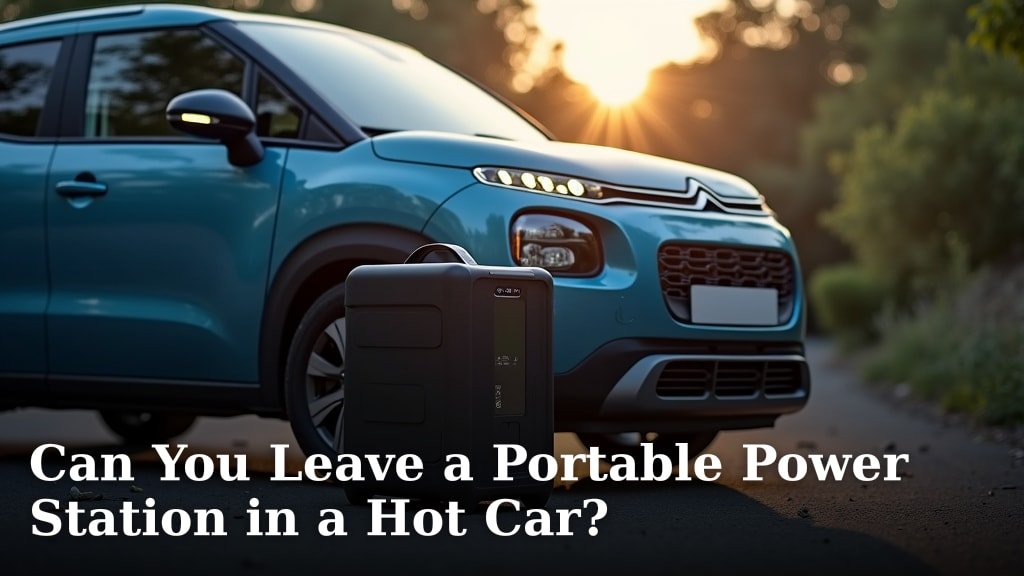
No, you generally should not leave a portable power station in a hot car. Extreme heat can damage the battery and internal components, leading to reduced performance and a shorter lifespan for your device. While a power station might seem sturdy, high temperatures are its enemy.
Think of your car on a sunny day – it quickly becomes an oven. This intense heat poses a real threat to the sensitive electronics inside your portable power station. Many manufacturers advise against exposing their units to such extreme temperatures, especially for extended periods.
- Leaving a power station in a hot car is generally a bad idea.
- High temperatures can permanently damage the battery and electronics.
- This damage can lead to reduced capacity and a shorter overall lifespan.
- Always check your specific model’s operating temperature range.
Let’s break down exactly why this is the case and what you can do to keep your power station safe.
Why You Shouldn’t Park Your Power Station in a Hot Car
Leaving your portable power station in a hot car is a recipe for potential disaster. Think of your car on a summer day – it quickly turns into a sweltering oven. This extreme heat can wreak havoc on the sensitive internal components of your power station. We found that many manufacturers strongly advise against exposing these devices to such high temperatures.
Understanding the Heat’s Impact on Batteries
Portable power stations, much like your phone or laptop, rely on rechargeable batteries. These batteries are often lithium-ion or lithium-polymer. Research shows that extreme heat is a major enemy of these battery chemistries. High temperatures accelerate chemical reactions within the battery. This can lead to a permanent reduction in its capacity.
Imagine a battery that used to hold a full charge. After being subjected to excessive heat, it might only hold 70% or 80% of that. This is known as capacity fade. It’s not something you can fix; it’s permanent damage. We found that consistent exposure to heat can shorten the overall lifespan of your power station significantly.
Beyond the Battery: Other Components at Risk
It’s not just the battery that suffers. The internal circuitry, the control boards, and even the casing can be affected by intense heat. High temperatures can cause materials to expand and contract. This can lead to stress on solder joints and connections.
Electronic components have specific operating temperature ranges. Exceeding these can lead to malfunctions or complete failure. Think of it like pushing a machine past its intended limits. You might get away with it once, but repeated exposure will likely cause irreparable damage.
What Happens When a Power Station Gets Too Hot?
When your power station overheats, you might notice a few things. It might stop charging or discharging altogether. You may also see error messages on its display, if it has one. Some units are designed with built-in overheating protection. This is a good thing, as it prevents immediate catastrophic failure.
However, this protection mechanism isn’t foolproof. It’s a safeguard, not a license to abuse the device. Even if it shuts down to protect itself, the prolonged exposure to high temperatures has likely already caused some level of degradation.
Signs of Heat Damage
How can you tell if your power station has been damaged by heat? Sometimes it’s obvious. You might see a swollen battery pack, though this is less common with modern sealed units. More often, the signs are performance-related.
- Reduced runtime: Your power station doesn’t last as long on a charge as it used to.
- Slower charging: It takes longer for the unit to reach a full charge.
- Inconsistent performance: It might work fine for a while, then suddenly stop powering devices.
- Error codes: Your unit might display error messages related to temperature or battery health.
If you notice any of these issues after your power station has been left in a hot environment, it’s a strong indicator of heat-related damage. We found that these performance decreases are often the first signs.
Recommended Temperature Ranges and What They Mean
Every electronic device has an ideal operating temperature range. For portable power stations, this is usually specified by the manufacturer. You’ll typically find this information in the user manual or on the company’s website. Pay close attention to this section.
Most power stations are designed to operate best between 32°F and 104°F (0°C to 40°C). Some might have slightly different ranges. Charging temperatures are often more restricted than discharging temperatures. For example, charging might be recommended only between 32°F and 113°F (0°C to 45°C).
Storage vs. Operating Temperatures
It’s important to distinguish between operating and storage temperatures. The operating temperature is when the power station is actively being used. The storage temperature is when it’s simply being kept, not in use. Both are critical, but storage in extreme heat is particularly damaging.
You might find storage temperature guidelines that are slightly broader. For instance, a manufacturer might allow storage between -4°F and 140°F (-20°C to 60°C). However, even within these ranges, prolonged exposure to the higher end can still cause long-term degradation. We found that consistency is key for battery health.
A car interior can easily exceed 140°F (60°C) on a hot day. Surfaces inside a car absorb sunlight and radiate heat. This creates a greenhouse effect, trapping heat and rapidly increasing the internal temperature. This makes your car a dangerous environment for sensitive electronics.
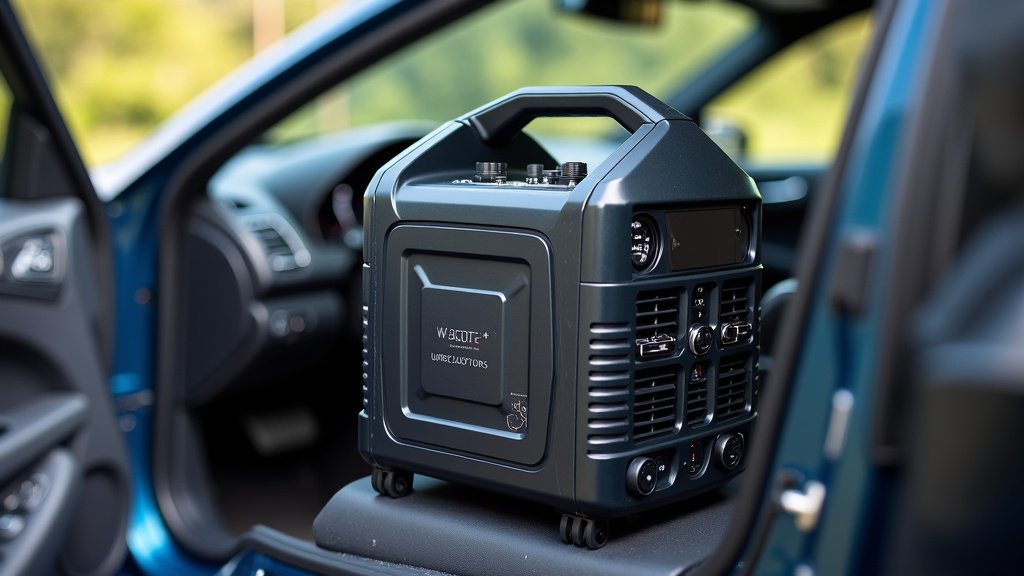
Protecting Your Power Station from Car Heat
So, what can you do to prevent damage? The simplest answer is to avoid leaving it in the car. If you must transport your power station, try to minimize its exposure to heat.
Smart Transportation Habits
When you’re heading out, plan your stops. If possible, take your power station with you rather than leaving it in a hot vehicle. If you have to leave it for a short period, try to park in the shade. This can make a significant difference in the car’s internal temperature.
Consider using a thermal insulation bag or a cooler to help shield the unit. While these aren’t perfect solutions, they can offer some protection against sudden temperature spikes. We found that even simple measures can help mitigate risks.
What to Do If It Gets Too Hot
If you suspect your power station has been overheated, don’t immediately try to use or charge it. First, bring it to a cool environment. Let it sit at room temperature for several hours. This allows the internal components to return to a safe temperature before you attempt any operation.
Once it’s cooled down, inspect the unit. Check for any visible signs of damage. Then, try charging it slowly. If it behaves erratically or doesn’t charge properly, it might be time to contact the manufacturer for support or consider a replacement.
Checklist for Keeping Your Power Station Safe
Here’s a quick rundown to help you keep your power station in top condition:
- Always check the manufacturer’s recommended temperature range.
- Avoid leaving your power station in direct sunlight or a hot car.
- Park in the shade if you must leave the unit in the car temporarily.
- Bring it inside with you whenever possible.
- Allow it to cool down in a moderate temperature environment if it overheats.
- Inspect for damage if you suspect heat exposure.
By following these simple guidelines, you can significantly extend the life and maintain the performance of your portable power station. Your investment will thank you for it!
Conclusion
We’ve learned that leaving your portable power station in a hot car is a risky move. Extreme heat can cause permanent damage to its battery and internal components. This damage often results in reduced capacity and a shorter lifespan for your device. While your power station has built-in protections, they aren’t a substitute for proper care. Protecting your investment means being mindful of where you store it.
The best advice is to avoid leaving it in high-temperature environments like a car interior altogether. If you must transport it, take simple precautions like parking in the shade. Always prioritize bringing your power station inside with you. Your future self will thank you for keeping it in optimal condition.
Frequently Asked Questions
Will a power station explode if left in a hot car?
While an explosion is unlikely for most modern power stations, extreme heat can degrade the battery significantly. This degradation can lead to performance issues or failure. Manufacturers design units with safety features to prevent catastrophic events, but heat stress is still a major concern.
Can I leave a power station in a car overnight in hot weather?
Leaving a power station in a car overnight in hot weather is strongly discouraged. Even if temperatures cool slightly, prolonged exposure to high temperatures while parked can still cause damage. It’s best to bring your power station inside to a temperature-controlled environment.
How long does it take for a power station to overheat in a car?
A car’s interior temperature can rise dramatically within minutes on a sunny day. A power station can reach its operational or storage temperature limits quite quickly. Factors like window tinting and outside temperature play a big role. We found that even short periods can be detrimental.
Is it safe to charge a power station that was in a hot car?
No, it is not immediately safe to charge a power station that has been in a hot car. You should first bring it to a cool environment and let it acclimate to room temperature for several hours. Attempting to charge a hot battery can further stress it and potentially cause damage.
What if my power station feels hot to the touch after being in the car?
If your power station feels hot to the touch after being in a car, do not use it or charge it right away. Let it cool down completely in a shaded, moderate temperature location for several hours. Inspect it for any physical signs of damage before attempting to use it again.
