
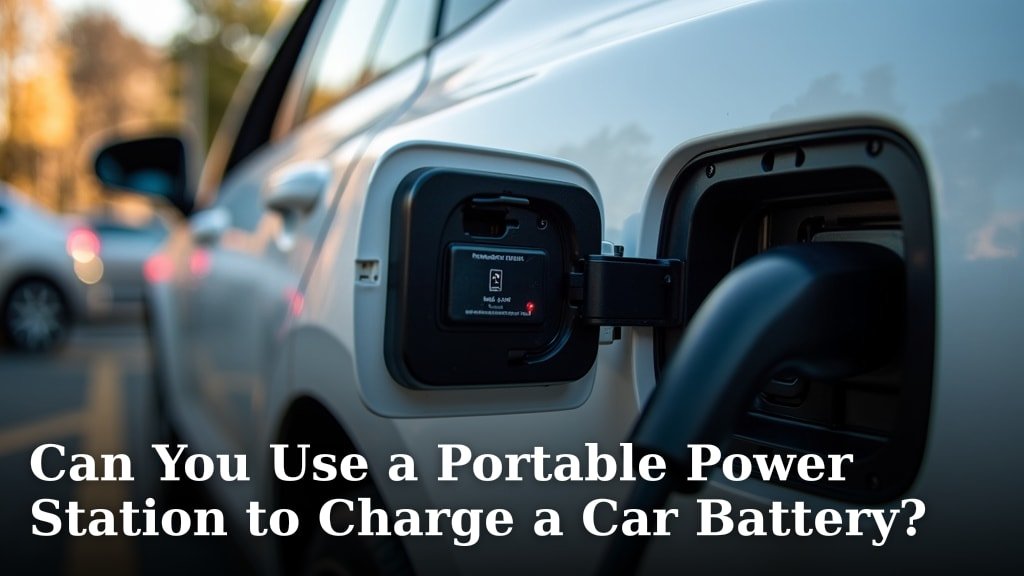
Yes, you can use a portable power station to charge a car battery, but with important limitations. Think of it as a **gentle top-up**, not a full recharge. A power station can provide enough power for a **small boost** if your car battery is slightly drained. It’s a handy backup for minor battery issues.
Using a portable power station is different from a traditional car charger. It offers a more controlled and portable solution. Many modern power stations can provide the necessary voltage. However, they typically lack the high amperage needed for a quick or complete battery charge.
- Portable power stations can charge a car battery, but it’s a slow process.
- They are best for a minor jump start or a small battery boost.
- They are not a substitute for a dedicated car battery charger.
- Ensure your power station has a DC output or an inverter.
- Always check your power station’s specifications.
Let’s get into the details and see exactly how you can make this work and what to expect.
Powering Your Car with a Portable Power Station: The Possibilities
You might be wondering if your portable power station can lend a hand to your car’s battery. The short answer is yes, but with caveats. It’s not a direct replacement for a heavy-duty car charger. Think of it more like a gentle nudge for a tired battery. We’ll break down how this works and what you can realistically expect.
Understanding Your Car Battery’s Needs
A car battery is a robust piece of hardware. It needs a significant amount of amperage to start your engine. This is the electrical current, measured in amps. When you start your car, the starter motor draws a huge surge of power. A typical car battery can deliver 300 to 500 amps or more for a few seconds.
Your portable power station, while impressive for charging devices, usually operates differently. Most are designed for sustained, lower power output. They excel at providing power over extended periods. This is great for laptops or phones. However, it’s not the sudden burst your car’s starter demands.
How a Portable Power Station Can Help (and Where It Falls Short)
So, how can a power station actually help a car battery? It’s all about voltage and a controlled charge. Car batteries typically run on 12 volts. Many portable power stations can output 12-volt DC power. Some have AC outlets that can power a traditional car battery charger.
The main limitation is the amperage output. A power station might offer only a few amps, maybe 5 to 10 amps on a good day. A dedicated car battery charger can push out 25 amps or more. This means a power station can provide a slow, trickle charge. It won’t give you a quick jump start.
Voltage: The Essential Match
The voltage is the electrical “pressure.” Your car battery needs 12 volts. Most portable power stations are equipped with 12-volt DC outputs. You might find these as cigarette lighter-style ports. Some have special DC terminals. This ensures the power delivered is compatible with your car’s system.
Amperage: The Speed Limiter
Amperage is the “flow” of electricity. This is where the power station struggles. A car battery needs a high flow of amps for quick charging or to crank an engine. If your car battery is completely dead, a power station simply won’t have enough amperage. It can’t deliver that initial jolt. Think of trying to fill a swimming pool with a garden hose versus a fire hose.
Methods for Using a Power Station to Charge a Car Battery
There are a couple of ways you can go about this. The most common methods involve either direct connection or using the power station to run a separate charger. It’s important to choose the right method based on your needs and equipment.
Method 1: Direct DC Connection (Trickle Charging)
If your power station has a 12-volt DC output, you might be able to connect it directly to your car battery. You’ll need the right cables. These are often called jumper cables or battery charging cables. They typically have clamps for positive and negative terminals. Make sure the power station’s output is set to 12 volts. You’ll connect the positive clamp to the positive terminal on your car battery. Then, connect the negative clamp to the negative terminal. Or, you can connect the negative clamp to a metal chassis point. This method provides a slow, steady charge. It’s best for a slightly drained battery that just needs a little top-up. It will take many hours, potentially overnight, to make a noticeable difference.
Method 2: Using the Power Station to Run a Car Battery Charger
This is often the more effective method. Many portable power stations have AC outlets. You can plug a standard, small car battery charger into the power station’s AC outlet. Then, connect the battery charger to your car battery. The power station provides the AC power. The battery charger then converts it to the correct DC voltage and amperage. This allows you to use a charger that is designed for car batteries. It still might be slow if the power station’s continuous AC output is limited. But, it offers better control over the charging process. Always check the wattage rating of your power station’s AC output. Ensure it’s sufficient for your car battery charger.
What to Look for in a Portable Power Station for Car Battery Charging
Not all power stations are created equal when it comes to car battery support. There are a few key features to consider. These will determine how useful your power station will be in a pinch. It’s about having the right tools for the job.
Essential Features to Consider
- 12-Volt DC Output: This is crucial for direct connection. Look for a port that delivers 12V DC power.
- Sufficient Amperage (for direct charging): While usually low, higher amperage output from the DC port is better.
- AC Outlet(s): Needed if you plan to run a separate car battery charger.
- Continuous Wattage Rating: For AC charging, ensure the station can sustain the power draw of your charger.
- Battery Capacity (Wh): A larger capacity means longer charging times.
- Safety Features: Overcharge protection and short-circuit protection are vital.
When a Portable Power Station is Your Best Bet
A portable power station shines when your car battery isn’t completely dead. Imagine this: you left your interior lights on overnight. Your car won’t start, but the battery isn’t ancient or damaged. A power station can provide the gentle boost needed. It can slowly bring the battery back to a usable state.
This is also a great option if you have a reliable car battery charger. You can use the power station as a portable power source. You can then charge your car battery anywhere, even without a wall outlet. This is useful for remote locations or during power outages. It’s about extending your options when you’re away from the grid.
When You Need More Than a Power Station
If your car battery is very old, has been deeply discharged, or is damaged, a power station likely won’t help. For a completely dead battery, you’ll need a dedicated car jump starter. These devices are designed to deliver a massive surge of amps. They can instantly crank a dead engine. Alternatively, you might need a powerful, conventional car battery charger. These can bring a deeply discharged battery back to life over several hours. They are built for the heavy demands of car batteries.
Safety First: Important Precautions
Working with car batteries and electrical equipment requires caution. Always follow safety guidelines. Improper connections can damage your car’s electronics or the power station. They can also pose a safety hazard.
Key Safety Steps
- Turn off both vehicles: Ensure the car is completely off before making any connections.
- Disconnect power source first: When disconnecting, remove the negative cable first, then the positive.
- Avoid sparks: Never let the positive and negative clamps touch each other.
- Check polarity: Always connect positive (+) to positive (+) and negative (-) to negative (-).
- Ventilation: Car batteries can release explosive hydrogen gas. Ensure good ventilation.
- Consult manuals: Always refer to your power station and car battery manuals.
Quick Checklist for Powering Your Car Battery
Before you attempt to charge your car battery with a power station, run through this quick checklist:
- Is my power station capable of 12V DC output or AC output?
- Do I have the correct cables for connecting to the car battery?
- Is the car battery only slightly drained, not completely dead?
- Can my power station provide enough continuous wattage if using an AC charger?
- Have I reviewed the safety precautions for both the power station and the car battery?
- Am I prepared for a slow charging process if using direct DC connection?
By understanding these points, you can make an informed decision. You’ll know if your portable power station is the right tool for the job. It’s a helpful backup, but always know its limits.
Conclusion
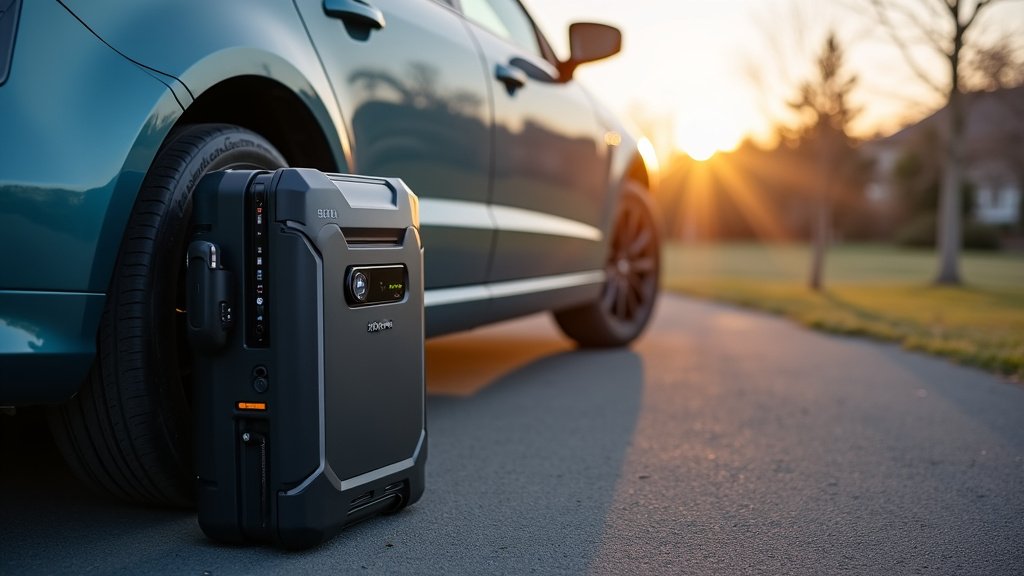
So, can you use a portable power station for your car battery? The answer is a qualified yes. It’s a fantastic backup for a slow, gentle charge when your battery is a bit low. It’s not designed for the heavy-duty demands of a completely dead battery or a quick jump. Think of it as a helpful friend offering a steady hand, not a tow truck. Always check your power station’s specs and prioritize safety. For those minor battery hiccups, your power station can be a real lifesaver, offering you peace of mind wherever you go. Next time your car battery needs a little love
